 Preview
 Send
Send Share
Share
 Details

 Download
 Similars
 X-Ray
X-Ray Diaporama
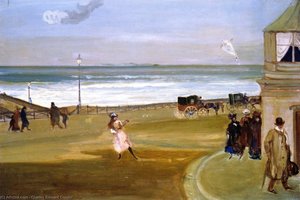
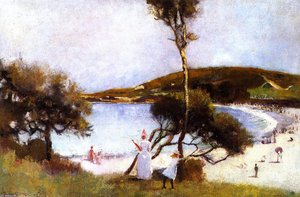
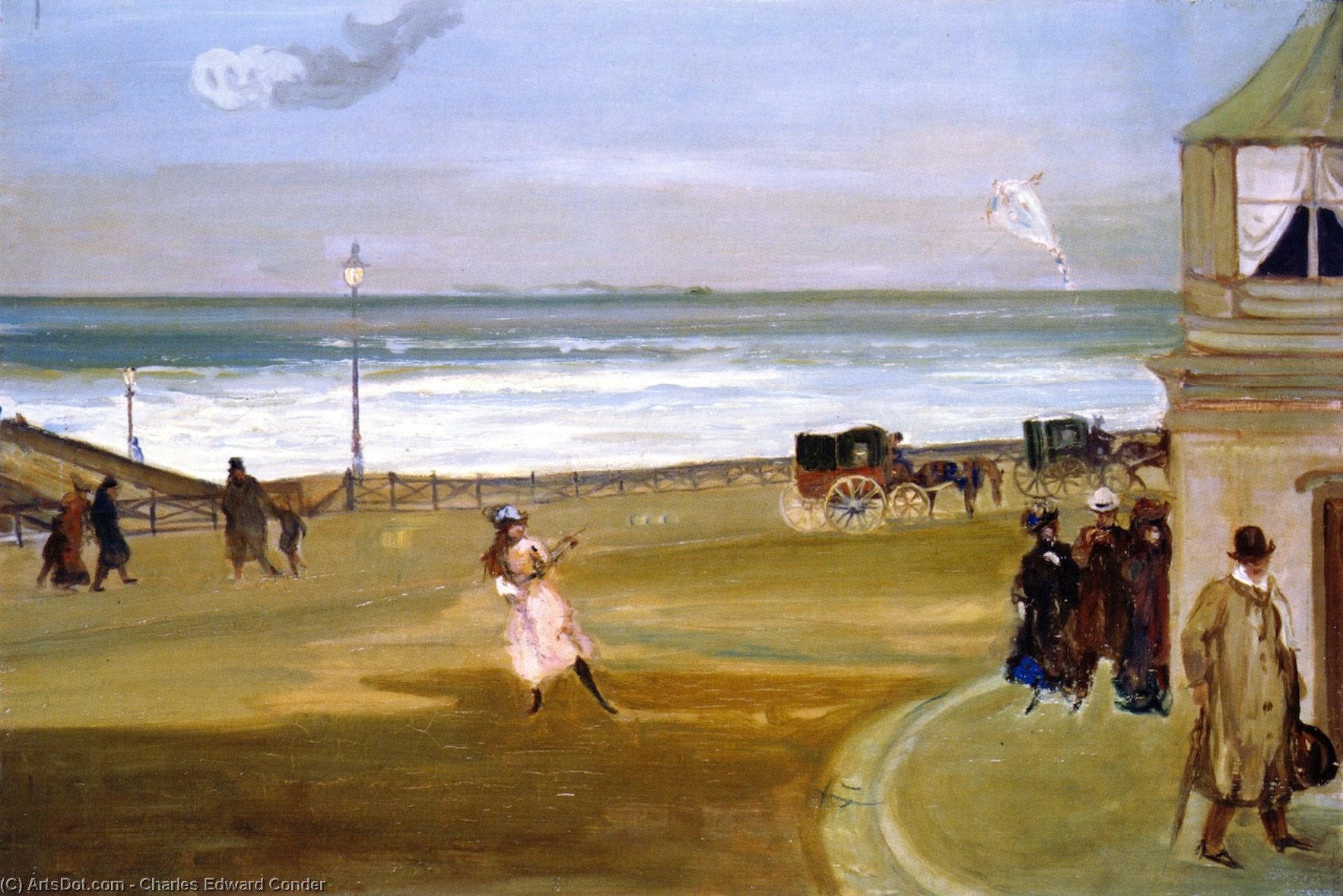
Windy Day at Brighton


 Read More
Hand Made Oil Reproduction
Hand-painted oil on canvas in your size and frame, made to order by our artists. ( Buy Print Buy Image)




P118B $10

P118H $10

P118W $10

P438Z $10

P508JH $12

P508YH $12

P805H $10

P805Z $10

P919BZ $10

P919G $10

P919XJ $10

P959ZH $10

P968JZ $12

W106C $8

W218G $10

W218JH $8

W218Y $10

W307PJ $10

W316G $10

W316PJ $8

W316Y $10

W398PJ $8

W4111J $10

W500HY $15

W500JH $15

W692G $12

W849H $8

W940BG $15

W953PJ $8




Pick from our preset sizes that match the artwork's original proportions.

You may enter your own dimensions to fit a specific frame or space. If your selected size does not match the original image's proportions, we will either crop the artwork or extend the painting with additional hand-painted elements. A digital mockup will be sent for your approval before production begins.
Please note that the on-screen preview does not reflect the actual cropping or extension. Only the mockup will accurately show the final composition.
While custom sizes are available, we recommend selecting a dimension from the predefined list to preserve the original proportions.
After order, ArtsDot.com team will email client for instructions and provide a mockup preview
Worldwide Delivery () in 3/4 weeks instead of standard 5 weeks. (16 August). No compromise on quality.

Free Worldwide Express Shipping

High-Quality Linen Canvas

Full Shipping Insurance

Customs Tax Refund Guarantee

True Color Matching Guarantee

60-Day Return Policy (Defects Only)

100% Money-Back Guarantee

Bulk Discount Offer
 Glass option is only available in size under 110 CM

Windy Day at Brighton
Reproduction Medium
Reproduction Size
-


Total Price
$ 263
Artwork Description
Windy Day at Brighton – A Masterpiece of Impressionistic Seaside Tranquility
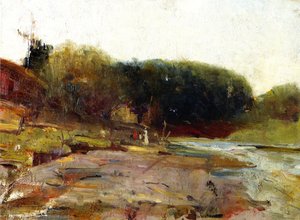
“Windy Day at Brighton” by Charles Edward Conder stands as a testament to the burgeoning Impressionist movement in Britain during the early 20th century. Created in 1905 and currently residing within the prestigious Tate Gallery in London, this painting transcends mere depiction; it captures a fleeting moment of beauty—a breezy afternoon spent on Brighton Beach.
Artist’s Style and Inspiration: Conder's artistic vision was firmly rooted in Impressionism. Influenced by artists like Claude Monet and Pierre-Auguste Renoir, he eschewed meticulous detail for capturing the ephemeral qualities of light and atmosphere. The soft brushstrokes characteristic of his style—almost hesitant yet purposeful—are immediately apparent upon viewing the canvas. These delicate marks blend seamlessly to create a hazy luminescence that dominates the scene, mirroring the diffused sunlight filtering through the overcast sky.
- Technique: Conder employed oil paint on canvas, utilizing layering and glazing techniques to achieve remarkable depth and vibrancy. The artist skillfully manipulated color palettes—primarily muted blues, greens, and ochres—to convey the mood of a windy day.
- Composition: The painting’s composition is thoughtfully balanced, featuring figures strolling along the shore amidst the gentle sway of palm trees. A horse-drawn carriage adds an element of Victorian grandeur to the coastal landscape.
- Light and Shadow: Conder's masterful use of light and shadow—particularly evident in the shading beneath umbrellas—creates a palpable sense of realism while simultaneously enhancing the painting’s emotional resonance.
Detailed Examination – Composition & Color Palette
The central figures, positioned prominently in the foreground, are bathed in dappled sunlight, highlighting their clothing and expressions. The artist's careful attention to detail—such as the folds of fabric and the subtle nuances of facial features—demonstrates Conder’s commitment to portraying human experience within a natural setting. Notice how the artist uses color to convey emotion; the cool blues and greens evoke tranquility, while warmer hues suggest warmth and vitality.
Furthermore, the inclusion of boats scattered across the water adds visual interest and reinforces the seaside atmosphere. The overall effect is one of serene contemplation—a celebration of beauty found in everyday life—reflecting the Impressionists’ fascination with capturing transient sensations.
Historical Context & Significance
“Windy Day at Brighton” emerged during a period of significant artistic experimentation in Britain, coinciding with the rise of the Heidelberg School. This group of artists sought inspiration from the landscapes of southern France, embracing plein air painting—working outdoors directly onto canvas—to capture the immediacy of nature. Conder’s contribution to this movement solidified his reputation as one of Britain's foremost Impressionists.
The Tate Gallery’s acquisition of “Windy Day at Brighton” underscores its enduring artistic merit and its place within British art history. It serves as a captivating reminder of the power of Impressionism to transform ordinary scenes into extraordinary expressions of emotion and beauty.
Own a Piece of Art History
At ArtsDot.com, we offer meticulously crafted oil painting reproductions of “Windy Day at Brighton,” allowing you to bring this iconic artwork into your home or office. Our skilled artisans utilize archival-quality materials and techniques to faithfully recreate Conder’s original vision, ensuring that every brushstroke retains its vibrancy and nuance.
Visit ArtsDot.com today to explore our collection and discover the perfect reproduction for your discerning taste!
Related Artworks
Artist Biography
early life and artistic journey
charles edward conder, a british-born painter, lithographer, and designer, left an indelible mark on the art world. born in tottenham, middlesex, on october 24, 1868, conder's early life was marked by his mother's passing in india when he was just four years old.artistic career in australia
in 1884, at 16, conder moved to sydney, australia, working for his uncle as a land surveyor. however, he soon discovered his true passion lay in drawing the landscape rather than surveying it. by 1886, he had become an artist for the illustrated sydney news, alongside notable artists like albert henry fullwood and frank mahony.the heidelberg school and notable works
conder's masterpiece, departure of the orient – circular quay (1888), showcased his newfound mastery of form and brushwork. this dockside scene, depicting the bustling harbour at sydney cove, was quickly purchased by the art gallery of new south wales, making it conder's first work to enter a public collection.- a holiday at mentone (1888), a fun-loving painting showcasing men and women relaxing on the beach, is another notable example of conder's work.
- conder's association with g. p. nerli, an itinerant italian painter, significantly influenced his development as an artist.
- his contributions to the 9 by 5 impression exhibition in melbourne, alongside tom roberts and arthur streeton, solidified his position within the heidelberg school movement.
legacy and later life
conder's later years were plagued by poor health, including paralysis and a bout of delirium tremens. despite this, he continued to paint, leaving behind a legacy as a key figure in the heidelberg school. his art was better received in england than in paris, with his portrait being painted by henri de toulouse-lautrec in 1892. view conder's works at the art gallery of new south wales or explore more about the heidelberg school on ArtsDot's charles edward conder page.- discover more about conder's life and works on wikipedia's charles conder page.
- explore ArtsDot's collection of conder's paintings, including a holiday at mentone (1888) and departure of the orient – circular quay (1888), on ArtsDot's website.
conclusion
charles edward conder's impact on australian impressionism is undeniable. his legacy, marked by his captivating paintings and association with the heidelberg school, continues to inspire art enthusiasts worldwide.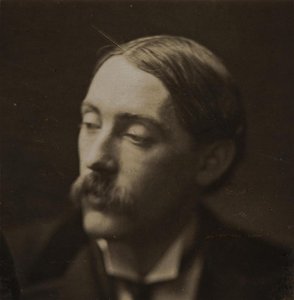
Charles Edward Conder
1868 - 1909 , United Kingdom
Quick Facts
- Artistic Movement Or Style: Heidelberg School
- Artists Who Influenced This Artist:
- Alfred Daplyn
- Victor Mann
- Julian Ashton
- Date Of Birth: October 24, 1868
- Full Name: Charles Edward Conder
- Nationality: British
- Notable Artworks:
- Departure of the Orient – Circular Quay
- A holiday at Mentone
- Under The Southern Sun
- Place Of Birth: Tottenham, United Kingdom
Related Articles
Edward Hopper's Masterpieces: 25 Iconic Paintings & Their Enduring Legacy | ArtsDot
Explore 25 iconic Edward Hopper paintings & their stories. Discover American realism, urban loneliness, and timeless beauty through his masterpieces. Find museum-quality art reproductions & curated decor ideas at ArtsDot.com.

Impressionist Landscapes: 10 Masterpieces for Your Home | ArtsDot
Journey through 10 iconic Impressionist landscapes by Monet, Renoir & Degas. Explore the history, techniques & emotions behind these masterpieces. Find museum-quality reproductions for your home at ArtsDot.com – where art comes to life! Discover all masterpieces on ArtsDot.com
Impressionistic Realism's Finest: 10 Masterpieces for Your Home | ArtsDot
Journey through Impressionistic Realism with 10 iconic masterpieces by Monet, Renoir & Van Gogh. Explore art history, techniques & find museum-quality reproductions for your home at ArtsDot.com. Discover all masterpieces online!

Impressionistic Landscapes: 10 Masterpieces That Changed Art & Decor
Journey into the heart of Impressionism! Explore 10 masterpieces by Monet, Renoir & Degas that revolutionized landscape art. Discover their stories, techniques & find museum-quality reproductions to elevate your home decor on ArtsDot.com.
Renoir's Masterpieces: Explore 25 Iconic Paintings & Bring Art Home | ArtsDot
Explore 25 iconic Pierre-Auguste Renoir paintings! Discover the stories behind Impressionist masterpieces like 'Dance at Le Moulin de la Galette' & 'Luncheon of the Boating Party'. Find museum-quality art reproductions and elevate your home decor with ArtsDot.com.