 Preview
 Send
Send Share
Share
 Details

 Download
 Similars
 X-Ray
X-Ray Diaporama
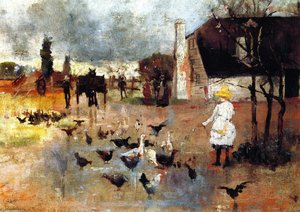
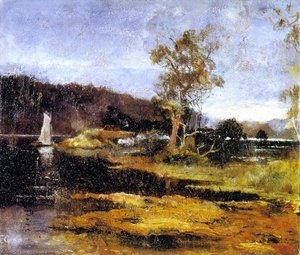
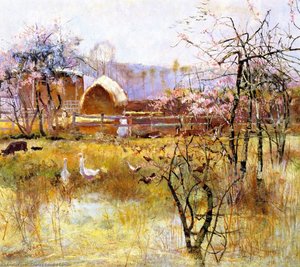
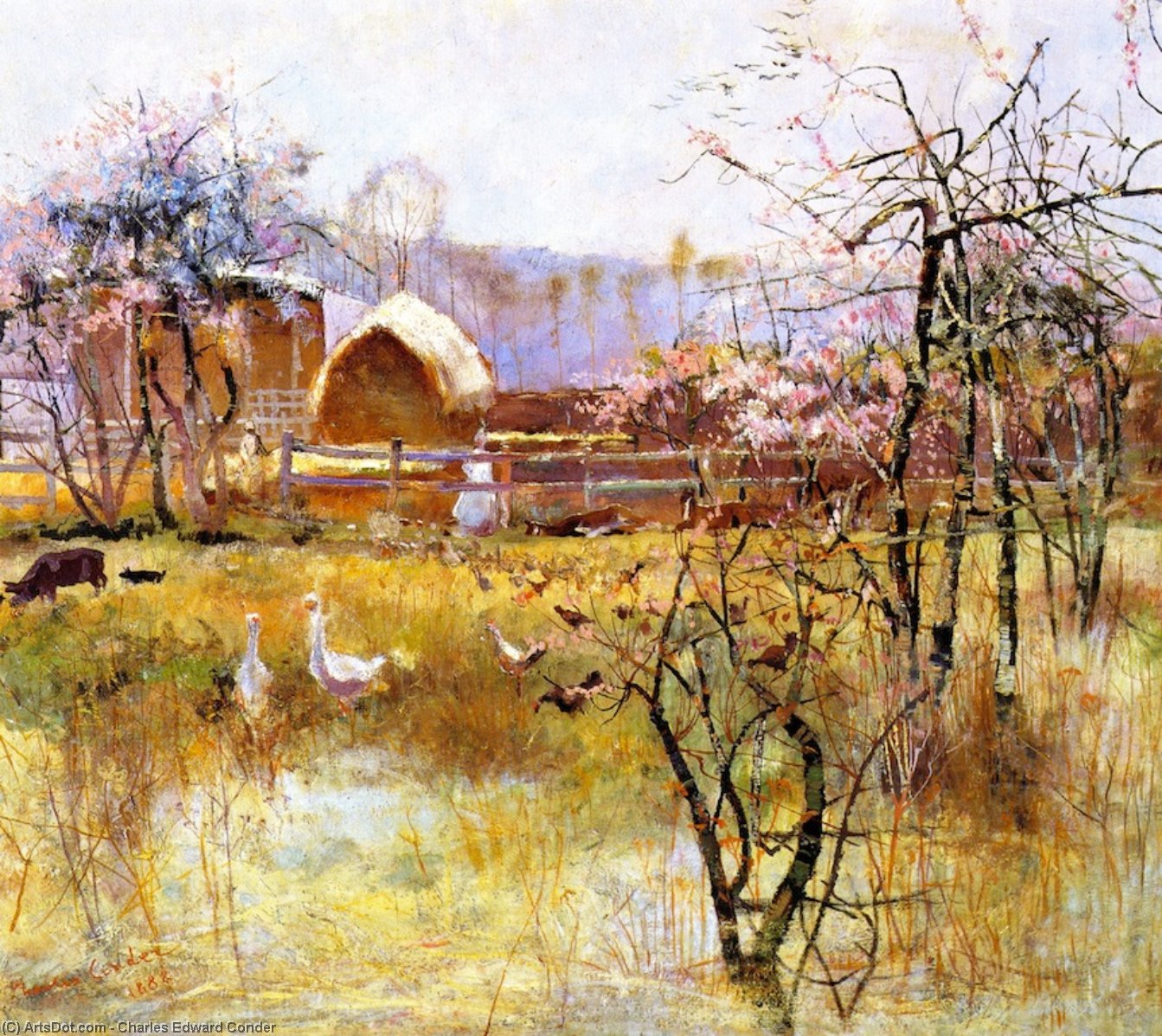
The Farm, Richmond, New South Wales


 Read More
Hand Made Oil Reproduction
Hand-painted oil on canvas in your size and frame, made to order by our artists. ( Buy Print Buy Image)




P118B $10

P118H $10

P118W $10

P438Z $10

P508JH $12

P508YH $12

P805H $10

P805Z $10

P919BZ $10

P919G $10

P919XJ $10

P959ZH $10

P968JZ $12

W106C $8

W218G $10

W218JH $8

W218Y $10

W307PJ $10

W316G $10

W316PJ $8

W316Y $10

W398PJ $8

W4111J $10

W500HY $15

W500JH $15

W692G $12

W849H $8

W940BG $15

W953PJ $8




Pick from our preset sizes that match the artwork's original proportions.

You may enter your own dimensions to fit a specific frame or space. If your selected size does not match the original image's proportions, we will either crop the artwork or extend the painting with additional hand-painted elements. A digital mockup will be sent for your approval before production begins.
Please note that the on-screen preview does not reflect the actual cropping or extension. Only the mockup will accurately show the final composition.
While custom sizes are available, we recommend selecting a dimension from the predefined list to preserve the original proportions.
After order, ArtsDot.com team will email client for instructions and provide a mockup preview
Worldwide Delivery () in 3/4 weeks instead of standard 5 weeks. (16 August). No compromise on quality.

Free Worldwide Express Shipping

High-Quality Linen Canvas

Full Shipping Insurance

Customs Tax Refund Guarantee

True Color Matching Guarantee

60-Day Return Policy (Defects Only)

100% Money-Back Guarantee

Bulk Discount Offer
 Glass option is only available in size under 110 CM

The Farm, Richmond, New South Wales
Reproduction Medium
Reproduction Size
-


Total Price
$ 263
Artwork Description
A Pastoral Dream from Colonial Australia
To gaze upon Charles Edward Conder's "The Farm, Richmond, New South Wales" is to step through a veil of time directly into the sun-drenched heart of colonial Australian life. Painted in 1888, this oil on canvas is far more than a mere depiction of rural scenery; it is an evocative meditation on peace, community, and the enduring rhythm of agricultural existence. Conder masterfully captures a moment suspended in amber—a tableau vivant where nature and human endeavor coexist in gentle harmony. The air itself seems thick with the scent of damp earth and sun-warmed hay.
Composition and the Gentle Life Observed
The eye is immediately drawn to the tranquil pond, the central stage for a lively gathering of ducks whose bright forms contrast beautifully against the muted greens and browns of the landscape. These waterfowl, numbering at least twelve visible souls, seem utterly absorbed in their watery domain, while nearby, the sturdy presence of two cows anchors the left side of the composition. Scattered amongst the verdant grasses are three placid sheep, grazing as if time itself has slowed its passage for them. Standing near the rustic fence line, a solitary figure observes this gentle pageant, accompanied by a loyal dog whose posture suggests quiet guardianship. Conder’s genius lies in his ability to populate a scene so richly that every animal and person feels integral to the whole, contributing to an overwhelming sense of idyllic completeness.
Mastery of Light and Brushwork
Conder's technique, characteristic of his finest works, sings with delicate brushstrokes and a vibrant palette. While the subject matter is pastoral simplicity, the execution is anything but simple. The artist employs bright colors not merely for decoration, but to imbue the scene with palpable light—the way sunlight catches the wet feathers of the ducks or illuminates the curve of a cow's back speaks to an advanced understanding of *chiaroscuro* applied to outdoor life. His handling of paint gives the entire canvas a luminous quality, making the reproduction feel like a window opened onto a perfect afternoon.
Historical Resonance and Enduring Appeal
This painting serves as a vital historical document, offering an intimate glimpse into the burgeoning settled life in New South Wales during the late Victorian era. For the modern collector or designer, it transcends mere genre painting; it speaks to a universal yearning for simplicity—a longing for the quietude that industrialization often obscures. Owning a reproduction of this work is not just acquiring art; it is curating a piece of Australian heritage and embracing a timeless aesthetic ideal.
Bringing the Farm Home
Whether placed in a sunlit drawing-room or an entryway seeking natural grace, "The Farm, Richmond, New South Wales" offers profound emotional resonance. It whispers tales of slow mornings, shared sustenance, and the deep connection between humanity and the land. For those who seek art that soothes the soul while demanding admiration for its technical brilliance, this masterpiece by Charles Edward Conder remains an unparalleled choice.
Related Artworks
Artist Biography
early life and artistic journey
charles edward conder, a british-born painter, lithographer, and designer, left an indelible mark on the art world. born in tottenham, middlesex, on october 24, 1868, conder's early life was marked by his mother's passing in india when he was just four years old.artistic career in australia
in 1884, at 16, conder moved to sydney, australia, working for his uncle as a land surveyor. however, he soon discovered his true passion lay in drawing the landscape rather than surveying it. by 1886, he had become an artist for the illustrated sydney news, alongside notable artists like albert henry fullwood and frank mahony.the heidelberg school and notable works
conder's masterpiece, departure of the orient – circular quay (1888), showcased his newfound mastery of form and brushwork. this dockside scene, depicting the bustling harbour at sydney cove, was quickly purchased by the art gallery of new south wales, making it conder's first work to enter a public collection.- a holiday at mentone (1888), a fun-loving painting showcasing men and women relaxing on the beach, is another notable example of conder's work.
- conder's association with g. p. nerli, an itinerant italian painter, significantly influenced his development as an artist.
- his contributions to the 9 by 5 impression exhibition in melbourne, alongside tom roberts and arthur streeton, solidified his position within the heidelberg school movement.
legacy and later life
conder's later years were plagued by poor health, including paralysis and a bout of delirium tremens. despite this, he continued to paint, leaving behind a legacy as a key figure in the heidelberg school. his art was better received in england than in paris, with his portrait being painted by henri de toulouse-lautrec in 1892. view conder's works at the art gallery of new south wales or explore more about the heidelberg school on ArtsDot's charles edward conder page.- discover more about conder's life and works on wikipedia's charles conder page.
- explore ArtsDot's collection of conder's paintings, including a holiday at mentone (1888) and departure of the orient – circular quay (1888), on ArtsDot's website.
conclusion
charles edward conder's impact on australian impressionism is undeniable. his legacy, marked by his captivating paintings and association with the heidelberg school, continues to inspire art enthusiasts worldwide.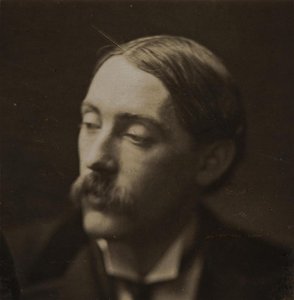
Charles Edward Conder
1868 - 1909 , United Kingdom
Quick Facts
- Artistic Movement Or Style: Heidelberg School
- Artists Who Influenced This Artist:
- Alfred Daplyn
- Victor Mann
- Julian Ashton
- Date Of Birth: October 24, 1868
- Full Name: Charles Edward Conder
- Nationality: British
- Notable Artworks:
- Departure of the Orient – Circular Quay
- A holiday at Mentone
- Under The Southern Sun
- Place Of Birth: Tottenham, United Kingdom
Related Articles

Beyond the Horizon: 10 Landscape Masterpieces for Your Home Decor
Journey through 10 breathtaking landscape paintings by Monet, Van Gogh & more! Explore iconic artworks, artistic techniques & find inspiration for your home decor. Museum-quality reproductions at ArtsDot.com. Discover all masterpieces on ArtsDot.com

John Constable's Masterpieces: Explore 25 Iconic Landscapes for Your Home
Journey through John Constable's 25 most celebrated landscapes. Explore Romanticism, Dedham Vale & his masterful use of light in iconic paintings like 'Hay Wain'. Find museum-quality art reproductions and elevate your home decor on ArtsDot.com.

Cultivating Visions: A Historical Journey Through Rural Landscapes in Art
Explore the rich history of rural landscape painting with ArtsDot. Discover Impressionist masterpieces, key artists & movements. Find your perfect serene artwork and bring nature's beauty home.

Romantic Landscapes: 10 Masterpieces for Your Home | ArtsDot
Journey through 10 Romantic landscape masterpieces by Friedrich, Turner & Cole. Explore emotional art, sublime nature scenes & iconic 19th-century paintings. Find museum-quality reproductions for your home at ArtsDot.com – discover the full collection online!
Evoking Nature's Sublime: A Comprehensive Exploration of 19th-Century Landscape Painting
Explore the captivating world of 19th-century landscape painting! Discover renowned artists like Friedrich & Monet, key movements, and find the perfect artwork to bring nature's serenity into your home. Expert insights at ArtsDot.