 Preview
 Send
Send Share
Share
 Details

 Download
 Similars
 X-Ray
X-Ray Diaporama
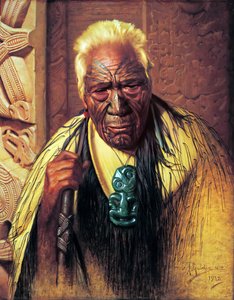
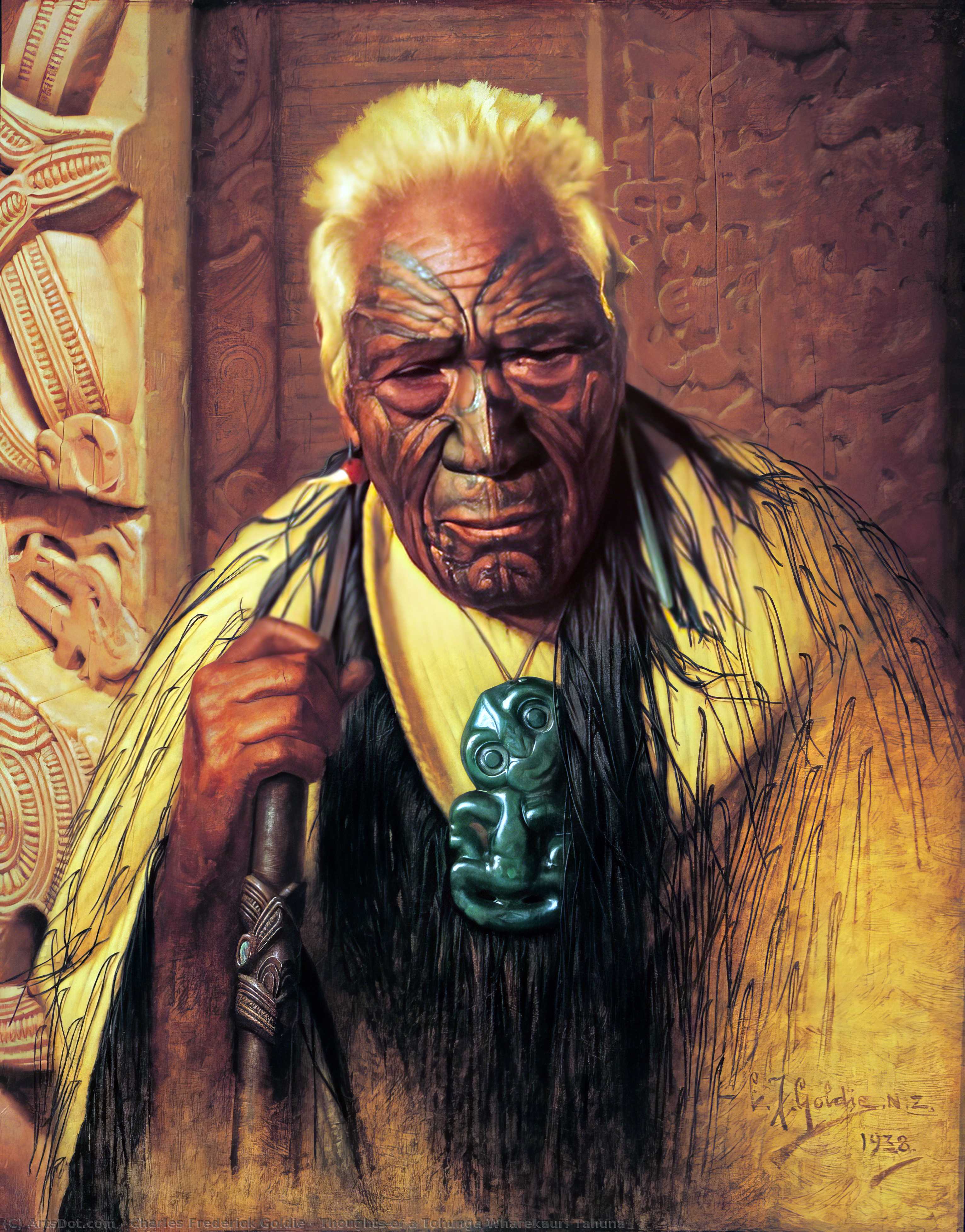
Thoughts of a Tohunga Wharekauri Tahuna
 Contemporary Realism
 1938
1938 77.0 x 61.0 cm
 Read More
Hand Made Oil Reproduction
Hand-painted oil on canvas in your size and frame, made to order by our artists. ( Buy Print Buy Image)




































Pick from our preset sizes that match the artwork's original proportions.

You may enter your own dimensions to fit a specific frame or space. If your selected size does not match the original image's proportions, we will either crop the artwork or extend the painting with additional hand-painted elements. A digital mockup will be sent for your approval before production begins.
Please note that the on-screen preview does not reflect the actual cropping or extension. Only the mockup will accurately show the final composition.
While custom sizes are available, we recommend selecting a dimension from the predefined list to preserve the original proportions.
After order, ArtsDot.com team will email client for instructions and provide a mockup preview
Worldwide Delivery () in 3/4 weeks instead of standard 5 weeks. (31 August). No compromise on quality.

Free Worldwide Express Shipping

High-Quality Linen Canvas

Full Shipping Insurance

Customs Tax Refund Guarantee

True Color Matching Guarantee

60-Day Return Policy (Defects Only)

100% Money-Back Guarantee

Bulk Discount Offer
 Glass option is only available in size under 110 CM

Thoughts of a Tohunga Wharekauri Tahuna
Reproduction Medium
Reproduction Size
-


Total Price
$ 263
The Subject: A Window into Māori Heritage
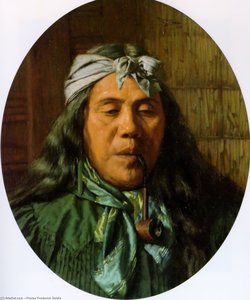
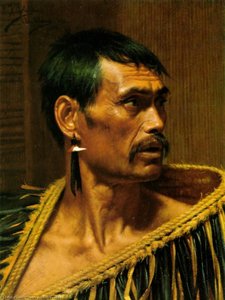
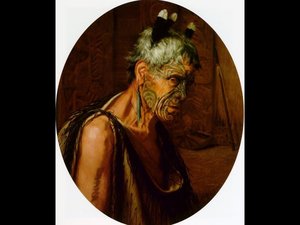
The painting depicts a man with long hair, wrapped in a traditional blanket, exuding an air of contemplation. His stern expression suggests deep thought, possibly reflecting on his role as a tohunga, a spiritual leader and guardian of ancient knowledge. The subject's gaze is distant, lost in the realms of history and tradition.Composition and Symbolism
The composition is striking, with the main figure dominating the foreground while smaller figures are relegated to the background. This arrangement emphasizes the importance of the central character. Near the bottom left corner, a decorative piece adds an element of cultural richness, possibly symbolizing the connection between the subject's thoughts and his heritage.Artistic Significance
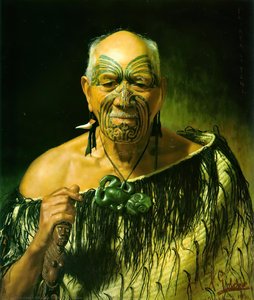
Goldie's work is notable for its detailed portrayal of Māori subjects, often capturing their dignity and wisdom. Thoughts of a Tohunga Wharekauri Tahuna is no exception, showcasing the artist's ability to convey the depth of his subjects' thoughts and emotions.Relevance in Modern Times
This painting serves as a bridge between past and present, highlighting the importance of preserving cultural heritage. It reminds us of the significance of understanding and respecting the traditions of indigenous peoples.Acquisition and Reproduction
For those interested in owning a piece of this cultural history, ArtsDot.com offers high-quality, handmade oil painting reproductions of Thoughts of a Tohunga Wharekauri Tahuna. These reproductions are crafted with meticulous attention to detail, ensuring that the essence of Goldie's original work is preserved.Conclusion
Thoughts of a Tohunga Wharekauri Tahuna by Charles Frederick Goldie is a masterpiece that encapsulates the spirit of Māori culture. Through his art, Goldie continues to educate and inspire, fostering a deeper appreciation for the rich heritage of New Zealand's indigenous people. Preserve the beauty of art with ArtsDot.com.Related Artworks
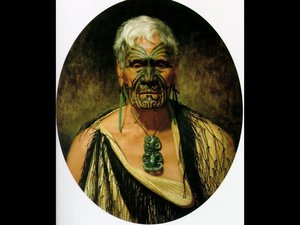
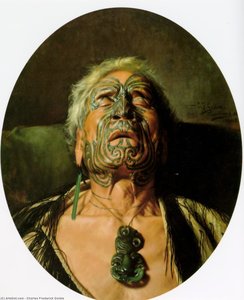
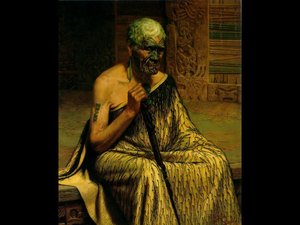
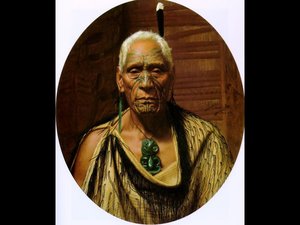
Artist Biography
Early Life and Training
- Born: Auckland, New Zealand (October 20, 1870)
- Died: 1947
- Family Background: Charles Frederick Goldie was born into a prominent Aucklander family. His maternal grandfather, Charles Frederick Partington, built the iconic Auckland Windmill. His father, David Goldie, was a successful timber merchant and politician who served as Mayor of Auckland.
- Early Education & Artistic Talent: He attended Auckland Grammar School where he demonstrated exceptional artistic ability, winning prizes from the Auckland Society of Arts and the New Zealand Art Students' Association.
- Formal Training: Goldie studied under Louis John Steele in Auckland before traveling to Paris to attend the Académie Julian, a prestigious art school that honed his drawing and painting skills.
Artistic Career and Notable Works
- Return to New Zealand & The French Academy of Art: Upon returning to New Zealand in 1898, Goldie established "The French Academy of Art" with Louis J. Steele.
- Early Collaboration: A notable early work was a collaborative piece with Steele, “The Arrival of the Māori in New Zealand,” inspired by Théodore Géricault’s “The Raft of the Medusa.” This garnered significant attention and launched Goldie's career.
- Focus on Māori Portraits: Goldie became renowned for his portraits of Māori dignitaries, particularly elderly, tattooed individuals of high standing within their communities. He aimed to preserve Māori heritage through his art.
- Notable Works:
- Thoughts of a Tohunga Wharekauri Tahuna (1938) – A striking portrait showcasing rich detail and cultural significance.
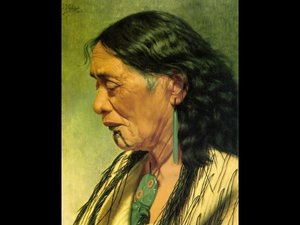
- Reverie (1932) – An emotive oil painting depicting a Māori woman with a pounamu pendant.
- Anaha Te Rahui, the Celebrated Carver of Rotorua – Captures a Māori elder in stunning realism, highlighting intricate carvings and textures.
- Male Torso. Julian's Academy, Paris - A 19th-century portrait showcasing realistic style.
- Recognition: Goldie received the King George V Silver Jubilee Medal in 1935 and was appointed an Officer of the Order of the British Empire for his services to art.
Influences and Artistic Style
- Academic Training: His training at the Académie Julian significantly influenced his style, emphasizing realistic representation and meticulous detail.
- Géricault's Influence: The early collaborative work with Steele demonstrates an influence from Théodore Géricault’s dramatic compositions and focus on human emotion.
- Realism & Portraiture: Goldie’s artistic style is characterized by realism, particularly in his portraits. He meticulously captured the details of Māori facial tattoos (Tā moko) and traditional adornments.
- Respect for Māori Culture: His work reflects a deep respect for Māori culture and traditions, aiming to document and preserve aspects of their heritage through portraiture.
Later Life and Legacy
- Health Decline: Goldie’s health deteriorated due to lead poisoning from his painting materials, leading to a decrease in his artistic output.
- Retirement & Death: He stopped painting in 1941 and passed away on July 11, 1947, at the age of 77.
- Enduring Legacy: Charles Frederick Goldie’s legacy endures as a testament to his dedication to preserving Māori culture through art. His works are celebrated for their realism, cultural significance, and contribution to New Zealand's artistic heritage.
- Current Recognition: His paintings can be found in collections such as the Auckland Art Gallery Toi o Tāmaki.
Related Figures
- George Taubman Goldie: It is important to note that Charles Frederick Goldie was not related to Sir George Dashwood Taubman Goldie, a prominent figure in Nigerian history and colonial administration. While sharing the same surname, they were distinct individuals with separate legacies.
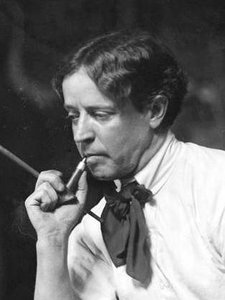
Charles Frederick Goldie
1870 - 1947 , New Zealand
Quick Facts
- Artistic Movement Or Style: Realism painting
- Artists Who Influenced This Artist: ['Théodore Géricault']
- Date Of Birth: October 20, 1870
- Date Of Death: July 11, 1947
- Full Name: Charles Frederick Goldie
- Nationality: New Zealander
- Notable Artworks:
- Thoughts of a Tohunga
- Reverie
- Anaha Te Rahui
- Male Torso. Julian's Academy
- Place Of Birth: Auckland, New Zealand
Related Articles

The Enduring Legacy of Oil on Canvas: Technique, History & Aesthetic Impact
Explore the rich history & techniques of oil painting – from Renaissance masters to Impressionism. Discover pigments, layering methods, and why this timeless medium endures. Expert insights for artists & art enthusiasts.

Oil on Canvas: A Historical & Technical Exploration of a Timeless Artistic Medium
Explore the rich history & enduring techniques of oil painting on canvas. Discover the science behind its longevity, conservation practices, and contemporary relevance. Expert insights for art enthusiasts.

The Enduring Power of Painting: A Historical & Contemporary Exploration of Form and Emotion
Explore the rich history & enduring techniques of oil painting with ArtsDot. Discover masterpieces, learn about art collecting, and find authentic handmade reproductions crafted by skilled artists.

The Enduring Legacy of Oil on Canvas: Technique, History & Contemporary Practice
Explore the rich history & enduring techniques of oil painting on canvas. Discover the science behind its longevity, conservation practices, and contemporary relevance. Expert insights for art enthusiasts.

Grahame Sydney: Evoking Otago's Soul Through Light & Landscape
Explore the captivating landscapes of Sir Grahame Sydney, a leading New Zealand artist renowned for his magic realism & evocative depictions of Otago's beauty. Discover key works and delve into his artistic legacy.