 Preview
 Send
Send Share
Share
 Details

 Download
 Similars
 X-Ray
X-Ray Diaporama
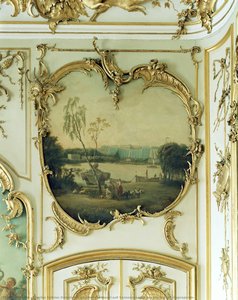
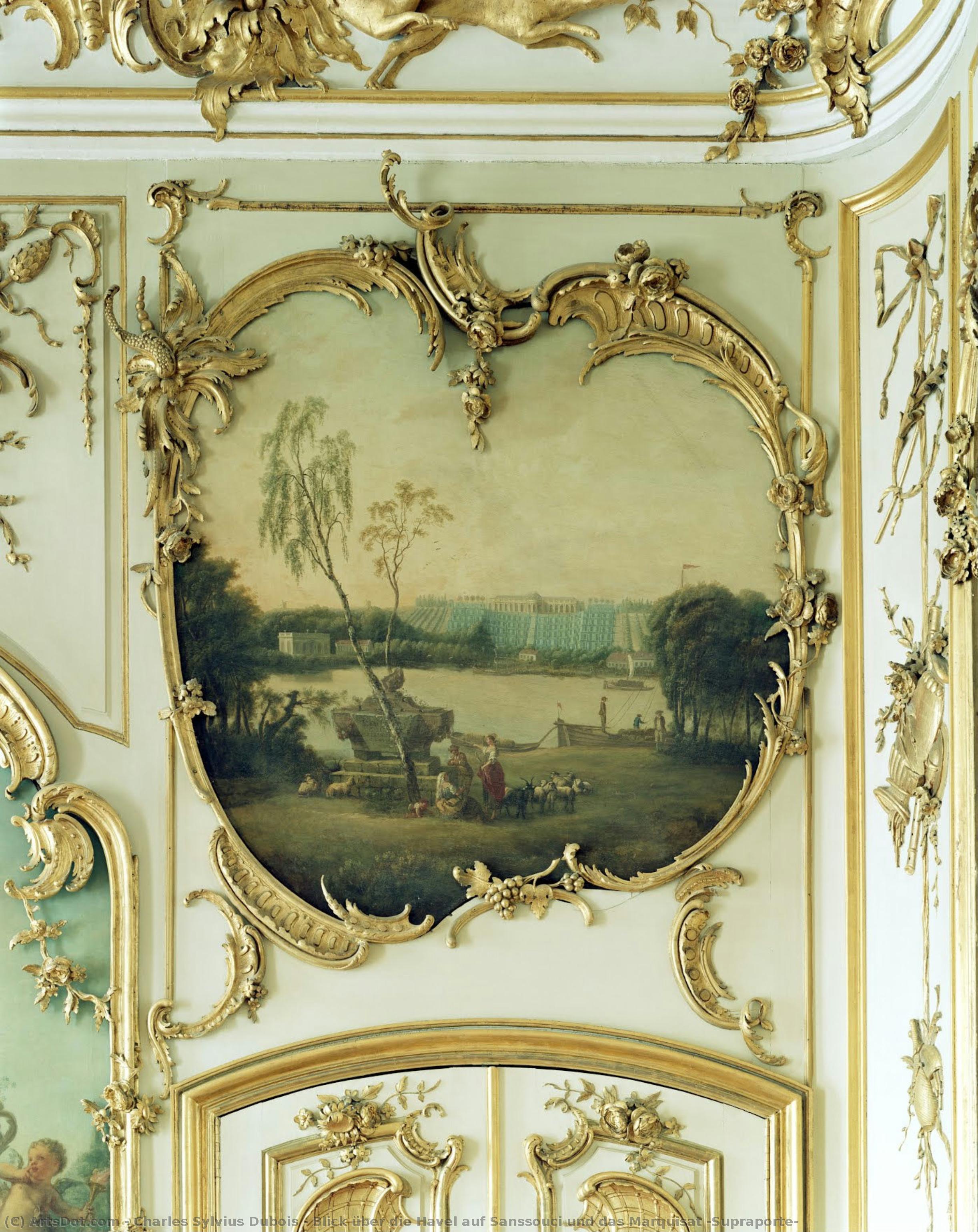
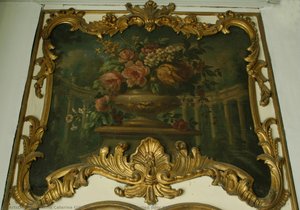
Blick über die Havel auf Sanssouci und das Marquisat (Supraporte)
 Oil On Canvas
- WallArt
- Baroque Landscape Painting
 1747
1747- Renaissance
 178.0 x 168.0 cm
 Sanssouci Palace
 Read More
Hand Made Oil Reproduction
Hand-painted oil on canvas in your size and frame, made to order by our artists. ( Buy Print Buy Image)




P118B $10

P118H $10

P118W $10

P438Z $10

P508JH $12

P508YH $12

P805H $10

P805Z $10

P919BZ $10

P919G $10

P919XJ $10

P959ZH $10

P968JZ $12

W106C $8

W218G $10

W218JH $8

W218Y $10

W307PJ $10

W316G $10

W316PJ $8

W316Y $10

W398PJ $8

W4111J $10

W500HY $15

W500JH $15

W692G $12

W849H $8

W940BG $15

W953PJ $8




Pick from our preset sizes that match the artwork's original proportions.

You may enter your own dimensions to fit a specific frame or space. If your selected size does not match the original image's proportions, we will either crop the artwork or extend the painting with additional hand-painted elements. A digital mockup will be sent for your approval before production begins.
Please note that the on-screen preview does not reflect the actual cropping or extension. Only the mockup will accurately show the final composition.
While custom sizes are available, we recommend selecting a dimension from the predefined list to preserve the original proportions.
After order, ArtsDot.com team will email client for instructions and provide a mockup preview
Worldwide Delivery () in 3/4 weeks instead of standard 5 weeks. (2 September). No compromise on quality.

Free Worldwide Express Shipping

High-Quality Linen Canvas

Full Shipping Insurance

Customs Tax Refund Guarantee

True Color Matching Guarantee

60-Day Return Policy (Defects Only)

100% Money-Back Guarantee

Bulk Discount Offer
 Glass option is only available in size under 110 CM

Blick über die Havel auf Sanssouci und das Marquisat (Supraporte)
Reproduction Medium
Reproduction Size
-


Total Price
$ 263
A Vision of Arcadia: Dubois’ “Blick über die Havel auf Sanssouci und das Marquisat”
Charles Sylvius Dubois’s “Blick über die Havel auf Sanssouci und das Marquisat,” painted in 1747, is more than a picturesque landscape; it's a meticulously crafted illusion of idyllic contentment, a key element within the opulent and profoundly symbolic setting of Schloss Sanssouci. This large-scale oil on canvas (178 x 168 cm) transports the viewer to a realm where classical mythology intertwines with the realities of Prussian courtly life, offering a glimpse into the aspirations of King Friedrich II.
- The Scene: The composition unfolds with masterful precision. In the foreground, a ruinous tomb evokes the spirit of Arcadia, a legendary pastoral paradise – a deliberate reference to the idealized world sought by the enlightened monarch. Scattered shepherds and their flocks add to this sense of timeless tranquility, while the shimmering waters of the Havel reflect the grandeur of Sanssouci itself.
- Realism and Fantasy: Dubois skillfully juxtaposes this fantastical element with a detailed depiction of the real landscape. The terraces of Sanssouci, still partially veiled in glass, are rendered with remarkable accuracy, anchoring the scene in tangible reality. This blending of the imagined and the observed elevates the painting beyond mere representation.
- The Marquisat: A subtle yet significant detail is the inclusion of the Marquisat, a gift from the King to his advisor, the Marquis d’Argens. Its presence subtly reinforces the themes of royal patronage and the strategic deployment of landscape as a tool for projecting power and prestige.
Technique and Artistic Influence
Dubois's brushwork is characterized by a delicate handling of light and shadow, creating a luminous effect that enhances the painting’s ethereal quality. The use of color – predominantly cool blues and greens contrasted with warmer earth tones – contributes to the overall sense of serenity and distance. The artist’s technique demonstrates a clear influence from the Baroque tradition, particularly in its emphasis on dramatic lighting and idealized forms. Notably, the painted frame itself is a key component of the room's decoration, reflecting the integrated nature of the artwork within its intended space.
- Oil on Canvas: Dubois employed oil paints on canvas, a technique that allowed for rich color saturation and subtle gradations in tone – essential for achieving the painting’s atmospheric depth.
- Compositional Balance: The carefully balanced composition, with its diagonal lines and harmonious arrangement of elements, further enhances the painting's visual impact.
Symbolism and Historical Context
“Blick über die Havel auf Sanssouci und das Marquisat” is deeply rooted in the intellectual currents of the 18th century. It reflects King Friedrich II’s desire to create a courtly environment that embodied Enlightenment ideals – a retreat from the complexities of political life, a space for contemplation and artistic cultivation. The painting served as a visual manifesto for this ambition, projecting an image of serene beauty and timeless harmony. The work is inextricably linked to the broader context of Sanssouci’s design and decoration, conceived as a Gesamtkunstwerk – a total work of art – where architecture, sculpture, and painting worked in concert to create a unified aesthetic experience.
A Timeless Masterpiece
This exceptional reproduction captures not only the visual splendor of Dubois's original but also the profound sense of place and purpose that informed its creation. “Blick über die Havel auf Sanssouci und das Marquisat” remains a testament to the power of art to evoke emotion, inspire contemplation, and transport us to another time and place – a timeless vision of Arcadia within the heart of Prussian royalty.
Related Artworks



Artist Biography
Giovanni Battista Piranesi: Architect of Dreams
Born in Venice in 1720, Giovanni Battista Piranesi’s life was a fascinating confluence of artistic ambition, architectural training, and an almost obsessive fascination with the ruins of ancient Rome. More than simply an artist, he considered himself an architect, a scholar, and a visionary—a belief reflected in his extraordinary body of work, particularly his intricate etchings that transported viewers to fantastical realms within the heart of the Roman Empire. His story is one of intellectual curiosity, technical mastery, and a profound yearning to recapture the grandeur and mystery of antiquity.
Piranesi’s early life was shaped by a strong familial connection to the world of building and design. His father was a stonemason, and his uncle, Matteo Lucchesi, held a prestigious position within the Venetian waterworks administration. This provided Piranesi with a solid grounding in structural engineering and architectural principles—skills that would later inform his artistic endeavors. He received a rigorous education, immersing himself in Latin literature and developing a deep appreciation for classical civilization, fueled by his brother’s passion for Roman history. This foundation proved crucial as he transitioned from the practical world of construction to the realm of artistic representation.
The Rise of an Etcher: Venice and Rome
Piranesi's journey into printmaking began in Rome, where he apprenticed under Giuseppe Vasi, a renowned engraver and historian. This experience proved transformative, introducing him to the techniques of etching and providing him with invaluable knowledge of Roman architecture and urban landscape. Vasi recognized Piranesi’s exceptional talent—not merely as an engraver, but as someone capable of capturing the spirit and essence of Rome through his art. He famously urged Piranesi to “be more a painter than an engraver,” acknowledging the artist's innate ability to create evocative images.
Following his apprenticeship, Piranesi embarked on a prolific career producing *vedute* – detailed views of Roman landmarks—a genre that was rapidly gaining popularity among travelers and scholars. These prints were not simply topographical representations; they were imbued with a sense of drama, atmosphere, and often, an almost surreal quality. He skillfully employed perspective and lighting to create illusions of depth and scale, transporting viewers into the heart of ancient Rome. His early works, such as *Prima parte di Architettura e Prospettive* (1743) and *Varie Vedute di Roma Antica e Moderna* (1745), established his reputation as a master of the medium.
The Grotteschi and the Prison Worlds
Piranesi’s most enduring legacy lies in his series of “grotteschi” prints, beginning around 1749. These fantastical images depict labyrinthine subterranean chambers—vast, echoing spaces filled with crumbling columns, flooded corridors, and bizarre rock formations. These weren't intended as realistic depictions but rather as expressions of Piranesi’s imagination, fueled by his fascination with the ruins he encountered during his explorations of Rome. He described these “carceri” (prisons) as a means of exploring architectural possibilities—a space where he could design and realize structures that existed only in his mind.
The *Carceri* are remarkable for their technical complexity, achieved through Piranesi’s masterful manipulation of perspective and light. He meticulously rendered every detail, from the rough texture of the stone walls to the reflections on the water surfaces, creating a sense of immersive realism. These prints weren't merely decorative; they were philosophical meditations on space, time, and the relationship between humanity and the ancient world. They represent a radical departure from traditional landscape views, offering instead an intensely personal and psychologically charged vision.
Legacy and Influence
Giovanni Battista Piranesi’s work profoundly influenced subsequent generations of artists and architects. His innovative use of etching—particularly his exploration of perspective and illusion—inspired numerous printmakers and painters. His *Carceri* became a touchstone for Surrealist artists in the 20th century, who were drawn to their dreamlike qualities and evocative power.
Piranesi’s legacy extends beyond the art world. His meticulous documentation of Roman ruins contributed significantly to the burgeoning field of archaeology, while his writings on architecture and urban planning offered valuable insights into the design and history of ancient cities. He died in Rome in 1778, leaving behind a vast body of work that continues to captivate and inspire audiences today—a testament to the enduring power of imagination and the timeless allure of antiquity.
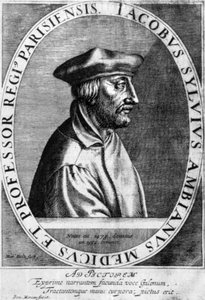
charles sylvius dubois
1720 - 1799 , Germany
Quick Facts
- Artistic Movement Or Style: Neoclassicism, Etcher
- Artists Or Movements Influenced By This Artist:
- Canaletto
- Tiepolo
- Artists Who Influenced This Artist: ['Giuseppe Vasi']
- Date Of Birth: 4 October 1720
- Date Of Death: 9 November 1778
- Full Name: Giovanni Battista Piranesi
- Nationality: Italian
- Notable Artworks:
- Le Carceri d'Invenzione
- Vedute di Roma
- Place Of Birth: Venice, Italy
Related Articles

Giclée Prints: Archival Quality & Aesthetic Nuances for the Discerning Collector
Explore the world of giclée prints with ArtsDot. Learn about archival quality, aesthetic nuances & investment potential. Expert guidance for discerning art collectors seeking museum-quality reproductions and lasting value.

Robert Havell Sr.: Botanical Precision & the Rise of Colour Plate Publishing
Explore the life & work of Robert Havell Sr., a pioneer of botanical illustration and key collaborator with Audubon. Discover his stunning aquatint engravings, artistic techniques, and lasting impact on 19th-century art.

The Enduring Legacy of Fine Art Prints: Technique, History & Aesthetic Impact
Explore the rich history & techniques of fine art prints. Discover investment potential, assess authenticity, and learn how to preserve your collection with expert guidance. Trusted insights for discerning collectors.

Echoes of Time: Exploring the Enduring Appeal & Historical Context of Vintage Art Prints
Explore the captivating world of vintage art prints! Discover their history, collecting tips & enduring appeal. Expert insights on chromolithography and building a legacy collection with ArtsDot.
The Enduring Legacy of Printmaking: Techniques, Themes & Artistic Innovation Across Centuries
Explore the rich history of printmaking with ArtsDot. Discover techniques from intaglio to lithography, learn about collecting valuable prints & find museum-quality reproductions. Expert insights for art enthusiasts and collectors.