 Preview
 Send
Send Share
Share
 Details

 Download
 Similars
 X-Ray
X-Ray Diaporama
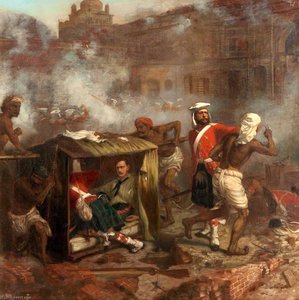
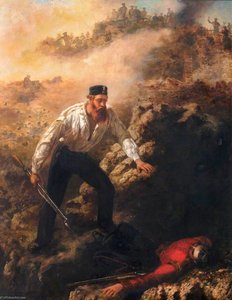
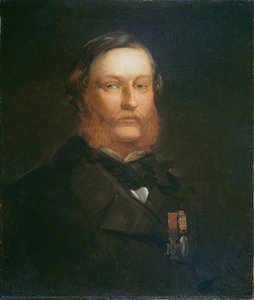
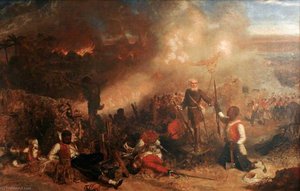
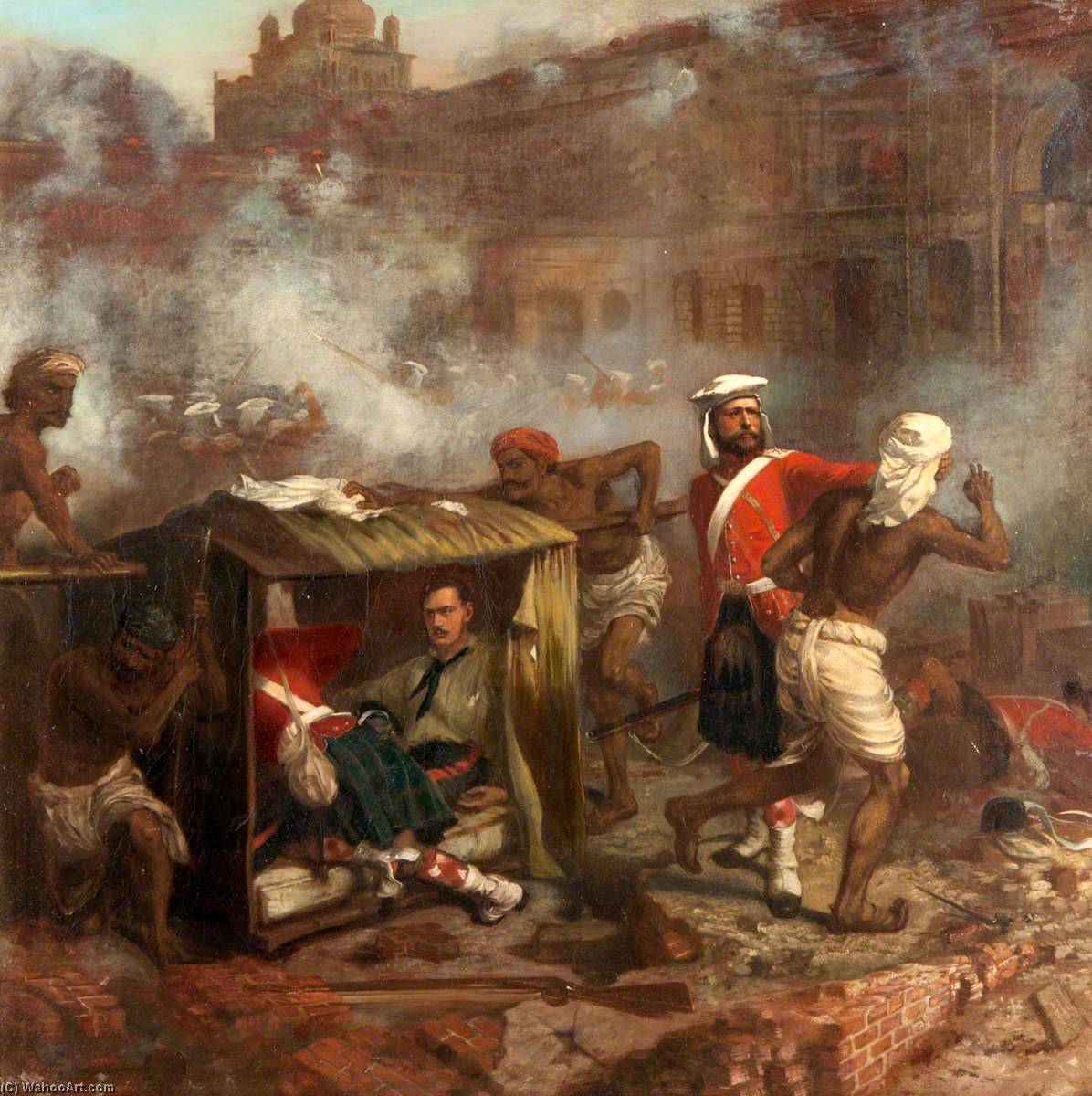
Private Henry Ward (1823–1867), VC, (78th Highlanders at Lucknow, 1857)
 Oil
Oil- WallArt
- Realism
 1857
1857- 19th Century
 77.0 x 78.0 cm
 Read More
Giclée / Art Print
Museum-quality giclée or canvas print with fast production and flexible finish options. ( Buy Hand Made Painting Buy Image)




































Pick from our preset sizes that match the artwork's original proportions.

You may enter your own dimensions to fit a specific frame or space. If your selected size does not match the original image's proportions, we will either crop the artwork or extend the image with a mirrored or solid-fill edge. A digital mockup will be sent for your approval before production begins.
Please note that the on-screen preview does not reflect the actual cropping or extension. Only the mockup will accurately show the final composition.
While custom sizes are available, we recommend selecting a dimension from the predefined list to preserve the original proportions.
Worldwide Delivery () in 2 weeks instead of standard 4/5 weeks. (29 August)

Free Worldwide Express Shipping

High-Quality Linen Canvas

Full Shipping Insurance

Customs Tax Refund Guarantee

True Color Matching Guarantee

60-Day Return Policy (Defects Only)

100% Money-Back Guarantee

Bulk Discount Offer
 Glass option is only available in size under 110 CM

Private Henry Ward (1823–1867), VC, (78th Highlanders at Lucknow, 1857)
Giclée / Art Print
Reproduction Size
-


Total Price
$ 63
A Moment of Valor Amidst the Chaos
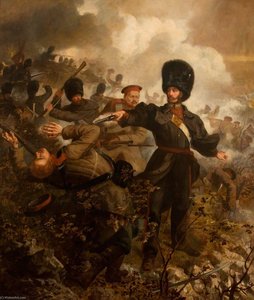
In the heart of the mid-19th century, amidst the smoke and thunder of the Siege of Lucknow, Chevalier Louis William Desanges captured a profound moment of human experience in his evocative work, Private Henry Ward (1823–1867), VC. This painting is not merely a depiction of combat; it is a visceral window into the Indian Rebellion of 1857, rendered with the meticulous eye of an artist who specialized in documenting the very essence of Victorian heroism. The scene unfolds with a breathtaking intensity, pulling the viewer into a landscape where the boundaries between life and death are as thin as the canvas itself. Through his masterful brushwork, Desanges invites us to witness the frantic energy of the battlefield, where the clatter of swords and the discharge of firearms seem almost audible through the visual texture of the piece.
The composition is a masterclass in narrative tension. At the center of this whirlwind of conflict, we find a poignant contrast: the relative stillness of a man seeking refuge beneath the canvas of a tent, juxtaposed against the kinetic desperation of soldiers and civilians caught in the fray. Desanges utilizes a dynamic arrangement of figures—some charging forward with grim determination, others retreating from the encroaching danger—to create a sense of inescapable movement. The presence of horses and even the subtle inclusion of birds scattered throughout the scene serve as powerful symbolic anchors; they remind us that while human history is often written in blood and iron, the natural world remains an indifferent witness to our most violent endeavors. For the discerning collector, this interplay between the domesticity of a temporary shelter and the brutality of war offers a profound psychological depth.
Technically, the painting exemplifies the prestige of Desanges’ style, characterized by a rich, atmospheric use of light and shadow that heightens the drama of the 1857 conflict. His ability to render the textures of military uniforms, the heavy fabric of tents, and the glint of weaponry provides a sense of historical authenticity that is essential for any serious art enthusiast. The color palette, though grounded in the earthy tones of a dusty battlefield, is punctuated by moments of brilliance that guide the eye through the complex layers of the composition. This work does more than commemorate a Victoria Cross recipient; it serves as an emotional bridge to a bygone era of imperial history and individual bravery.
For interior designers and connoisseurs of historical art, this reproduction offers an unparalleled opportunity to introduce a piece of profound narrative weight into a curated space. Whether placed in a study, a library, or a grand hallway, the painting acts as a conversation starter, evoking themes of duty, resilience, and the enduring human spirit. It is a piece that demands attention, not through mere spectacle, but through its ability to transport the observer to a pivotal moment in time, making it an exquisite addition to any collection focused on military history or Victorian fine art.
Related Artworks
Artist Biography
Chevalier Louis William Desanges: A Portraitist of Victorian Valor
Louis William Desanges, born in Bexley, Kent, in 1822, was a British artist whose legacy rests primarily on his evocative and historically significant military portraits. His life, intertwined with the grand narratives of the Victorian era, saw him evolve from depicting historical scenes to becoming a celebrated painter of Victoria Cross recipients – a testament to his skill and an intimate reflection of Britain’s imperial ambitions. Desanges' work offers a fascinating glimpse into the values and ideals of 19th-century England, particularly its reverence for courage, duty, and military prowess.Early Life and Artistic Training
Desanges’ lineage held a subtle yet influential connection to European aristocracy; his great-grandfather had settled in England eighty years prior, granting him the title of “Chevalier,” a mark that subtly informed his artistic approach – one characterized by meticulous detail and an appreciation for formal presentation. Initially, Desanges' artistic pursuits centered on historical subjects, drawing inspiration from classical art and the burgeoning Romantic movement. He spent formative years traveling through France and Italy, absorbing the techniques and aesthetics of these influential artistic centers. This early exposure undoubtedly shaped his understanding of composition, light, and shadow – elements he would later master in his portraits. Returning to London in 1845, he began exhibiting at the Royal Academy between 1846 and 1887, showcasing a diverse range of works including battle scenes like the Battle of Inkermann (though sadly now lost), demonstrating an early ambition and willingness to tackle large-scale historical commissions.The Rise of the Victoria Cross Portraits
A pivotal moment in Desanges’ career arrived through his association with Lord Wantage, a nobleman who had earned the Victoria Cross at the Battle of Alma. Recognizing the public's fascination with military heroism and the desire to commemorate these acts of bravery, Lord Wantage conceived an ambitious project: a series of portraits depicting all recipients of the Victoria Cross. Desanges was commissioned to undertake this monumental task, a commitment that consumed much of his artistic energy for several years. The process involved extensive research, meticulous sketching from life, and a deep understanding of military uniforms and equipment. He didn’t merely paint likenesses; he sought to capture the character and spirit of each individual soldier, conveying their courage, determination, and sacrifice. The resulting paintings were exhibited at the Crystal Palace in 1862 and later at the Egyptian Gallery in Piccadilly, becoming immensely popular and cementing Desanges' reputation as a portraitist of distinction.Technique and Style
Desanges’ style is characterized by its realism and attention to detail. He employed a meticulous approach to rendering fabrics, uniforms, and weaponry, striving for an almost photographic accuracy. His portraits are often imbued with a sense of dignity and solemnity, reflecting the gravity of the subjects' achievements. While influenced by academic traditions, Desanges’ work possesses a subtle warmth and expressiveness that elevates it beyond mere technical proficiency. He skillfully used light and shadow to create depth and volume, drawing the viewer's eye to key features and conveying a sense of presence. His depictions of military scenes, such as “Fighting in the Ashantee Forest,” demonstrate his ability to capture the dynamism and chaos of battle, albeit with a controlled and formal aesthetic.Legacy and Significance
Louis William Desanges died in 1905, leaving behind a significant body of work that continues to fascinate art historians and enthusiasts alike. His Victoria Cross portraits stand as a remarkable tribute to British military heroism and a valuable historical record. The dispersal of these paintings after Lord Wantage’s death underscores their cultural importance, with many now residing in regimental collections across the United Kingdom. Desanges' work offers not only aesthetic pleasure but also a window into the social and political context of Victorian Britain – an era defined by imperial expansion, military prowess, and a fervent belief in national identity. His legacy endures as a testament to the power of art to commemorate history and celebrate human courage.
chevalier louis william desanges
1822 - 1887 , United Kingdom
Quick Facts
- Artistic Movement Or Style: Historical portraits
- Date Of Birth: 1822, Bexley, UK
- Date Of Death: 1887
- Full Name: Chevalier Louis William Desanges
- Nationality: British
- Notable Artworks: ['The Earl of Derby']
- Place Of Birth: Bexley, United Kingdom
Related Articles
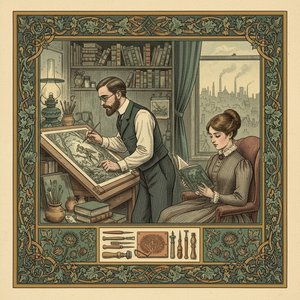
The Refined Aesthetic of Victorian Illustration: A Study in Narrative & Technique
Explore the captivating world of Victorian illustration! Discover Pre-Raphaelite influences, key artists like Rossetti & Stephens, and the era's rich narrative detail. A deep dive for art enthusiasts.
William Powell Frith: Narratives of Victorian Society & the Rise of Realist Painting
Explore the life & works of William Powell Frith, the 'greatest British painter of social scenes.' Discover his iconic Victorian genre paintings and learn about his lasting impact on realist art. Hand-painted reproductions available.
Dante Gabriel Rossetti's 25 Masterpieces: A Journey Through Victorian Art & Symbolism | ArtsDot
Explore 25 iconic artworks by Dante Gabriel Rossetti, a leading Pre-Raphaelite artist. Discover the stories behind masterpieces like 'Proserpine' & 'Beata Beatrix'. Find museum-quality art reproductions and elevate your home decor with ArtsDot.com.
Frederick Morgan: A Study in Aestheticism & Victorian Beauty
Explore the captivating world of Frederick Morgan, a key figure in Victorian Aestheticism. Discover his beautiful paintings, recurring themes, and lasting legacy with our expert analysis. Learn more today!
William Salter: A Life Immersed in Colour – Victorian Botanical Art & Social Vision
Explore the life & art of William Salter (1804-1875), a Victorian master renowned for his botanical illustrations and striking portraits. Discover his social vision & legacy at ArtsDot.