 Preview
 Send
Send Share
Share
 Details

 Download
 Similars
 X-Ray
X-Ray Diaporama
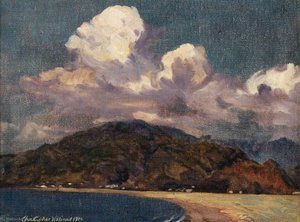
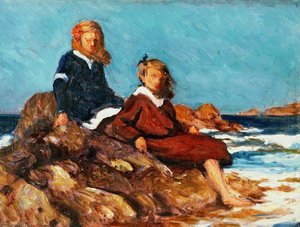
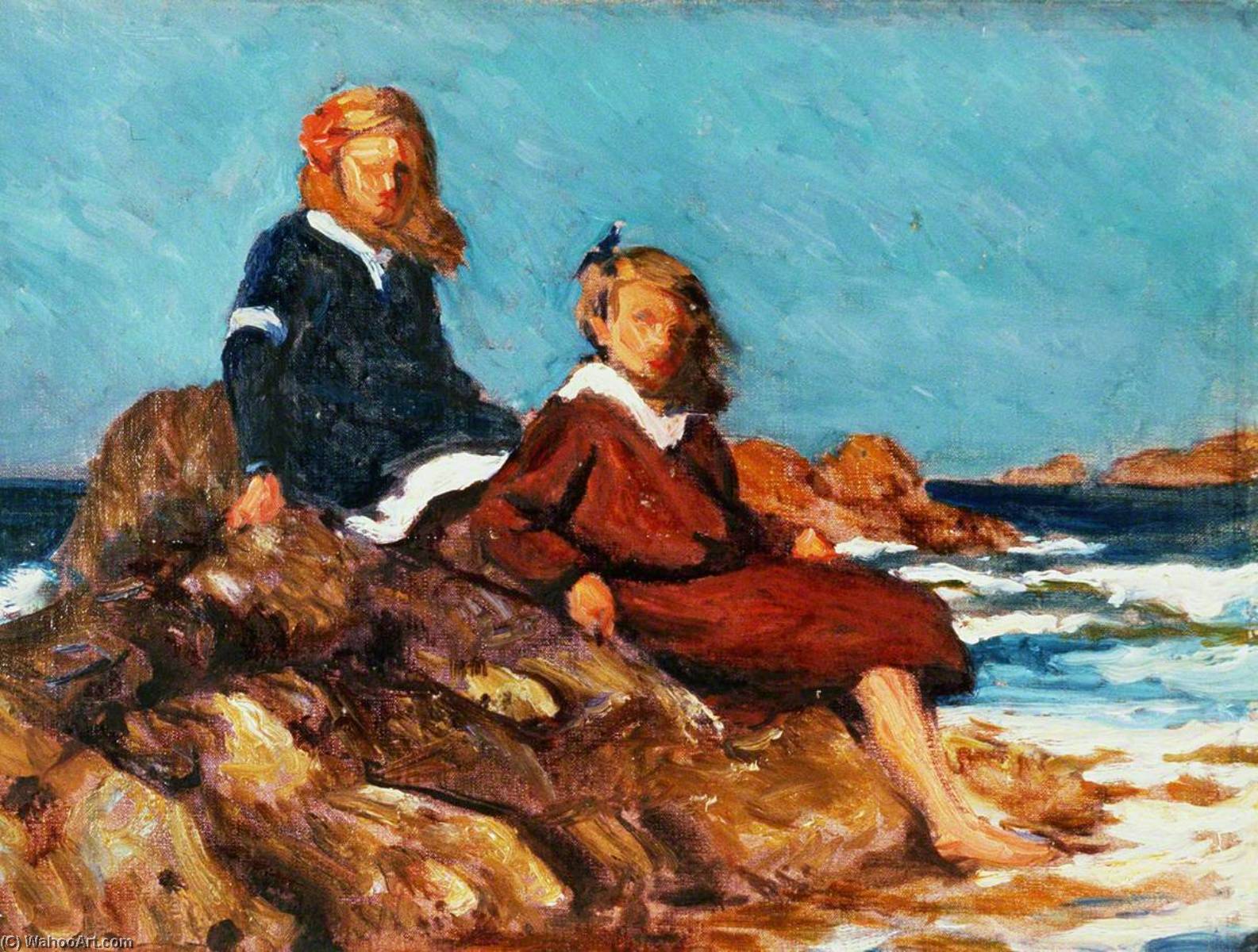
Holidays, Village Girls at Llangrannog
 Oil On Canvas
- WallArt
- Celtic Revival
 1915
1915- Early Modern
 29.0 x 39.0 cm
 Llyfrgell Genedlaethol Cymru / The National Library of Wales
 Read More
Hand Made Oil Reproduction
Hand-painted oil on canvas in your size and frame, made to order by our artists. ( Buy Print Buy Image)




P118B $10

P118H $10

P118W $10

P438Z $10

P508JH $12

P508YH $12

P805H $10

P805Z $10

P919BZ $10

P919G $10

P919XJ $10

P959ZH $10

P968JZ $12

W106C $8

W218G $10

W218JH $8

W218Y $10

W307PJ $10

W316G $10

W316PJ $8

W316Y $10

W398PJ $8

W4111J $10

W500HY $15

W500JH $15

W692G $12

W849H $8

W940BG $15

W953PJ $8




Pick from our preset sizes that match the artwork's original proportions.

You may enter your own dimensions to fit a specific frame or space. If your selected size does not match the original image's proportions, we will either crop the artwork or extend the painting with additional hand-painted elements. A digital mockup will be sent for your approval before production begins.
Please note that the on-screen preview does not reflect the actual cropping or extension. Only the mockup will accurately show the final composition.
While custom sizes are available, we recommend selecting a dimension from the predefined list to preserve the original proportions.
After order, ArtsDot.com team will email client for instructions and provide a mockup preview
Worldwide Delivery () in 3/4 weeks instead of standard 5 weeks. (16 August). No compromise on quality.

Free Worldwide Express Shipping

High-Quality Linen Canvas

Full Shipping Insurance

Customs Tax Refund Guarantee

True Color Matching Guarantee

60-Day Return Policy (Defects Only)

100% Money-Back Guarantee

Bulk Discount Offer
 Glass option is only available in size under 110 CM

Holidays, Village Girls at Llangrannog
Reproduction Medium
Reproduction Size
-


Total Price
$ 263
Artwork Description
A Day by the Sea: Capturing Childhood Innocence
Christopher Williams’s Holidays, Village Girls at Llangrannog transports the viewer to a sun-drenched moment of pure, unadulterated joy. This painting is more than just a depiction of two girls on a rocky shore; it is an exquisite meditation on the simple pleasures of youth and companionship. The scene unfolds with remarkable naturalism, placing the figures against the vast, rhythmic expanse of the ocean. One can almost hear the gentle lapping of waves and feel the salt spray on the breeze. The composition centers around the girls, whose elegant dresses speak to a bygone era of seaside leisure, while their gazes are fixed outward, suggesting shared dreams or whispered secrets carried away by the tide.
The Allure of Welsh Life and Artistic Context
Painted around 1915, this work sits beautifully within the context of the early 20th-century fascination with regional identity, particularly evident in Williams’s deep connection to his native Wales. While the artist is celebrated for his evocative portraits and allegorical pieces reflecting the Celtic Revival spirit, here he channels that same romanticism into a pastoral scene. The inclusion of the dog adds a touch of rustic companionship, grounding the ethereal quality of the girls' moment in tangible reality. It speaks to a time when leisure was often tied closely to the natural landscape, making this painting a poignant artifact of early 20th-century seaside life.
Technique and Visual Harmony
Williams employs a masterful technique that balances detailed portraiture with sweeping atmospheric backgrounds. The handling of light is particularly noteworthy; it seems to emanate from the water itself, catching the folds of their garments and illuminating the textures of the rocks beneath them. For those considering a reproduction for your home or gallery, understanding this interplay between figure and environment is key. The artist’s ability to render both the delicate skin tones and the deep, cool blues of the sea with such convincing harmony elevates the piece beyond mere genre painting into something truly timeless.
Symbolism of Place and Passage
The setting at Llangrannog itself imbues the artwork with symbolic weight. The ocean, in art history, has always represented the unknown, the passage of time, and emotional depth. By placing the girls—symbols of burgeoning life—at the edge of this vast expanse, Williams suggests a threshold moment: the beautiful, fleeting boundary between childhood innocence and the mysteries that await beyond the horizon. It invites contemplation on memory itself; what moments do we hold onto as if they were perpetually happening?
Bringing Coastal Serenity Home
For collectors and interior designers alike, this piece offers an unparalleled infusion of serene, nostalgic beauty. Whether displayed in a sunlit drawing-room or a space that echoes the spirit of coastal living, Holidays, Village Girls at Llangrannog acts as a visual balm. It captures not just a day out, but a feeling—the perfect confluence of friendship, nature’s grandeur, and the sweet ache of moments already passed.
Related Artworks

Artist Biography
Christopher Williams: A Life in Art
Christopher David Williams (1873-1934) was a celebrated Welsh artist whose career spanned the late Victorian and early 20th centuries. He is particularly remembered for his evocative portraits, allegorical scenes, and landscapes that often reflected a strong sense of Welsh identity and the spirit of the Celtic Revival.
Early Life and Education
Born in Maesygwrath, Wales, Williams initially faced opposition from his father, Evan Williams, who envisioned a medical career for him. However, a transformative visit to the Walker Art Gallery in Liverpool in 1892, where he was deeply moved by Frederick Leighton’s *Perseus and Andromeda*, ignited his passion for art. This experience solidified his determination to pursue a life as an artist.
Artistic Development and Influences
- Early Training: Williams began his formal artistic training at the Neath Technical Institute under Mr. Kerr in 1892-1893.
- Royal College of Art & Royal Academy Schools: He continued his studies at the Royal College of Art for three years, followed by further education at the Royal Academy Schools from 1896 to 1901.
- Key Influences: Frederick Leighton was a significant early influence, inspiring Williams’s academic approach and attention to detail. He also drew inspiration from Pre-Raphaelite aesthetics and the broader artistic currents of the Celtic Revival.
Major Achievements and Recognition
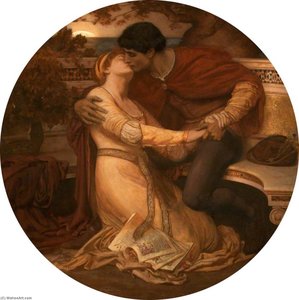
- Royal Academy Exhibitions: Williams first exhibited at the Royal Academy in 1902 with *Paolo and Francesca*, followed by a portrait of his father in 1903. He went on to exhibit eighteen paintings there throughout his career.
- Royal Society of British Artists: In 1910, he was invited to join the Royal Society of British Artists, exhibiting thirty-seven paintings with them over the next decade.
- Royal Commission: A pivotal moment came in 1911 when King George V commissioned Williams to create a commemorative painting of the investiture of Edward, Prince of Wales at Caernarfon Castle. He completed two versions of this important work.
- Portraiture: Williams became highly sought after as a portraitist, creating likenesses of prominent figures such as David Lloyd George, Sir John Williams, and Sir Henry Jones.
Themes and Style
Williams’s work is characterized by:
- Portraiture: His portraits are known for their psychological depth and realistic rendering of his subjects.
- Celtic Revival: He frequently explored themes from Welsh mythology and folklore, particularly in paintings like *Ceridwen* and *Branwen*, inspired by the Mabinogion.
- Landscape Painting: Williams painted landscapes extensively throughout Wales, as well as during travels to Switzerland, Italy, France, Spain, Morocco, and Holland.
- Allegorical Scenes: He often incorporated allegorical elements into his work, imbuing it with symbolic meaning.
Historical Significance and Legacy
Christopher Williams played a significant role in promoting Welsh art and culture during his lifetime. He actively participated in the National Eisteddfod as an adjudicator and served on committees for the National Museum of Wales and the Honourable Society of Cymmrodorion. His work reflects a strong sense of national identity and contributed to the artistic flourishing of Wales in the early 20th century.
His paintings are held in numerous public collections, including the National Museum of Wales, the Royal Collection, and the Glynn Vivian Art Gallery, ensuring his legacy continues to inspire and captivate audiences today. He was a brother-in-law to fellow artist Fred Appleyard, and father to astronomer Evan Gwyn Williams and artist Ivor Williams.

christopher williams
1873 - 1934 , United States of America
Quick Facts
- Birth Date: 1873
- Birth Place: Maesygwrath, Wales
- Death Date: 1934
- Influenced By: Frederick Leighton
- Movement: Celtic Revival, Victorian painting
- Name: Christopher Williams
- Nationality: Welsh
- Notable Works: The Awakening of Wales, Paolo and Francesca, portraits of David Lloyd George
Related Articles

The Enduring Legacy of Oil on Canvas: Technique, History & Aesthetic Impact
Explore the rich history & techniques of oil painting – from Renaissance masters to Impressionism. Discover pigments, layering methods, and why this timeless medium endures. Expert insights for artists & art enthusiasts.

Oil on Canvas: A Historical & Technical Exploration of a Timeless Artistic Medium
Explore the rich history & enduring techniques of oil painting on canvas. Discover the science behind its longevity, conservation practices, and contemporary relevance. Expert insights for art enthusiasts.

The Enduring Power of Painting: A Historical & Contemporary Exploration of Form and Emotion
Explore the rich history & enduring techniques of oil painting with ArtsDot. Discover masterpieces, learn about art collecting, and find authentic handmade reproductions crafted by skilled artists.

The Enduring Legacy of Oil on Canvas: Technique, History & Contemporary Practice
Explore the rich history & enduring techniques of oil painting on canvas. Discover the science behind its longevity, conservation practices, and contemporary relevance. Expert insights for art enthusiasts.
Oil on Board: A Historical Survey of Technique, Aesthetic Qualities & Enduring Appeal
Explore the rich history of oil on board painting! Discover techniques, aesthetic qualities & enduring appeal from early masters to modern practice. Expert insights for collectors and art enthusiasts.