 Preview
 Send
Send Share
Share
 Details

 Download
 Similars
 X-Ray
X-Ray Diaporama
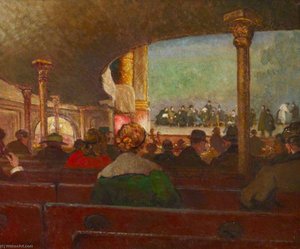
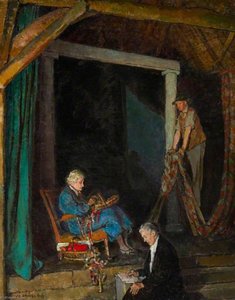
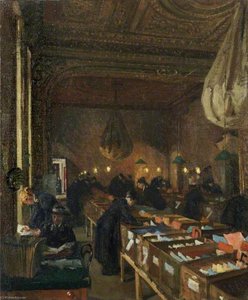
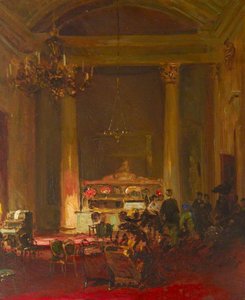
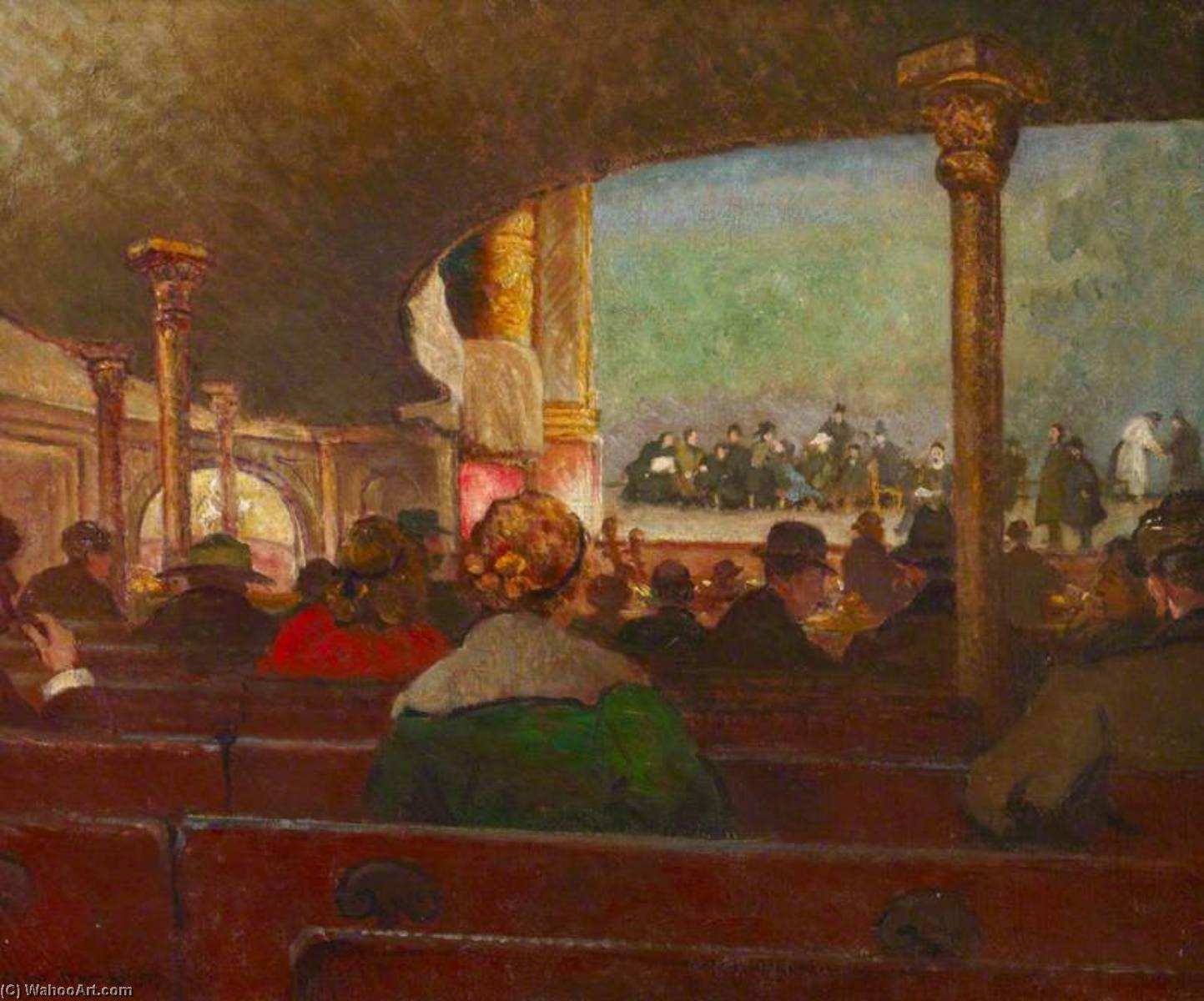
The Rehearsal, Drury Lane
 Oil On Canvas
- WallArt
- Early Twentieth Century
 1917
1917- Modern
 51.0 x 61.0 cm
 National Trust
 Read More
Giclée / Art Print
Museum-quality giclée or canvas print with fast production and flexible finish options. ( Buy Hand Made Painting Buy Image)




P118B $10

P118H $10

P118W $10

P438Z $10

P508JH $12

P508YH $12

P805H $10

P805Z $10

P919BZ $10

P919G $10

P919XJ $10

P959ZH $10

P968JZ $12

W106C $8

W218G $10

W218JH $8

W218Y $10

W307PJ $10

W316G $10

W316PJ $8

W316Y $10

W398PJ $8

W4111J $10

W500HY $15

W500JH $15

W692G $12

W849H $8

W940BG $15

W953PJ $8




Pick from our preset sizes that match the artwork's original proportions.

You may enter your own dimensions to fit a specific frame or space. If your selected size does not match the original image's proportions, we will either crop the artwork or extend the image with a mirrored or solid-fill edge. A digital mockup will be sent for your approval before production begins.
Please note that the on-screen preview does not reflect the actual cropping or extension. Only the mockup will accurately show the final composition.
While custom sizes are available, we recommend selecting a dimension from the predefined list to preserve the original proportions.
Worldwide Delivery () in 2 weeks instead of standard 4/5 weeks. (22 August)

Free Worldwide Express Shipping

High-Quality Linen Canvas

Full Shipping Insurance

Customs Tax Refund Guarantee

True Color Matching Guarantee

60-Day Return Policy (Defects Only)

100% Money-Back Guarantee

Bulk Discount Offer
 Glass option is only available in size under 110 CM

The Rehearsal, Drury Lane
Giclée / Art Print
Reproduction Size
-


Total Price
$ 63
Collectible Description
A Glimpse Behind the Velvet Curtain
In the quiet, focused moments before the grand spectacle begins, Clare Atwood captures a world of anticipation in her evocative 1917 masterpiece, The Rehearsal, Drury Lane. This oil on canvas invites the viewer to step away from the bright lights of the finished performance and into the intimate, shadowed atmosphere of the theater during its most vulnerable stage. The scene is set within the historic Drury Lane, where the air feels thick with the collective breath of an audience gathered not for glamour, but for the raw process of creation. Through Atwood’s masterful eye, we witness a community of observers—some leaning forward in rapt attention, others lost in quiet contemplation—all united by the shared magic of the stage.
The composition is a delicate dance of light and shadow, pulling the eye from the darkened rows of the audience toward the partially drawn curtain that reveals the unfolding drama. Atwood utilizes a sophisticated palette to evoke the textures of the era; the subtle interplay of light on fabric, the soft contours of faces in the dimness, and the structural weight of the theater itself all contribute to a sense of profound realism. Her technique, rooted in her prestigious training at the Slade School of Fine Art, allows for a painterly touch that avoids rigid lines, opting instead for a fluid, atmospheric quality that mimics the way memory captures a fleeting moment of beauty.
The Soul of the Spectacle
Beyond its technical prowess, The Rehearsal serves as a poignant window into the social fabric of early 20th-century London. The attire of the spectators—ranging from formal ties to more casual, everyday garments—speaks to the democratic nature of the theater, where different strata of society converge under the shared pursuit of art. There is a profound sense of symbolism in the act of rehearsal itself; it represents the labor, the imperfection, and the dedication required before perfection can be achieved. The clasped hands and intense gazes of the onlookers symbolize a deep-seated human connection to storytelling and the communal experience of witnessing a narrative take shape.
For the discerning collector or interior designer, this painting offers more than mere decoration; it provides an emotional anchor for a room. Its rich, historical depth makes it an exquisite centerpiece for a study, a library, or a sophisticated lounge, where its themes of introspection and creativity can resonate with guests. As a high-quality reproduction, the work preserves the nuanced brushwork and the somber, elegant tones that define Atwood’s legacy. It is an invitation to pause, to observe, and to find beauty in the quiet, unpolished moments that precede the standing ovation.
Related Artworks

Artist Biography
A Life Intertwined with Art and Affection
Clare ‘Tony’ Atwood, born Clara Atwood in Richmond, United Kingdom, in 1866, was a British painter whose artistic journey unfolded against the backdrop of significant social change and personal complexity. Her life wasn't simply one dedicated to canvas and color; it was a tapestry woven with unconventional relationships and a quiet defiance of societal norms. From her formal training at Westminster School of Art and the Slade School of Fine Art – where she likely absorbed influences from masters like Henry Tonks and Philip Wilson Steer – Atwood embarked on a career that spanned portraits, still lifes, landscapes, interiors, and delicate floral studies. However, it is perhaps her intimate connection with Christabel Marshall and Edith Craig that casts an enduring light upon her story, forming a remarkable *ménage à trois* from 1916 until Craig’s passing in 1947. This unconventional arrangement wasn't merely a personal matter; it was reflective of the burgeoning bohemian circles of early 20th-century Britain, spaces where artistic expression and alternative lifestyles found refuge.Navigating War and Witnessing Change
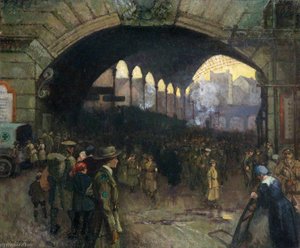
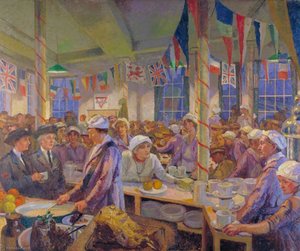
Atwood’s artistic career gained momentum in the pre-war years, with initial recognition at the New English Art Club in 1893 and membership attained in 1912, alongside a solo exhibition at the Carfax Gallery. However, it was the outbreak of World War I that brought her work into sharper focus, albeit through the lens of national crisis. She received significant commissions from both the Canadian Government and the Imperial War Museum, tasked with documenting the impact of conflict on British life. Unlike many war artists who focused on battlefields, Atwood chose to depict more poignant scenes – the bustling yet melancholic atmosphere of a London railway station as troops prepared for deployment, and the quiet moments of respite offered by canteens like the one at London Bridge YMCA. Her painting *Christmas Day at the London Bridge Young Men's Christian Association Canteen*, featuring Ellen Terry and Princess Helena Victoria visiting soldiers, is particularly notable for its sensitive portrayal of wartime camaraderie and the vital role played by women in supporting the troops. This commission led to four further war paintings for the Imperial War Museum, solidifying her position as a documentarian of a nation at war.Beyond the Battlefield: A Versatile Vision
While Atwood’s war-related works are historically significant, they represent only one facet of her artistic talent. She possessed a remarkable versatility, moving seamlessly between genres and demonstrating a keen eye for detail and atmosphere. Her interiors, in particular, reveal a mastery of light and shadow, capturing the essence of domestic life with an understated elegance. Landscapes offered opportunities to explore color and texture, while her still lifes showcased a refined sensibility and appreciation for natural beauty. This breadth of subject matter speaks to Atwood’s intellectual curiosity and her refusal to be confined by artistic convention. She wasn't simply replicating what she saw; she was interpreting it through her own unique perspective, imbuing each work with a sense of quiet contemplation.A Bohemian Spirit and Lasting Legacy
Atwood’s personal life was inextricably linked to the theatrical world of Edith Craig and the literary circles surrounding Christabel Marshall. As an active participant in Craig's Pioneer Players, she designed props – including a striking 16-foot crucifix for a production of Paul Claudel’s *The Hostage* – and even took on acting roles at the Barn Theatre at Smallhythe Place, founded by Craig as a memorial to her mother, Ellen Terry. This involvement in the arts extended beyond painting; it was a holistic embrace of creativity and collaboration. Her connection to these women placed her firmly within the LGBTQ+ community of early 20th-century Britain, offering kinship and support during a time when such relationships were often hidden or condemned. Today, Clare Atwood’s artistic legacy endures through the presence of her works in prestigious collections like the Tate Collection, the V&A, and the Imperial War Museum, as well as galleries across the UK and even the National Art Gallery of New Zealand. Her paintings serve not only as beautiful examples of British art but also as poignant reminders of a life lived with passion, independence, and an unwavering commitment to artistic expression.Collections & Further Exploration
- Tate Collection: Holding significant works demonstrating her range.
- V&A (Victoria and Albert Museum): Featuring pieces from her wartime commissions and personal life documentation.
- Imperial War Museum: Showcasing her powerful depictions of the First World War’s impact.
- Victoria Art Gallery (Bath): Contributing to their collection of British art.
- Glasgow, Manchester, Liverpool Galleries: Representing regional appreciation for her work.
- National Art Gallery of New Zealand: Demonstrating international recognition and influence.
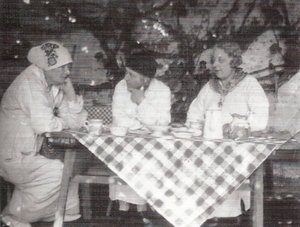
Clare Atwood
1866 - 1962 , United Kingdom
Quick Facts
- Artistic Movement Or Style: Impressionism
- Artists Who Influenced This Artist:
- Henry Tonks
- Philip Brown
- Date Of Birth: 1866
- Date Of Death: 1962
- Full Name: Clare Atwood
- Nationality: British
- Notable Artworks:
- Finis
- Christmas Day at the London...
- Olympia in War Time
- Place Of Birth: Richmond, UK
Related Articles
Fitz Henry Lane: Luminosity, Landscape & the American Maritime Tradition – A Collector’s Insight
Explore the luminous world of Fitz Henry Lane, a master of American maritime painting & Luminism. Discover his legacy, techniques, and investment potential for discerning art collectors. Expert insights at ArtsDot.
Masterpieces of Boston: Explore 25 Iconic Artworks | ArtsDot
Journey through 25 iconic artworks at Boston's MFA! Explore masterpieces by Monet, Sargent, Van Gogh & more. Discover art history, techniques & find museum-quality reproductions for your home on ArtsDot.com.

Mitigating Uncertainty in Art Commissioning: A Multi-Stage Preview Process for Collector Confidence & Creative Collaboration
Navigate art commissions with confidence. Explore strategies to mitigate risk, foster collaboration & ensure a successful outcome. Expert guidance for collectors seeking bespoke artwork and lasting value.
Illuminating Rembrandt's Chiaroscuro in The Night Watch - Nature
Explore the brilliance of Rembrandt's chiaroscuro technique & the Dutch Golden Age. Discover iconic artworks, expert analysis, and museum-quality reproductions at ArtsDot.com.

Hokusai's Masterpieces: 25 Iconic Prints & Paintings for Art Lovers | ArtsDot
Journey through Katsushika Hokusai’s 25 most iconic artworks, including *The Great Wave*. Explore the ukiyo-e master's history, style & timeless Japanese woodblock prints. Find museum-quality reproductions for your home at ArtsDot.com.