 Preview
 Send
Send Share
Share
 Details

 Download
 Similars
 X-Ray
X-Ray Diaporama
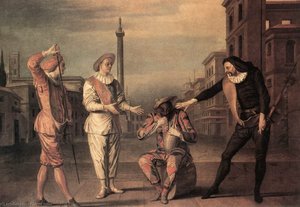
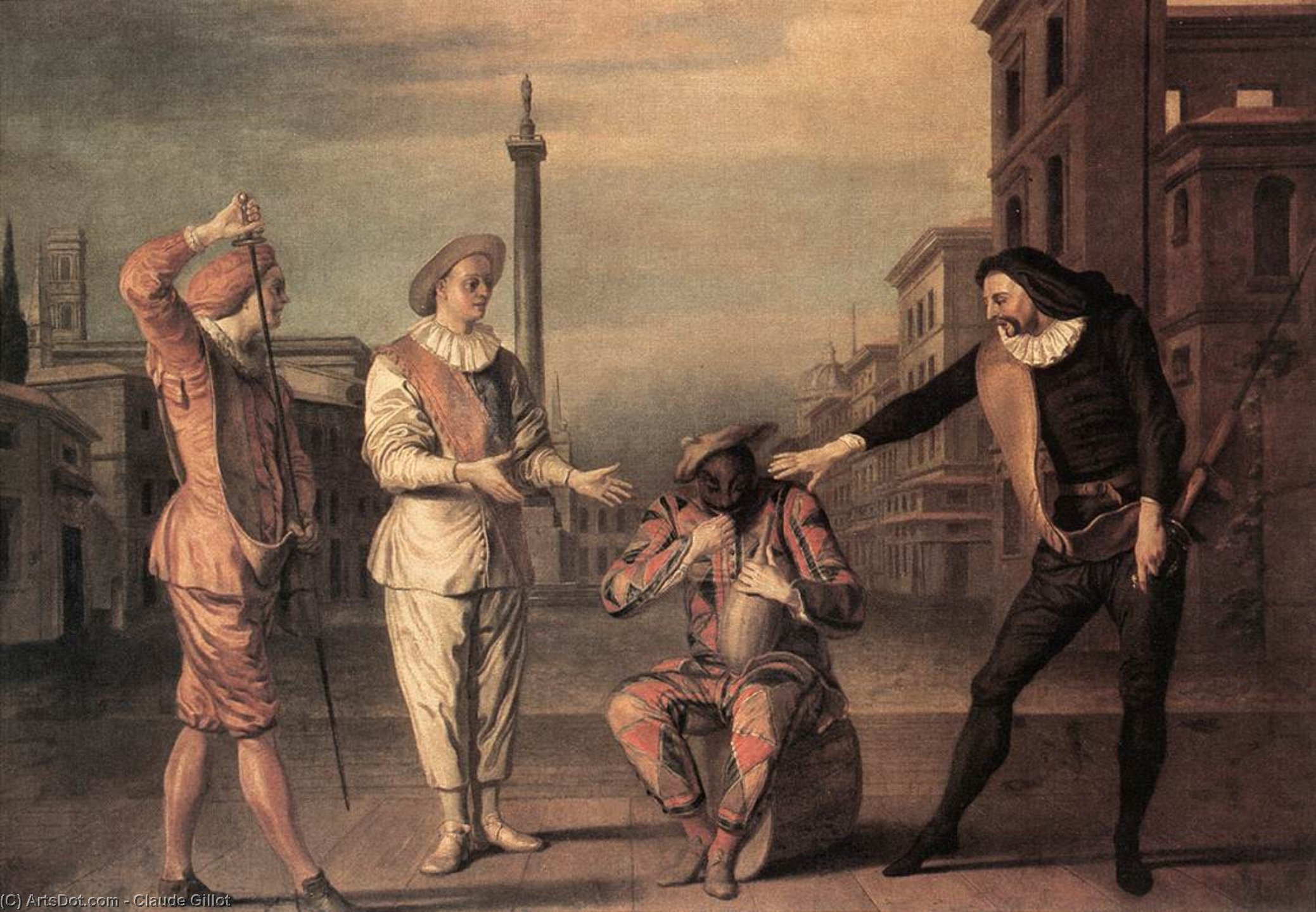
Scene from the 'Master Andrew's Tomb'
 Acrylic On Canvas
- WallArt
- Baroque Drama
 1707
1707 100.0 x 139.0 cm
 The Louvre
 Read More
Hand Made Oil Reproduction
Hand-painted oil on canvas in your size and frame, made to order by our artists. ( Buy Print Buy Image)




P118B $10

P118H $10

P118W $10

P438Z $10

P508JH $12

P508YH $12

P805H $10

P805Z $10

P919BZ $10

P919G $10

P919XJ $10

P959ZH $10

P968JZ $12

W106C $8

W218G $10

W218JH $8

W218Y $10

W307PJ $10

W316G $10

W316PJ $8

W316Y $10

W398PJ $8

W4111J $10

W500HY $15

W500JH $15

W692G $12

W849H $8

W940BG $15

W953PJ $8




Pick from our preset sizes that match the artwork's original proportions.

You may enter your own dimensions to fit a specific frame or space. If your selected size does not match the original image's proportions, we will either crop the artwork or extend the painting with additional hand-painted elements. A digital mockup will be sent for your approval before production begins.
Please note that the on-screen preview does not reflect the actual cropping or extension. Only the mockup will accurately show the final composition.
While custom sizes are available, we recommend selecting a dimension from the predefined list to preserve the original proportions.
After order, ArtsDot.com team will email client for instructions and provide a mockup preview
Worldwide Delivery () in 3/4 weeks instead of standard 5 weeks. (21 August). No compromise on quality.

Free Worldwide Express Shipping

High-Quality Linen Canvas

Full Shipping Insurance

Customs Tax Refund Guarantee

True Color Matching Guarantee

60-Day Return Policy (Defects Only)

100% Money-Back Guarantee

Bulk Discount Offer
 Glass option is only available in size under 110 CM

Scene from the 'Master Andrew's Tomb'
Reproduction Medium
Reproduction Size
-


Total Price
$ 263
Artwork Description
A Moment Frozen in Time: Exploring Claude Gillot's Dramatic Depiction
Claude Gillot (1673 – 1722) stands as a cornerstone of late Baroque French art, celebrated primarily for his masterful assimilation of Watteau and Lancret—artists who fundamentally reshaped the aesthetic sensibilities of their era. Born in Langres, Burgundy, Gillot’s artistic journey transcended conventional boundaries; he wasn't merely a painter but also an engraver, theatrical designer, and metalworker – a rare combination reflecting the intellectual ferment of his time.
His formative years were spent under Jean Watteau’s tutelage around 1703, immersing him in Watteau’s ethereal pastel landscapes and aristocratic scenes—the very embodiment of “fête champêtre,” or pastoral fête. This stylistic influence would permeate Gillot's subsequent works, establishing a visual language characterized by delicate brushstrokes and an idealized portrayal of nature.
Theatrical Influence: Gillot’s Collaboration with Parisian Stagecraft
However, Gillot’s artistic development found its most potent expression in collaboration with the vibrant theatrical world of Paris. He became a prolific scenographer and costume designer for operas and comedies alike, injecting dynamism and visual splendor into performances. This engagement honed his ability to convey emotion through composition and color—skills that would prove invaluable in capturing the dramatic tension inherent in his paintings.
Technical Mastery: Charcoal, Watercolor, and Gouache – A Symphony of Texture
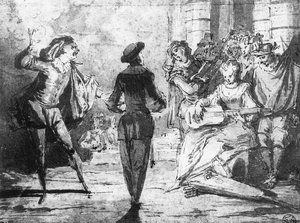
“Scene from The Tomb of Master André,” created circa 1705/1708, exemplifies Gillot’s technical prowess. Executed primarily in charcoal, watercolor, and pen and black ink over graphite with subtle corrections achieved through gouache, the painting demonstrates a meticulous attention to detail. Gillot skillfully layered textures—the rough grain of charcoal juxtaposed against the fluidity of watercolor—to create an image brimming with palpable atmosphere.
Symbolism Within Baroque Drama: The Narrative Power of Gesture
Beyond mere visual beauty lies a profound narrative depth. The central figures – a kneeling man and another pointing – embody a moment of intense deliberation and instruction, mirroring the conventions of Baroque drama. Gillot’s masterful use of gesture communicates unspoken emotion and elevates the scene beyond a simple depiction; it invites contemplation on themes of authority, faith, and human interaction.
A Legacy Preserved: The Painting's Significance Today
Currently housed at the National Gallery of Art in Washington D.C., “Scene from The Tomb of Master André” continues to captivate viewers with its evocative portrayal of Baroque theatricality. Its enduring appeal stems not only from Gillot’s technical brilliance but also from his ability to distill complex ideas into a visually arresting composition—a testament to the power of art to transcend time and resonate with audiences across generations.
Related Artworks

Artist Biography
The Architect of Baroque Splendor
Claude Gillot (1673–1722) remains a luminous figure in the tapestry of late Baroque France, an artist whose versatile hand touched nearly every facet of the visual culture of his era. Born in the historic town of Langres, north of Dijon, Gillot’s early creative impulses were nurtured by his father before he ventured to Paris to refine his craft. His artistic journey was far from linear; he was a true polymath of the arts, moving with ease between the delicate precision of printmaking, the structural demands of metalworking, and the grand-scale imagination required for theatrical design. This multidisciplinary foundation allowed him to approach the canvas not merely as a surface for pigment, and but as a stage where light, movement, and drama could converge.
The trajectory of Gillot’s career was profoundly shaped by his apprenticeship under the legendary Jean Watteau around 1703. From Watteau, he absorbed the ethereal qualities of the emerging fête champêtre style—a genre characterized by pastoral elegance and aristocratic leisure. Yet, while he inherited this delicate sensibility, Gillot infused it with a unique vigor derived from his work in the Parisian theater. His extensive collaborations with playwrights and composers to design elaborate sets and costumes for operas and comedies instilled in him a mastery of visual storytelling. He understood how to direct the viewer's eye through composition, using the theatricality of costume and scenery to breathe life into mythological and contemporary narratives alike.
A Mastery of Myth and Motion
Gillot’s ascent within the prestigious Académie Royale de peinture et de sculpture in 1715 marked a definitive moment in his professional life, signaling his recognition as a master of monumental composition. His breakthrough was anchored by works that celebrated the grandeur of classical antiquity through a contemporary lens. In masterpieces such as “Feast of Pan” and “Feast of Bacchus,” Gillot demonstrated an extraordinary ability to blend the divine with the terrestrial. These canvases were not merely depictions of myth; they were sensory experiences, where the lushness of the landscape met the exuberant energy of mythological revelry.
His technique was characterized by a sophisticated use of color and form that could shift from the soft, dreamlike textures reminiscent of his mentor to a more robust, dramatic Baroque intensity. This versatility allowed him to capture the very essence of the commedia dell’arte, bringing the wit and character of masked performers to life with a sense of spontaneous motion. Through his engravings and paintings, he documented the social graces and theatrical whimsies of the French court, creating a visual record that was as much about the spirit of the age as it was about the subjects themselves.
Legacy of the Rococo Prelude
As the art world began to transition from the heavy grandeur of the Baroque toward the lighter, more intimate aesthetics of the Rococo, Gillot’s influence remained foundational. He served as a vital bridge between generations, influencing later masters such as Lancret by refining the vocabulary of pastoral scenes and theatrical character studies. His ability to marry the structural discipline of classical painting with the whimsical charm of the stage helped define the aesthetic sensibilities of the early 18th century.
Today, the significance of Claude Gillot lies in his role as a creator of atmosphere. Whether through the intricate lines of a print or the sweeping vistas of a mythological feast, his work continues to evoke the vibrant, theatrical pulse of pre-revolutionary France. He remains an artist whose legacy is found not just in individual masterpieces, but in the very way we perceive the intersection of art, theater, and the beautiful artifice of life.
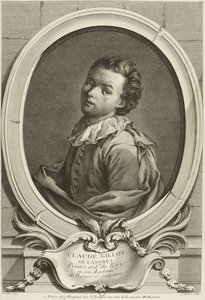
Claude Gillot
1673 - 1722 , France
Quick Facts
- Artistic Movement Or Style: Baroque
- Artists Who Influenced This Artist:
- Jean Watteau
- Nicolas Lancret
- Date Of Birth: 1673
- Date Of Death: 1722
- Full Name: Claude Gillot
- Nationality: French
- Notable Artworks:
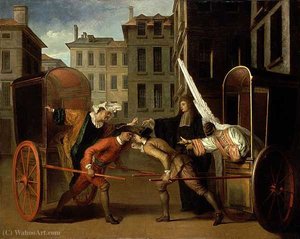
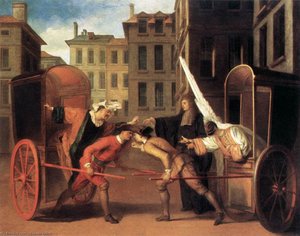
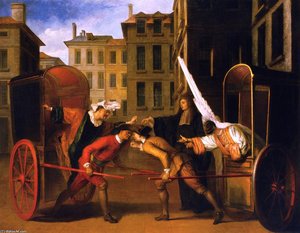
- The Two Coaches
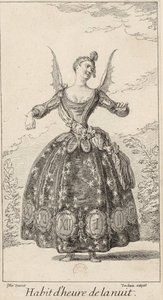
- Garment time of night
- Italian Comedians
- Place Of Birth: Langres, France
Related Articles

Monet's Masterpieces: 25 Iconic Artworks to Transform Your Home
Journey through 25 iconic Claude Monet masterpieces! Explore Impressionism’s beauty, from Water Lilies to Rouen Cathedral. Discover stunning art reproductions & curated decor ideas – explore the full collection online at ArtsDot.com.

Simon Vouet: A Baroque Master's Journey from Italian Influence to French Classicism
Explore the life & art of Simon Vouet, a pivotal French Baroque painter who introduced Italian styles to France. Discover his masterpieces and lasting influence on 17th-century art.

Baroque Drama: Bringing Opulence & Emotion into Contemporary Interiors
Explore the opulent world of Baroque interior design! Discover key elements, modern applications & how to bring dramatic elegance into your home with 's authentic reproductions.
Charles Le Brun: Master of French Baroque Classicism & His Enduring Legacy
Explore the life & art of Charles Le Brun, master of French Baroque Classicism. Discover his royal commissions, influence on Versailles, and enduring legacy through detailed analysis & stunning artworks.
Charles-André van Loo: A Study in Rococo Portraiture & the French Court's Artistic Dynamics
Explore the elegant world of Charles-André van Loo, a master of Rococo portraiture at the French court. Discover his life, techniques, and enduring influence on 18th-century art. Hand-painted reproductions available.