 Preview
 Send
Send Share
Share
 Details

 Download
 Similars
 X-Ray
X-Ray Diaporama
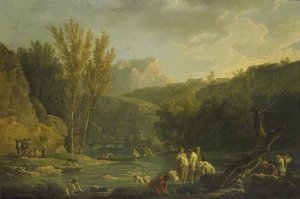
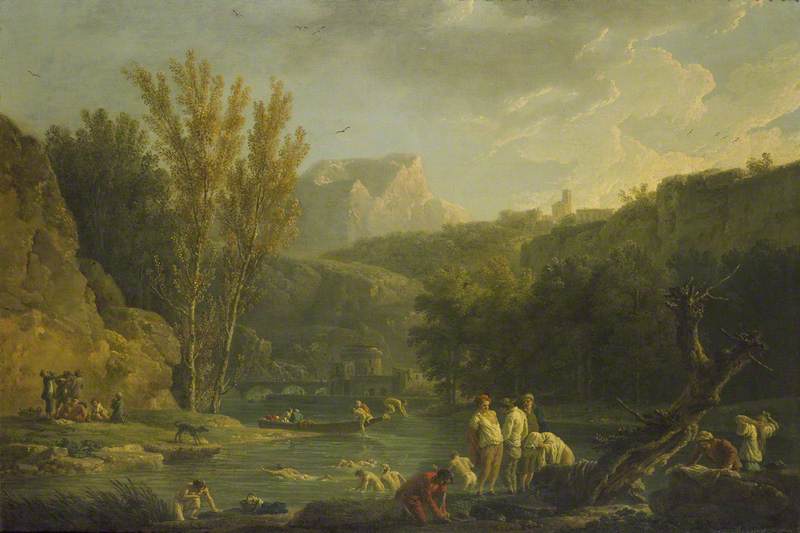
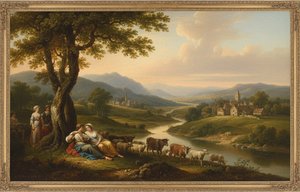
River Scene with Bathers
 Acrylic On Canvas
- WallArt
- Romantic Landscape Painting
 1770
1770 67.0 x 98.0 cm
 The Ashmolean Museum of Art And Archaeology
 Read More
Hand Made Oil Reproduction
Hand-painted oil on canvas in your size and frame, made to order by our artists. ( Buy Print Buy Image)




P118B $10

P118H $10

P118W $10

P438Z $10

P508JH $12

P508YH $12

P805H $10

P805Z $10

P919BZ $10

P919G $10

P919XJ $10

P959ZH $10

P968JZ $12

W106C $8

W218G $10

W218JH $8

W218Y $10

W307PJ $10

W316G $10

W316PJ $8

W316Y $10

W398PJ $8

W4111J $10

W500HY $15

W500JH $15

W692G $12

W849H $8

W940BG $15

W953PJ $8




Pick from our preset sizes that match the artwork's original proportions.

You may enter your own dimensions to fit a specific frame or space. If your selected size does not match the original image's proportions, we will either crop the artwork or extend the painting with additional hand-painted elements. A digital mockup will be sent for your approval before production begins.
Please note that the on-screen preview does not reflect the actual cropping or extension. Only the mockup will accurately show the final composition.
While custom sizes are available, we recommend selecting a dimension from the predefined list to preserve the original proportions.
After order, ArtsDot.com team will email client for instructions and provide a mockup preview
Worldwide Delivery () in 3/4 weeks instead of standard 5 weeks. (17 August). No compromise on quality.

Free Worldwide Express Shipping

High-Quality Linen Canvas

Full Shipping Insurance

Customs Tax Refund Guarantee

True Color Matching Guarantee

60-Day Return Policy (Defects Only)

100% Money-Back Guarantee

Bulk Discount Offer
 Glass option is only available in size under 110 CM

River Scene with Bathers
Reproduction Medium
Reproduction Size
-


Total Price
$ 263
Artwork Description
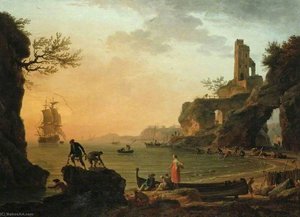
A Symphony of Light and Landscape: Exploring Vernet’s River Scene
The painting “River Scene with Bathers” by Claude-Joseph Vernet, completed between 1768 and 1770, stands as a testament to the Romantic fascination with capturing fleeting moments of sublime beauty—a preoccupation that cemented Vernet's place among the foremost landscape painters of his era. Originating from the Ashmolean Museum in Oxford, this artwork transcends mere depiction; it strives to evoke an experience, transporting the viewer into the tranquil embrace of a riverside idyll.Style and Technique: Embracing Atmospheric Impressionism
Vernet’s approach distinguishes itself from earlier academic styles by prioritizing atmospheric perspective—a technique pioneered during his formative years in Rome where he absorbed the influence of Piranesi and Canaletto. Unlike meticulously rendered topographical maps, Vernet eschews sharp outlines, favoring instead soft gradations of color to convey the diffused luminescence characteristic of dawn or dusk. The artist skillfully employs layering – applying thin washes of pigment over thicker impasto – creating a palpable sense of texture that mimics the ripple of water and the dappled sunlight filtering through foliage. This masterful manipulation of light and color is paramount to conveying the painting’s emotional core.Historical Context: Romanticism's Pursuit of Emotion
The painting emerged during the height of Romanticism, a movement characterized by an intense reaction against Enlightenment rationalism. Artists like Vernet sought inspiration in nature—not merely as objects of scientific observation but as sources of profound spiritual and emotional resonance. The idyllic riverside setting served as a deliberate counterpoint to the anxieties prevalent within European society at the time – concerns regarding political upheaval and social unrest. Vernet’s depiction aligns perfectly with Romantic ideals, prioritizing feeling over intellect and celebrating the sublime grandeur of the natural world.Symbolism: Tranquility Amidst Uncertainty
Beyond its aesthetic qualities, “River Scene with Bathers” carries symbolic weight. The figures bathing in the river represent humanity's connection to primal forces—a yearning for simplicity and renewal amidst the complexities of urban life. The sheep grazing peacefully on the hillside symbolize innocence and pastoral contentment – visual emblems of a bygone era idealized by Romantic poets and painters alike. Furthermore, the expansive vista emphasizes the insignificance of human concerns when confronted with the immensity of creation, prompting contemplation about our place within the cosmos.Emotional Impact: Capturing the Essence of Serenity
Ultimately, Vernet succeeds in capturing the very essence of serenity—a feeling conveyed through every brushstroke and hue. The painting’s muted palette – dominated by blues, greens, and ochres – fosters a sense of calm and tranquility, inviting viewers to linger on its surface and immerse themselves in its tranquil atmosphere. It's not merely a beautiful landscape; it’s an invitation to reconnect with the restorative power of nature—a timeless masterpiece that continues to inspire awe and contemplation centuries after its creation.Related Artworks
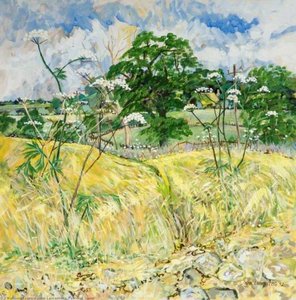
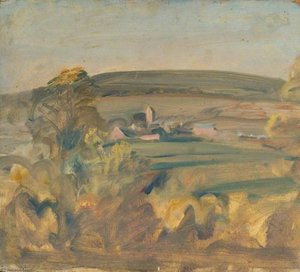
Artist Biography
A Master of Maritime Light: The Life and Art of Claude-Joseph Vernet
Claude-Joseph Vernet, born in Bordeaux in 1714, wasn’t initially destined for the grand landscapes and dramatic seascapes that would define his legacy. His earliest artistic inclinations revealed a fascination with horses—a passion evident even in childhood, sketching these noble creatures from the tender age of five. This early devotion to animal anatomy, particularly equine form, would subtly inform his later work, lending a dynamic energy and realism to figures within broader compositions. Vernet’s formal training began under his father, Antoine Vernet, a decorative painter, and Nicolas-Bernard Lépicié, providing him with a solid academic foundation before he ventured towards the artistic heart of Europe: Rome. It was in Italy that Vernet truly discovered his calling, captivated not only by classical landscapes but also by the raw power and beauty of the sea. The sight of whales off the coast of Marseille proved pivotal, igniting a lifelong obsession with maritime subjects.From Roman Studies to Royal Commissions
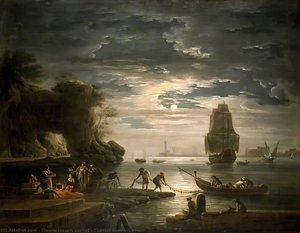
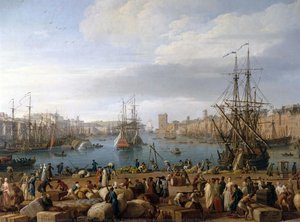
Vernet’s time in Rome wasn't merely about replicating existing styles; it was an immersive study of light, atmosphere, and the interplay between humanity and nature. He absorbed influences from masters like Claude Lorrain and Salvator Rosa, blending their approaches into a uniquely personal vision. While Lorrain offered idealized serenity, Rosa provided dramatic intensity—Vernet skillfully synthesized these elements, creating scenes that were both visually stunning and emotionally resonant. Upon his return to France in 1753, Vernet’s talent quickly gained recognition. A pivotal moment arrived with a commission from Louis XV to paint a series of views of French seaports. This ambitious project—eventually encompassing fifteen paintings—established Vernet as the premier marine painter of his time. These weren't simply topographical records; they were evocative portrayals of national pride, showcasing France’s maritime power and its connection to the sea. Intérieur du port de Marseille (1754), for example, isn’t just a depiction of a bustling harbor—it’s an ode to commerce, industry, and the vibrant lifeblood of the city.A Legacy Forged in Light and Tempest
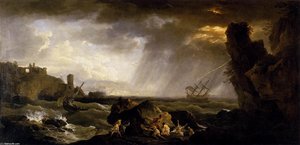
Vernet's artistic skill lay not only in his precise rendering of ships and harbors but also in his masterful handling of light and atmosphere. He understood how sunlight glinted off water, how clouds gathered before a storm, and how these elements could dramatically alter the mood of a scene. His paintings often feature dramatic skies, turbulent waters, and figures caught in moments of both peril and resilience. A View of the Port of Naples with Mount Vesuvius in the Background (1774), exemplifies this talent—the imposing presence of Vesuvius looms over the bustling port, a reminder of nature’s power while simultaneously highlighting human activity. This ability to balance grandeur and intimacy is a hallmark of his work. Beyond maritime scenes, Vernet also explored landscapes and hunting subjects, always maintaining a keen eye for detail and an understanding of animal anatomy—a skill honed in his youth.Family, Influence, and Enduring Significance
The artistic lineage continued with Vernet’s son, Antoine Charles Horace Vernet (also known as Carle Vernet), who followed in his father's footsteps, achieving renown for his own dynamic battle scenes and hunting art. This familial connection underscores the importance of tradition and mentorship within the French artistic community of the 18th century. Claude-Joseph Vernet’s influence extended beyond his immediate family; he helped to elevate landscape painting to a position of prominence in French art. His work paved the way for later generations of artists, inspiring them to explore the beauty and power of the natural world. Though he passed away in 1789, on the cusp of revolutionary change, Vernet’s legacy endures. His paintings continue to captivate viewers with their atmospheric depth, technical brilliance, and evocative storytelling—a testament to a life dedicated to capturing the essence of light, sea, and the human spirit.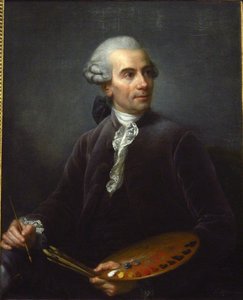
Claude-Joseph Vernet
1714 - 1789 , France
Quick Facts
- Artistic Movement Or Style: Landscape, Seascape
- Artists Or Movements Influenced By This Artist: ['Antoine Charles Horace Vernet']
- Artists Who Influenced This Artist:
- Claude Lorrain
- Bernardino Fergioni
- Date Of Birth: August 14, 1714
- Date Of Death: 1789
- Full Name: Claude-Joseph Vernet
- Nationality: French
- Notable Artworks:
- Intérieur du port de Marseille
- A view of the port of Naples
- Place Of Birth: Bordeaux, France
Related Articles
Idyllic Visions: Exploring the Pastoral Scene in Art History – From Arcadia to Modern Interpretations
Explore the captivating history of pastoral art from classical Arcadia to modern masterpieces. Discover key artists like Millet & Cole at ArtsDot. Find serene landscape paintings for your home.
Idyllic Visions: Exploring the Pastoral Tradition in Western Art – Themes, Techniques & Enduring Appeal
Explore the rich history of pastoral art from classical Arcadia to contemporary interpretations. Discover key artists, themes & collecting tips at ArtsDot.

Beyond the Horizon: 10 Landscape Masterpieces for Your Home Decor
Journey through 10 breathtaking landscape paintings by Monet, Van Gogh & more! Explore iconic artworks, artistic techniques & find inspiration for your home decor. Museum-quality reproductions at ArtsDot.com. Discover all masterpieces on ArtsDot.com

Romantic Landscapes: 10 Masterpieces for Your Home | ArtsDot
Journey through 10 Romantic landscape masterpieces by Friedrich, Turner & Cole. Explore emotional art, sublime nature scenes & iconic 19th-century paintings. Find museum-quality reproductions for your home at ArtsDot.com – discover the full collection online!
Echoes of Arcadia: Nostalgia & Transformation in Vintage Landscape Art
Explore the evocative world of vintage landscape art! Discover the history, artists & emotional power behind masterpieces from the Hudson River School & beyond. Expert insights for collectors & enthusiasts.