 Preview
 Send
Send Share
Share
 Details

 Download
 Similars
 X-Ray
X-Ray Diaporama
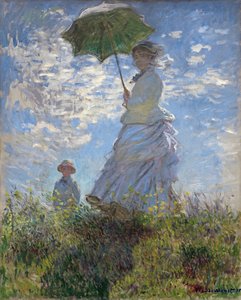
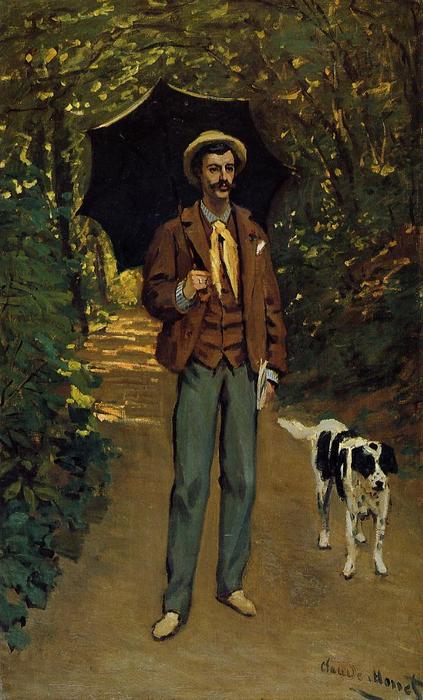
Victor Jacquemont Holding a Parasol


 Read More
Hand Made Oil Reproduction
Hand-painted oil on canvas in your size and frame, made to order by our artists. ( Buy Print Buy Image)




P118B $10

P118H $10

P118W $10

P438Z $10

P508JH $12

P508YH $12

P805H $10

P805Z $10

P919BZ $10

P919G $10

P919XJ $10

P959ZH $10

P968JZ $12

W106C $8

W218G $10

W218JH $8

W218Y $10

W307PJ $10

W316G $10

W316PJ $8

W316Y $10

W398PJ $8

W4111J $10

W500HY $15

W500JH $15

W692G $12

W849H $8

W940BG $15

W953PJ $8




Pick from our preset sizes that match the artwork's original proportions.

You may enter your own dimensions to fit a specific frame or space. If your selected size does not match the original image's proportions, we will either crop the artwork or extend the painting with additional hand-painted elements. A digital mockup will be sent for your approval before production begins.
Please note that the on-screen preview does not reflect the actual cropping or extension. Only the mockup will accurately show the final composition.
While custom sizes are available, we recommend selecting a dimension from the predefined list to preserve the original proportions.
After order, ArtsDot.com team will email client for instructions and provide a mockup preview
Worldwide Delivery () in 3/4 weeks instead of standard 5 weeks. (17 August). No compromise on quality.

Free Worldwide Express Shipping

High-Quality Linen Canvas

Full Shipping Insurance

Customs Tax Refund Guarantee

True Color Matching Guarantee

60-Day Return Policy (Defects Only)

100% Money-Back Guarantee

Bulk Discount Offer
 Glass option is only available in size under 110 CM

Victor Jacquemont Holding a Parasol
Reproduction Medium
Reproduction Size
-


Total Price
$ 263
Artwork Description
A Glimpse into Belle Époque Leisure: Claude Monet’s *Victor Jacquemont Holding a Parasol*
Claude Monet's 1865 painting, *Victor Jacquemont Holding a Parasol*, is more than just a portrait; it’s a captivating snapshot of modern life emerging within the heart of nature. This work beautifully encapsulates the spirit of the Belle Époque – an era defined by burgeoning leisure and a renewed appreciation for the outdoors. The scene depicts Monet's friend, Victor Jacquemont, elegantly strolling along a woodland path accompanied by his dog, embodying a sense of relaxed sophistication.Impressionistic Beginnings: Style & Technique
Though predating the full bloom of Impressionism, *Victor Jacquemont Holding a Parasol* demonstrates key characteristics that would come to define the movement. Monet eschews the meticulous detail favored by academic painters in favor of capturing the *impression* of light and atmosphere. Notice his use of loose, visible brushstrokes – not blended smoothly, but applied with an energetic spontaneity. This technique creates a sense of movement and vibrancy, as if the scene is shimmering before your eyes. The color palette, while restrained compared to Monet’s later works, is nonetheless lively, utilizing subtle variations in greens and browns to depict the lush foliage. The dappled light filtering through the trees is suggested rather than precisely rendered, contributing to the painting's overall atmospheric quality.Context & Composition: A Moment in Time
Created during a period of significant social change, this painting reflects a growing middle class with increased disposable income and leisure time. The inclusion of details like the handbag near the bench adds a touch of realism, grounding the scene in everyday life. The composition is carefully balanced; Jacquemont’s upright figure provides a central focus, while the surrounding greenery creates a sense of depth and enclosure. The path itself draws the viewer's eye into the painting, inviting us to join the stroll. Two benches flank the pathway, hinting at opportunities for rest and social interaction – hallmarks of this evolving modern lifestyle.Symbolism & Emotional Resonance
The parasol is a particularly evocative symbol in this work. Beyond its practical function of providing shade, it represents refinement and status—a fashionable accessory enjoyed by the upper classes. It also subtly suggests protection and privacy within the public space of the park. The presence of the dog symbolizes companionship and loyalty, adding a layer of warmth to the scene. Overall, the painting evokes a feeling of tranquility, peacefulness, and quiet contemplation. It’s an invitation to slow down, appreciate the beauty of nature, and savor a moment of respite from the bustle of modern life.Monet's Legacy & Collecting Today
- A Pivotal Work: *Victor Jacquemont Holding a Parasol* is an important early work by Monet, showcasing his developing style and foreshadowing the innovations that would define Impressionism.
- Interior Design Appeal: The painting’s harmonious color palette and serene subject matter make it an ideal addition to a variety of interior design schemes – from traditional drawing rooms to contemporary living spaces. Its calming presence can enhance any room, bringing a touch of French elegance and artistic sophistication.
- Collecting Impressionism: For collectors seeking to acquire a piece of art history, this work represents an accessible entry point into the world of Monet and Impressionism. High-quality reproductions allow enthusiasts to enjoy the beauty and artistry of this masterpiece without the expense of an original.
- Museum Presence: While not always on permanent display, works by Monet are prominently featured in major museums worldwide, including the Musée Marmottan Monet in Paris and the California Palace of the Legion of Honor in San Francisco.
Related Artworks
Artist Biography
A Life Immersed in Light: The World of Claude Monet
Oscar-Claude Monet, a name synonymous with Impressionism, wasn't merely a painter of landscapes; he was a chronicler of fleeting moments, a poet of light and color. Born in Paris on November 14, 1840, his early life took an unexpected turn when his family relocated to Le Havre, Normandy, at the age of five. While initially destined for a commercial career by his father, young Claude’s innate artistic talent quickly surfaced, manifesting first in charcoal caricatures sold locally – a testament to both his skill and entrepreneurial spirit. However, it was his encounter with Eugène Boudin that proved pivotal. Boudin didn't just teach Monet *how* to paint; he instilled within him the revolutionary idea of painting en plein air—directly from nature—a practice that would define his entire artistic journey.
Monet’s formal training began in Paris, briefly at the Académie Suisse and later under Charles Gleyre. It was here he forged lasting friendships with fellow artists like Auguste Renoir, a bond built on shared artistic frustrations and a desire to break free from the constraints of traditional academic painting. His early works, while demonstrating technical proficiency, lacked the distinctive voice that would soon characterize his style. A period of upheaval followed – the Franco-Prussian War forced Monet to seek refuge in London, where he immersed himself in the work of English landscape masters like J.M.W. Turner, absorbing their atmospheric effects and innovative use of color.
The Birth of an Aesthetic Revolution
Upon his return to France, Monet became a central figure in a burgeoning artistic rebellion. Dissatisfied with the conservative standards of the Salon, he joined forces with other like-minded artists to organize independent exhibitions. The exhibition of 1874 proved to be a watershed moment, not only for Monet but for the entire art world. It was here that his painting “Impression, soleil levant” (Impression, Sunrise) – a hazy depiction of Le Havre’s harbor at dawn – was displayed, and from which the derisive term "Impressionism" originated. However, the name stuck, evolving into a badge of honor for a movement that sought to capture the subjective *impression* of a scene rather than its precise representation.
Monet's signature style blossomed during this period: loose, visible brushstrokes, vibrant and often unmixed colors applied side-by-side (a technique known as “broken color”), and an unwavering focus on capturing the ephemeral qualities of light. He relentlessly pursued his plein air practice, working rapidly to record his immediate perceptions before the shifting conditions altered the scene. This dedication wasn’t simply about depicting what he *saw*, but rather how he *felt* in response to it – a radical departure from artistic conventions.
Giverny: A Paradise of Light and Reflection
In 1883, Monet settled in Giverny, northwest of Paris, establishing a home and garden that would become both his sanctuary and his greatest source of inspiration. He meticulously transformed the property into an elaborate paradise, complete with exotic flowers, weeping willows, and, most famously, a water lily pond spanned by a Japanese bridge. This wasn’t merely a decorative garden; it was a living laboratory where Monet could study the effects of light on water, foliage, and reflections in controlled conditions.
The final decades of his life were almost entirely devoted to painting the water lily pond at Giverny. He embarked upon the monumental Water Lilies series (Nymphéas), creating vast canvases that depicted the pond’s surface as a constantly shifting tapestry of color and light. These weren't simply paintings of flowers; they were immersive experiences, designed to envelop the viewer in a world of serene beauty and contemplative stillness. The scale of these works is breathtaking, pushing the boundaries of traditional painting and anticipating abstract expressionism.
Legacy: A Lasting Impact on Art History
Claude Monet’s impact on art history is immeasurable. He wasn't just the founder of Impressionism; he fundamentally altered the way artists perceived and represented the world around them. His emphasis on subjective experience, his embrace of plein air painting, and his innovative techniques paved the way for modern art’s exploration of abstraction and non-representational forms.
Monet achieved considerable commercial success during his lifetime – a rarity for avant-garde artists of his era. His work continues to inspire awe and captivate audiences worldwide, solidifying his place as one of the most important figures in Western art. He died on December 5, 1926, leaving behind a legacy that resonates through generations of artists and art lovers alike. Significant collections of his masterpieces are held at prestigious institutions such as the Musée d'Orsay and the Musée Marmottan Monet in Paris, ensuring that his vision continues to illuminate the world.
Key Artistic Techniques
- Plein Air Painting: Central to his development, allowing direct observation of light and atmosphere.
- Broken Color: Applying small strokes of pure color side-by-side for optical blending.
- Series Painting: Depicting the same subject under different lighting and weather conditions – demonstrating the transformative power of time and light.
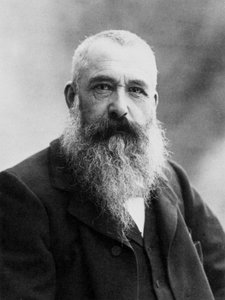
Claude Monet
1840 - 1926 , France
Quick Facts
- Artistic Movement Or Style: Impressionism
- Artists Or Movements Influenced By This Artist: ['Modern Art']
- Artists Who Influenced This Artist:
- Eugène Boudin
- J.M.W. Turner
- Date Of Birth: November 14, 1840
- Date Of Death: December 5, 1926
- Full Name: Oscar-Claude Monet
- Nationality: French
- Notable Artworks:
- Impression, Sunrise
- Water Lilies
- Haystacks
- Rouen Cathedral
- Place Of Birth: Paris, France
Related Articles
Monet's Masterpieces: 25 Iconic Artworks to Transform Your Home
Journey through 25 iconic Claude Monet masterpieces! Explore Impressionism’s beauty, from Water Lilies to Rouen Cathedral. Discover stunning art reproductions & curated decor ideas – explore the full collection online at ArtsDot.com.
Impressionist Landscapes: 10 Masterpieces for Your Home | ArtsDot
Journey through 10 iconic Impressionist landscapes by Monet, Renoir & Degas. Explore the history, techniques & emotions behind these masterpieces. Find museum-quality reproductions for your home at ArtsDot.com – where art comes to life! Discover all masterpieces on ArtsDot.com

Impressionistic Landscapes: 10 Masterpieces That Changed Art & Decor
Journey into the heart of Impressionism! Explore 10 masterpieces by Monet, Renoir & Degas that revolutionized landscape art. Discover their stories, techniques & find museum-quality reproductions to elevate your home decor on ArtsDot.com.
Musée d'Orsay Masterpieces: 25 Iconic Paintings & Art Decor Ideas
Journey through the Musée d'Orsay’s 25 most iconic artworks! Explore Impressionist & Post-Impressionist masterpieces by Monet, Van Gogh, Degas & more. Find museum-quality art reproductions and curated decor ideas to bring timeless beauty home. Discover all masterpieces on ArtsDot.com
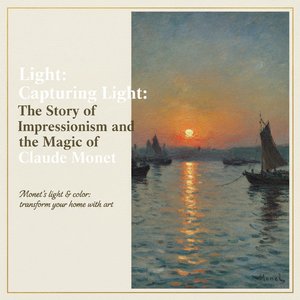
Capturing Light: The Revolution of Impressionism and the Eternal Legacy of Claude Monet
Explore the revolutionary world of Claude Monet and Impressionism. Discover how the mastery of light and color transformed art history, from plein air landscapes to the iconic Water Lilies series, and learn how to bring this timeless elegance into your home decor.