

 Preview
 Send
Send Share
Share
 Details

 Download
 Similars
 X-Ray
X-Ray Diaporama
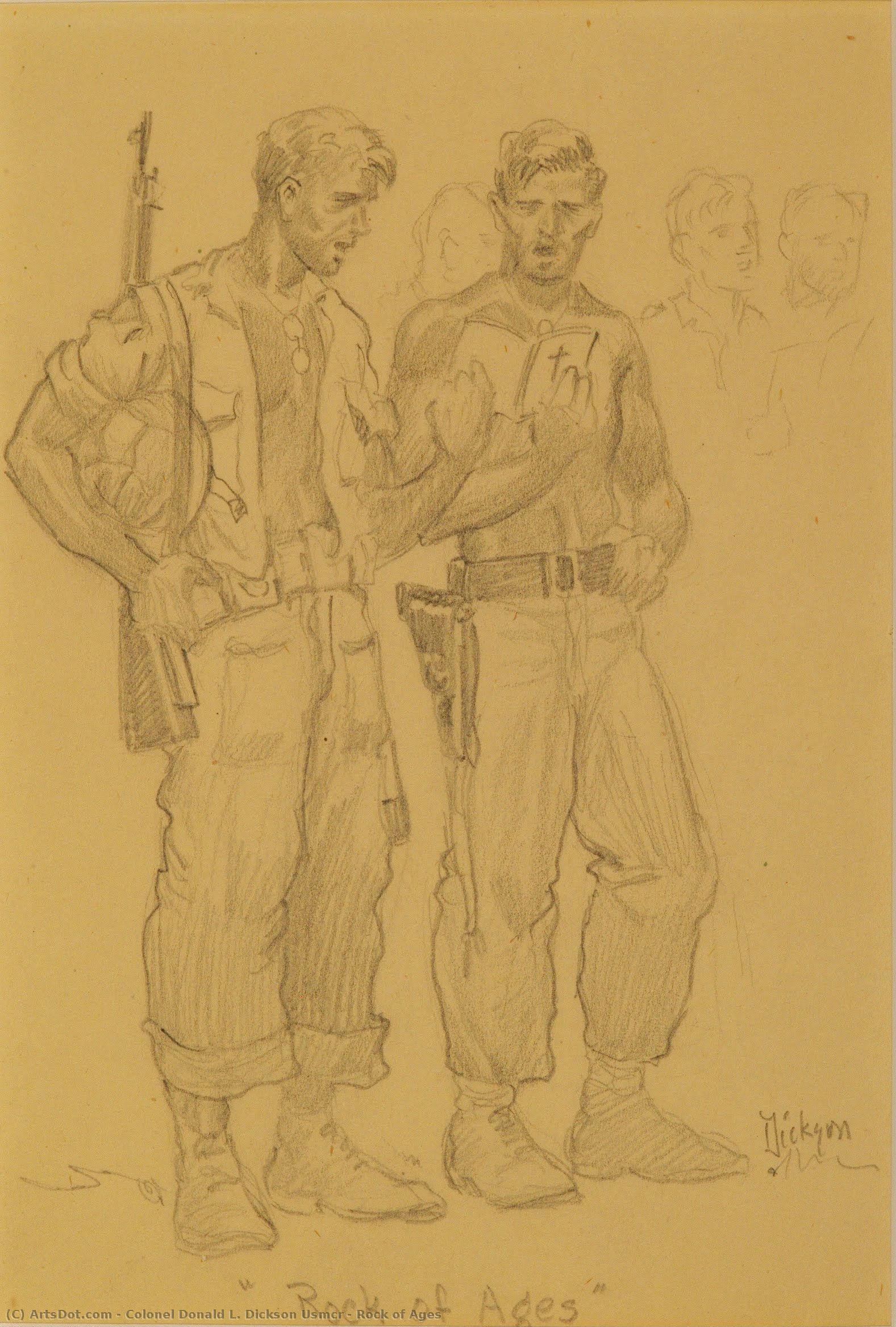
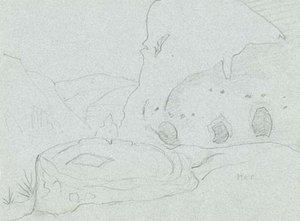
Rock of Ages


 Read More
Purchase a high-resolution, enhanced digital image, far superior to the online preview.
Each file is meticulously prepared by our in-house specialists using advanced tools and expert manual retouching. We ensure every image has exceptional clarity, precise color accuracy, and fine detail.
The final file is delivered via email within 72 hours, optimized for immediate use in professional, editorial, and print environments. This is the same quality trusted by top-tier design studios, publishers, and galleries.
Digital Image
Download a high-resolution file for personal display, printing, and creative projects. ( Buy Print Buy Hand Made Painting)
Included in Every Digital Image Order
Expert Digital Delivery, Guaranteed
When you choose ArtsDot.com, you're not just getting an image - you're receiving a professionally enhanced digital artwork, crafted with precision and backed by a satisfaction guarantee. Here's everything that comes with your order, automatically:

Fast Email Delivery
Your high-resolution digital image file will be emailed to you within 72 hours of ordering - ready for immediate use.

AI-Enhanced Digital File
Your artwork is professionally optimized using advanced AI tools and manual editing, ensuring maximum detail, clarity, and color accuracy.

Free Lifetime Re-Delivery
Accidentally deleted or lost your file? No worries - we'll resend it to you anytime, free of charge.

No Import Fees - Ever
Enjoy your artwork instantly with zero customs, duties, or delivery fees - digital downloads are always tax-free.

Color Accuracy Guarantee
We ensure your digital image reflects the original colors as closely as possible using professional tools and color management.

60-Day Satisfaction Guarantee
If you're not satisfied with your digital image, we'll revise it or refund 100% within 60 days - no questions asked.

100% Money-Back Guarantee
Not satisfied? Get a full refund within 60 days of receiving your digital file - no questions asked.

Bulk Order Discounts
Buy 3 images, save 10% - Buy 5, save 15% - Buy 10+, save 20%. Great for creative projects, galleries, and agencies.
Collectible Description
Related Artworks
Artist Biography
Paul Cézanne: Bridging Impressionism and Modernity
Born in Aix-en-Provence, France, on January 19, 1839, Paul Cézanne remains a pivotal figure in the transition from late 19th-century Impressionism to the burgeoning movements of early 20th-century modern art. His life was one of quiet dedication to his craft, marked by a relentless pursuit of formal structure and an innovative approach to color and perspective. While initially influenced by the vibrant palettes and fleeting moments captured by Impressionists like Monet and Renoir, Cézanne ultimately forged a unique path, laying the groundwork for Cubism and other radical developments in art history. His legacy lies not just in his individual paintings but in the profound impact he had on subsequent generations of artists.
Early Influences and Artistic Development
Cézanne’s early artistic training was somewhat conventional, studying at the École des Beaux-Arts in Paris. However, it was his time spent observing the landscapes around Aix – particularly Mont Sainte-Victoire, a towering peak that dominated the horizon – which profoundly shaped his artistic vision. He meticulously studied this subject throughout his career, creating hundreds of variations on its form and color. Initially, Cézanne’s work reflected the Impressionist emphasis on capturing light and atmosphere. However, he soon began to move beyond mere representation, experimenting with a more structured approach to composition and drawing. He sought to capture not just what he *saw*, but also the underlying geometric forms that constituted the world around him.
- Impressionism’s Influence: Cézanne initially admired Impressionist painters like Monet, absorbing their techniques for capturing light and color.
- The Mont Sainte-Victoire Series: This iconic subject became central to his artistic development, allowing him to explore form, perspective, and the effects of light.
- Breaking with Academic Tradition: Cézanne deliberately rejected the rigid rules of academic art, prioritizing personal observation and expressive representation over strict adherence to established conventions.
Formal Innovations and a New Pictorial Language
Cézanne’s most significant contribution was his revolutionary approach to painting technique. He systematically dismantled traditional notions of perspective, flattening space and employing multiple viewpoints within a single composition. He did this not through illusionistic depth, but by building up forms with small, broken brushstrokes—a technique he famously described as “putting in the black.” This method created a sense of solidity and structure, transforming his landscapes into dynamic arrangements of planes and volumes. His use of color was equally innovative; he moved away from the bright, pure hues favored by Impressionists, opting for earth tones, muted greens, and ochres to create a more subdued and atmospheric effect.
- Multiple Perspectives: Cézanne frequently depicted objects and landscapes from multiple viewpoints simultaneously, challenging traditional notions of spatial representation.
- Broken Brushstrokes: His distinctive technique involved applying small, separate brushstrokes that built up forms and created a sense of texture and depth.
- Earth Tones and Muted Colors: He favored a palette of subdued colors to create atmospheric effects and emphasize the formal qualities of his compositions.
Key Works and Lasting Legacy
Among Cézanne’s most celebrated works are *The Card Players* (1898), *The Bathers* (c. 1906-1907), and the numerous paintings depicting Mont Sainte-Victoire. These works exemplify his innovative approach to composition, color, and form. His influence extended far beyond his own lifetime, inspiring artists such as Van Gogh, Matisse, Picasso, and Braque—the very figures who would pioneer Cubism. Cézanne’s emphasis on structure, simplification, and the exploration of underlying forms paved the way for a radical shift in artistic representation, fundamentally altering the course of modern art. He died in Aix-en-Provence on October 22, 1906, leaving behind a body of work that continues to captivate and challenge viewers today.
Cézanne’s Place in Art History
Paul Cézanne is often considered a pivotal figure between Impressionism and Cubism. He didn't simply reject the Impressionist style, but rather built upon its foundations to create something entirely new. His work demonstrated that art could be more than just a representation of reality; it could also be an exploration of form, structure, and color. Cézanne’s legacy is one of innovation, experimentation, and profound influence—a testament to the enduring power of his artistic vision.
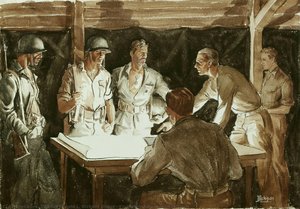
colonel donald l. dickson usmcr
1906 - 1974 , United States of America
Quick Facts
- Artistic Movement Or Style: Post-Impressionism
- Artists Or Movements Influenced By This Artist:
- Cubism
- Impressionism
- Artists Who Influenced This Artist:
- Jean-Auguste–Dominique Ingres
- William-Adolphe Bouguereau
- Date Of Birth: 19 January 1839
- Date Of Death: 22 October 1906
- Full Name: Paul Cézanne
- Nationality: French
- Notable Artworks:
- The Card Players
- The Bathers
- Mont Sainte-Victoire
- Place Of Birth: Paris, France

