

A Monument of Valor: The Architectural Soul of the Marine Corps
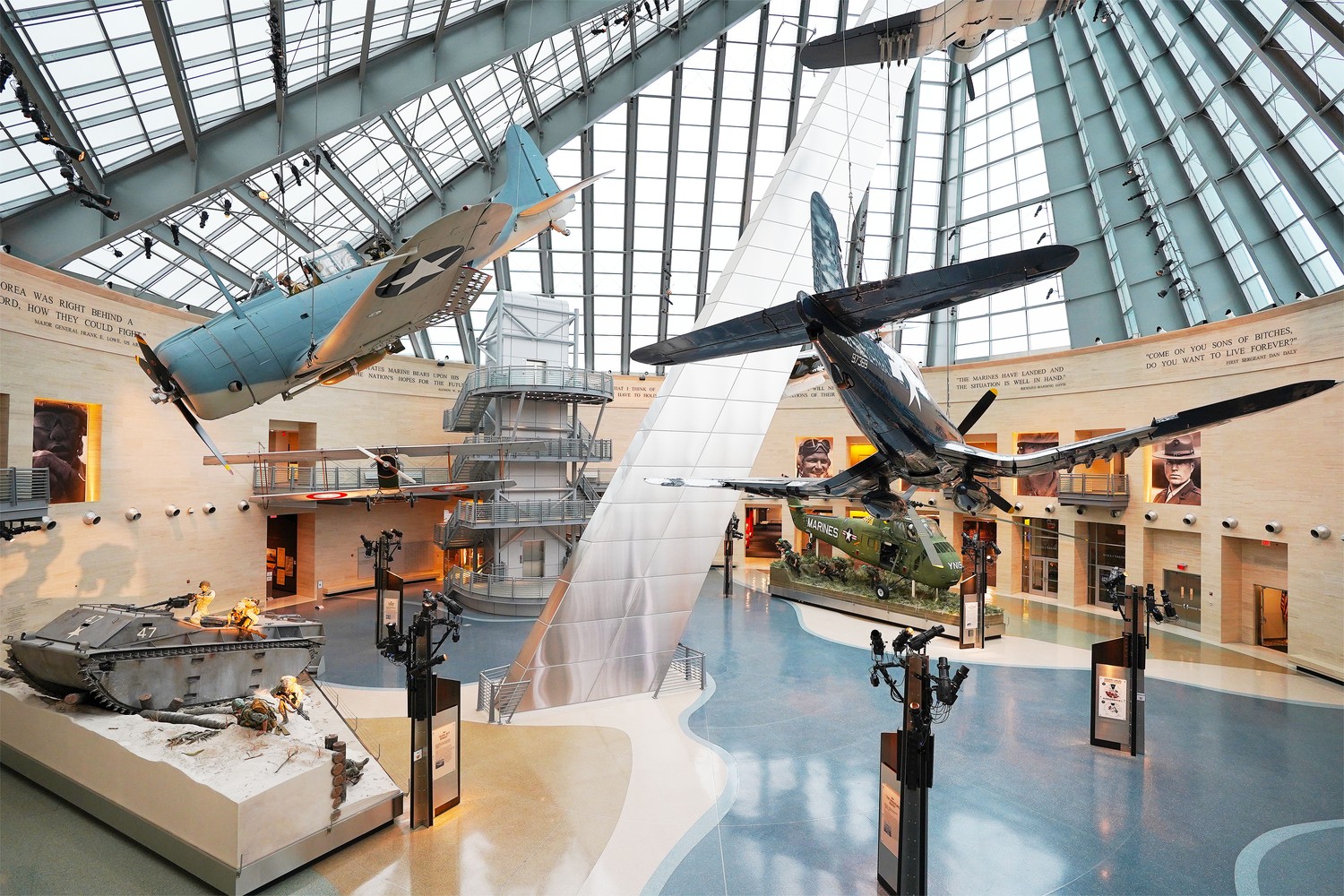
To approach the National Museum of the Marine Corps is to encounter more than a mere repository of artifacts; it is to witness a profound architectural dialogue between stone, steel, and the indomitable human spirit. Situated near the historic grounds of Quantico, Virginia, the museum’s structure serves as a breathtaking physical manifestation of the very values it seeks to honor: honor, courage, and commitment. Designed by the visionary Curtis W. Fentress Architects, the building’s silhouette is an intentional masterpiece of symbolism. The soaring, angular lines of the atrium are not merely aesthetic choices but are deeply rooted in the iconography of the twentieth century, specifically echoing the dramatic ascent of Mount Suribachi during the Battle of Iwo Jima. As light pours through the expansive glass, it illuminates a space that feels both monumental and intimate, inviting visitors to look upward in a gesture of shared aspiration and resilience.
Inside this cathedral of history, the architecture guides the observer through a choreographed journey of remembrance. The centerpiece of the atrium—a monumental replica of the statue commemorating Sergeant Isaac Ross Johnston—stands as a silent sentinel, anchoring the space with its gravity. For the art lover or the designer of contemplative spaces, the museum offers a masterclass in how structural form can dictate emotional resonance. Every angle and shadow within the hall is designed to evoke the tension and triumph of amphibious warfare, creating an immersive environment where the boundary between the historical past and the present moment begins to dissolve.
The Art of Witness: Narratives Captured in Paint and Bronze
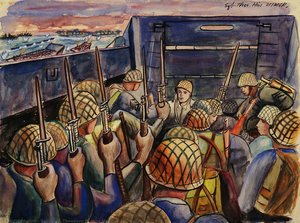
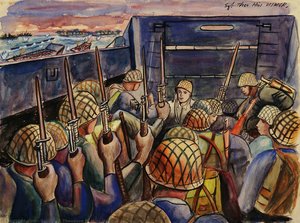
While the museum’s collection is renowned for its formidable array of weaponry and tactical relics, there exists a more delicate, evocative layer of storytelling found within its artistic holdings. The museum recognizes that while steel and gunpowder record the mechanics of conflict, it is through the medium of art that the psychological landscape of service is truly mapped. Within its galleries, one finds a curated selection of paintings and sculptures that serve as profound witnesses to the Marine experience. These works do not merely illustrate battles; they capture the fleeting glances of camaraderie, the heavy silence of loss, and the visceral intensity of the front lines. For collectors of historical narrative, these pieces offer a window into the human heart amidst the chaos of war.
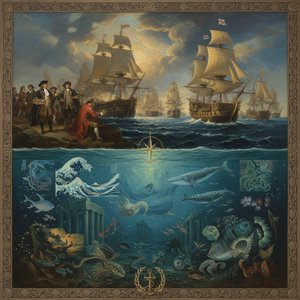
The collection’s ability to blend the tangible with the emotive is perhaps best exemplified by its inclusion of unexpected subjects, such as the poignant legacy of Sergeant Reckless, the decorated war horse of the Korean War. Through various artistic depictions, the museum explores the profound bonds forged between humans and animals under extraordinary circumstances. This intersection of military history and fine art creates a multifaceted perspective that transcends traditional combat chronicles. The exhibits move seamlessly from the formative battles of the Revolutionary War to the modern complexities of deployments in Iraq and Afghanistan, using art as a bridge to connect the technological evolution of warfare with the unchanging essence of the individual Marine.
An Immersive Legacy: Where History Becomes Experience
What truly distinguishes the National Museum of the Marine Corps is its rejection of the passive viewing experience. It is an institution designed for engagement, where history is not just observed but felt. Through the integration of interactive displays—ranging from combat simulators to laser fire ranges—the museum invites a visceral connection to the tactical realities of the past. This commitment to immersion ensures that the museum remains a living entity, capable of captivating new generations through sensory storytelling. It is a place where the weight of history is balanced by the energy of discovery.
For the visitor, the experience is one of profound continuity. As one wanders through the expansive halls, the museum functions as a chronological tapestry, weaving together the threads of global conflicts into a singular narrative of American endurance. The accessibility of this profound heritage, offered through free admission, underscores a mission of public education and communal remembrance. Whether one is drawn by the architectural grandeur, the evocative power of its fine art collection, or the gripping chronicles of historical valor, the museum stands as an essential destination for anyone seeking to understand the enduring legacy of the United States Marine Corps.