 Preview
 Send
Send Share
Share
 Details

 Download
 Similars
 X-Ray
X-Ray Diaporama
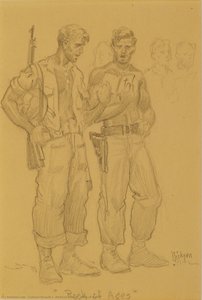
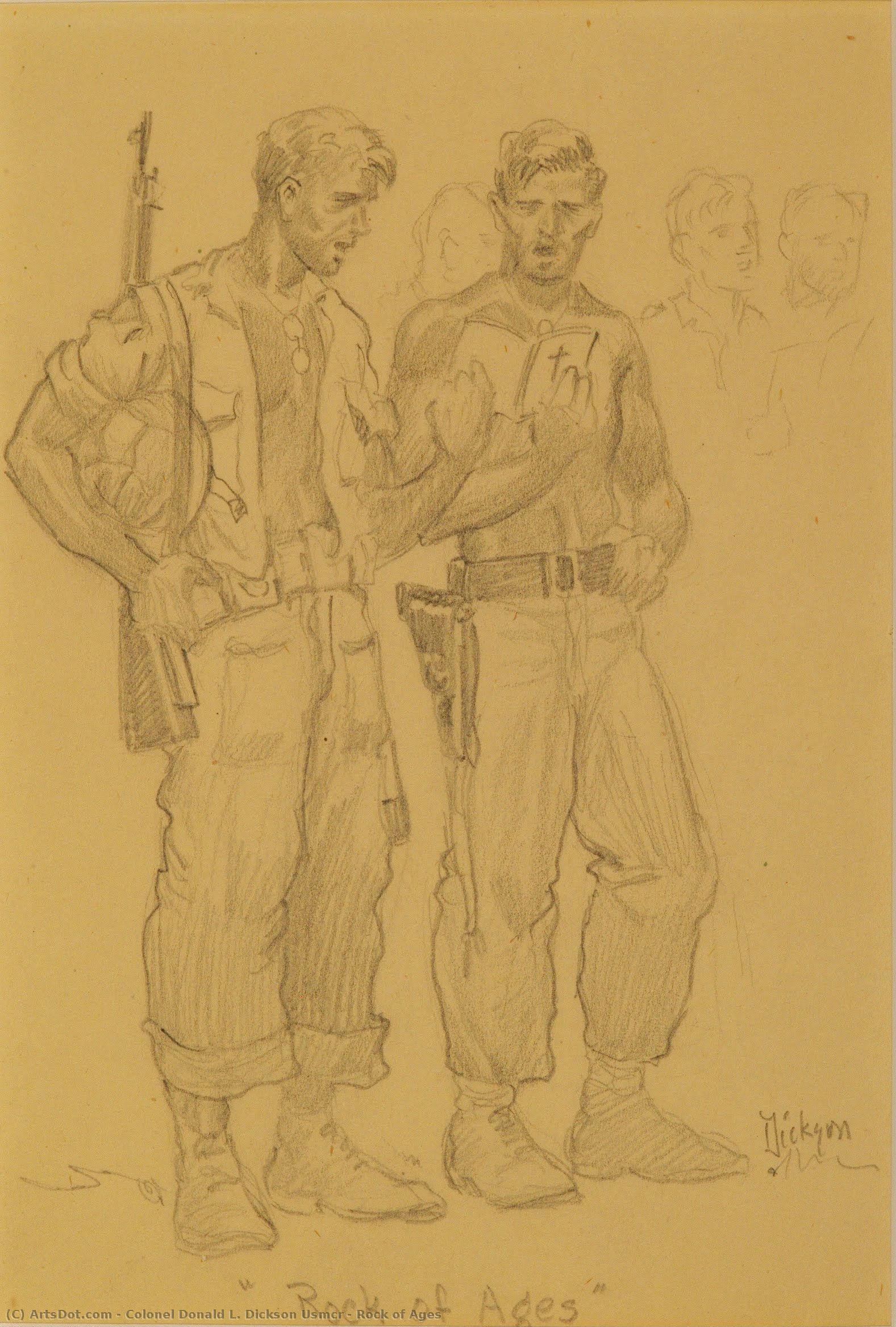
Rock of Ages


 Read More
Giclée / Art Print
Museum-quality giclée or canvas print with fast production and flexible finish options. ( Buy Hand Made Painting Buy Image)




































Pick from our preset sizes that match the artwork's original proportions.

You may enter your own dimensions to fit a specific frame or space. If your selected size does not match the original image's proportions, we will either crop the artwork or extend the image with a mirrored or solid-fill edge. A digital mockup will be sent for your approval before production begins.
Please note that the on-screen preview does not reflect the actual cropping or extension. Only the mockup will accurately show the final composition.
While custom sizes are available, we recommend selecting a dimension from the predefined list to preserve the original proportions.
Worldwide Delivery () in 2 weeks instead of standard 4/5 weeks. (17 August)

Free Worldwide Express Shipping

High-Quality Linen Canvas

Full Shipping Insurance

Customs Tax Refund Guarantee

True Color Matching Guarantee

60-Day Return Policy (Defects Only)

100% Money-Back Guarantee

Bulk Discount Offer
 Glass option is only available in size under 110 CM

Rock of Ages
Giclée / Art Print
Reproduction Size
-


Total Price
$ 63
Collectible Description
Related Artworks
Artist Biography
Paul Cézanne: Bridging Impressionism and Modernity
Born in Aix-en-Provence, France, on January 19, 1839, Paul Cézanne remains a pivotal figure in the transition from late 19th-century Impressionism to the burgeoning movements of early 20th-century modern art. His life was one of quiet dedication to his craft, marked by a relentless pursuit of formal structure and an innovative approach to color and perspective. While initially influenced by the vibrant palettes and fleeting moments captured by Impressionists like Monet and Renoir, Cézanne ultimately forged a unique path, laying the groundwork for Cubism and other radical developments in art history. His legacy lies not just in his individual paintings but in the profound impact he had on subsequent generations of artists.
Early Influences and Artistic Development
Cézanne’s early artistic training was somewhat conventional, studying at the École des Beaux-Arts in Paris. However, it was his time spent observing the landscapes around Aix – particularly Mont Sainte-Victoire, a towering peak that dominated the horizon – which profoundly shaped his artistic vision. He meticulously studied this subject throughout his career, creating hundreds of variations on its form and color. Initially, Cézanne’s work reflected the Impressionist emphasis on capturing light and atmosphere. However, he soon began to move beyond mere representation, experimenting with a more structured approach to composition and drawing. He sought to capture not just what he *saw*, but also the underlying geometric forms that constituted the world around him.
- Impressionism’s Influence: Cézanne initially admired Impressionist painters like Monet, absorbing their techniques for capturing light and color.
- The Mont Sainte-Victoire Series: This iconic subject became central to his artistic development, allowing him to explore form, perspective, and the effects of light.
- Breaking with Academic Tradition: Cézanne deliberately rejected the rigid rules of academic art, prioritizing personal observation and expressive representation over strict adherence to established conventions.
Formal Innovations and a New Pictorial Language
Cézanne’s most significant contribution was his revolutionary approach to painting technique. He systematically dismantled traditional notions of perspective, flattening space and employing multiple viewpoints within a single composition. He did this not through illusionistic depth, but by building up forms with small, broken brushstrokes—a technique he famously described as “putting in the black.” This method created a sense of solidity and structure, transforming his landscapes into dynamic arrangements of planes and volumes. His use of color was equally innovative; he moved away from the bright, pure hues favored by Impressionists, opting for earth tones, muted greens, and ochres to create a more subdued and atmospheric effect.
- Multiple Perspectives: Cézanne frequently depicted objects and landscapes from multiple viewpoints simultaneously, challenging traditional notions of spatial representation.
- Broken Brushstrokes: His distinctive technique involved applying small, separate brushstrokes that built up forms and created a sense of texture and depth.
- Earth Tones and Muted Colors: He favored a palette of subdued colors to create atmospheric effects and emphasize the formal qualities of his compositions.
Key Works and Lasting Legacy
Among Cézanne’s most celebrated works are *The Card Players* (1898), *The Bathers* (c. 1906-1907), and the numerous paintings depicting Mont Sainte-Victoire. These works exemplify his innovative approach to composition, color, and form. His influence extended far beyond his own lifetime, inspiring artists such as Van Gogh, Matisse, Picasso, and Braque—the very figures who would pioneer Cubism. Cézanne’s emphasis on structure, simplification, and the exploration of underlying forms paved the way for a radical shift in artistic representation, fundamentally altering the course of modern art. He died in Aix-en-Provence on October 22, 1906, leaving behind a body of work that continues to captivate and challenge viewers today.
Cézanne’s Place in Art History
Paul Cézanne is often considered a pivotal figure between Impressionism and Cubism. He didn't simply reject the Impressionist style, but rather built upon its foundations to create something entirely new. His work demonstrated that art could be more than just a representation of reality; it could also be an exploration of form, structure, and color. Cézanne’s legacy is one of innovation, experimentation, and profound influence—a testament to the enduring power of his artistic vision.
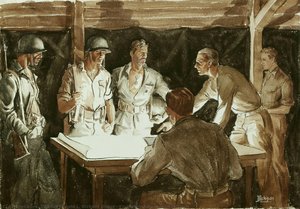
colonel donald l. dickson usmcr
1906 - 1974 , United States of America
Quick Facts
- Artistic Movement Or Style: Post-Impressionism
- Artists Or Movements Influenced By This Artist:
- Cubism
- Impressionism
- Artists Who Influenced This Artist:
- Jean-Auguste–Dominique Ingres
- William-Adolphe Bouguereau
- Date Of Birth: 19 January 1839
- Date Of Death: 22 October 1906
- Full Name: Paul Cézanne
- Nationality: French
- Notable Artworks:
- The Card Players
- The Bathers
- Mont Sainte-Victoire
- Place Of Birth: Paris, France
Related Articles
The Eloquent Line: Exploring the Artistic Significance of Sketches Across Movements and Media
Explore the profound artistic significance of sketches throughout history. From Renaissance masters to modern innovators like Van Gogh & Guston, discover how these foundational works reveal technique, emotion, and vision. Learn more at ArtsDot.
The Nuances of Graphite: Exploring Emotional Depth & Technical Mastery in Pencil Drawing
Explore the captivating world of graphite drawing! Discover its rich history, master essential techniques like chiaroscuro, and learn how artists evoke emotion through this timeless medium. Expert insights for art enthusiasts.
Joan Miró's Masterpieces: 25 Iconic Paintings for Art Lovers & Home Decor
Explore 25 iconic Joan Miró paintings! Discover the stories behind his Surrealist masterpieces, vibrant colors & unique style. Find museum-quality Miro reproductions and elevate your home decor with ArtsDot.com. Explore the full collection online.
Echoes of War & Hope: Top 10 Artworks Reflecting the 1940s | ArtsDot
Journey through a decade of resilience & change with our Top 10 artworks of the 1940s. Explore iconic paintings by Rockwell, Hopper & more—reflecting WWII's impact and post-war hope. Find museum-quality reproductions at ArtsDot.com
William Owen: A Poetic Vision of War & Landscape in British Modernism
Explore the poignant war poetry of Wilfred Owen, a key figure in British Modernism. Discover his innovative style, themes of loss & camaraderie, and lasting impact on 20th-century literature. Analysis & historical context included.