 Preview
 Send
Send Share
Share
 Details

 Download
 Similars
 X-Ray
X-Ray Diaporama
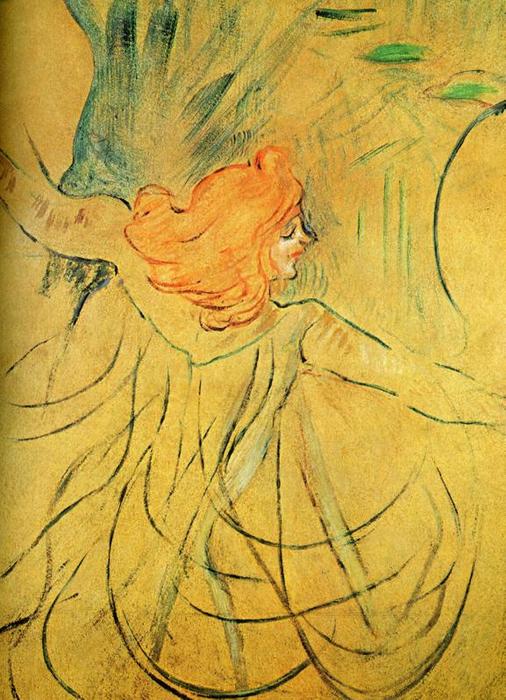
Loie Fuller


 Read More
Hand Made Oil Reproduction
Hand-painted oil on canvas in your size and frame, made to order by our artists. ( Buy Print Buy Image)




P118B $10

P118H $10

P118W $10

P438Z $10

P508JH $12

P508YH $12

P805H $10

P805Z $10

P919BZ $10

P919G $10

P919XJ $10

P959ZH $10

P968JZ $12

W106C $8

W218G $10

W218JH $8

W218Y $10

W307PJ $10

W316G $10

W316PJ $8

W316Y $10

W398PJ $8

W4111J $10

W500HY $15

W500JH $15

W692G $12

W849H $8

W940BG $15

W953PJ $8




Pick from our preset sizes that match the artwork's original proportions.

You may enter your own dimensions to fit a specific frame or space. If your selected size does not match the original image's proportions, we will either crop the artwork or extend the painting with additional hand-painted elements. A digital mockup will be sent for your approval before production begins.
Please note that the on-screen preview does not reflect the actual cropping or extension. Only the mockup will accurately show the final composition.
While custom sizes are available, we recommend selecting a dimension from the predefined list to preserve the original proportions.
After order, ArtsDot.com team will email client for instructions and provide a mockup preview
Worldwide Delivery () in 3/4 weeks instead of standard 5 weeks. (16 August). No compromise on quality.

Free Worldwide Express Shipping

High-Quality Linen Canvas

Full Shipping Insurance

Customs Tax Refund Guarantee

True Color Matching Guarantee

60-Day Return Policy (Defects Only)

100% Money-Back Guarantee

Bulk Discount Offer
 Glass option is only available in size under 110 CM

Loie Fuller
Reproduction Medium
Reproduction Size
-


Total Price
$ 263
Artwork Description
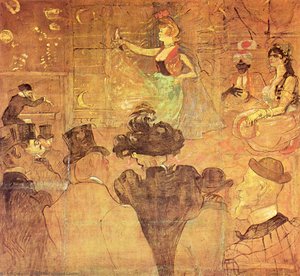
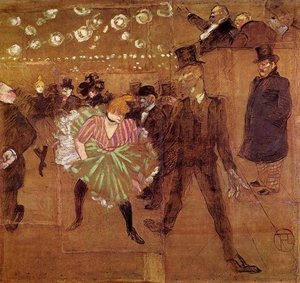
The Enigmatic Dancer – Loie Fuller in the Brush of a Genius
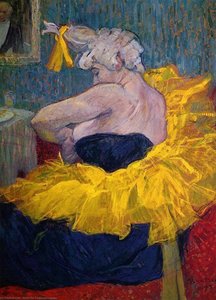
Henri de Toulouse-Lautrec’s depiction of Loie Fuller, the “Serpentine Queen,” is more than just a portrait; it's a vibrant distillation of the Belle Époque’s intoxicating energy. Painted during a pivotal moment in Lautrec’s career – a period where he fully embraced the dynamism and spectacle of Parisian nightlife – this artwork captures not merely Fuller’s physical grace but also the very essence of her revolutionary performance style. The image pulsates with movement, color, and an almost hallucinatory quality that speaks to Lautrec's masterful manipulation of light and form.

(Image: Loie Fuller as painted by Henri de Toulouse-Lautrec)
A Dance of Innovation and Illusion
Loie Fuller’s fame rested entirely on her groundbreaking use of light and color within her performances. She pioneered the technique of hanging shimmering fabrics – typically silk – from intricate frameworks, allowing them to be illuminated by a multitude of colored lights. This created an illusion of flowing, ethereal movement, transforming her into a living kaleidoscope. Lautrec brilliantly captures this effect, using bold reds, blues, and greens not just for aesthetic appeal but to actively represent the way Fuller’s costume interacted with light – a key element of her art. The swirling patterns in the background aren't merely decorative; they are an abstracted representation of the stage itself, amplifying the sense of movement and disorientation that characterized her shows.
The Bohemian Heart of Montmartre
Toulouse-Lautrec’s work is inextricably linked to the vibrant, often scandalous, world of Montmartre. This painting isn't a formal portrait in the traditional sense; it’s a snapshot of a specific moment within that environment – a glimpse into the heart of a theatrical spectacle. Fuller herself was a central figure in this bohemian landscape, attracting artists, writers, and patrons with her daring performances. Lautrec’s choice to depict her in such a dynamic pose reflects his fascination with capturing not just appearances but also the spirit of innovation and rebellion that defined Montmartre during the Belle Époque.
Symbolism and Artistic Technique
Lautrec's signature style is immediately recognizable – bold outlines, flattened perspective, and an emphasis on line. He employs a technique reminiscent of Japanese woodblock prints (Ukiyo-e), further emphasizing the dynamism and flatness of the composition. The use of color is deliberately heightened, creating a sense of theatricality and excitement. The elongated lines and swirling patterns contribute to the overall feeling of movement, mirroring Fuller’s dance and reinforcing the painting's central theme: the captivating illusion created by light and motion. This reproduction allows you to experience this masterful technique firsthand.
A Timeless Icon – Perfect for Your Space
This hand-painted reproduction captures the raw energy and artistic brilliance of Toulouse-Lautrec’s iconic portrayal of Loie Fuller. Whether adorning a salon, a gallery wall, or adding a touch of Parisian glamour to your home office, this artwork is guaranteed to spark conversation and evoke the spirit of a bygone era. It's more than just a print; it’s an investment in art history and a celebration of one of the most innovative figures in the history of dance.
Related Artworks
Artist Biography
A Life Etched in Parisian Nights: The World of Henri de Toulouse-Lautrec
Henri Marie Raymond de Toulouse-Lautrec-Monfa, forever known simply as Toulouse-Lautrec, remains a captivating figure of the late 19th century. Born into the waning days of French aristocracy in Albi on November 24, 1864, his life was marked by both privilege and profound physical challenge. A rare genetic condition, suspected to be pycnodysostosis – though debated even today – halted the growth of his legs at a young age, leaving him with a disproportionately small lower body and an adult torso. This physical difference profoundly shaped his perspective, leading him not toward self-pity but towards an intensely observant and empathetic engagement with the marginalized figures of Parisian society. His aristocratic background afforded him access to artistic training, yet it was the vibrant, often scandalous world of Montmartre that truly ignited his creative spirit.
From Academic Training to Bohemian Rhapsody
Toulouse-Lautrec’s formal artistic journey began in Paris under the tutelage of Léon Bonnat and later Fernand Cormon. While he mastered the technical skills expected of a Salon painter, it was his immersion in the bohemian heart of Montmartre that irrevocably altered his trajectory. He rejected the prevailing academic focus on historical or mythological subjects, instead turning his keen eye towards the everyday dramas unfolding around him: the dancers at the Moulin Rouge, the prostitutes of the rue des Moulins, the circus performers and café singers who populated the Parisian nightlife. This wasn’t mere observation; it was a deep dive into a world often ignored by polite society. He didn't simply paint *about* these people, he inhabited their spaces, understanding their vulnerabilities and celebrating their resilience. His early works show a clear academic foundation, but quickly evolve to embrace a more daring and unconventional style, influenced by Japanese woodblock prints – then gaining popularity in Europe – with their bold compositions and flattened perspectives.
A Master of Line and Color: Defining a Style
Toulouse-Lautrec’s artistic innovations are readily apparent in his distinctive style. He was a master of line, using it not just to define form but to convey movement, emotion, and character. His color palette, while often muted, possessed an extraordinary vibrancy, capturing the artificial glow of gaslight and the smoky atmosphere of Parisian cabarets. He embraced lithography with particular enthusiasm, recognizing its potential for mass reproduction and artistic expression. This allowed his images to circulate widely, further cementing his reputation as a chronicler of modern life. His posters, advertising performers like Jane Avril and Yvette Guilbert, were not merely promotional materials; they were works of art in their own right, instantly recognizable for their dynamic compositions and striking imagery. La Blanchisseuse, sold at auction for $22.4 million in 2005, exemplifies his early talent, but it’s the later depictions of Montmartre that truly define his legacy. He wasn't interested in idealizing his subjects; he presented them with unflinching honesty, capturing their flaws and vulnerabilities alongside their beauty and spirit.
Legacy and Lasting Influence
Toulouse-Lautrec’s life was tragically cut short at the age of 36 on September 9, 1901, a consequence of years battling alcoholism and syphilis. Despite his relatively brief career, his impact on the art world is immeasurable. He stands as a pivotal figure in the transition from Impressionism to modern art, paving the way for artists who would further explore subjective experience and psychological depth. He is considered one of the key Post-Impressionist painters alongside Cézanne, Van Gogh, Gauguin, and Seurat. His influence can be seen in everything from early 20th-century illustration to contemporary graphic design. He didn’t just paint what he saw; he revealed a hidden world, challenging conventional notions of beauty and morality. His work continues to resonate today, reminding us of the power of art to illuminate the human condition in all its complexity and contradiction.
Exploring Toulouse-Lautrec’s World Further
- Discover a comprehensive collection of his artwork at /en/artists/comte-henri-marie-raymond-de-toulouse-lautrec-monfa.
- Delve into the world of Post-Impressionism and its key artists at /en/art-movements/post-impressionism.
- Learn more about his life and artistic journey through resources like Wikipedia: https://en.wikipedia.org/wiki/Henri_de_Toulouse-Lautrec
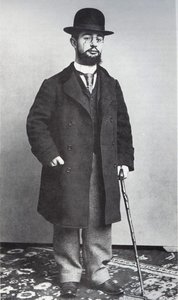
henri de toulouse-lautrec
1864 - 1901 , France
Quick Facts
- Artistic Movement Or Style: Post-Impressionism
- Artists Or Movements Influenced By This Artist:
- Paul Cézanne
- Vincent van Gogh
- Art Nouveau
- Artists Who Influenced This Artist: ['Léon Bonnat']
- Date Of Birth: November 24, 1864
- Date Of Death: September 9, 1901
- Full Name: Henri Marie Raymond de Toulouse-Lautrec-Monfa
- Nationality: French
- Notable Artworks:
- La Blanchisseuse
- In the Wings at the Circus
- Woman in Bed — Waking
- Place Of Birth: Albi, France
Related Articles
The Rhythmic Canvas: Exploring Representations of Dance Across Art History
Explore the captivating history of dance in art! From Degas' ballet scenes to abstract expressions, discover how artists have captured movement and cultural significance across time. Expert insights for collectors & enthusiasts.
The Flowing Line & Flourishing Form: Exploring Art Nouveau's Aesthetic Legacy
Explore the captivating world of Art Nouveau! Discover its origins, key artists like Horta & Mucha, regional styles, innovative techniques, and lasting influence on architecture & design. A comprehensive guide for art enthusiasts.
Sir Nathaniel Dance-Holland: Portraiture, Patronage & Georgian Identity
Explore the life & art of Sir Nathaniel Dance-Holland, a leading Georgian portraitist. Discover his masterful technique, influential patrons, and lasting impact on 18th-century British society. A guide for discerning collectors.
Art Nouveau's Golden Age: 10 Masterpieces for Your Home |
Journey into Art Nouveau's golden age! Explore 10 masterpieces by Klimt, Mucha & more. Discover captivating stories behind iconic paintings, floral motifs & flowing lines. Find museum-quality art reproductions for your home at .
Alphonse Mucha: A Comprehensive Exploration of Art Nouveau's Master of Decorative Symbolism
Explore the life & art of Alphonse Mucha, master of Art Nouveau! Discover his iconic posters, stunning illustrations, and the monumental Slav Epic. A comprehensive guide for collectors & enthusiasts.