 Preview
 Send
Send Share
Share
 Details

 Download
 Similars
 X-Ray
X-Ray Diaporama
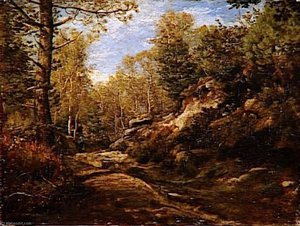
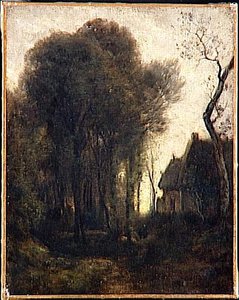
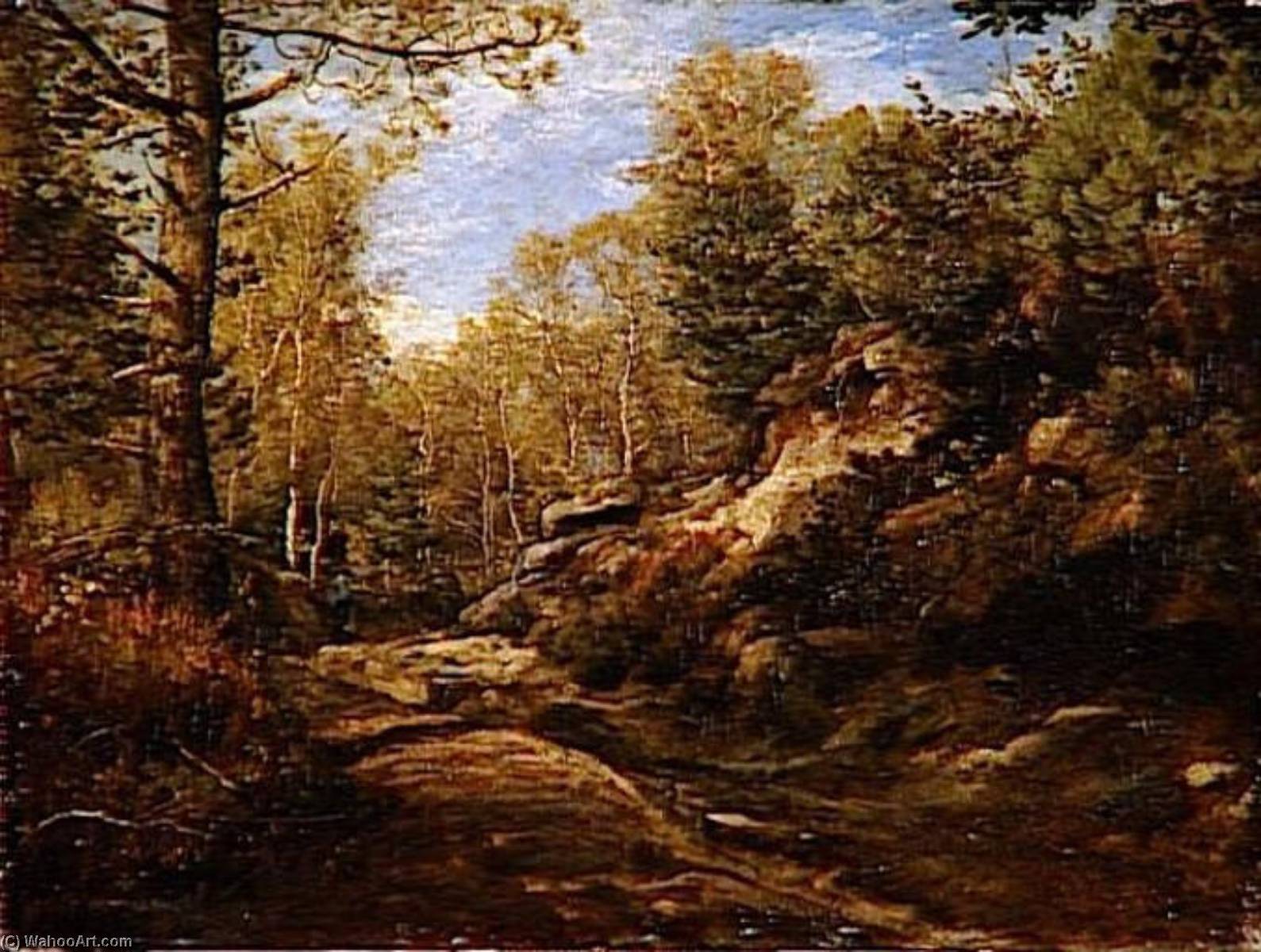
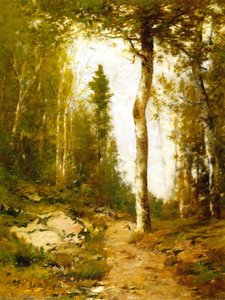
PINS ET BOULEAUX FORET DE FONTAINEBLEAU


 Read More
Hand Made Oil Reproduction
Hand-painted oil on canvas in your size and frame, made to order by our artists. ( Buy Print Buy Image)




P118B $10

P118H $10

P118W $10

P438Z $10

P508JH $12

P508YH $12

P805H $10

P805Z $10

P919BZ $10

P919G $10

P919XJ $10

P959ZH $10

P968JZ $12

W106C $8

W218G $10

W218JH $8

W218Y $10

W307PJ $10

W316G $10

W316PJ $8

W316Y $10

W398PJ $8

W4111J $10

W500HY $15

W500JH $15

W692G $12

W849H $8

W940BG $15

W953PJ $8




Pick from our preset sizes that match the artwork's original proportions.

You may enter your own dimensions to fit a specific frame or space. If your selected size does not match the original image's proportions, we will either crop the artwork or extend the painting with additional hand-painted elements. A digital mockup will be sent for your approval before production begins.
Please note that the on-screen preview does not reflect the actual cropping or extension. Only the mockup will accurately show the final composition.
While custom sizes are available, we recommend selecting a dimension from the predefined list to preserve the original proportions.
After order, ArtsDot.com team will email client for instructions and provide a mockup preview
Worldwide Delivery () in 3/4 weeks instead of standard 5 weeks. (16 August). No compromise on quality.

Free Worldwide Express Shipping

High-Quality Linen Canvas

Full Shipping Insurance

Customs Tax Refund Guarantee

True Color Matching Guarantee

60-Day Return Policy (Defects Only)

100% Money-Back Guarantee

Bulk Discount Offer
 Glass option is only available in size under 110 CM

PINS ET BOULEAUX FORET DE FONTAINEBLEAU
Reproduction Medium
Reproduction Size
-


Total Price
$ 263
Artwork Description
A Symphony in Green and Brown: Constant Dutilleux’s “PINS ET BOULEAUX FORET DE FONTAINEBLEAU”
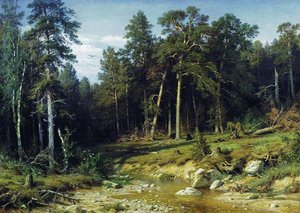
Constant Dutilleux's "Pins et Bouleaux, Forêt de Fontainebleau" is more than a landscape painting; it’s an invitation to step into the heart of a timeless forest. Completed around 1855, this work embodies the spirit of the Barbizon School, a movement that championed direct observation and a profound connection with nature – a reaction against the rigid formality of academic art. The scene unfolds within the iconic Fontainebleau Forest, a place steeped in French history and royal patronage, lending an air of both romantic grandeur and quiet intimacy to Dutilleux’s vision.
The composition immediately draws the eye into the depths of the woodland. A prominent diagonal line, formed by the cascading stream and the receding trees, creates a sense of spatial depth that is remarkably convincing for its time. The artist masterfully employs atmospheric perspective – distant trees are rendered in softer tones and with less detail, subtly suggesting their greater distance while simultaneously creating an ethereal quality to the background. This technique, combined with the careful layering of foliage and rock formations, builds a believable three-dimensional space, transporting the viewer into this verdant realm.
The Language of Brushstrokes: Technique and Style
Dutilleux’s approach is distinctly Impressionistic before the term was formally coined. He eschews meticulous detail in favor of capturing the *impression* of light and atmosphere. Visible brushstrokes, applied with a confident yet delicate hand, define the texture of bark, the dappled sunlight filtering through the canopy, and the flowing water. The impasto – areas where paint is built up thickly – adds a tactile quality to the scene, inviting us to almost feel the roughness of the rocks and the density of the undergrowth. The color palette is deliberately muted, dominated by earthy browns, deep greens, and subtle ochres—a testament to Dutilleux’s commitment to naturalism. These colors aren't blended smoothly; instead, they are juxtaposed and layered, creating a rich tapestry of tones that evokes the mood of a cool, shaded forest.
Symbolic Resonance: Nature as Sanctuary
Beyond its technical brilliance, “PINS ET BOULEAUX FORET DE FONTAINEBLEAU” resonates with symbolic meaning. The Fontainebleau Forest itself held immense significance for French royalty, serving as a hunting ground and a place of retreat. The painting can be interpreted as an allegory for the restorative power of nature—a sanctuary from the pressures of courtly life. The dense foliage suggests mystery and seclusion, while the stream represents the flow of time and the continuity of existence. The solitary trees stand as silent witnesses to centuries of history, embodying a sense of timelessness and resilience.
A Legacy of Romanticism: Dutilleux’s Place in Art History
Constant Dutilleux's work stands as a pivotal example of the Barbizon School. His dedication to portraying nature with honesty and emotion paved the way for later Impressionist painters like Monet and Pissarro. Furthermore, his lineage extends beyond the canvas; he was the great-grandfather of Henri Dutilleux, the renowned composer, creating a fascinating intergenerational connection between artistic expression across different mediums. “PINS ET BOULEAUX FORET DE FONTAINEBLEAU” is not merely a beautiful landscape; it’s a window into a bygone era—a testament to the enduring power of nature and the artistry of Constant Dutilleux.
Related Artworks
Artist Biography
Constant Dutilleux: A Painter of Tranquil Landscapes and Romantic Echoes
Constant Dutilleux (1807-1865) stands as a quiet yet significant figure in 19th-century French art, primarily recognized for his evocative landscapes that capture the essence of the Barbizon School. Though overshadowed by more flamboyant contemporaries like Delacroix and Corot, Dutilleux’s meticulous observation and masterful technique cemented his place within a movement dedicated to portraying the natural world with uncompromising realism—a reaction against the academic conventions dominating Parisian art academies at the time. His legacy extends beyond mere artistic accomplishment; he is also remembered as the paternal grandfather of Henri Dutilleux, the celebrated composer, linking him to a lineage of creative expression spanning generations.Early Life and Artistic Formation
Born in Paris, Constant Dutilleux’s formative years were steeped in intellectual curiosity and artistic appreciation. His father, Jean-Baptiste Constant Dutilleux, was a professor of mathematics at École Polytechnique, instilling in him a disciplined mind alongside an early fascination with visual arts. While biographical details remain sparse, it is known that he pursued his artistic studies independently, honing his skills through diligent practice and absorbing the stylistic precepts of influential artists like Eugène Delacroix and Jean-Baptiste Camille Corot. These figures served as crucial models for Dutilleux’s approach—Delacroix's dramatic flair and expressive brushwork contrasted sharply with Corot’s serene landscapes and subtle tonal harmonies, shaping his artistic vision.The Barbizon School and Landscape Painting Technique
Dutilleux’s artistic career coincided perfectly with the rise of the Barbizon School, a movement that championed plein air painting—working directly from nature—as opposed to studio depictions based on sketches or engravings. Artists like Corot and Théodore Rousseau sought to depict rural landscapes with uncompromising accuracy, prioritizing tonal gradation and atmospheric perspective over idealized forms. Dutilleux embraced this ethos wholeheartedly, producing canvases characterized by meticulous detail and a palpable sense of tranquility. His brushstrokes are deliberate yet understated, conveying texture and luminosity without resorting to ostentation. He skillfully employed impasto—thickly applied paint—to imbue his landscapes with physicality and depth, capturing the subtle nuances of light and shadow as they fell upon the French countryside.Notable Works and Artistic Style
Among Dutilleux’s most celebrated paintings are “Souvenir de Hollande” (1860) and “Effects of Snow” (1865), both housed in the Musée des Beaux-Arts d'Arras. These pieces exemplify his distinctive style—a harmonious blend of observation, tonal subtlety, and textural richness. "Souvenir de Hollande" depicts a misty hillside bathed in diffused sunlight, conveying an atmosphere of contemplative stillness. “Effects of Snow” portrays a wintry forest scene with remarkable precision, capturing the crystalline beauty of snow-covered branches and the muted hues of winter foliage. These works demonstrate Dutilleux’s ability to distill complex natural phenomena into emotionally resonant compositions—a testament to his artistic sensitivity and technical prowess. Furthermore, "Paysage avec une maison" showcases a beautifully rendered rural scene, highlighting Corot's influence on Dutilleux's palette and compositional choices.Legacy and Historical Significance
Constant Dutilleux’s contribution to French landscape painting is often underestimated compared to his more flamboyant contemporaries. However, his unwavering commitment to plein air painting and his masterful technique—particularly his use of impasto—established him as a pivotal figure within the Barbizon School. His paintings continue to resonate with viewers today, offering glimpses into a bygone era characterized by artistic idealism and a profound appreciation for the natural world. More importantly, he represents a lineage of creative talent that extends into the 20th century through his grandson, Henri Dutilleux—a composer whose music embodies the spirit of Impressionism and Romanticism—solidifying Dutilleux’s place as an artist who transcended artistic boundaries and left an indelible mark on French cultural heritage.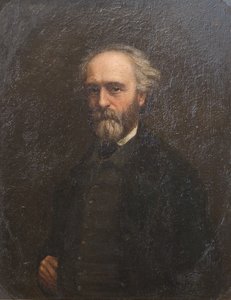
Constant Dutilleux
1807 - 1865
Quick Facts
- Artistic Movement Or Style: Barbizon School
- Artists Who Influenced This Artist:
- Eugène Delacroix
- Jean-Baptiste Camille Corot
- Date Of Birth: 1807
- Date Of Death: 1865
- Full Name: Constant Dutilleux
- Nationality: French
- Notable Artworks:
- Vue de la rue de Crambious, près de Fleurbaix
- Bord de Scarpe
- Effects of Snow
- Path in the Forest
- Place Of Birth: France
Related Articles

Beyond the Horizon: 10 Landscape Masterpieces for Your Home Decor
Journey through 10 breathtaking landscape paintings by Monet, Van Gogh & more! Explore iconic artworks, artistic techniques & find inspiration for your home decor. Museum-quality reproductions at ArtsDot.com. Discover all masterpieces on ArtsDot.com
The Barbizon School: Pioneering Realism & the Pastoral Vision in 19th-Century French Painting
Explore the Barbizon School's pivotal role in 19th-century French painting. Discover how these artists revolutionized landscape art with their commitment to Realism and a profound connection to nature. Learn about key figures like Rousseau, Millet & Corot.
Evoking Nature's Sublime: A Comprehensive Exploration of 19th-Century Landscape Painting
Explore the captivating world of 19th-century landscape painting! Discover renowned artists like Friedrich & Monet, key movements, and find the perfect artwork to bring nature's serenity into your home. Expert insights at ArtsDot.

Romantic Landscapes: 10 Masterpieces for Your Home | ArtsDot
Journey through 10 Romantic landscape masterpieces by Friedrich, Turner & Cole. Explore emotional art, sublime nature scenes & iconic 19th-century paintings. Find museum-quality reproductions for your home at ArtsDot.com – discover the full collection online!
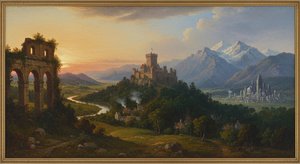
Evocations of Place: A Historical Journey Through Landscape Art
Explore the rich history of landscape art with ArtsDot. Discover renowned artists, movements like Impressionism & tonalism, and expert guidance for collecting timeless pieces. Find your perfect serene escape today!