 Preview
 Send
Send Share
Share
 Details

 Download
 Similars
 X-Ray
X-Ray Diaporama
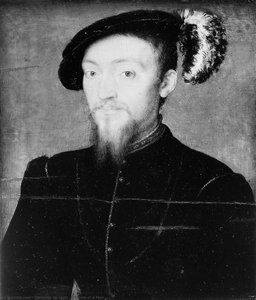
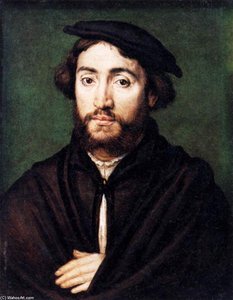
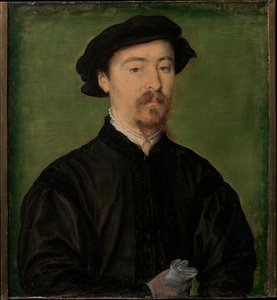
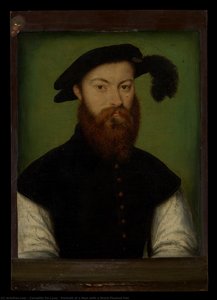
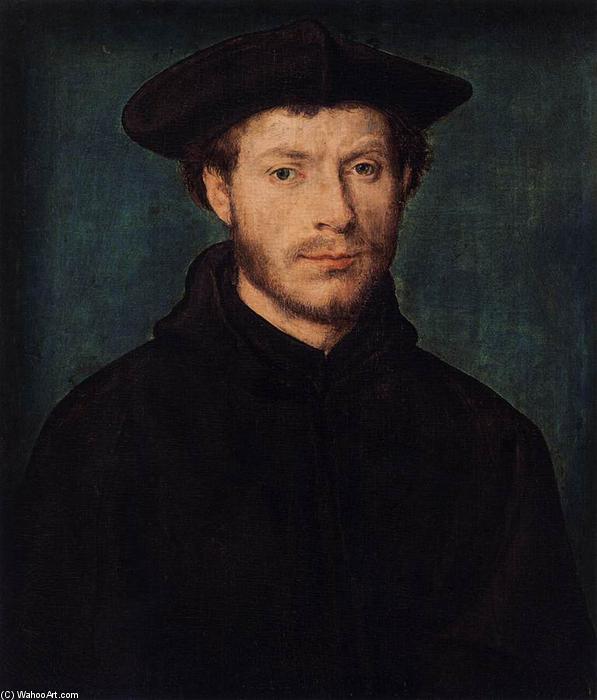
Portrait of a Man
 Oil On Canvas
- WallArt
- Renaissance Mannerism
 1536
1536 17.0 x 14.0 cm
 National Gallery of Art
 Read More
Hand Made Oil Reproduction
Hand-painted oil on canvas in your size and frame, made to order by our artists. ( Buy Print Buy Image)




P118B $10

P118H $10

P118W $10

P438Z $10

P508JH $12

P508YH $12

P805H $10

P805Z $10

P919BZ $10

P919G $10

P919XJ $10

P959ZH $10

P968JZ $12

W106C $8

W218G $10

W218JH $8

W218Y $10

W307PJ $10

W316G $10

W316PJ $8

W316Y $10

W398PJ $8

W4111J $10

W500HY $15

W500JH $15

W692G $12

W849H $8

W940BG $15

W953PJ $8




Pick from our preset sizes that match the artwork's original proportions.

You may enter your own dimensions to fit a specific frame or space. If your selected size does not match the original image's proportions, we will either crop the artwork or extend the painting with additional hand-painted elements. A digital mockup will be sent for your approval before production begins.
Please note that the on-screen preview does not reflect the actual cropping or extension. Only the mockup will accurately show the final composition.
While custom sizes are available, we recommend selecting a dimension from the predefined list to preserve the original proportions.
After order, ArtsDot.com team will email client for instructions and provide a mockup preview
Worldwide Delivery () in 3/4 weeks instead of standard 5 weeks. (17 August). No compromise on quality.

Free Worldwide Express Shipping

High-Quality Linen Canvas

Full Shipping Insurance

Customs Tax Refund Guarantee

True Color Matching Guarantee

60-Day Return Policy (Defects Only)

100% Money-Back Guarantee

Bulk Discount Offer
 Glass option is only available in size under 110 CM

Portrait of a Man
Reproduction Medium
Reproduction Size
-


Total Price
$ 263
Artwork Description
Portrait of a Man by Corneille de Lyon: A Renaissance Masterpiece
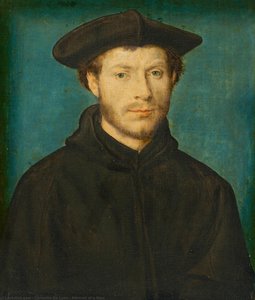
This exquisite oil painting by Corneille de Lyon, created around 1536, stands as a testament to the artistic fervor of the High Renaissance in Holland. Measuring just 17 x 14 cm, its diminutive size belies the profound depth and meticulous detail captured within its frame—a characteristic hallmark of Lyon’s oeuvre and indeed, of the era itself. Examining this artwork reveals not merely an image but a carefully constructed narrative of status, contemplation, and artistic mastery.The Artist and His Style: Lyon's Elegant Simplicity
Corneille de Lyon (1500 – 1575), born in The Hague, was a prolific painter whose reputation rested primarily on portraits and religious commissions. Unlike many of his contemporaries who embraced grandiose compositions and opulent palettes, Lyon favored a restrained aesthetic—a deliberate choice that allowed him to focus on capturing the subtle nuances of human expression and conveying an aura of dignified serenity. His style embodies the humanist ideals prevalent during this period, prioritizing clarity of form and psychological realism over mere decorative embellishment. As evidenced by numerous surviving works, Lyon’s meticulous brushwork and masterful use of light and shadow exemplify the Renaissance commitment to observation and scientific accuracy blended with artistic sensitivity.A Study in Detail: Technique and Composition
The painting utilizes oil on walnut panel—a technique favored for its ability to produce luminous colors and achieve remarkable textural richness. Lyon skillfully employs a limited color range, primarily focused on deep blues and muted browns, creating a harmonious backdrop that serves to accentuate the subject’s features. The artist's attention to detail is breathtaking; observe the delicate rendering of the man’s skin tone, capturing the subtle variations in hue and luminosity—a testament to Lyon’s understanding of anatomy and optics. Furthermore, the folds of his black robe are rendered with painstaking precision, conveying a sense of volume and drapery that contributes significantly to the painting's overall impression of grandeur. The placement of the subject within the frame is equally deliberate, positioning him centrally against a dark blue background—a compositional choice designed to draw the viewer’s gaze directly to his face and instill a feeling of contemplative stillness.Historical Context: Renaissance Portraiture and Noble Identity
Painted during Henri II's reign (1547–59), this portrait reflects the burgeoning humanist movement that championed reason, observation, and human dignity. The subject’s attire—a black robe adorned with a high collar—immediately signifies his elevated social standing, hinting at nobility or ecclesiastical affiliation. Such formal garments were commonplace during the Renaissance, serving as visual markers of status and authority. Moreover, the inclusion of accessories like a wide-brimmed hat and beard speaks to prevailing cultural conventions of the time, reinforcing the portrait’s depiction of an individual embodying the ideals of Renaissance refinement.Symbolism and Emotional Impact: Contemplation and Dignified Presence
Beyond its formal elements, “Portrait of a Man” communicates profound emotional resonance. The subject's gaze—directed squarely at the viewer—suggests introspection and thoughtfulness, inviting contemplation on themes of identity and inner life. Lyon’s masterful manipulation of light and shadow creates an atmosphere of solemn grandeur, conveying a sense of dignified presence and intellectual seriousness. This painting transcends mere representation; it aspires to capture not just what is seen but what is felt—a timeless achievement that continues to captivate audiences centuries later.Provenance and Recognition: A Legacy Preserved
Currently housed at the National Gallery of Art in Washington, D.C., “Portrait of a Man” has garnered considerable acclaim for its artistic merit and historical significance. Its inclusion in the ArtsDot.com collection underscores its enduring appeal to collectors and art enthusiasts alike. Further research into Lyon’s life and work reveals his contribution to the artistic landscape of the Low Countries during a pivotal moment in European history—a legacy secured through masterpieces like this remarkable portrait.Related Artworks
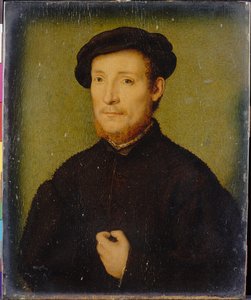
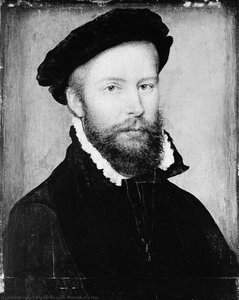
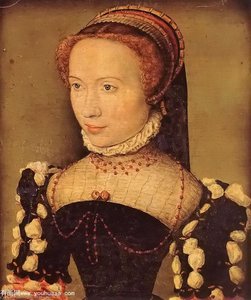
Artist Biography
A Courtly Gaze: The Life and Art of Corneille de Lyon
Corneille de Lyon, born Claude Corneille in The Hague around 1500 and passing away circa 1575, occupies a fascinating, if somewhat enigmatic, position within the history of Renaissance portraiture. He wasn’t merely a painter; he was an international presence, a chronicler of European nobility at a time of shifting power dynamics and burgeoning artistic innovation. While often referred to as Dutch, his career blossomed primarily in France, serving as *the* premier portraitist for Francis I and later, during the reigns of Henry II and Charles IX. His story is one of adaptation, skillful imitation, and ultimately, the creation of a distinctive style that captured not just likeness, but also the very essence of courtly life.From Northern Realism to French Elegance
Corneille’s early training remains largely undocumented, though it's believed he initially worked in the tradition of Early Netherlandish painting – a world steeped in meticulous detail and realistic representation. This foundation is visible in his earliest works, characterized by precise rendering of fabrics, jewelry, and facial features. However, upon arriving in France around 1524, Corneille encountered a different aesthetic sensibility. The French court favored a more refined, elegant style, heavily influenced by the Italian Renaissance masters like Leonardo da Vinci and Raphael. Crucially, he was exposed to the work of Hans Holbein the Younger, whose portraits – with their psychological depth and sophisticated use of color – profoundly impacted Corneille’s development. He didn't simply copy Holbein; instead, he synthesized Northern realism with Italian grace and Holbein’s penetrating character studies, forging a unique artistic language.The King’s Portraitist: A Career at the French Court
Corneille quickly ascended to become Francis I’s official portraitist, a position of immense prestige and responsibility. He wasn't painting grand allegorical scenes or religious narratives; his focus was almost exclusively on capturing the likenesses of the king, queen, courtiers, and visiting dignitaries. This specialization allowed him to hone an extraordinary skill in portraying status and power through subtle details – the cut of a garment, the arrangement of jewelry, the very posture of the sitter. His portraits are remarkably consistent in their format: typically half-length, with sitters posed against dark backgrounds, emphasizing their faces and elaborate attire. He employed a limited palette, favoring rich blacks, reds, and golds, which further enhanced the sense of opulence and authority. Hundreds of these miniature portraits were created, often as diplomatic gifts or keepsakes for members of the court. These weren’t intended to be monumental statements; they were intimate objects meant to circulate within a select circle, reinforcing social bonds and projecting an image of royal power.Beyond Likeness: Symbolism and Artistic Legacy
While celebrated for his technical skill, Corneille's work also reveals a subtle understanding of symbolism. The clothing worn by sitters often conveyed their rank or allegiance; jewelry could signify wealth, piety, or marital status. He was not merely recording appearances but constructing narratives about identity and belonging. His influence extended beyond the French court. He trained numerous artists, disseminating his style throughout France and contributing to the development of the “Lyon School” of painting – a group of portraitists known for their refined technique and elegant compositions. Although he didn’t invent new artistic techniques or explore radical subject matter, Corneille de Lyon perfected the art of the courtly portrait, leaving behind a vast body of work that provides an invaluable glimpse into the lives and personalities of 16th-century European nobility. His portraits remain compelling not just for their historical significance but also for their enduring beauty and psychological insight – a testament to the power of observation and the artistry of capturing a fleeting moment in time. His legacy is one of refined elegance, meticulous detail, and an unparalleled ability to portray the essence of courtly life.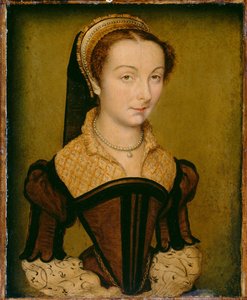
Corneille de Lyon
1500 - 1575 , Netherlands
Quick Facts
- Artistic Movement Or Style: High Renaissance
- Artists Or Movements Influenced By This Artist: ['Da Vinci family']
- Artists Who Influenced This Artist: ['Andrea del Verrocchio']
- Date Of Birth: April 15, 1452
- Date Of Death: May 2, 1519
- Full Name: Leonardo di ser Piero da Vinci
- Nationality: Italian
- Notable Artworks:
- Mona Lisa
- The Last Supper
- Vitruvian Man
- Place Of Birth: Vinci, Italy
Related Articles

Demandes Commerciales
APS ofrece reproducciones de bellas artes y encargos personalizados desde 2004. Confían en nosotros corporaciones, hoteles y coleccionistas selectos para obras de arte de calidad museística, servicio discreto y soluciones artísticas completas. ¡Póngase en contacto con nosotros para obtener un presupuesto personalizado!

Goya's Masterpieces: Explore 25 Iconic Paintings & Art Prints | ArtsDot
Delve into the world of Francisco Goya with ArtsDot. Explore 25 iconic paintings – from 'The Third of May' to his haunting Black Paintings. Discover the stories, techniques & emotions behind these Spanish masterpieces. Find museum-quality art reproductions for your home at ArtsDot.com!
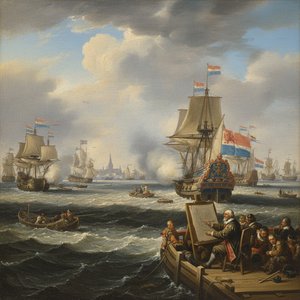
Willem van de Velde the Elder: Master of Maritime Painting & Chronicler of the Dutch Golden Age
Discover the captivating maritime paintings of Willem van de Velde the Elder, a master chronicler of the Dutch Golden Age. Explore his unparalleled realism and lasting influence on naval art history.
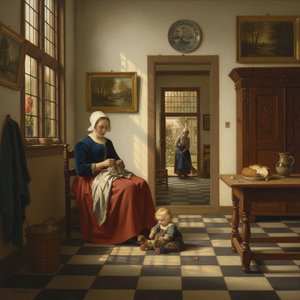
Pieter de Hooch: Illuminating Dutch Domestic Life & Golden Age Charm
Explore the captivating world of Pieter de Hooch, a master of Dutch Golden Age painting. Discover his innovative use of light, intimate domestic scenes, and lasting influence on art history. Learn more at ArtsDot.

A riguardo di noi
Découvrez notre histoire ! Nous apportons l'art de classe mondiale dans votre vie grâce à une sélection experte, des créations personnalisées et des aperçus gratuits. Approuvé par les particuliers et les entreprises depuis 2000.