

 Preview
 Send
Send Share
Share
 Details

 Download
 Similars
 X-Ray
X-Ray Diaporama
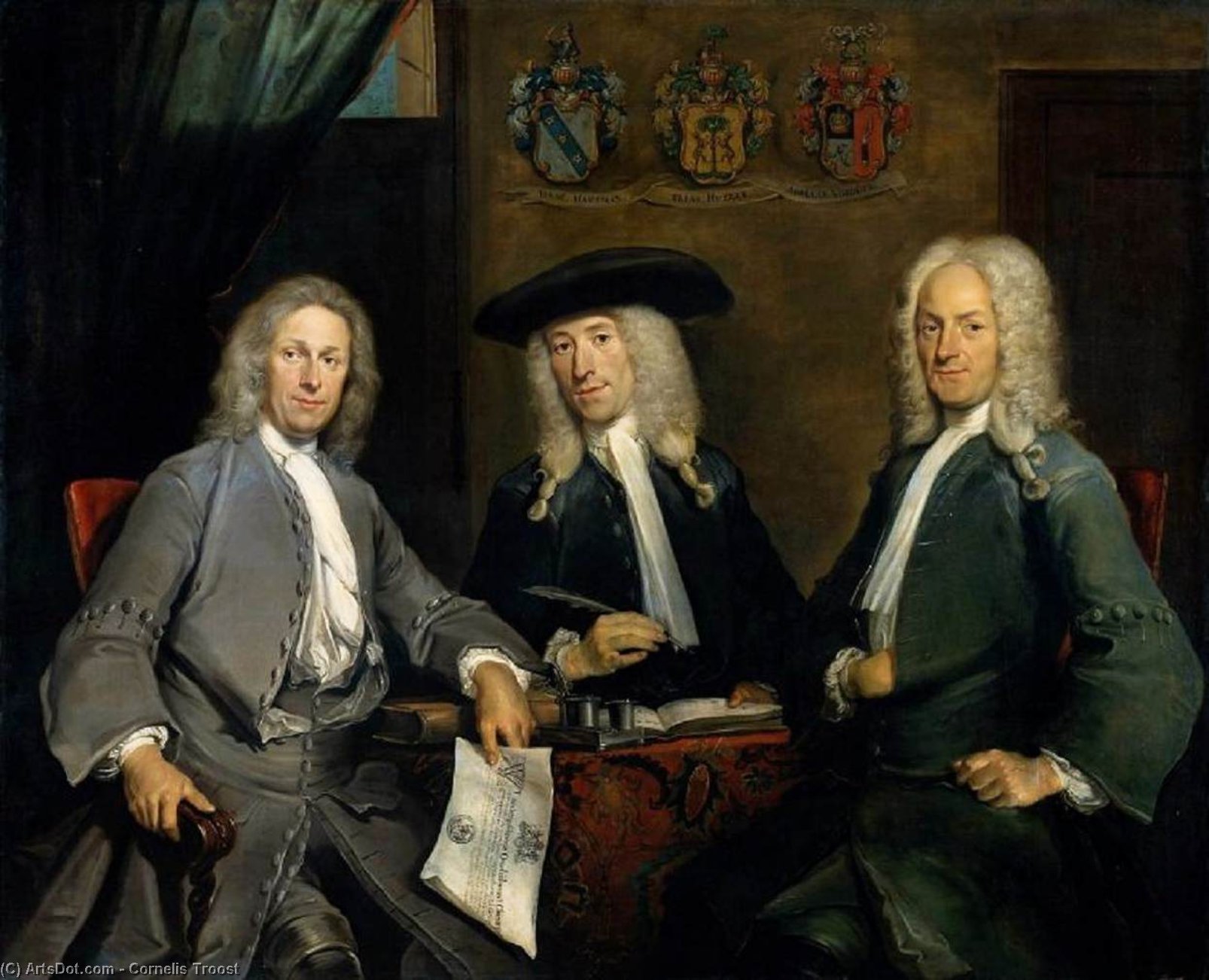
Three Governors of the Surgeons Guild, Amsterdam
 Oil On Canvas
- WallArt
- Rococo Genre
 1731
1731 153.0 x 187.0 cm
 Rijksmuseum
 Read More
Purchase a high-resolution, enhanced digital image, far superior to the online preview.
Each file is meticulously prepared by our in-house specialists using advanced tools and expert manual retouching. We ensure every image has exceptional clarity, precise color accuracy, and fine detail.
The final file is delivered via email within 72 hours, optimized for immediate use in professional, editorial, and print environments. This is the same quality trusted by top-tier design studios, publishers, and galleries.
Digital Image
Download a high-resolution file for personal display, printing, and creative projects. ( Buy Print Buy Hand Made Painting)
Included in Every Digital Image Order
Expert Digital Delivery, Guaranteed
When you choose ArtsDot.com, you're not just getting an image - you're receiving a professionally enhanced digital artwork, crafted with precision and backed by a satisfaction guarantee. Here's everything that comes with your order, automatically:

Fast Email Delivery
Your high-resolution digital image file will be emailed to you within 72 hours of ordering - ready for immediate use.

AI-Enhanced Digital File
Your artwork is professionally optimized using advanced AI tools and manual editing, ensuring maximum detail, clarity, and color accuracy.

Free Lifetime Re-Delivery
Accidentally deleted or lost your file? No worries - we'll resend it to you anytime, free of charge.

No Import Fees - Ever
Enjoy your artwork instantly with zero customs, duties, or delivery fees - digital downloads are always tax-free.

Color Accuracy Guarantee
We ensure your digital image reflects the original colors as closely as possible using professional tools and color management.

60-Day Satisfaction Guarantee
If you're not satisfied with your digital image, we'll revise it or refund 100% within 60 days - no questions asked.

100% Money-Back Guarantee
Not satisfied? Get a full refund within 60 days of receiving your digital file - no questions asked.

Bulk Order Discounts
Buy 3 images, save 10% - Buy 5, save 15% - Buy 10+, save 20%. Great for creative projects, galleries, and agencies.
Collectible Description
The Scene Unfolds: A Dutch Golden Age Tableau
Cornelis Troost’s “Three Governors of the Surgeons Guild, Amsterdam,” painted in 1731, isn't merely a portrait; it’s a meticulously crafted window into the heart of 18th-century Dutch society. The scene unfolds within the austere yet dignified confines of the Surgeons’ Guildhall, a space representing not just medical expertise but also civic authority and burgeoning commercial power. Three men – formally dressed in the deep hues of velvet and silk – are seated around a table laden with books and instruments, engaged in what appears to be a serious deliberation. The composition is remarkably balanced, drawing the eye across the scene with an almost hypnotic precision. Troost masterfully utilizes light and shadow to sculpt their forms, imbuing them with a palpable sense of gravitas and authority. The muted palette—dominated by browns, deep reds, and touches of gold—reflects the wealth and stability of the Dutch Republic at its zenith.
A Master of Rococo Detail: Troost’s Technique
Troost was a pivotal figure in the development of Dutch Rococo painting, a style characterized by its elegance, grace, and intricate detail. His skill lies not just in rendering likenesses but in capturing the very essence of his subjects – their status, intellect, and perhaps even their inner thoughts. Observe closely the subtle variations in texture—the heavy folds of the velvet robes, the sheen of the polished instruments, the delicate brushstrokes that define the faces. Troost employed a technique known as *sfumato*, softening edges and creating an atmospheric haze that adds depth and realism to the scene. The use of oil paints allowed for layering and blending, achieving a remarkable level of luminosity and richness in color. The painting’s surface is alive with tiny details—the patterns on the fabrics, the reflections in the instruments, the subtle expressions on the men's faces – all testament to Troost’s painstaking attention to detail.
Symbolism Woven into the Fabric of Power
Beyond a simple depiction of guild members, “Three Governors” is rich with symbolic meaning. The Surgeons’ Guild itself represented a burgeoning profession—one that was increasingly integrated into the fabric of Dutch society and contributing significantly to public health and well-being. The men seated at the table are not just doctors; they are representatives of civic leadership, entrusted with overseeing the administration of justice and maintaining order within Amsterdam. The books on the table likely represent legal texts, medical treatises, and perhaps even accounts—symbols of knowledge, responsibility, and governance. The arrangement of their bodies around the table suggests a collaborative effort, highlighting the importance of shared decision-making in a complex society. The inclusion of instruments speaks to the practical application of their authority – the ability to heal and protect the populace.
A Window into Amsterdam’s Golden Age
Painted during the height of the Dutch Golden Age, this artwork offers a captivating glimpse into a period of unprecedented prosperity, artistic innovation, and intellectual ferment. Amsterdam was a global center for trade, science, and culture—a vibrant hub where ideas flowed freely and new discoveries were constantly being made. Troost’s painting captures not just the outward appearance of wealth and power but also the underlying values that underpinned this remarkable era: diligence, scholarship, and civic responsibility. The work serves as a poignant reminder of Amsterdam's legacy as a pioneering city—a place where art, commerce, and governance converged to create a truly exceptional society. The painting’s enduring appeal lies in its ability to transport us back in time, allowing us to experience the grandeur and sophistication of 18th-century Dutch life.
Related Artworks

Artist Biography
A Window into Amsterdam’s Golden Age
Cornelis Troost, a name inextricably linked to the vibrant tapestry of 18th-century Amsterdam, was more than just an artist; he was a keen observer and masterful recorder of his era. Born in the heart of the Dutch Republic on October 8, 1696, in Amsterdam, Troost’s journey from aspiring actor to celebrated painter reveals a fascinating confluence of artistic passions and personal transformation. Initially trained as a performer on the stage, he found his true calling not amidst applause and drama, but within the meticulous detail and subtle nuances of painting. His life's trajectory is marked by a deliberate shift – a conscious rejection of the spotlight for the quiet contemplation of brushstrokes, ultimately leading him to become one of the most significant figures in Dutch Rococo genre art.
Troost’s artistic education began under the tutelage of Arnold Boonen, a respected portraitist who recognized his student's innate talent. This apprenticeship provided a crucial foundation, but it was Troost’s early drawings that truly showcased his distinctive style – particularly one dated 1708 depicting Prince Eugene of Savoy and the notorious bookseller and spy, Louis Renard, engaging in clandestine activities within a luxurious Amsterdam brothel. This piece, brimming with wit and intrigue, hinted at the themes he would later explore with such captivating skill: the complexities of social life, the allure of pleasure, and the hidden currents beneath the veneer of respectability.
The Elegance of Rococo and Social Narrative
As his career matured, Troost became a master of capturing the delicate balance between frivolity and sophistication. His work was undoubtedly influenced by the prevailing artistic trends of his time, including the dramatic compositions of William Hogarth, known for his satirical depictions of London society, and the elegant grace of French masters like Watteau, Boucher, and Lancret. This synthesis of Dutch realism and French Rococo elegance allowed him to create works that were both deeply grounded in local reality and exquisitely refined.
His repertoire was remarkably diverse, ranging from intimate portraits to monumental group compositions. Some of his most enduring contributions to the art world include:
- Portrait of the Inspectors of the Collegium Medicum (1724): A stunning Rococo oil painting that showcases the height of 18th-century Dutch artistry and institutional elegance.
- Portrait of Maria Magdalena Stavenisse (c. 1726): A Baroque masterpiece that utilizes refined detail to showcase aristocratic wealth and status.
- Regents of the Aalmoezeniersweeshuis Orphanage (1729): A monumental group portrait that serves as a window into the social structures of Amsterdam, utilizing dramatic lighting and an opulent setting to convey a sense of civic importance.
Legacy of a Master Observer
The significance of Cornelis Troost lies in his ability to act as a visual historian for a period of transition. While the era of the great Dutch Golden Age masters had passed, Troost breathed new life into the Dutch tradition by infusing it with the lightheartedness and decorative charm of the Rococo movement. His paintings do not merely depict faces; they capture the spirit of an age—the rustle of silk, the flicker of candlelight, and the subtle social hierarchies of Amsterdam's upper class.
Through his witty portraits and captivating genre scenes, Troost left behind a legacy that continues to enchant viewers. He remains a pivotal figure who bridged the gap between the heavy, dramatic traditions of the 17th century and the airy, graceful aesthetics of the 18th century, ensuring that the social nuances of his beloved Amsterdam would be preserved in pigment for generations to come.
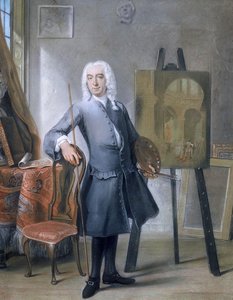
Cornelis Troost
1696 - 1750 , Netherlands
Quick Facts
- Artistic Movement Or Style: Rococo genre scenes
- Artists Or Movements Influenced By This Artist: ['Sara Troost']
- Artists Who Influenced This Artist:
- William Hogarth
- Watteau
- Boucher
- Lancret
- Date Of Birth: October 8, 1696
- Date Of Death: March 7, 1750
- Full Name: Cornelis Troost
- Nationality: Dutch
- Notable Artworks:
- NELRI series
- Jeronimus Tonneman
- Inspectors of Collegium
- Place Of Birth: Amsterdam, Netherlands

