 Preview
 Send
Send Share
Share
 Details

 Download
 Similars
 X-Ray
X-Ray Diaporama
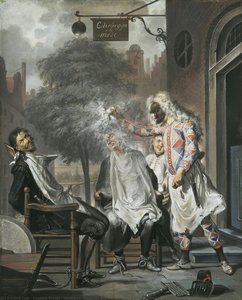
Harlequin, Magician and Barber: The Rivals Exposed


 Read More
Hand Made Oil Reproduction
Hand-painted oil on canvas in your size and frame, made to order by our artists. ( Buy Print Buy Image)




P118B $10

P118H $10

P118W $10

P438Z $10

P508JH $12

P508YH $12

P805H $10

P805Z $10

P919BZ $10

P919G $10

P919XJ $10

P959ZH $10

P968JZ $12

W106C $8

W218G $10

W218JH $8

W218Y $10

W307PJ $10

W316G $10

W316PJ $8

W316Y $10

W398PJ $8

W4111J $10

W500HY $15

W500JH $15

W692G $12

W849H $8

W940BG $15

W953PJ $8




Pick from our preset sizes that match the artwork's original proportions.

You may enter your own dimensions to fit a specific frame or space. If your selected size does not match the original image's proportions, we will either crop the artwork or extend the painting with additional hand-painted elements. A digital mockup will be sent for your approval before production begins.
Please note that the on-screen preview does not reflect the actual cropping or extension. Only the mockup will accurately show the final composition.
While custom sizes are available, we recommend selecting a dimension from the predefined list to preserve the original proportions.
After order, ArtsDot.com team will email client for instructions and provide a mockup preview
Worldwide Delivery () in 3/4 weeks instead of standard 5 weeks. (16 August). No compromise on quality.

Free Worldwide Express Shipping

High-Quality Linen Canvas

Full Shipping Insurance

Customs Tax Refund Guarantee

True Color Matching Guarantee

60-Day Return Policy (Defects Only)

100% Money-Back Guarantee

Bulk Discount Offer
 Glass option is only available in size under 110 CM

Harlequin, Magician and Barber: The Rivals Exposed
Reproduction Medium
Reproduction Size
-


Total Price
$ 313
Artwork Description
A Glimpse into 18th-Century Amsterdam: Cornelis Troost’s ‘Harlequin, Magician and Barber’
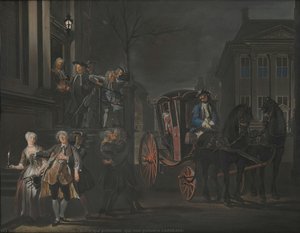
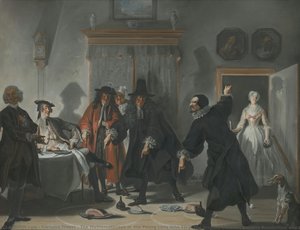
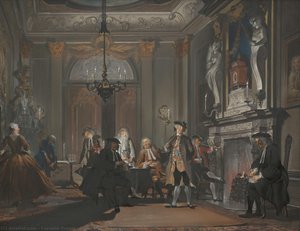
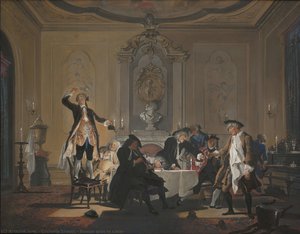
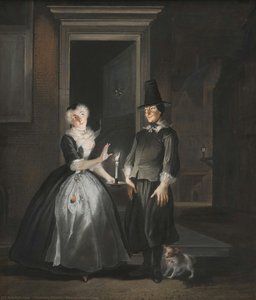
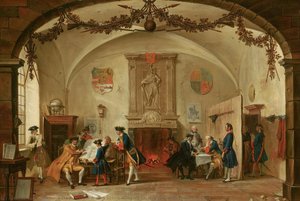
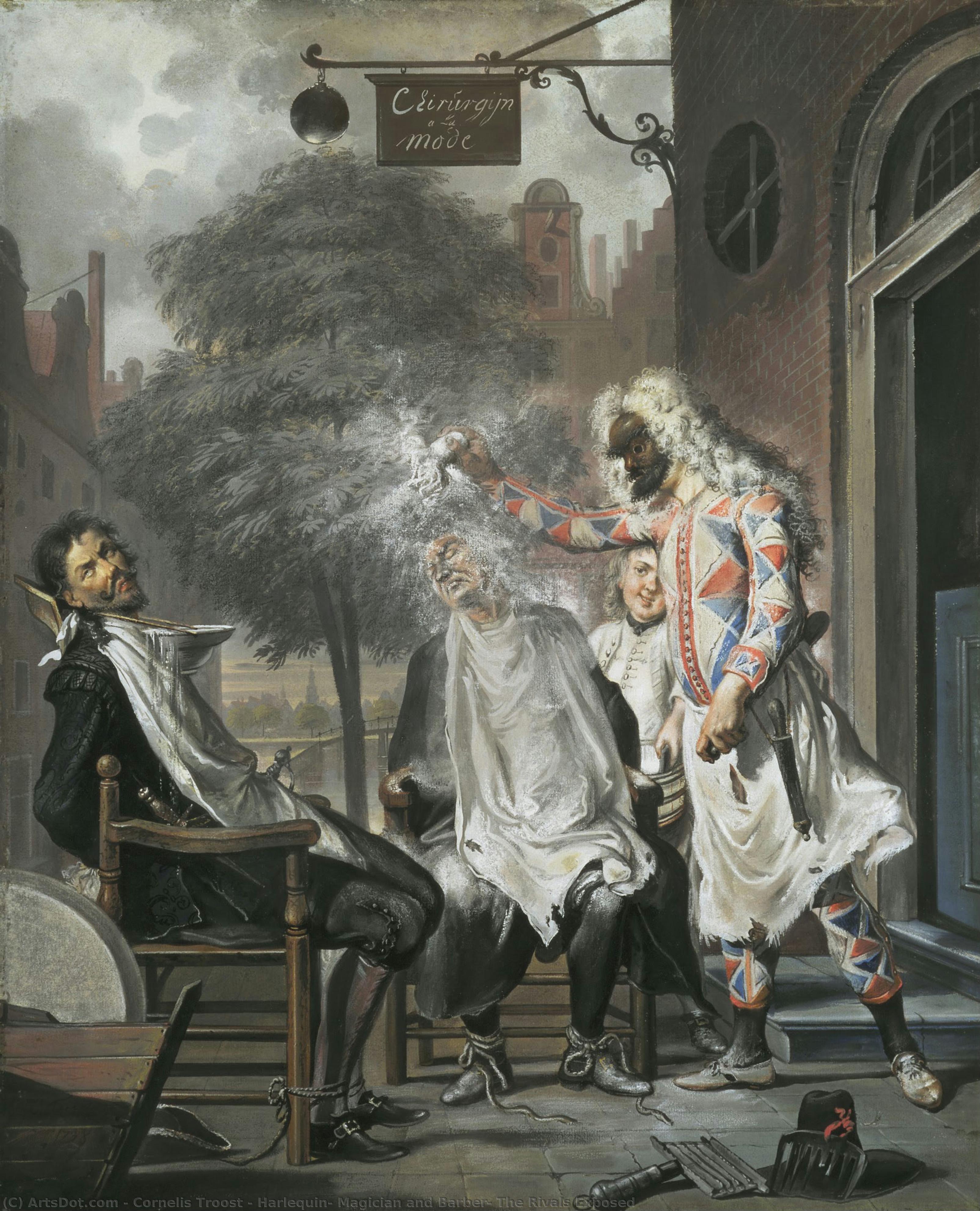
Cornelis Troost's “Harlequin, Magician and Barber: The Rivals Exposed,” painted in 1738, isn’t merely a depiction of a bustling street scene; it’s a meticulously crafted window into the social fabric and subtle anxieties of 18th-century Amsterdam. This Baroque masterpiece, now housed within the Mauritshuis museum in The Hague, pulsates with life—a vibrant tableau of commerce, class distinctions, and perhaps even a touch of subversive commentary. Troost, a former actor who transitioned to painting, masterfully captures the energy of the city through a complex interplay of figures, light, and shadow, creating an image that simultaneously delights and subtly unsettles.
The scene unfolds outdoors, seemingly in front of a barber shop indicated by the sign Coiffeur et Mode. A curious interaction is taking place between three figures: a barber, a harlequin/magician, and what appears to be an elaborately costumed individual. The composition is structured around this central dynamic, with each character positioned to emphasize their role in the unfolding narrative. The muted earth tones of the background – browns, creams, and subtle greens – serve as a grounding force, allowing the more flamboyant figures to command attention. Notice the strategic placement of a tree behind the figures, partially obscuring the buildings and creating depth within the composition; this isn’t simply decorative but contributes to the overall sense of layered reality.
The Character of Harlequin: Mischief and Social Commentary
At the heart of the painting stands the harlequin figure – a character deeply rooted in Italian commedia dell'arte. More than just a playful trickster, this Harlequin embodies a complex blend of wit, cunning, and a subtle challenge to established order. His checkered costume, instantly recognizable, is a visual shorthand for his disruptive nature. Observe how he leans towards the seated barber, seemingly orchestrating the scene with a knowing glance – a suggestion that he’s not merely an observer but actively manipulating events. The dark-skinned man being styled by the barber immediately draws the eye; this detail invites reflection on the racial dynamics of the era and potentially serves as a pointed commentary on colonialism and exoticism, prevalent themes in 18th-century art.
The other figures add layers to this social tapestry. The seated barber, dressed in relatively simple attire, represents the established profession – a symbol of order and respectability. His posture suggests a degree of weariness or perhaps even disdain as he attends to his client. The man receiving the haircut is clad in a flowing white robe and slippers, suggesting a performer or someone accustomed to theatrical display. His posture conveys a degree of discomfort or vulnerability as he endures the barber’s ministrations. And finally, the most striking element is undoubtedly the individual in the elaborate costume – a patchwork of red, white, and blue squares reminiscent of a jesters attire. This character stands close to the seated figures, his posture suggesting an assertive intrusion into their interaction. His face is partially obscured by a large, powdered wig, adding to the air of theatricality and mystery surrounding him.
Technique and Historical Context: A Rococo Masterpiece
Troost’s masterful technique—characterized by meticulous brushwork and a rich layering of colors—brings this scene to life with remarkable detail. The oil paints on canvas create textures that are both tactile and visually engaging, from the sheen of the fabrics to the rough bark of the tree. The painting is firmly rooted in the Rococo style, evident in its dynamic composition, playful use of light and shadow, and attention to decorative details. Painted in 1738, it reflects a period of burgeoning wealth and social change in Amsterdam – a city at the heart of global trade and cultural exchange. The presence of the British flag on one of the assistants’ aprons adds another layer of complexity to the image, potentially referencing trade and power dynamics between England and the Dutch Republic.
Symbolism and Emotional Resonance
Beyond its surface depiction, “Harlequin, Magician and Barber: The Rivals Exposed” is rich in symbolism. The painting can be interpreted as a commentary on social hierarchies, the blurring of class lines, and the performative nature of identity. The harlequin’s antics challenge the established order, while the barber represents the forces of conformity. The scene invites us to consider the tensions between tradition and innovation, stability and disruption. Ultimately, Troost's work is a captivating exploration of human interaction, social dynamics, and the enduring power of visual storytelling – an artwork that continues to resonate with viewers centuries after its creation.
Related Artworks

Artist Biography
A Window into Amsterdam’s Golden Age
Cornelis Troost, a name inextricably linked to the vibrant tapestry of 18th-century Amsterdam, was more than just an artist; he was a keen observer and masterful recorder of his era. Born in the heart of the Dutch Republic on October 8, 1696, in Amsterdam, Troost’s journey from aspiring actor to celebrated painter reveals a fascinating confluence of artistic passions and personal transformation. Initially trained as a performer on the stage, he found his true calling not amidst applause and drama, but within the meticulous detail and subtle nuances of painting. His life's trajectory is marked by a deliberate shift – a conscious rejection of the spotlight for the quiet contemplation of brushstrokes, ultimately leading him to become one of the most significant figures in Dutch Rococo genre art.
Troost’s artistic education began under the tutelage of Arnold Boonen, a respected portraitist who recognized his student's innate talent. This apprenticeship provided a crucial foundation, but it was Troost’s early drawings that truly showcased his distinctive style – particularly one dated 1708 depicting Prince Eugene of Savoy and the notorious bookseller and spy, Louis Renard, engaging in clandestine activities within a luxurious Amsterdam brothel. This piece, brimming with wit and intrigue, hinted at the themes he would later explore with such captivating skill: the complexities of social life, the allure of pleasure, and the hidden currents beneath the veneer of respectability.
The Elegance of Rococo and Social Narrative
As his career matured, Troost became a master of capturing the delicate balance between frivolity and sophistication. His work was undoubtedly influenced by the prevailing artistic trends of his time, including the dramatic compositions of William Hogarth, known for his satirical depictions of London society, and the elegant grace of French masters like Watteau, Boucher, and Lancret. This synthesis of Dutch realism and French Rococo elegance allowed him to create works that were both deeply grounded in local reality and exquisitely refined.
His repertoire was remarkably diverse, ranging from intimate portraits to monumental group compositions. Some of his most enduring contributions to the art world include:
- Portrait of the Inspectors of the Collegium Medicum (1724): A stunning Rococo oil painting that showcases the height of 18th-century Dutch artistry and institutional elegance.
- Portrait of Maria Magdalena Stavenisse (c. 1726): A Baroque masterpiece that utilizes refined detail to showcase aristocratic wealth and status.
- Regents of the Aalmoezeniersweeshuis Orphanage (1729): A monumental group portrait that serves as a window into the social structures of Amsterdam, utilizing dramatic lighting and an opulent setting to convey a sense of civic importance.
Legacy of a Master Observer
The significance of Cornelis Troost lies in his ability to act as a visual historian for a period of transition. While the era of the great Dutch Golden Age masters had passed, Troost breathed new life into the Dutch tradition by infusing it with the lightheartedness and decorative charm of the Rococo movement. His paintings do not merely depict faces; they capture the spirit of an age—the rustle of silk, the flicker of candlelight, and the subtle social hierarchies of Amsterdam's upper class.
Through his witty portraits and captivating genre scenes, Troost left behind a legacy that continues to enchant viewers. He remains a pivotal figure who bridged the gap between the heavy, dramatic traditions of the 17th century and the airy, graceful aesthetics of the 18th century, ensuring that the social nuances of his beloved Amsterdam would be preserved in pigment for generations to come.
Cornelis Troost
1696 - 1750 , Netherlands
Quick Facts
- Artistic Movement Or Style: Rococo genre scenes
- Artists Or Movements Influenced By This Artist: ['Sara Troost']
- Artists Who Influenced This Artist:
- William Hogarth
- Watteau
- Boucher
- Lancret
- Date Of Birth: October 8, 1696
- Date Of Death: March 7, 1750
- Full Name: Cornelis Troost
- Nationality: Dutch
- Notable Artworks:
- NELRI series
- Jeronimus Tonneman
- Inspectors of Collegium
- Place Of Birth: Amsterdam, Netherlands
Related Articles

Golden Age Reflections: Dutch Baroque Painting & Cultural Innovation
Explore the Dutch Golden Age of painting! Discover key artists like Vermeer & ter Borch, their innovative techniques, and the rich cultural context behind these Baroque masterpieces. Learn about collecting & appreciating this iconic art period.

Dutch Masters: 10 Golden Age Paintings That Still Inspire |
Journey into the Dutch Golden Age! Explore 10 iconic paintings by Rembrandt, Vermeer & Hals. Discover the stories behind these Baroque masterpieces and find museum-quality art reproductions to elevate your home decor on .

Dutch Baroque Masters: 10 Paintings That Shaped an Era | ArtsDot
Journey through the Golden Age with our guide to the Top 10 Dutch Baroque masterpieces! Explore iconic paintings by Rembrandt, Vermeer & Frans Hals. Find museum-quality art reproductions and elevate your home decor at ArtsDot.com.

Illuminating Innovation: Exploring the Dutch Golden Age of Painting
Explore the Dutch Golden Age of painting with ArtsDot. Discover Rembrandt, Vermeer & other Masters. Learn about key characteristics, iconic artworks, and lasting influence. Expert insights for collectors & enthusiasts.

Illuminating Realism: Exploring the Dutch Golden Age of Painting (1600-1700)
Explore the Dutch Golden Age of painting (1600-1700) with ArtsDot. Discover Rembrandt, Vermeer & other masters. Learn about techniques, history & find museum-quality reproductions.