 Preview
 Send
Send Share
Share
 Details

 Download
 Similars
 X-Ray
X-Ray Diaporama
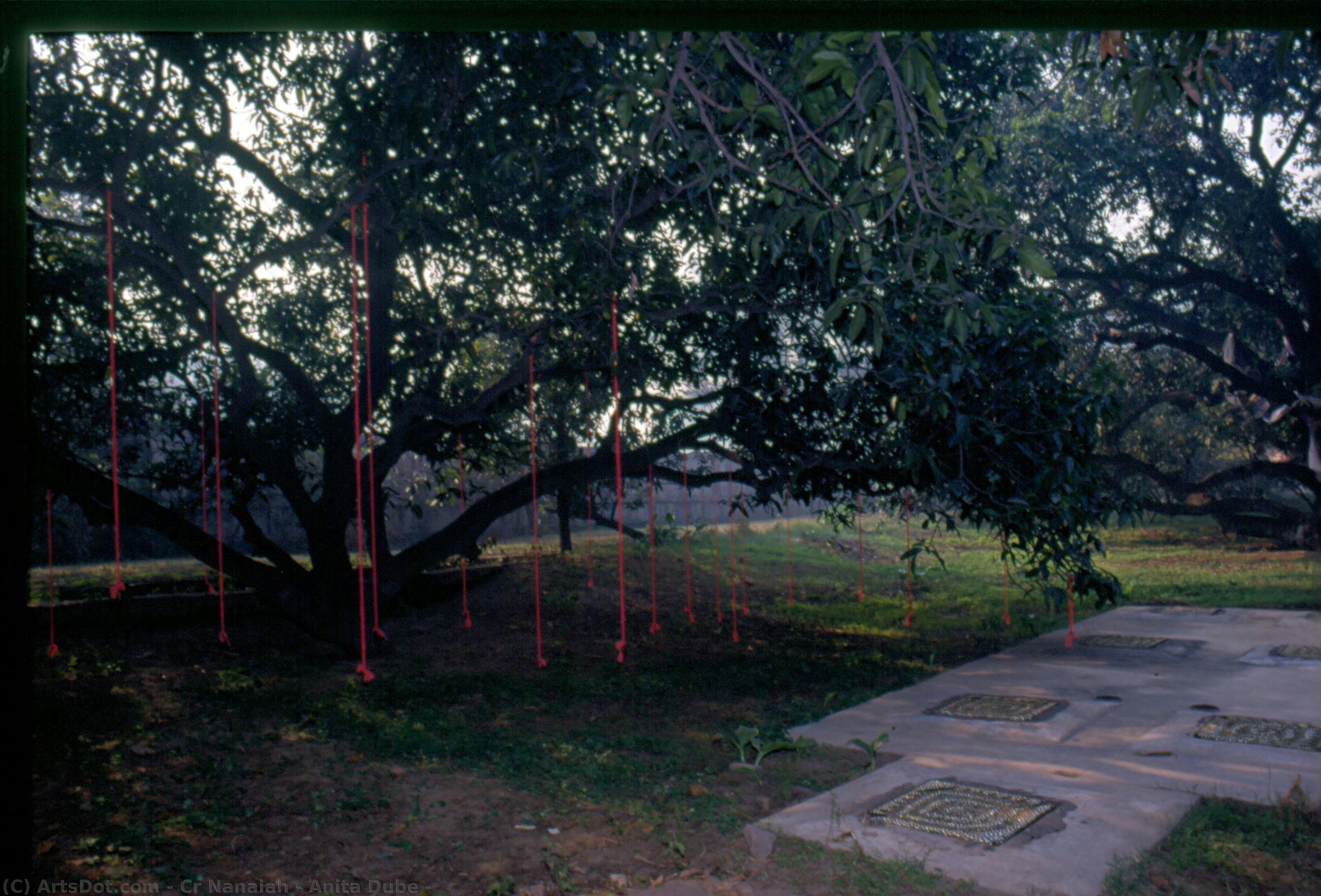
Untitled (DD3AQQ)


 Read More
Giclée / Art Print
Museum-quality giclée or canvas print with fast production and flexible finish options. ( Buy Hand Made Painting Buy Image)




































Pick from our preset sizes that match the artwork's original proportions.

You may enter your own dimensions to fit a specific frame or space. If your selected size does not match the original image's proportions, we will either crop the artwork or extend the image with a mirrored or solid-fill edge. A digital mockup will be sent for your approval before production begins.
Please note that the on-screen preview does not reflect the actual cropping or extension. Only the mockup will accurately show the final composition.
While custom sizes are available, we recommend selecting a dimension from the predefined list to preserve the original proportions.
Worldwide Delivery () in 2 weeks instead of standard 4/5 weeks. (23 August)

Free Worldwide Express Shipping

High-Quality Linen Canvas

Full Shipping Insurance

Customs Tax Refund Guarantee

True Color Matching Guarantee

60-Day Return Policy (Defects Only)

100% Money-Back Guarantee

Bulk Discount Offer
 Glass option is only available in size under 110 CM

Untitled (DD3AQQ)
Giclée / Art Print
Reproduction Size
-


Total Price
$ 63
Collectible Description
Related Artworks
Artist Biography
Anita Dube: Sculpting Memory and Challenging Conventions
Born in Lucknow, India, in 1958, Anita Dube’s journey from art historian to critically acclaimed visual artist is a testament to her intellectual rigor and profound engagement with the complexities of Indian society. Her work, often characterized by its evocative blend of personal memory, social commentary, and mythological resonance, has established her as a significant voice in contemporary Indian art. Dube's career trajectory reflects a deliberate evolution—a shift from analyzing artistic traditions to actively shaping them through her own unique practice.
Dube’s early education laid the groundwork for her later artistic explorations. Studying art history at Delhi University and subsequently earning an MFA from Baroda University, she developed a deep understanding of Western art while simultaneously immersing herself in the rich tapestry of Indian artistic heritage. This dual perspective proved crucial, informing her approach to creating works that seamlessly integrate historical references with contemporary concerns. A pivotal moment occurred during her involvement with the Indian Radical Painters and Sculptors Association (IRPSA) in the late 1980s. This collective, a radical departure from the established norms of the art world at the time, challenged conventional notions of artistic representation and sought to infuse art with political and social urgency. Dube’s participation in IRPSA marked a turning point, propelling her into the forefront of India's burgeoning contemporary art scene.
The Language of Fragments
Dube’s artistic language is immediately recognizable for its embrace of fragmented forms and unconventional materials. Rejecting traditional sculptural techniques, she frequently employs industrial components—foam, plastic, wire—alongside craft elements like thread, beads, and velvet. This juxtaposition creates a compelling tension between the familiar and the unexpected, inviting viewers to contemplate the inherent beauty within discarded or repurposed objects. Her use of the human body – dentures, bone fragments – adds another layer of complexity, tapping into themes of mortality, loss, and regeneration. These seemingly disparate elements coalesce to form sculptures that are both visually arresting and deeply symbolic.
A key aspect of Dube’s work is her exploration of memory—both personal and collective. She often incorporates references to mythology and archetypal imagery, drawing upon ancient narratives to illuminate contemporary social issues. Her 1997 installation, “How to Draw a Line Without Dots (left) & Soap/Lick (right),” exemplifies this approach. The piece, depicting a simple line alongside a bar of soap and a lick, is deceptively complex, prompting viewers to consider the act of drawing, the materiality of objects, and the relationship between representation and reality. This work, along with many others, demonstrates Dube’s ability to transform seemingly mundane subjects into potent symbols of cultural and political significance.
Spatial Engagement and Conceptual Depth
Dube's sculptures are rarely static; they are carefully positioned within spaces to encourage a dynamic interaction between the artwork and the viewer. This spatial consideration is integral to her artistic vision, inviting viewers to engage with the work on an experiential level. Her pieces often evoke a sense of quiet contemplation, prompting reflection on themes of loss, memory, and social justice. The deliberate placement of these sculptures within galleries and public spaces transforms them into sites of dialogue and critical inquiry.
Furthermore, Dube’s work is deeply rooted in conceptual thinking. She challenges traditional notions of beauty and artistic value, questioning the commodification of art and advocating for a more authentic engagement with social issues. Her commitment to exploring complex themes—migration, memory, mythology—has solidified her position as a leading figure in contemporary Indian art.
Recognition and Legacy
Anita Dube’s work has been exhibited extensively both nationally and internationally, including at the Kiasma Museum of Contemporary Art in Helsinki, the Yokohama Triennale, and the VII Havana Biennale. Her sculptures have garnered critical acclaim for their conceptual depth, innovative use of materials, and powerful engagement with social issues. She continues to be a vital voice in the Indian art world, pushing boundaries and challenging conventions through her deeply personal and profoundly insightful work.
Dube’s influence extends beyond her own artistic practice. Her involvement with IRPSA helped shape the trajectory of contemporary Indian art, fostering a spirit of experimentation and critical engagement. Her legacy is one of intellectual rigor, creative innovation, and unwavering commitment to social justice—a testament to the power of art as a vehicle for dialogue and transformation.
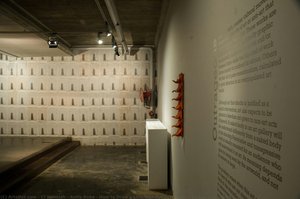
cr nanaiah & anita dube
India
Quick Facts
- Artistic Movement Or Style: Contemporary Art
- Artists Or Movements Influenced By This Artist: ['Radical Indian Art']
- Artists Who Influenced This Artist: ['cr Nanaiah']
- Date Of Birth: November 28, 1958
- Full Name: Anita Dube
- Nationality: Indian
- Notable Artworks:
- Splitting the Subject
- Untitled (DD3AQQ)
- Silence (Blood Wedding)
- Place Of Birth: Lucknow, India
Related Articles
Raja Ravi Varma: Bridging Tradition & Modernity in 19th-Century Indian Art
Explore the life & art of Raja Ravi Varma, a pioneer who fused European techniques with Indian iconography. Discover his iconic paintings, lasting legacy, and influence on modern Indian art at ArtsDot.
The Aesthetic Catalyst: Leveraging Art Installations for Guest Engagement & Organic Social Marketing
Discover how strategic art installations elevate hotel experiences & drive organic social visibility. Expert insights on design, ROI, guest engagement, and creating unforgettable spaces for luxury hospitality brands.
Richard Wilson: Deconstructing Landscape & Memory in Contemporary Installation Art
Explore Richard Wilson's groundbreaking landscape paintings & his enduring influence on contemporary installation art. Discover investment opportunities, provenance insights & the materiality of memory in this expert analysis.

Transforming Hospitality Spaces: A Comprehensive Approach to Hotel Art Procurement and Installation for Consistent Brand Aesthetics
Elevate your hotel's aesthetic with expert art procurement & installation services. Discover how strategic artwork enhances guest experiences & reinforces brand identity. Get a free consultation!
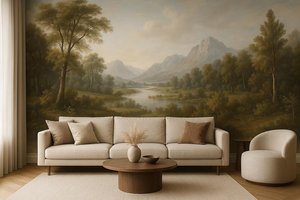
F.A.Q.: Wall Murals & Frescoes – Customization, Scale & Installation for Elite Collectors
provides bespoke wall murals & frescoes for elite collectors. Discover custom scale options, professional installation, and expert artistry. Commission a unique masterpiece today.