 Preview
 Send
Send Share
Share
 Details

 Download
 Similars
 X-Ray
X-Ray Diaporama
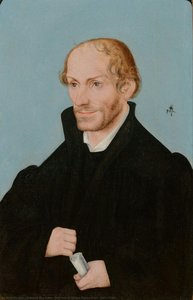
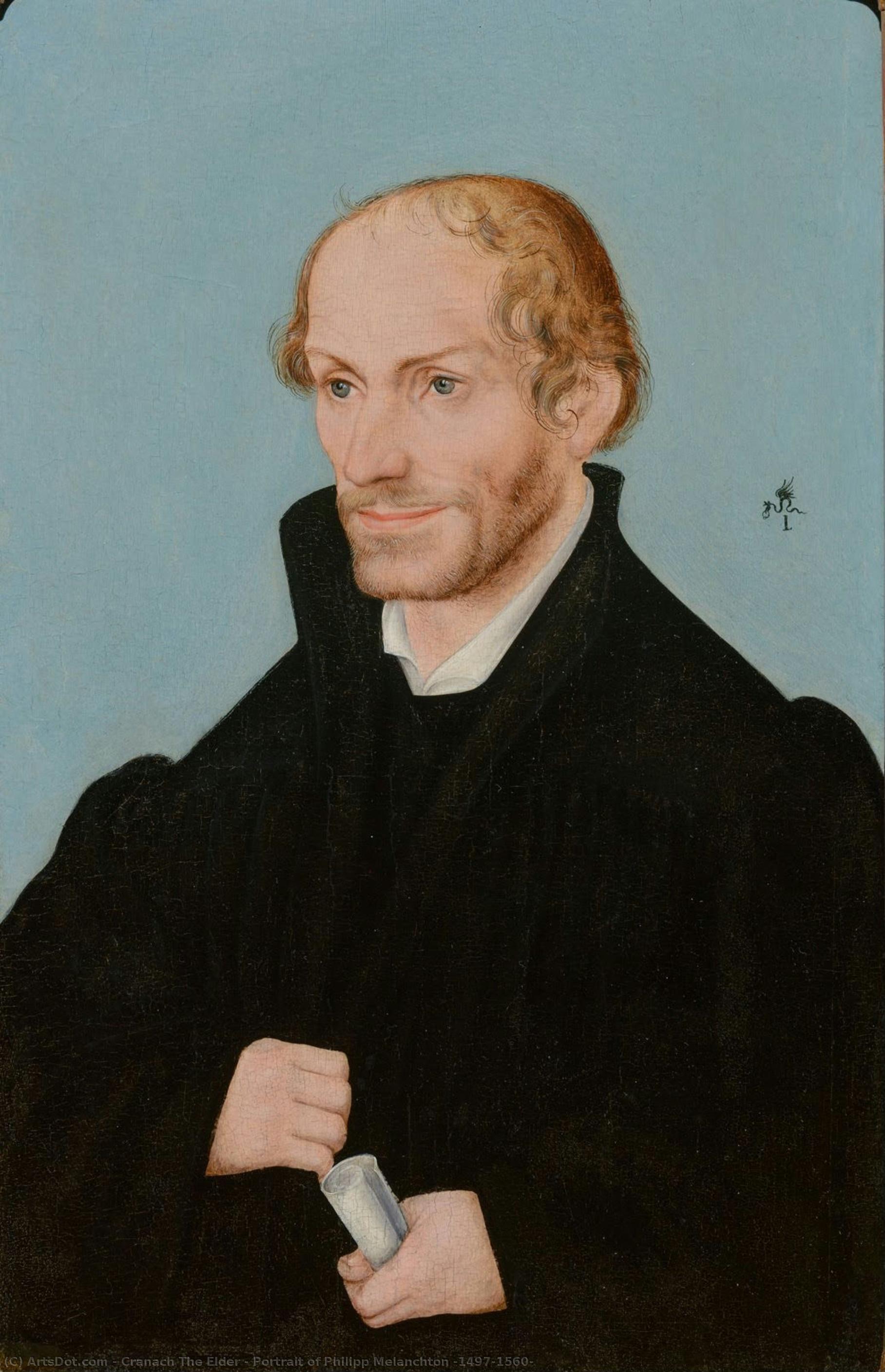
Portrait of Philipp Melanchton (1497-1560)
 Oil On Canvas
- WallArt
- Renaissance Portraiture
 1545
1545 36.0 x 23.0 cm
 Mauritshuis
 Read More
Hand Made Oil Reproduction
Hand-painted oil on canvas in your size and frame, made to order by our artists. ( Buy Print Buy Image)




P118B $10

P118H $10

P118W $10

P438Z $10

P508JH $12

P508YH $12

P805H $10

P805Z $10

P919BZ $10

P919G $10

P919XJ $10

P959ZH $10

P968JZ $12

W106C $8

W218G $10

W218JH $8

W218Y $10

W307PJ $10

W316G $10

W316PJ $8

W316Y $10

W398PJ $8

W4111J $10

W500HY $15

W500JH $15

W692G $12

W849H $8

W940BG $15

W953PJ $8




Pick from our preset sizes that match the artwork's original proportions.

You may enter your own dimensions to fit a specific frame or space. If your selected size does not match the original image's proportions, we will either crop the artwork or extend the painting with additional hand-painted elements. A digital mockup will be sent for your approval before production begins.
Please note that the on-screen preview does not reflect the actual cropping or extension. Only the mockup will accurately show the final composition.
While custom sizes are available, we recommend selecting a dimension from the predefined list to preserve the original proportions.
After order, ArtsDot.com team will email client for instructions and provide a mockup preview
Worldwide Delivery () in 3/4 weeks instead of standard 5 weeks. (26 August). No compromise on quality.

Free Worldwide Express Shipping

High-Quality Linen Canvas

Full Shipping Insurance

Customs Tax Refund Guarantee

True Color Matching Guarantee

60-Day Return Policy (Defects Only)

100% Money-Back Guarantee

Bulk Discount Offer
 Glass option is only available in size under 110 CM

Portrait of Philipp Melanchton (1497-1560)
Reproduction Medium
Reproduction Size
-


Total Price
$ 263
Artwork Description
Portrait of Philipp Melanchton (1497-1560) – A Renaissance Reflection on Faith and Dignity
Lucas Cranach the Elder’s depiction of Philipp Melanchton, completed in 1545, stands as a cornerstone of German Renaissance portraiture. More than just a likeness, it embodies the humanist ideals prevalent during Luther's Reformation, capturing not merely physical appearance but also intellectual conviction and spiritual contemplation—a testament to Cranach’s masterful ability to convey inner character through visual form. The painting resides in the Kunstmuseum Basel, offering visitors an unparalleled opportunity to experience this iconic artwork firsthand.- Subject Matter & Context: Melanchton, a Lutheran theologian and humanist scholar, was Cranach's prominent patron during his formative years. Commissioned shortly after Luther’s challenge to papal authority, the portrait reflects the burgeoning spirit of reform within Wittenberg and beyond. Cranach skillfully portrays Melanchton as a figure of profound seriousness, embodying the intellectual fervor that characterized the era.
- Composition & Style: The half-length pose is typical of Renaissance portraiture, prioritizing dignity and composure. Cranach employs a balanced composition, placing Melanchton slightly off-center against a muted blue backdrop—a deliberate choice designed to minimize distraction and focus attention on the subject’s face. His style aligns with the Northern Renaissance tradition, characterized by elongated figures and delicate coloration, demonstrating Cranach's meticulous observation of anatomy and his commitment to capturing subtle nuances of expression.
- Color Palette & Technique: Cranach utilizes a restrained color palette dominated by cool blues and blacks—a palette that underscores Melanchton’s solemn demeanor. Flesh tones provide warmth against the darker robe, while hints of brown contribute textural depth. The artist employs oil paint on panel with painstaking detail, layering colors to achieve remarkable luminosity and capturing the sheen of fabric through skillful hatching techniques. This meticulous approach exemplifies Cranach's dedication to realism and elevates the portrait beyond mere representation.
- Symbolism & Emotion: The rolled paper held by Melanchton’s hand serves as a potent symbol—likely representing scholarly pursuits, theological treatises, or perhaps even the weighty responsibilities of leadership. His gaze directed slightly to the right conveys introspection and thoughtfulness, inviting viewers to contemplate the complexities of faith and intellect. Cranach's portrayal captures not only Melanchton's physical presence but also his inner spirit, conveying a sense of dignified contemplation.
- Legacy & Influence: Cranach’s Portrait of Philipp Melanchton remains an enduring symbol of Renaissance humanism and Protestant piety. It exemplifies the artistic conventions of its time while simultaneously demonstrating Cranach's unparalleled skill in capturing psychological depth—a legacy that continues to inspire artists and collectors alike.
Further Exploration: The Artistic Landscape of Reformation Wittenberg
To appreciate the significance of this artwork fully, consider examining other portraits produced during Luther’s era. Artists like Hans Holbein the Younger similarly wrestled with representing religious figures amidst a turbulent political climate. Studying these works alongside Cranach's offers invaluable insight into the artistic and intellectual currents shaping Europe in the mid-16th century—a period marked by profound spiritual upheaval and groundbreaking advancements in humanist thought. The Kunstmuseum Basel’s collection provides an exceptional resource for delving deeper into this fascinating historical context.Related Artworks
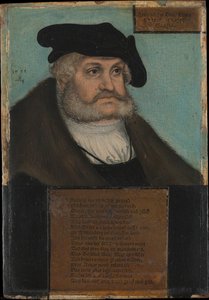
Artist Biography
Lucas Cranach the Elder: Life and Legacy
Early Life and Training
- Born around 1472 in Kronach, Germany, Lucas Cranach the Elder was a pivotal figure of the German Renaissance.
- His father, Hans Maler (meaning “the painter”), provided his initial artistic training.
- The specifics of his early education remain somewhat unclear, but it’s believed he studied with South German masters and potentially spent time in Vienna.
Career at the Saxon Court
- In 1504, Cranach entered the service of Duke Frederick III, Elector of Saxony (Frederick the Wise), marking a turning point in his career.
- He became the court painter and remained in this position for life, creating portraits, altarpieces, and woodcuts.
- His workshop flourished, becoming one of the most productive artistic centers in Germany.
Artistic Style and Influences
- Cranach’s style is characterized by elegant elongated figures, delicate colors, and a keen observational skill.
- He was influenced by the Northern Renaissance emphasis on realism and detail.
- Early works show influences from traditional religious art, but his style evolved over time.
- His work often blended mythological and religious themes with a distinctive aesthetic sensibility.
Major Works and Themes
- Notable paintings include Judith victorious, Venus and Cupid, and The Golden Age.
- He produced numerous portraits, including a series of depictions of Catherine Bore.
- Cranach is particularly famous for his portraits of Martin Luther, creating eleven surviving images of the reformer.
- His work frequently explored themes of love, beauty, morality, and religious faith.
The Reformation and Cranach’s Role
- Cranach was a staunch supporter of the Protestant Reformation and embraced its cause with enthusiasm.
- He used his art to promote Reformation ideals, creating images that challenged traditional Catholic iconography.
- His close friendship with Martin Luther profoundly influenced his artistic output.
Legacy and Historical Significance
- Cranach’s workshop continued to produce works in his style after his death in 1553, carried on by his son, Lucas Cranach the Younger.
- He is considered one of the most successful German artists of his time.
- His art provides valuable insights into the social, religious, and political landscape of the 16th century.
- Cranach’s influence can be seen in the work of later Renaissance and Baroque artists.
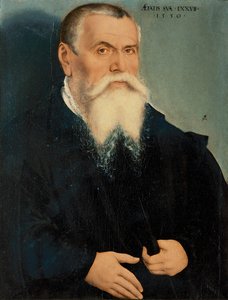
cranach the elder
1553 , Germany
Quick Facts
- Birth_Date: c. 1472
- Birth_Place: Kronach, Germany
- Death_Date: 1553
- Influenced: His son, Lucas Cranach the Younger
- Influenced_By: South German masters
- Movement: German Renaissance, Northern Renaissance
- Name: Lucas Cranach the Elder
- Nationality: German
- Notable_Works:
- Judith victorious
- Venus and Cupid
- The Golden Age
- Portraits of Catherine Bore
- Hans Melber
- Portraits of Martin Luther
Related Articles
German Expressionism's 10 Defining Masterpieces | Art for Your Home
Explore 10 defining German Expressionism masterpieces – from Munch's 'The Scream' to Kandinsky’s abstracts. Discover the artists, stories & bold colors behind this powerful art movement. Find museum-quality reproductions at ArtsDot.com.
The Enduring Legacy of Formal Portraiture: Power, Identity & Artistic Exploration
Explore the rich history of formal portraiture & its enduring power to capture identity and shape perception. Discover investment-worthy artworks, expert appraisals, and custom reproduction services at ArtsDot.
The Northern Awakening: Artistic Innovation & Cultural Transformation in the German Renaissance
Explore the artistic innovation of the German Renaissance! Discover Dürer, the Danube School & Reformation art. Learn about techniques, materials & lasting influence. Find museum-quality reproductions at ArtsDot.
The Grandeur of Presence: Exploring Representations of Stately Bearing in Western Portraiture
Explore the art of stately bearing in Western portraiture with expert analysis of Renaissance & Baroque masterpieces. Discover symbolism, techniques, and the legacy of iconic portraits – a guide for discerning collectors.
The Enduring Gaze: Portraiture's Historical & Psychological Evolution
Explore the rich history of portraiture with expert analysis from ArtsDot. Discover iconic Renaissance masterpieces, symbolism & techniques that shaped identity. Find museum-quality art for your collection.