

 Preview
 Send
Send Share
Share
 Details

 Download
 Similars
 X-Ray
X-Ray Diaporama
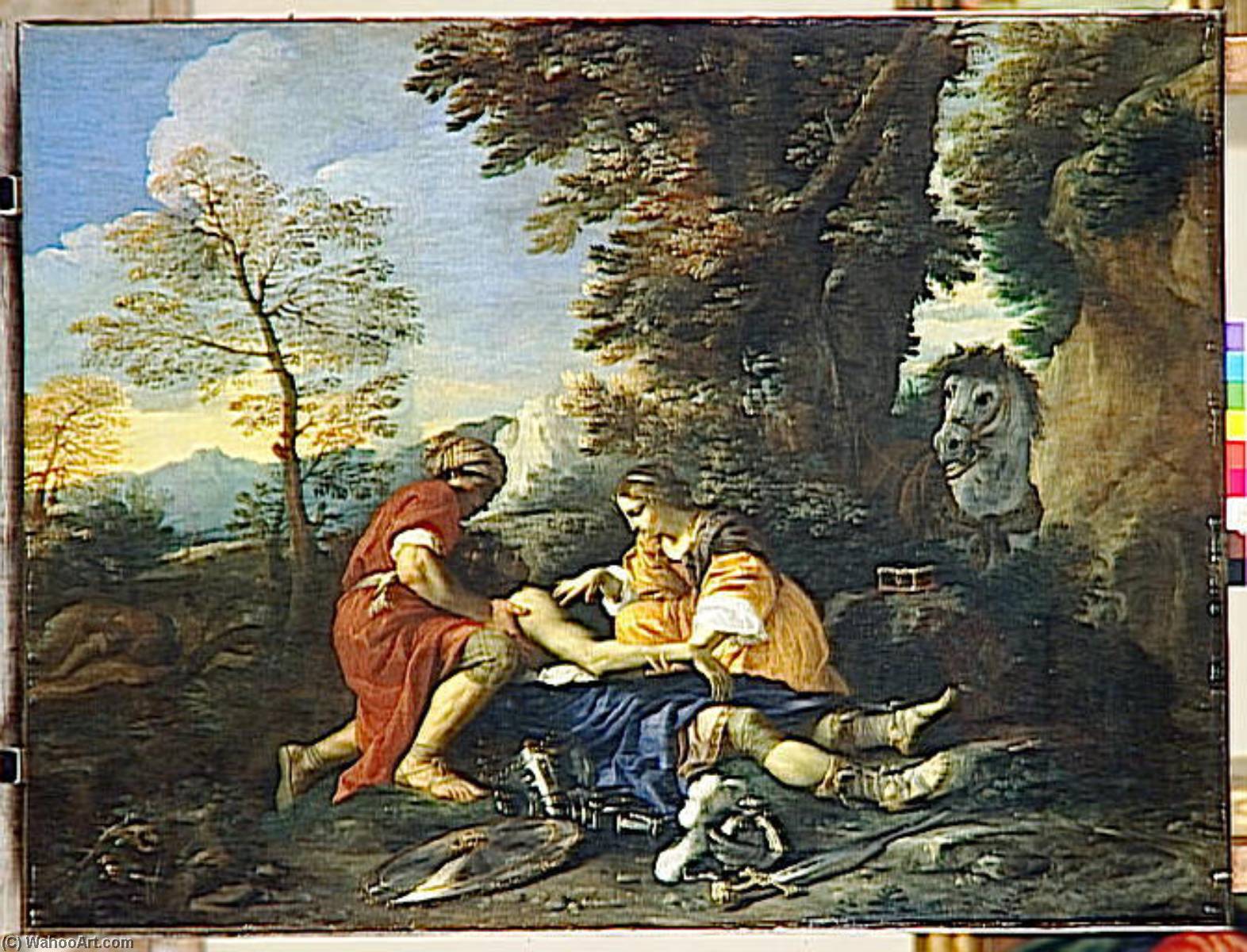
HERMINIE ET VALFRINO SOIGNENT LES BLESSURES DE TANCREDE APRES LE COMBAT D'ARGANTE


 Read More
Purchase a high-resolution, enhanced digital image, far superior to the online preview.
Each file is meticulously prepared by our in-house specialists using advanced tools and expert manual retouching. We ensure every image has exceptional clarity, precise color accuracy, and fine detail.
The final file is delivered via email within 72 hours, optimized for immediate use in professional, editorial, and print environments. This is the same quality trusted by top-tier design studios, publishers, and galleries.
Digital Image
Download a high-resolution file for personal display, printing, and creative projects. ( Buy Print Buy Hand Made Painting)
Included in Every Digital Image Order
Expert Digital Delivery, Guaranteed
When you choose ArtsDot.com, you're not just getting an image - you're receiving a professionally enhanced digital artwork, crafted with precision and backed by a satisfaction guarantee. Here's everything that comes with your order, automatically:

Fast Email Delivery
Your high-resolution digital image file will be emailed to you within 72 hours of ordering - ready for immediate use.

AI-Enhanced Digital File
Your artwork is professionally optimized using advanced AI tools and manual editing, ensuring maximum detail, clarity, and color accuracy.

Free Lifetime Re-Delivery
Accidentally deleted or lost your file? No worries - we'll resend it to you anytime, free of charge.

No Import Fees - Ever
Enjoy your artwork instantly with zero customs, duties, or delivery fees - digital downloads are always tax-free.

Color Accuracy Guarantee
We ensure your digital image reflects the original colors as closely as possible using professional tools and color management.

60-Day Satisfaction Guarantee
If you're not satisfied with your digital image, we'll revise it or refund 100% within 60 days - no questions asked.

100% Money-Back Guarantee
Not satisfied? Get a full refund within 60 days of receiving your digital file - no questions asked.

Bulk Order Discounts
Buy 3 images, save 10% - Buy 5, save 15% - Buy 10+, save 20%. Great for creative projects, galleries, and agencies.
Collectible Description
A Moment Etched in Classical Care
This evocative painting transports us to a scene steeped in the grandeur of classical antiquity, capturing not the clash of arms, but the profound aftermath of conflict. At its heart lies an intimate tableau: two figures ministering to the wounds of a fallen comrade. The composition immediately draws the eye to the central act of healing, suggesting a narrative rich with sacrifice and enduring human compassion. One attendant, draped in vibrant red accented by pristine white sleeves, leans over the injured warrior, their posture radiating focused concern as they examine the damage sustained in battle. Beside them, another figure, clad in luminous yellow, offers support, completing a circle of care that speaks volumes about loyalty.
Baroque Realism and Mythic Echoes
The style employed here is deeply rooted in the traditions of Baroque realism, yet it carries the weight of mythological storytelling. The setting itself is an open-air vista, framed by stately classical architecture—columns and statues hint at a grand forum or temple grounds. This juxtaposition of raw human suffering against a backdrop of enduring civilization lends the piece an epic scope. Notice the inclusion of the calm horse in the foreground; it acts as a grounding element, a silent witness to this moment of fragile respite. The attention to detail, from the texture suggested on the armor to the natural sweep of the background trees under a clear sky, speaks to a mastery of observation characteristic of masters like da pier francesco mola.
Symbolism of Healing and Resilience
Beyond the literal depiction of first aid, the painting functions as a powerful meditation on resilience. The wounded figure represents vulnerability, while the acts of tending symbolize the enduring power of community, empathy, and restorative care. The contrasting colors—the deep reds of sacrifice against the bright yellows and whites of assistance—are not merely decorative; they are symbolic anchors in the narrative. It suggests that even amidst the chaos suggested by combat, human connection remains the most vital form of sustenance.
Bringing Antiquity Home
For the discerning collector or designer, this reproduction offers more than just wall decor; it is a conversation piece steeped in history and emotion. The rich narrative quality allows it to anchor any room, whether styled as a formal gallery space echoing classical taste or a more intimate drawing-room seeking depth. Owning this work means curating a moment of profound humanity—a visual reminder that even after the greatest struggles, compassion remains our most enduring masterpiece.
Related Artworks




Artist Biography
The Legacy of Il Ticinese: A Master of Baroque Light and Landscape
Born in the quiet Swiss enclave of Coldrerio in 1612, Pietro Francesco Mola, famously known as Il Ticinese, emerged from the shadows of the Alps to become a luminous presence in the heart of the Roman Baroque. His artistic identity was forged through a sophisticated blend of influences, beginning with the rigorous training under the Mannerist master Cavalier d'Arpino. This early education instilled in him a profound respect for disegno—the disciplined art of drawing and anatomical precision—which would serve as the structural backbone for his later, more fluid explorations of nature. As he moved into the orbit of Francesco Albani, Mola’s style began to shed its rigid Mannerist skin, embracing a burgeoning naturalism that sought to capture the breathing essence of the world around him.
Mola’s evolution as an artist is characterized by a remarkable transition from the structured classical ideals of the Renaissance toward the emotive, theatrical dynamism of the Baroque era. While many of his contemporaries focused on the monumental scale of frescoed ceilings, Mola found a unique voice in smaller, more intimate canvases that allowed for a meticulous study of light and atmosphere. His work often serves as a bridge between the intellectual rigor of composition and the visceral beauty of the natural landscape. This duality is perhaps most evident in his ability to weave complex allegorical themes into settings that feel tangibly real, inviting the viewer to step into a world where the divine and the earthly intersect through soft shadows and rich, evocative textures.
Mastery of Narrative and Allegory
The true brilliance of Mola lies in his capacity to infuse biblical and mythological narratives with a sense of profound human emotion. His paintings are rarely mere illustrations; they are dramatic stages where light acts as a primary protagonist. In works such as L'Ange Apparissant à Agar dans le Désert, one can witness his mastery of evocative lighting, using chiaroscuro to highlight moments of divine grace and spiritual vulnerability. Similarly, his depictions of historical or legendary scenes, such as the poignant Herminie et Valfrino soignent les blessures de Tancrede après le combat d'Argante, demonstrate a deep empathy for his subjects, capturing the tender nuances of care and compassion amidst the harsh realities of conflict.
Beyond the purely religious or heroic, Mola possessed a keen intellect for the allegorical. His Allegory of Geography stands as a testament to his ability to utilize the Baroque language of symbolism to celebrate human curiosity and the era's spirit of exploration. Through rich colors and detailed realism, he transformed abstract concepts like cartography into visual spectacles. This ability to synthesize disparate elements—the scientific, the mythological, and the naturalistic—ensured that his work resonated with the sophisticated patrons of Rome, from high-ranking clergy to the intellectual elite of the seventeenth century.
Historical Significance and Artistic Triumph
The zenith of Mola’s professional recognition was undoubtedly his contribution to the Roman architectural landscape, most notably his monumental fresco cycle in the Gallery of Alexander VII at the Quirinal Palace. This commission, featuring works such as Joseph Making Himself Proclaimed to His Brethren, solidified his status among the foremost painters of his generation. In these large-scale works, Mola successfully merged the theatricality required by Baroque aesthetics with a refined sense of classical balance, proving that he could command the grandest of stages just as effectively as the most intimate canvas.
Though his career was defined by the prolific output of smaller works, his impact on the development of landscape painting in Italy cannot be overstated. By moving away from the purely decorative and toward a more observational, atmospheric approach, he paved the way for future generations of landscape artists to find beauty in the subtle shifts of light and the rugged textures of the earth. Today, the legacy of da Pier Francesco Mola remains etched in the history of art as a testament to the power of a painter who could capture both the grandeur of the heavens and the quiet, breathing reality of the world below.
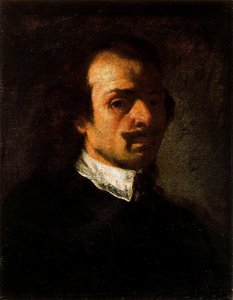
da pier francesco mola
1612 - 1666 , Switzerland
Quick Facts
- Artistic Movement Or Style: Baroque
- Artists Or Movements Influenced By This Artist: ['Michelangelo Merisi Caravaggio']
- Artists Who Influenced This Artist:
- Cavalier d'Arpino
- Francesco Albani
- Date Of Birth: February 9, 1612
- Date Of Death: May 13, 1666
- Full Name: Pier Francesco Mola
- Nationality: Swiss-Italian
- Notable Artworks:
- Flight into Egypt
- Saint Jean Baptiste Prechant Dans Le Desert
- La Vision De Saint Bruno
- Herminie Gardant Ses Troupeaux Grave Sur Un Arbre Le Nom De Tancrede
- Place Of Birth: Coldrerio, Switzerland

