 Preview
 Send
Send Share
Share
 Details

 Download
 Similars
 X-Ray
X-Ray Diaporama
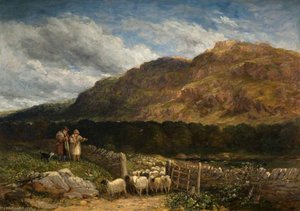
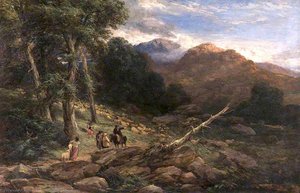
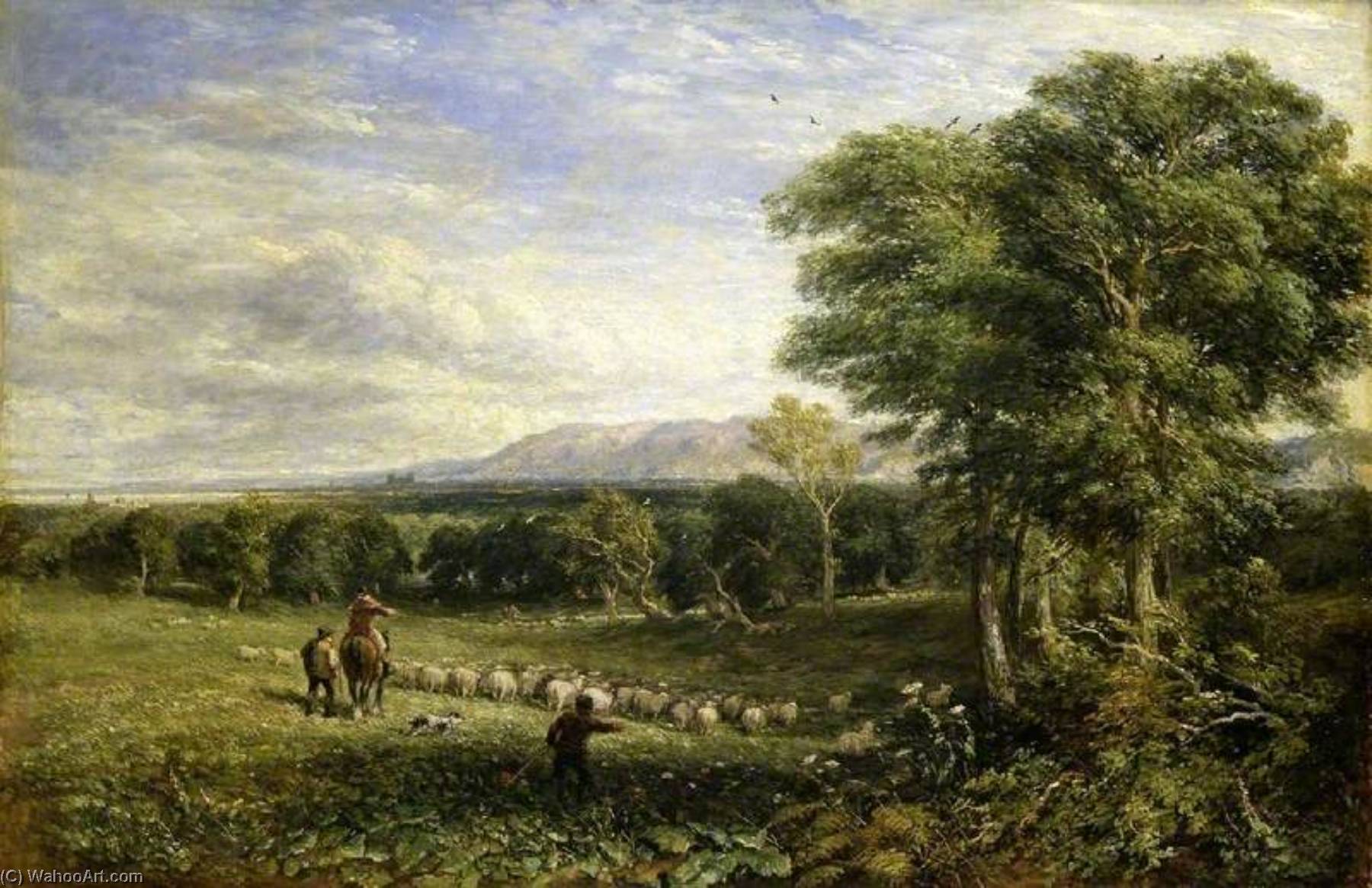
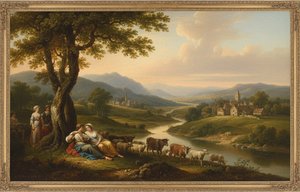
The Vale of Clwyd
 Oil On Canvas
- WallArt
- Landscape Painting
 1849
1849- 19th Century
 91.0 x 142.0 cm
 Fitzwilliam College
 Read More
Hand Made Oil Reproduction
Hand-painted oil on canvas in your size and frame, made to order by our artists. ( Buy Print Buy Image)




P118B $10

P118H $10

P118W $10

P438Z $10

P508JH $12

P508YH $12

P805H $10

P805Z $10

P919BZ $10

P919G $10

P919XJ $10

P959ZH $10

P968JZ $12

W106C $8

W218G $10

W218JH $8

W218Y $10

W307PJ $10

W316G $10

W316PJ $8

W316Y $10

W398PJ $8

W4111J $10

W500HY $15

W500JH $15

W692G $12

W849H $8

W940BG $15

W953PJ $8




Pick from our preset sizes that match the artwork's original proportions.

You may enter your own dimensions to fit a specific frame or space. If your selected size does not match the original image's proportions, we will either crop the artwork or extend the painting with additional hand-painted elements. A digital mockup will be sent for your approval before production begins.
Please note that the on-screen preview does not reflect the actual cropping or extension. Only the mockup will accurately show the final composition.
While custom sizes are available, we recommend selecting a dimension from the predefined list to preserve the original proportions.
After order, ArtsDot.com team will email client for instructions and provide a mockup preview
Worldwide Delivery () in 3/4 weeks instead of standard 5 weeks. (16 August). No compromise on quality.

Free Worldwide Express Shipping

High-Quality Linen Canvas

Full Shipping Insurance

Customs Tax Refund Guarantee

True Color Matching Guarantee

60-Day Return Policy (Defects Only)

100% Money-Back Guarantee

Bulk Discount Offer
 Glass option is only available in size under 110 CM

The Vale of Clwyd
Reproduction Medium
Reproduction Size
-


Total Price
$ 263
Artwork Description
A Pastoral Symphony in Oil
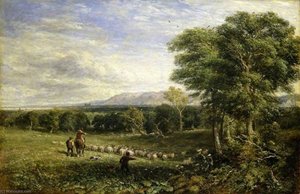
In the heart of the nineteenth century, as the industrial revolution began to reshape the British landscape with smoke and iron, David Cox the Elder turned his gaze toward the enduring tranquility of the countryside. His 1849 masterpiece, The Vale of Clwyd, serves as a breathtaking window into a bygone era of agricultural harmony. This oil on canvas work is far more than a mere depiction of scenery; it is an evocative narrative of life in motion. The viewer is immediately transported to a lush, rolling landscape where the rhythmic pulse of rural labor dictates the pace of the day. Within this sprawling composition, one finds a delicate balance between the grandeur of nature and the humble persistence of humanity, captured with a sensitivity that borders on the poetic.
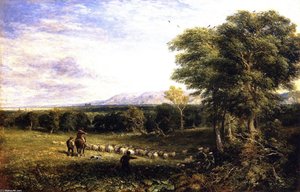
The scene unfolds with an intricate tapestry of life, where thirteen figures move through the verdant fields, tending to their flocks with a quiet, practiced grace. The presence of fourteen sheep, grazing peacefully amidst the tall grasses, adds a layer of organic texture to the foreground, while horses and carts suggest the industrious spirit of the age. There is a profound sense of movement here—the slow trek of livestock, the steady pull of a carriage, and the distant, silent majesty of the mountains that frame the horizon. For the collector or interior designer, this painting offers a sense of expansive depth, making it an ideal centerpiece for spaces that require a touch of classical serenity and a connection to the natural world.
Mastery of Light and Atmosphere
Technically, The Vale of Clwyd showcases Cox’s remarkable ability to manipulate color and light to evoke specific emotional responses. The artist employs a palette of warm, sun-drenched tones that bathe the valley in a sense of comfort and eternal afternoon. This warmth is not merely aesthetic; it serves a symbolic purpose, casting the agricultural life of the 1840s in a nostalgic, almost golden light. His brushwork, characteristic of the Birmingham School, possesses an atmospheric quality that anticipates the Impressionist movement. By blending soft edges with detailed depictions of animals and people, Cox creates a sense of "air" within the painting, allowing the viewer to feel the humidity of the valley and the coolness of the mountain shadows.
The composition is masterfully structured to guide the eye from the intimate details of the foreground—the texture of the sheep's wool and the sturdy forms of the horses—toward the hazy, blue-tinted peaks in the distance. This progression creates a monumental scale within a relatively intimate medium. For those seeking to adorn a home with high-quality reproductions, this artwork provides an unparalleled opportunity to introduce a sense of historical weight and sophisticated tranquility. It is a piece that does not merely decorate a wall; it invites contemplation, offering a sanctuary of peace and a timeless tribute to the enduring beauty of the earth.
Related Artworks
Artist Biography
Early Life and Birmingham Roots
David Cox, born on April 29th, 1783 in the industrial heart of Deritend, Birmingham, emerged from humble beginnings that profoundly shaped his artistic vision. His father, a blacksmith and whitesmith, instilled a work ethic that would serve him throughout his life, though young David’s slight build proved unsuited to the forge. Initially apprenticed to a maker of trinkets – miniature portraits on snuffboxes and lacquered buckles – he quickly demonstrated an aptitude for painting, a talent nurtured by a mother possessing “superior intelligence” and a quiet determination. This early exposure to delicate detail would later find expression in his masterful watercolors.
Birmingham itself was a crucible of artistic activity at the time, boasting private academies catering to the needs of its burgeoning manufacturing industries but also fostering a distinctive school of landscape painting. Cox first studied with Joseph Barber and then Albert Fielder, though his apprenticeship ended abruptly with Fielder’s tragic death. A brief stint as a scene painter for William Macready's theatre provided valuable experience in atmospheric perspective and composition, skills he would later refine in his depictions of the natural world.
London and the Rise of Watercolour
In 1804, Cox ventured to London seeking professional opportunities. While initial employment with Philip Astley’s Amphitheatre failed to materialize, this period marked a crucial turning point. He dedicated himself to painting watercolors, exhibiting his work and gradually establishing a reputation. His marriage to Mary Ragg in 1805 further stabilized his life, and the couple settled in Dulwich. The first of many journeys to Wales followed in that same year, alongside Charles Barber, providing him with the raw material for his increasingly sophisticated landscapes.
The establishment of the Water-Colour Society in 1805 was pivotal. Though not immediately admitted as a member, Cox became deeply involved in its activities and eventually joined in 1813. This association provided a platform for showcasing his work and connecting with fellow artists, solidifying his position within the burgeoning British art scene.
A Master of Atmosphere and Romantic Vision
Cox’s artistic development was characterized by an unwavering dedication to capturing the essence of the British countryside. He eschewed grand historical narratives or classical allegories, instead focusing on the beauty of rural landscapes – moorlands, woodlands, riverbanks, and coastal scenes. His early watercolors are notable for their delicate precision and meticulous detail, reflecting a careful observation of nature. However, he soon moved beyond mere topographical representation, imbuing his works with an emotive quality that resonated deeply with audiences.
He became renowned for his ability to convey atmosphere – the play of light and shadow, the subtle nuances of weather, the feeling of being immersed in the natural world. His technique involved a unique combination of careful planning and spontaneous execution, often working quickly *en plein air* to capture fleeting moments of beauty. Later in life, he turned increasingly to oil painting, producing over 300 canvases that are now recognized as some of his greatest achievements – though they were less appreciated during his lifetime.
Legacy and Historical Significance
David Cox’s influence on British art is profound. He stands as a pivotal figure in the Birmingham School, bridging the gap between topographical landscape painting and the more emotive approach of Romanticism. His work foreshadowed Impressionism in its emphasis on capturing fleeting moments of light and atmosphere, though he remained firmly rooted in the traditions of English watercolor.
- Precursor to Impressionism: Cox’s loose brushwork and focus on atmospheric effects anticipated many of the techniques later embraced by the Impressionists.
- Master of Watercolour: He is widely considered one of the greatest English watercolour painters, renowned for his delicate precision and emotive quality.
- Champion of British Landscape: Cox’s unwavering dedication to capturing the beauty of the British countryside helped establish a distinct national identity in landscape painting.
- Influence on Later Generations: His work inspired countless artists, shaping the development of British art throughout the 19th century and beyond.
Despite facing periods of financial hardship and relative obscurity during his lifetime, David Cox’s legacy endures. He died in June 7th, 1859 leaving behind a body of work that continues to captivate audiences with its beauty, sensitivity, and profound connection to the natural world. His paintings offer a timeless glimpse into the heart of rural England, reminding us of the enduring power of art to evoke emotion and celebrate the simple joys of life.
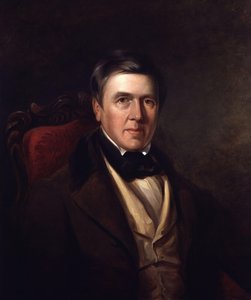
david cox the elder
1783 - 1859
Quick Facts
- Artistic Movement Or Style: Romanticism, Pre-Impressionism
- Artists Or Movements Influenced By This Artist: ['Impressionism']
- Date Of Birth: April 29, 1783
- Date Of Death: June 7, 1859
- Full Name: David Cox the Elder
- Nationality: English
- Notable Artworks:
- Near Knaresborough
- The Glade
- Moorland Landscape
- Place Of Birth: Birmingham, England
Related Articles
Idyllic Visions: Exploring the Pastoral Scene in Art History – From Arcadia to Modern Interpretations
Explore the captivating history of pastoral art from classical Arcadia to modern masterpieces. Discover key artists like Millet & Cole at ArtsDot. Find serene landscape paintings for your home.

Beyond the Horizon: 10 Landscape Masterpieces for Your Home Decor
Journey through 10 breathtaking landscape paintings by Monet, Van Gogh & more! Explore iconic artworks, artistic techniques & find inspiration for your home decor. Museum-quality reproductions at ArtsDot.com. Discover all masterpieces on ArtsDot.com
Idyllic Visions: Exploring the Pastoral Tradition in Western Art – Themes, Techniques & Enduring Appeal
Explore the rich history of pastoral art from classical Arcadia to contemporary interpretations. Discover key artists, themes & collecting tips at ArtsDot.

Romantic Landscapes: 10 Masterpieces for Your Home | ArtsDot
Journey through 10 Romantic landscape masterpieces by Friedrich, Turner & Cole. Explore emotional art, sublime nature scenes & iconic 19th-century paintings. Find museum-quality reproductions for your home at ArtsDot.com – discover the full collection online!

John Constable's Masterpieces: Explore 25 Iconic Landscapes for Your Home
Journey through John Constable's 25 most celebrated landscapes. Explore Romanticism, Dedham Vale & his masterful use of light in iconic paintings like 'Hay Wain'. Find museum-quality art reproductions and elevate your home decor on ArtsDot.com.