

 Preview
 Send
Send Share
Share
 Details

 Download
 Similars
 X-Ray
X-Ray Diaporama
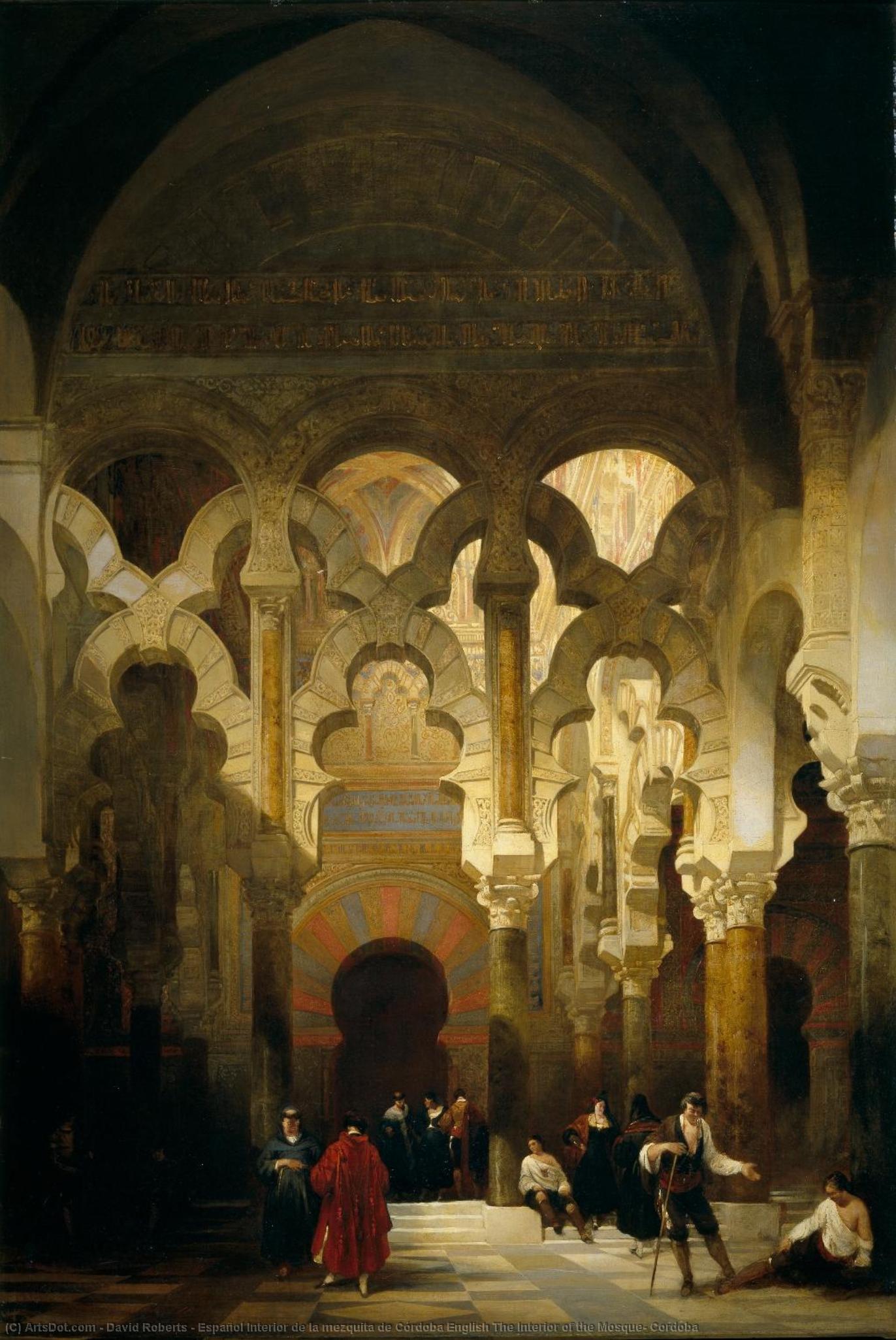
Español Interior de la mezquita de Córdoba English The Interior of the Mosque, Cordoba
 Acrylic On Canvas
- WallArt
- Orientalist Romanticism
 1838
1838 138.0 x 93.0 cm
 Prado Museum
 Read More
Purchase a high-resolution, enhanced digital image, far superior to the online preview.
Each file is meticulously prepared by our in-house specialists using advanced tools and expert manual retouching. We ensure every image has exceptional clarity, precise color accuracy, and fine detail.
The final file is delivered via email within 72 hours, optimized for immediate use in professional, editorial, and print environments. This is the same quality trusted by top-tier design studios, publishers, and galleries.
Digital Image
Download a high-resolution file for personal display, printing, and creative projects. ( Buy Print Buy Hand Made Painting)
Included in Every Digital Image Order
Expert Digital Delivery, Guaranteed
When you choose ArtsDot.com, you're not just getting an image - you're receiving a professionally enhanced digital artwork, crafted with precision and backed by a satisfaction guarantee. Here's everything that comes with your order, automatically:

Fast Email Delivery
Your high-resolution digital image file will be emailed to you within 72 hours of ordering - ready for immediate use.

AI-Enhanced Digital File
Your artwork is professionally optimized using advanced AI tools and manual editing, ensuring maximum detail, clarity, and color accuracy.

Free Lifetime Re-Delivery
Accidentally deleted or lost your file? No worries - we'll resend it to you anytime, free of charge.

No Import Fees - Ever
Enjoy your artwork instantly with zero customs, duties, or delivery fees - digital downloads are always tax-free.

Color Accuracy Guarantee
We ensure your digital image reflects the original colors as closely as possible using professional tools and color management.

60-Day Satisfaction Guarantee
If you're not satisfied with your digital image, we'll revise it or refund 100% within 60 days - no questions asked.

100% Money-Back Guarantee
Not satisfied? Get a full refund within 60 days of receiving your digital file - no questions asked.

Bulk Order Discounts
Buy 3 images, save 10% - Buy 5, save 15% - Buy 10+, save 20%. Great for creative projects, galleries, and agencies.
Collectible Description
David Roberts’s “The Interior of the Mosque, Córdoba”: A Window into Victorian Orientalism
David Roberts (1796-1864) stands as a pivotal figure in 19th-century art history—specifically within the burgeoning genre of Orientalist painting. Born in Stockbridge, Scotland, Roberts’s formative years instilled in him a meticulous attention to detail honed through practical apprenticeship and subsequent artistic pursuits. This dedication would ultimately propel him to become one of Britain's foremost chroniclers of the Middle East, capturing its grandeur and complexity with unparalleled accuracy and artistry.A Visionary Landscape Painter
Roberts wasn’t merely documenting places; he was crafting immersive experiences for his audience. His early career involved redecorating Scone Palace and working as a scene painter for James Bannister's circus—roles that demanded exceptional skill in creating convincing theatrical environments. These formative years cultivated Roberts’s innate talent for capturing atmosphere and conveying emotion through visual representation, skills that would serve him brilliantly throughout his prolific artistic life.The Sublime Beauty of Córdoba: Technique and Style
“The Interior of the Mosque, Córdoba,” completed in 1838, exemplifies Roberts' distinctive approach to landscape painting. Executed primarily in watercolor and gouache on paper, the artwork showcases a masterful blend of observation and imagination. Roberts’s meticulous technique—characterized by delicate washes and precise layering—allowed him to faithfully reproduce the architectural splendor of Córdoba Cathedral, transporting viewers into its richly ornamented space. The artist skillfully employed chiaroscuro, manipulating light and shadow to heighten dramatic effect and emphasize the monumental scale of the cathedral's interior.Historical Context: Victorian Fascination with the Orient
The painting’s creation coincided with a broader Victorian fascination with the East—a period marked by scientific exploration, colonial expansion, and romanticized depictions of exotic cultures. Roberts’s work reflects this zeitgeist, presenting Córdoba Cathedral not just as a building but as a symbol of faith, power, and artistic achievement. The inclusion of horses adds to the grandeur of the scene, mirroring the Victorian obsession with equestrian imagery and reinforcing the painting's status as a testament to imperial ambition.Symbolism Beyond Decoration: Spiritual Resonance
Beyond its aesthetic qualities, “The Interior of the Mosque, Córdoba” carries profound symbolic weight. The cathedral’s soaring arches and intricate mosaics evoke feelings of awe and reverence—representing Christian piety and artistic excellence. Roberts’s careful composition directs the viewer's gaze upwards, emphasizing the spiritual dimension of the space and inviting contemplation. It is a piece that speaks to the Victorian desire for sublime beauty and elevates its subject matter beyond mere architectural representation.Emotional Impact: Capturing Atmosphere
Ultimately, “The Interior of the Mosque, Córdoba” succeeds in conveying an unforgettable impression of place—a palpable sense of grandeur and solemnity. Roberts’s masterful watercolor technique captures the diffused light filtering through stained glass windows, creating a luminous atmosphere that imbues the scene with warmth and spirituality. The painting remains a captivating reminder of Victorian artistic ambition and its enduring ability to inspire viewers with its breathtaking vision of Islamic architecture.Related Artworks
Artist Biography
David Roberts: A Life in Art
David Roberts (1796-1864) was a Scottish painter celebrated for his detailed Orientalist scenes and meticulous lithographs. His work provides invaluable visual documentation of the Middle East during the 19th century, bridging artistic representation with historical record.
Early Life and Career
Born on October 24, 1796, in Stockbridge near Edinburgh, Roberts’s early life was marked by practical training. At the age of ten, he began an apprenticeship with house painter and decorator Gavin Beugo. This foundational experience instilled a strong technical skill set, which he supplemented through evening art studies.
His initial professional work included redecorating Scone Palace in 1815. He then transitioned to scene painting for James Bannister’s circus, honing his skills in creating immersive environments. These early experiences laid the groundwork for his later success as a prominent Orientalist painter.
Artistic Journey and Influences
Roberts' artistic development was shaped by a growing fascination with different cultures and landscapes. While initially focused on theatrical scenery, he gradually shifted towards more independent artistic pursuits. His travels to Spain in 1832 were formative, sparking an interest in architectural detail and exotic locales.
However, it was his extensive tours of Egypt and the Near East (1838-1840) that truly defined his career. These journeys provided him with a wealth of sketches and observations which he later translated into his most famous works. His style wasn’t heavily influenced by any single artist, but rather developed from careful observation and technical mastery.
Notable Works and Achievements
Roberts is best known for The Holy Land, Syria, Idumea, Arabia, Egypt, and Nubia – a series of meticulously detailed lithograph prints. These images captured the grandeur of ancient sites and the vibrancy of contemporary life in the region.
- Lithographs: His lithographs were widely circulated and became highly influential in shaping European perceptions of the Middle East.
- Paintings: He also produced numerous oil paintings, often large-scale works depicting expansive landscapes and architectural marvels.
In 1841, Roberts was elected as a Royal Academician – a significant recognition of his contributions to the art world.
Artistic Style and Characteristics
Roberts’s artistic style is characterized by:
- Orientalism: A strong focus on depicting scenes from the Middle East, reflecting the European fascination with “the Orient.”
- Attention to Detail: His work is renowned for its precision and accuracy in rendering architectural details, costumes, and landscapes.
- Landscaping & Townscapes: He skillfully combined romantic sensibilities with detailed observation, creating evocative depictions of both natural environments and urban settings.
Legacy and Historical Significance
David Roberts’s work played a crucial role in popularizing the Middle East among European audiences. His images provided a visual window into a region that was largely unknown to many, influencing travel, scholarship, and artistic representation.
His lithographs served as important historical documents, preserving images of sites that have since changed or been lost. He left an indelible mark on the art world, inspiring subsequent generations of artists and continuing to captivate viewers today.
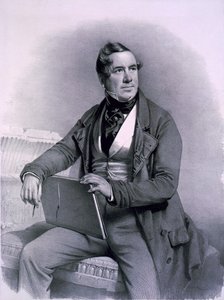
David Roberts
1796 - 1864 , United Kingdom
Quick Facts
- Birth Date: October 24, 1796
- Birth Place: Stockbridge, United Kingdom
- Death Date: 1864
- Influenced: Jenaro Pérez Villaamil, Alexander Nasmyth
- Movement: Orientalism
- Name: David Roberts
- Nationality: Scottish
- Notable Works: The Holy Land, Syria, Idumea, Arabia, Egypt, and Nubia

