 Preview
 Send
Send Share
Share
 Details

 Download
 Similars
 X-Ray
X-Ray Diaporama
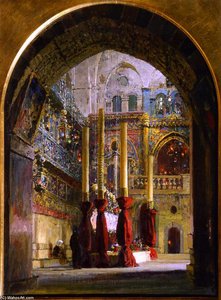
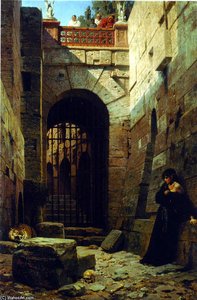
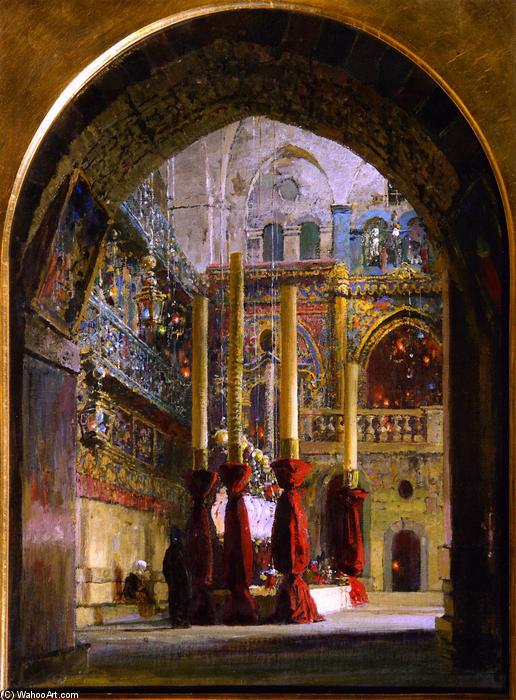
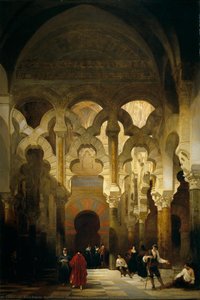
Church of the Holy Sepulcher, Interior (study)


 Read More
Hand Made Oil Reproduction
Hand-painted oil on canvas in your size and frame, made to order by our artists. ( Buy Print Buy Image)




P118B $10

P118H $10

P118W $10

P438Z $10

P508JH $12

P508YH $12

P805H $10

P805Z $10

P919BZ $10

P919G $10

P919XJ $10

P959ZH $10

P968JZ $12

W106C $8

W218G $10

W218JH $8

W218Y $10

W307PJ $10

W316G $10

W316PJ $8

W316Y $10

W398PJ $8

W4111J $10

W500HY $15

W500JH $15

W692G $12

W849H $8

W940BG $15

W953PJ $8




Pick from our preset sizes that match the artwork's original proportions.

You may enter your own dimensions to fit a specific frame or space. If your selected size does not match the original image's proportions, we will either crop the artwork or extend the painting with additional hand-painted elements. A digital mockup will be sent for your approval before production begins.
Please note that the on-screen preview does not reflect the actual cropping or extension. Only the mockup will accurately show the final composition.
While custom sizes are available, we recommend selecting a dimension from the predefined list to preserve the original proportions.
After order, ArtsDot.com team will email client for instructions and provide a mockup preview
Worldwide Delivery () in 3/4 weeks instead of standard 5 weeks. (17 August). No compromise on quality.

Free Worldwide Express Shipping

High-Quality Linen Canvas

Full Shipping Insurance

Customs Tax Refund Guarantee

True Color Matching Guarantee

60-Day Return Policy (Defects Only)

100% Money-Back Guarantee

Bulk Discount Offer
 Glass option is only available in size under 110 CM

Church of the Holy Sepulcher, Interior (study)
Reproduction Medium
Reproduction Size
-


Total Price
$ 313
Artwork Description
A Glimpse into the Sacred: Polenov’s ‘Church of the Holy Sepulcher, Interior (study)’
Vasily Dmitrievich Polenov's 1882 oil on canvas, *Church of the Holy Sepulcher, Interior (study)*, offers a profoundly moving and meticulously rendered depiction of one of Christendom’s most revered sites. Currently residing in the Tretyakov Gallery in Moscow, this work isn’t merely an architectural study; it's an immersive experience that invites contemplation on faith, history, and the power of light. Polenov, known as the “Knight of Beauty” for his dedication to harmonious aesthetics, masterfully blends realism with a subtle spiritual quality.Subject & Composition: A Sanctuary Revealed
The painting presents an interior view within the Church of the Holy Sepulcher in Jerusalem, focusing on a grand archway that frames another chamber bathed in soft light. Polenov doesn’t depict a bustling scene of worship but rather a moment of quiet reverence. The composition is carefully balanced, drawing the eye through the arched opening and into the depths of the church. Architectural details – columns, arches, intricate carvings, and hints of stained glass – are rendered with impressive precision. Figures in red robes add scale and suggest ongoing ritual or procession, yet remain secondary to the overall atmosphere of solemnity. The inclusion of everyday elements like chairs, benches, and a table subtly grounds the sacred space within a human context.Style & Technique: Lyrical Realism
Polenov’s style is rooted in lyrical realism, characteristic of the *Peredvizhniki* (Wanderers) movement – a group of Russian artists who sought to depict life authentically and address social issues. However, Polenov elevates this realism with his sensitivity to light and color. His brushwork is visible yet refined, creating texture and depth without sacrificing clarity. The warm palette—dominated by reds, golds, and browns—evokes both the opulence of religious art and a sense of comforting warmth. Polenov’s skillful use of *chiaroscuro* – the dramatic contrast between light and shadow – enhances the three-dimensionality of the scene and directs the viewer's gaze to key focal points.Historical Context & Artistic Intent
Painted during a period of growing Russian interest in the Holy Land, Polenov’s work reflects both his personal spiritual journey and a broader cultural fascination. He traveled extensively throughout the Middle East, meticulously documenting its landscapes and architectural wonders. This painting is part of a series dedicated to the Church of the Holy Sepulcher, including a companion piece depicting the *Facade*. Polenov wasn't simply recording what he saw; he was striving to convey the emotional and spiritual essence of these sacred places. His intention was to create art that promoted “happiness and joy” through beauty and cultural understanding.Symbolism & Emotional Impact
The Church of the Holy Sepulcher holds immense symbolic weight as the site of Jesus Christ’s crucifixion, burial, and resurrection. Polenov's depiction subtly alludes to these events without explicitly illustrating them. The light streaming through the archway can be interpreted as a symbol of divine grace or spiritual enlightenment. The overall atmosphere is one of peaceful contemplation and reverence. The painting evokes feelings of awe, serenity, and perhaps even a sense of longing for something beyond the material world.Collecting & Reproduction
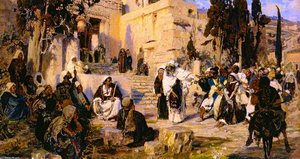
For collectors seeking to enrich their portfolios with significant Russian art, or interior designers aiming to infuse spaces with historical depth and spiritual resonance, *Church of the Holy Sepulcher, Interior (study)* offers a compelling choice. High-quality oil reproductions allow you to experience Polenov’s masterful artistry firsthand, bringing the beauty and tranquility of this sacred space into your home or office.- Explore other works by Vasily Dmitrievich Polenov, such as *Christ and the Sinner*, a powerful depiction of compassion and forgiveness.
- Discover his broader exploration of the Holy Land through paintings like *Facade of the Church of the Holy Sepulcher*.
- Delve deeper into the life and legacy of this remarkable artist, whose work continues to inspire awe and reverence today.
Related Artworks




Artist Biography
The Knight of Beauty: The Life and Vision of Vasily Polenov
Vasily Dmitrievich Polenov (1844–1927) stands as a cornerstone figure in Russian landscape painting and the Peredvizhniki movement—a collective of realist artists who championed artistic freedom and social reform. Often dubbed “the Knight of Beauty,” Polenov embodied both European artistic sensibilities and deep roots within Russian culture, reflecting a vision where art served not merely for aesthetic pleasure but actively fostered happiness and moral upliftment. As he eloquently stated, "Art should promote happiness and joy," encapsulating the movement’s core ethos. His legacy continues to inspire artists today with his unwavering belief in art's transformative power—a conviction born from his formative years amidst a vibrant intellectual landscape shaped by progressive thinkers challenging oppression.
Born in St. Petersburg, Polenov descended from a wealthy family steeped in artistic tradition. His father, Dmitri Polenov, was a celebrated archaeologist and bibliographer whose groundbreaking expeditions to Greece exposed the young Vasily to influential artists like Karl Briullov. This familial environment nurtured a passion for learning and artistic exploration from an early age. His mother, Maria Alekseevna Polenova, was herself a painter and portraitist, a connection that underscored the pervasive artistic culture of the era. Her memoirs vividly portray the atmosphere of intellectual ferment prevalent in Russia during the 1860s—a period marked by debates concerning democracy, progress, education, and resistance to autocratic rule.
A Mastery of Light and Lyrical Realism
Polenov’s artistic development was characterized by a unique ability to blend the rigorous training of the Russian Academy with the luminous, atmospheric qualities of European landscape traditions. His work often transcends simple documentation, moving into the realm of lyrical realism. He possessed a profound talent for capturing the subtle shifts of light across a landscape, imbuing his scenes with a sense of serenity and spiritual depth. This is perhaps most evident in his biblical series, where he approached sacred narratives not as distant, iconographic legends, but as living, breathing moments of human connection and divine grace.
His technical prowess allowed him to navigate various stylistic territories, from the detailed architectural studies of the Orient to the idyllic, sun-drenched vistas of the Russian countryside. Notable highlights of his oeuvre include:
- Christ and the Sinner: An 1886 masterpiece that demonstrates a breathtaking Byzantine grace, offering a luminous vision of faith through soft light and profound emotion.
- The Church of the Holy Sepulcher Series: Through works like his studies of the interior and the façade of this sacred site, Polenov showcased an Orientalist fascination with Byzantine architecture, utilizing warm colors to create a serene, almost meditative atmosphere.
- Landscape Studies: His ability to capture the "mood" of nature, turning simple vistas into profound meditations on the beauty of the natural world.
Legacy and Historical Significance
Beyond his individual canvases, Polenov’s impact on the Russian art world was structural and cultural. As a member of the Peredvizhniki (The Wanderers), he helped shift the focus of Russian art away from the rigid, aristocratic confines of the Academy toward a more populist, socially conscious realism. Yet, unlike some of his contemporaries who focused solely on the harshness of social struggle, Polenov sought to find the eternal beauty within the human condition. His estate at Polenovo became more than just a home; it was a sanctuary for art and culture, reflecting his lifelong commitment to the idea that beauty is a fundamental necessity for the human soul.
His historical significance lies in this delicate balance: he was a realist who refused to abandon hope, and a traditionalist who embraced the light of modern impressionistic sensibilities. By weaving together the archaeological richness of his heritage with a forward-looking humanist ideal, Vasily Polenov ensured that his "Knight of Beauty" persona would remain etched in the annals of art history, reminding generations that the ultimate purpose of creativity is to illuminate the joy of existence.
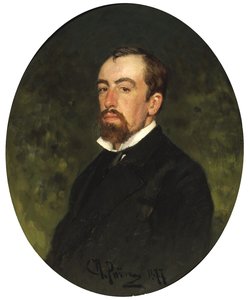
vasily dmitrievich polenov
1844 - 1927
Quick Facts
- Artistic Movement Or Style: Peredvizhniki
- Artists Or Movements Influenced By This Artist: ['European Painting']
- Artists Who Influenced This Artist:
- Karl Briullov
- Roman Kuzmin
- Date Of Birth: June 1, 1844
- Date Of Death: July 18, 1927
- Full Name: Vasily Dmitrievich Polenov
- Nationality: Russian
- Notable Artworks:
- Cityscape
- Tiberian Jew
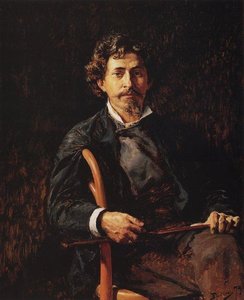
- Portrait of the Artist Ilya Repin
- Place Of Birth: St. Petersburg, Russia
Related Articles
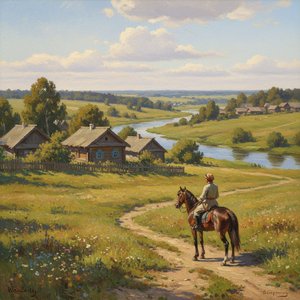
Vasily Polenov: A Pioneer of Landscape Impressionism & Russian National Identity
Explore the captivating landscapes of Vasily Polenov, a pivotal figure in Russian art history. Discover his lyrical realism, biblical series & influence on Impressionism. Learn about the 'Knight of Beauty' and his enduring legacy.

The Enduring Legacy of Oil on Canvas: Technique, History & Aesthetic Impact
Explore the rich history & techniques of oil painting – from Renaissance masters to Impressionism. Discover pigments, layering methods, and why this timeless medium endures. Expert insights for artists & art enthusiasts.

Oil on Canvas: A Historical & Technical Exploration of a Timeless Artistic Medium
Explore the rich history & enduring techniques of oil painting on canvas. Discover the science behind its longevity, conservation practices, and contemporary relevance. Expert insights for art enthusiasts.
Ivan Bilibin: A Synthesis of Folklore, Modernism & National Identity in Russian Illustration
Explore the enchanting world of Ivan Bilibin, a master Russian illustrator who synthesized folklore, Art Nouveau & national identity. Discover his iconic fairy tale illustrations and legacy with ArtsDot.

The Enduring Power of Painting: A Historical & Contemporary Exploration of Form and Emotion
Explore the rich history & enduring techniques of oil painting with ArtsDot. Discover masterpieces, learn about art collecting, and find authentic handmade reproductions crafted by skilled artists.