 Preview
 Send
Send Share
Share
 Details

 Download
 Similars
 X-Ray
X-Ray Diaporama
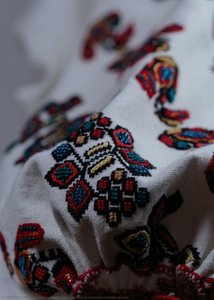
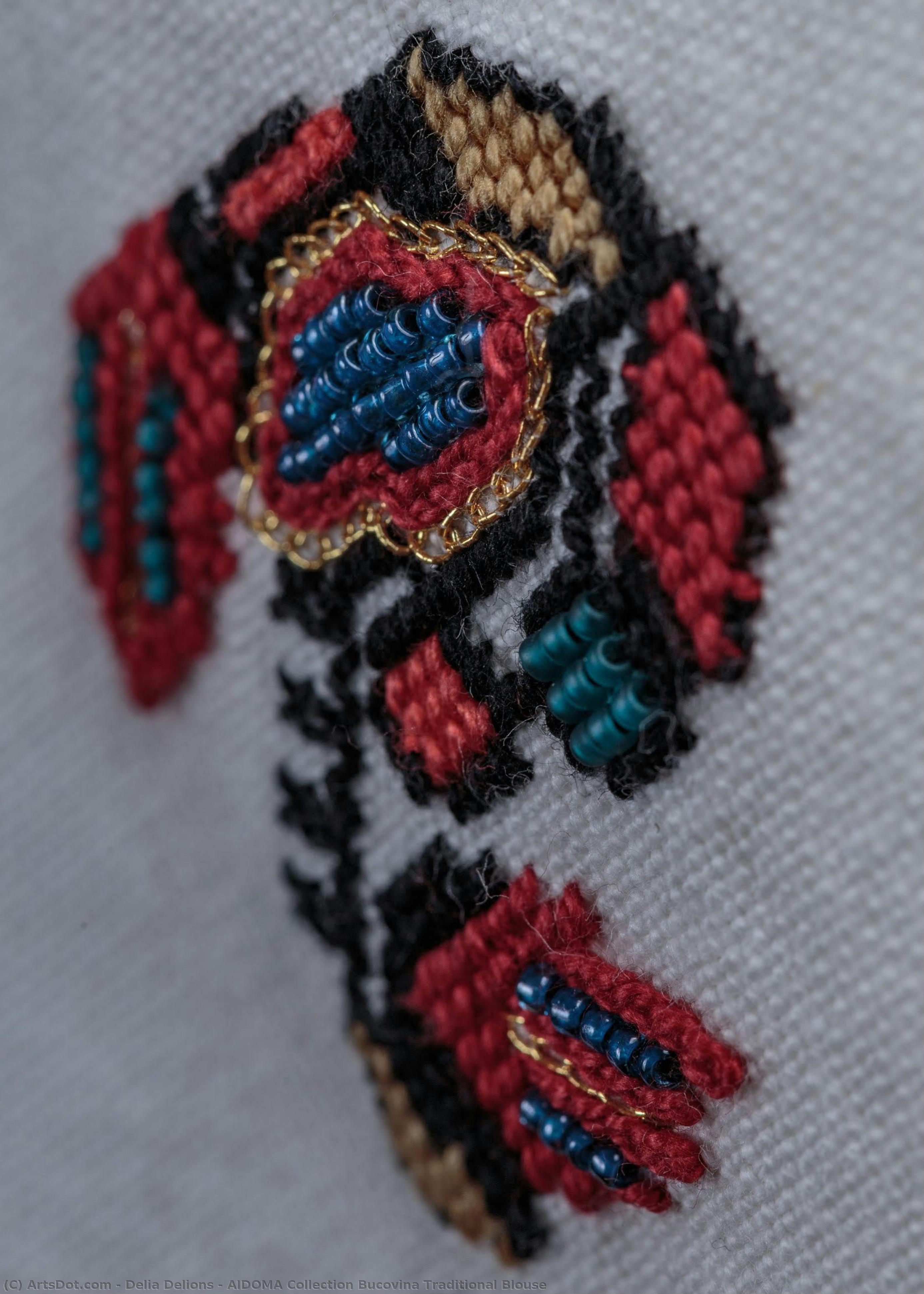
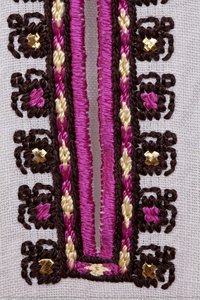
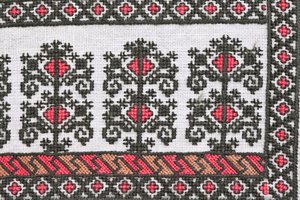
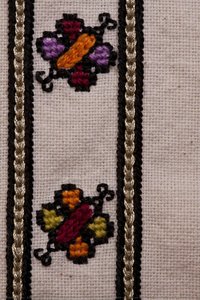
AIDOMA Collection Bucovina Traditional Blouse
 Contemporary Traditional
 2018
2018 141.0 x 65.0 cm
 Semne Cusute Association
 Read More
Hand Made Oil Reproduction
Hand-painted oil on canvas in your size and frame, made to order by our artists. ( Buy Print Buy Image)




































Pick from our preset sizes that match the artwork's original proportions.

You may enter your own dimensions to fit a specific frame or space. If your selected size does not match the original image's proportions, we will either crop the artwork or extend the painting with additional hand-painted elements. A digital mockup will be sent for your approval before production begins.
Please note that the on-screen preview does not reflect the actual cropping or extension. Only the mockup will accurately show the final composition.
While custom sizes are available, we recommend selecting a dimension from the predefined list to preserve the original proportions.
After order, ArtsDot.com team will email client for instructions and provide a mockup preview
Worldwide Delivery () in 3/4 weeks instead of standard 5 weeks. (26 August). No compromise on quality.

Free Worldwide Express Shipping

High-Quality Linen Canvas

Full Shipping Insurance

Customs Tax Refund Guarantee

True Color Matching Guarantee

60-Day Return Policy (Defects Only)

100% Money-Back Guarantee

Bulk Discount Offer
 Glass option is only available in size under 110 CM

AIDOMA Collection Bucovina Traditional Blouse
Reproduction Medium
Reproduction Size
-


Total Price
$ 263
Related Artworks

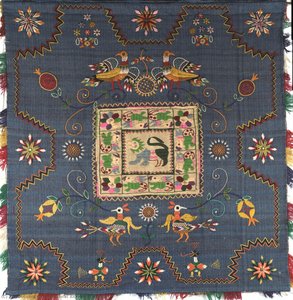
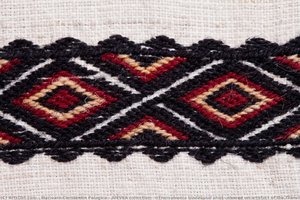
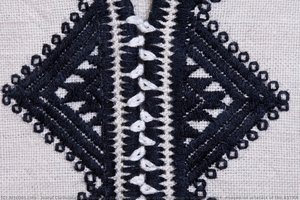
Artist Biography
Marina Abramović: The Body as Battlefield
Born in Belgrade, Yugoslavia – now Serbia – in 1946, Marina Abramović’s life has been a relentless exploration of the boundaries between self and audience, body and mind. Raised within a complex family history intertwined with partisan warfare and communist politics, her early years instilled a profound awareness of identity, trauma, and the power dynamics inherent in social structures. This formative backdrop would profoundly shape her artistic trajectory, leading her to view the human body not merely as an object of beauty or representation, but as a site of intense vulnerability, resistance, and ultimately, transformation.
Abramović’s formal training at the Academies of Fine Arts in Belgrade (1970) and Zagreb (1972) provided her with a foundation in traditional artistic disciplines – painting and sculpture. However, it was a growing dissatisfaction with these established forms that propelled her toward performance art, a medium she quickly embraced as offering unparalleled freedom for direct engagement with the audience and the exploration of extreme physical and psychological states. Her early work, particularly *Rhythm 10* (1973), marked a decisive shift; this piece, involving the deliberate infliction of wounds upon herself with a knife, immediately challenged conventional notions of art and its relationship to pain and suffering.
The Rise of Performance: Collaboration and Confrontation
The late 1970s witnessed the blossoming of Abramović’s most significant collaborations, notably with Frank Uwe Laysiepen, who adopted the pseudonym Ulay. Their partnership became synonymous with a radical new form of performance art – one that blurred the lines between artist and audience, subject and object. *Imponderabilia* (1977), performed at the Venice Biennale, remains a seminal work in this vein. The piece involved Abramović and Ulay standing naked and facing each other in a narrow museum entrance, forcing viewers to physically confront their own desires and inhibitions. This act of mutual exposure generated intense reactions – fascination, discomfort, and even hostility – demonstrating the profound impact performance art could have on social dynamics.
Following the dissolution of her relationship with Ulay in 1988, Abramović embarked on a series of increasingly ambitious and physically demanding projects. *Seven Easy Pieces* (1997), for example, involved her traveling across North America and systematically destroying seven iconic artworks – a deliberate act of subversion that questioned the sanctity of art and its relationship to cultural values. Her work during this period frequently incorporated elements of endurance, pushing her own body to its limits while simultaneously challenging the audience’s perceptions of pain, beauty, and the very nature of human experience.
Major Works and Conceptual Shifts
Marina Abramović's career has been punctuated by a series of groundbreaking performances that have redefined the possibilities of artistic expression. *Balkan Baroque* (1997), presented at the Venice Biennale, utilized video projections and live performance to explore her complex family history and the legacy of war and displacement in the Balkans. The work was deeply personal and emotionally charged, reflecting Abramović’s struggle to reconcile her Serbian identity with the broader context of European history.
Perhaps her most widely recognized achievement is *The Artist Is Present* (2010), a performance at the MoMA in New York City that captivated audiences worldwide. For eight hours each day, Abramović sat silently in a chair, offering to have her hand held by members of the public. The piece was not about grand gestures or dramatic displays; it was an invitation for genuine connection and empathy – a radical attempt to dismantle the barriers between artist and viewer and foster a sense of shared humanity.
Legacy and Influence
Marina Abramović’s impact on contemporary art is undeniable. She has fundamentally altered our understanding of performance as a medium, demonstrating its capacity not only for spectacle but also for profound psychological and social exploration. Her willingness to confront her own vulnerabilities – both physical and emotional – has inspired countless artists to push the boundaries of their practice and challenge conventional notions of artistic expression. Her work continues to provoke debate and inspire critical reflection on issues of identity, power, and the human condition.
Beyond her individual achievements, Abramović’s Institute (MAI), founded in 2007, serves as a vital resource for supporting and promoting performance art globally. The institute fosters dialogue, research, and experimentation, ensuring that Abramović's legacy extends far beyond the confines of her own performances.

delia delions
1974 - , United States of America
Quick Facts
- Artistic Movement Or Style: Performance art
- Artists Or Movements Influenced By This Artist:
- Conceptual art
- Body art
- Endurance art
- Artists Who Influenced This Artist:
- Ulay
- Varnava, Serbian Patriarch
- Date Of Birth: November 30, 1946
- Full Name: Marina Abramović
- Nationality: Serbian
- Notable Artworks:
- Rhythm 0
- Balkan Baroque
- The Artist Is Present
- Place Of Birth: Belgrade, Serbia
Related Articles
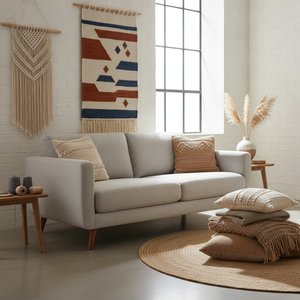
Woven Wonders: A Beginner's Guide to Elevating Your New Home with Timeless Textile Art
Discover how to transform your new home with the warmth of textile art. Our expert guide for newlyweds explores handwoven tapestries, tactile fibers, and timeless ways to curate a soulful, sophisticated interior through beautiful woven wonders.
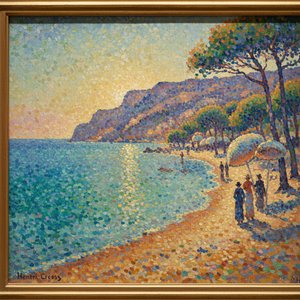
Henri Edmond Cross: A Pioneer of Neo-Impressionism & the Divisionist Aesthetic
Explore the life & art of Henri Edmond Cross, a pivotal Neo-Impressionist painter. Discover his innovative divisionist technique, political affiliations, and lasting influence on modern art movements like Fauvism. Learn about key works & legacy.
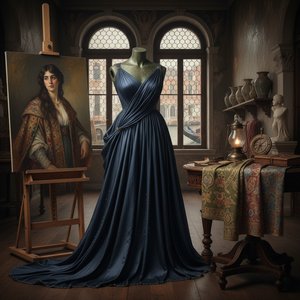
Mariano Fortuny: A Fusion of Art, Fashion & Design – Exploring a Venetian Innovator's Legacy
Explore the captivating world of Mariano Fortuny – artist, designer & innovator. Discover his revolutionary textiles, iconic Delphos gown, and lasting influence on art, fashion & interiors. A collector's guide to a Venetian master.
Harmonizing Heritage: A Cross-Cultural Approach to Interior Design with Asian, European, and African Art Reproductions
Discover the art of cross-cultural interior design with ArtsDot.com. Explore museum-quality reproductions & expert guidance to create a globally inspired, sophisticated home. Shop now!
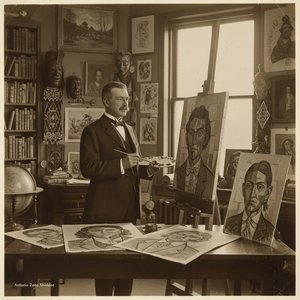
Antonio Zeno Shindler: A Pioneer of Cross-Cultural Portraiture in Early Modernism
Explore the life & work of Antonio Zeno Shindler, a pivotal figure in early modernist portraiture. Discover his unique style, anthropological collaborations, and lasting impact on cultural representation. Expert analysis for discerning collectors.