 Preview
 Send
Send Share
Share
 Details

 Download
 Similars
 X-Ray
X-Ray Diaporama
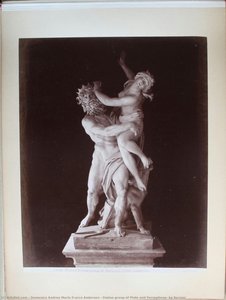
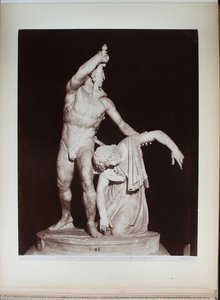
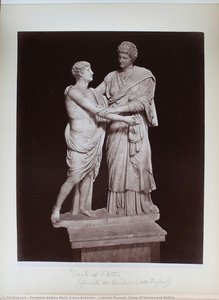
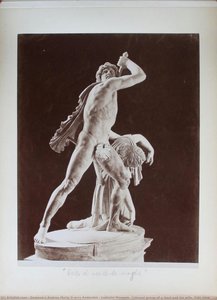
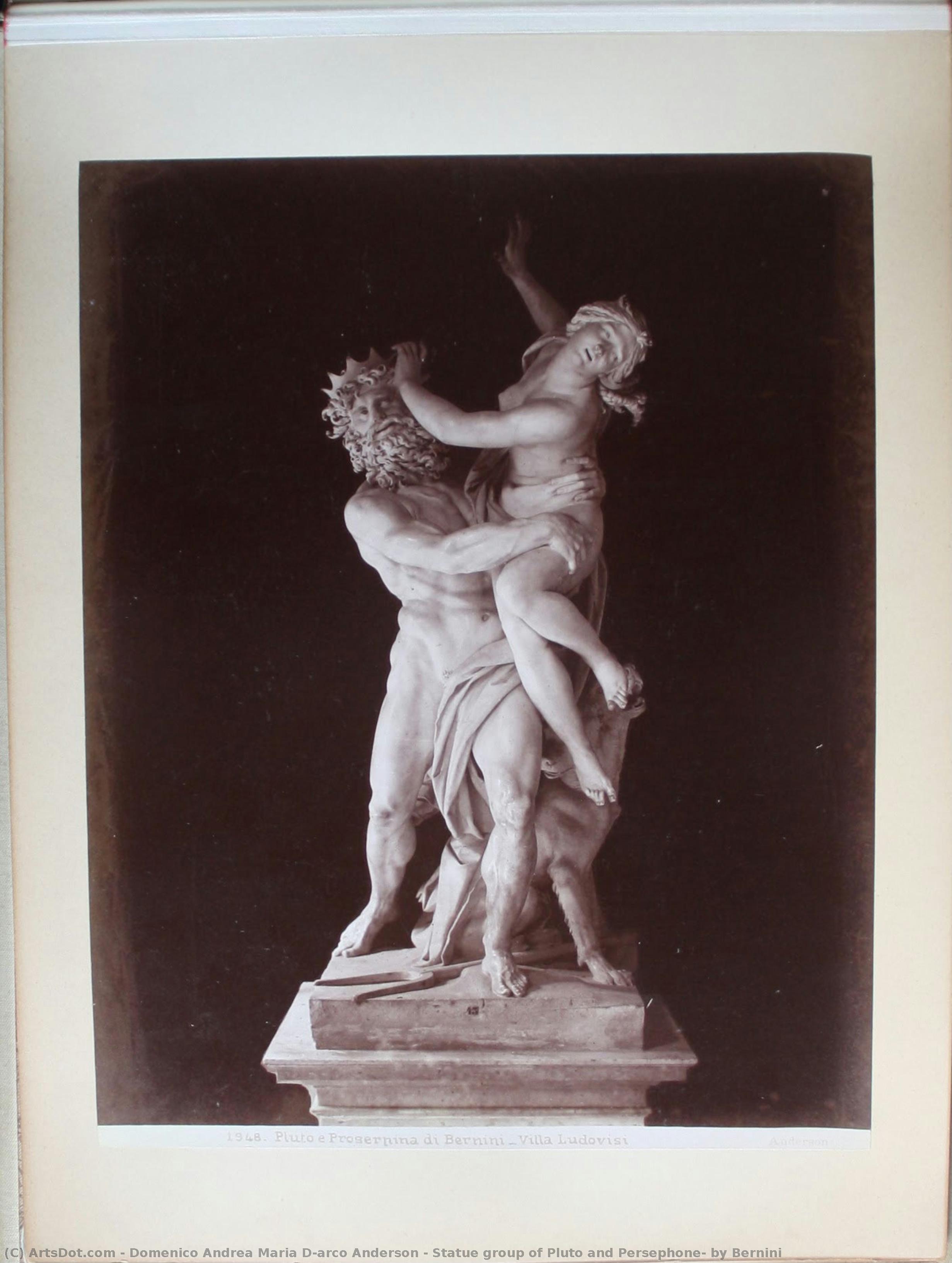
Statue group of Pluto and Persephone, by Bernini


 Read More
Giclée / Art Print
Museum-quality giclée or canvas print with fast production and flexible finish options. ( Buy Hand Made Painting Buy Image)




P118B $10

P118H $10

P118W $10

P438Z $10

P508JH $12

P508YH $12

P805H $10

P805Z $10

P919BZ $10

P919G $10

P919XJ $10

P959ZH $10

P968JZ $12

W106C $8

W218G $10

W218JH $8

W218Y $10

W307PJ $10

W316G $10

W316PJ $8

W316Y $10

W398PJ $8

W4111J $10

W500HY $15

W500JH $15

W692G $12

W849H $8

W940BG $15

W953PJ $8




Pick from our preset sizes that match the artwork's original proportions.

You may enter your own dimensions to fit a specific frame or space. If your selected size does not match the original image's proportions, we will either crop the artwork or extend the image with a mirrored or solid-fill edge. A digital mockup will be sent for your approval before production begins.
Please note that the on-screen preview does not reflect the actual cropping or extension. Only the mockup will accurately show the final composition.
While custom sizes are available, we recommend selecting a dimension from the predefined list to preserve the original proportions.
Worldwide Delivery () in 2 weeks instead of standard 4/5 weeks. (29 August)

Free Worldwide Express Shipping

High-Quality Linen Canvas

Full Shipping Insurance

Customs Tax Refund Guarantee

True Color Matching Guarantee

60-Day Return Policy (Defects Only)

100% Money-Back Guarantee

Bulk Discount Offer
 Glass option is only available in size under 110 CM

Statue group of Pluto and Persephone, by Bernini
Giclée / Art Print
Reproduction Size
-


Total Price
$ 63
Related Artworks
Artist Biography
The Visionary Lens of Domenico Anderson
In the mid-19th century, as the world stood on the precipice of a photographic revolution, Domenico Andrea Maria d'Arco Anderson emerged as a pioneering light in the Italian art scene. Born in Rome in 1827, Anderson was more than just a chronicler of his era; he was an artist who mastered the delicate alchemy of the calotype process. His journey into the heart of visual documentation began with a profound connection to the technical advancements of his time, specifically through the mentorship of the Scottish photographer James Simpson. This early exposure to the calotype method—a paper-based process that offered a softer, more painterly texture than the sharper daguerreotypes—allowed Anderson to infuse his images with a unique, atmospheric quality that bridged the gap between traditional lithography and the burgeoning medium of photography.
By 1854, Anderson had established his own studio in the eternal city of Rome, a space that became a crucible for capturing the soul of Italy. His work was characterized by an extraordinary clarity and a meticulous attention to detail, yet it never lost its sense of romantic composition. He possessed a rare ability to frame the monumental architecture of Rome not merely as static stone, but as living history. Through his lens, the Colosseum and the Roman Forum were transformed into evocative studies of light and shadow, providing a window into a period of profound historical transition. His talent for capturing both the grandeur of landscapes and the intimate nuances of portraiture earned him significant acclaim among his contemporaries, leading to collaborations with other luminaries of the photographic world, such as Robert Macpherson and Gustave Le Gray.
Technical Mastery and Artistic Legacy
The significance of Anderson's contribution lies in his dual mastery of photography and lithography. While his photographs documented the physical reality of 19th-century Italy, his lithographic works demonstrated a sophisticated technical skill that resonated with the fine arts community. This versatility allowed him to participate in the most prestigious international stages of his time, including the Paris International Exhibition of 1855 and the London International Exhibition of 1862. His ability to translate the textures of the Italian countryside and the intricate details of Roman monuments into reproducible art forms ensured that his vision reached an audience far beyond the borders of Italy.
Though his life was tragically short, ending in Florence in 1861, the impact of his work remains etched in the annals of photographic history. His archives serve as a vital historical record, preserved today in some of the world's most esteemed institutions:
- The National Gallery of Art in Washington D.C., where his ability to capture light is celebrated.
- The Metropolitan Museum of Art in New York, housing works that showcase his architectural precision.
- The Victoria and Albert Museum in London, recognizing his role in the evolution of photographic technique.
Today, we look back at Domenico Anderson not merely as a technician of the calotype, but as a true pioneer who helped define the aesthetic language of Italian photography. His work remains a testament to the power of the lens to capture the eternal essence of culture, history, and the sublime beauty of the natural world.
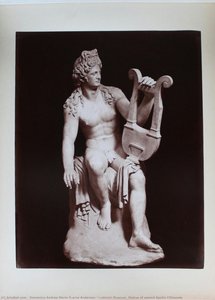
domenico andrea maria d'arco anderson
1827 - 1861 , Italy
Quick Facts
- Artistic Movement Or Style: Calotype photography and lithography
- Artists Who Influenced This Artist: ['James Simpson']
- Date Of Birth: 1827
- Date Of Death: 1861
- Full Name: Domenico Andrea Maria d'Arco Anderson
- Nationality: Italian
- Notable Artworks:
- Photograph of the Colosseum
- View of the Roman Forum
- Landscape of the Italian countryside
- Place Of Birth: Rome, Italy
Related Articles
Gian Lorenzo Bernini: Sculpting Baroque Emotion & the Roman Imagination
Explore the life & revolutionary art of Gian Lorenzo Bernini, the master sculptor of the Baroque era. Discover his iconic works like David and Ecstasy of Saint Teresa – a journey into Roman artistic genius.
Echoes of Olympus: Mythological Narratives in Western Art Through the Ages
Explore the captivating history of mythological narratives in Western art! From ancient Greece to modern masterpieces, discover iconic artworks & symbolism. Expert analysis and high-quality reproductions at ArtsDot.

Theatricality & Triumph: Baroque Drama in Painting & Sculpture
Explore the dramatic world of Baroque art! Discover its history, defining characteristics, & lasting influence on painting & sculpture. Expert insights into Caravaggio, Zurbarán, and Bernini – plus high-quality reproductions at ArtsDot.

Baroque Masterpieces: 10 Paintings That Defined an Era |
Journey through the drama & grandeur of Baroque art! Explore 10 masterpieces by Caravaggio, Rembrandt, Rubens & more. Discover stunning oil paintings, rich colors & timeless stories. Find museum-quality reproductions at .

Baroque Drama: Bringing Opulence & Emotion into Contemporary Interiors
Explore the opulent world of Baroque interior design! Discover key elements, modern applications & how to bring dramatic elegance into your home with 's authentic reproductions.