 Preview
 Send
Send Share
Share
 Details

 Download
 Similars
 X-Ray
X-Ray Diaporama
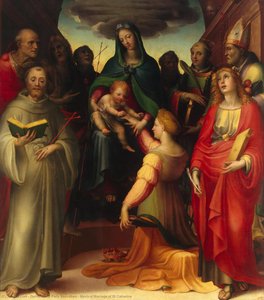
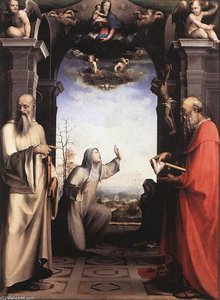
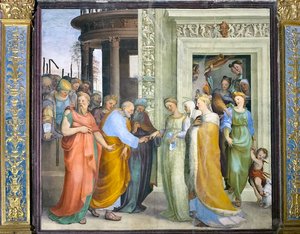
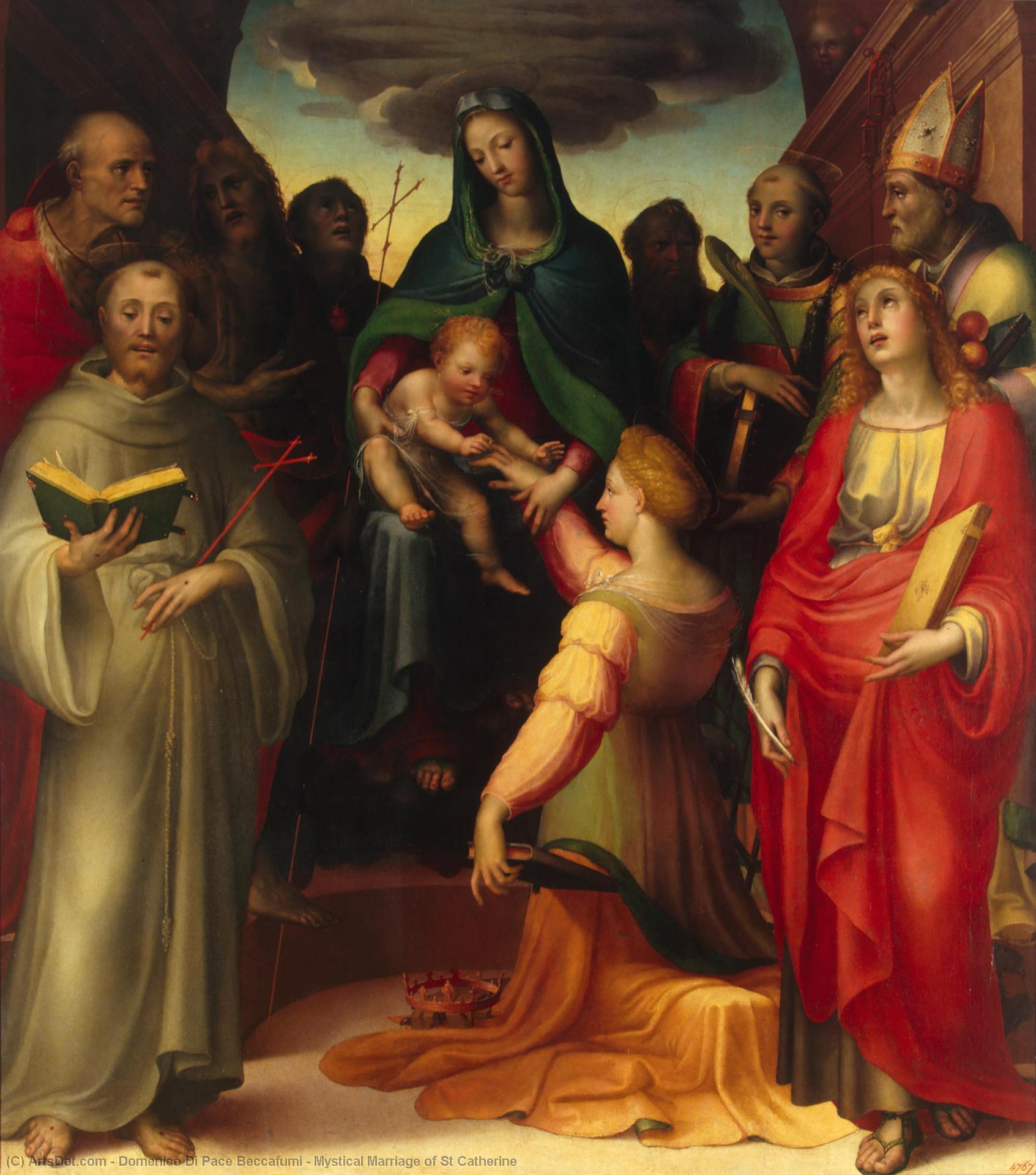
Mystical Marriage of St Catherine
 Acrylic
- WallArt
- Italian Renaissance Mannerism
 1521
1521 220.0 x 205.0 cm
 Hermitage Museum
 Read More
Hand Made Oil Reproduction
Hand-painted oil on canvas in your size and frame, made to order by our artists. ( Buy Print Buy Image)




P118B $10

P118H $10

P118W $10

P438Z $10

P508JH $12

P508YH $12

P805H $10

P805Z $10

P919BZ $10

P919G $10

P919XJ $10

P959ZH $10

P968JZ $12

W106C $8

W218G $10

W218JH $8

W218Y $10

W307PJ $10

W316G $10

W316PJ $8

W316Y $10

W398PJ $8

W4111J $10

W500HY $15

W500JH $15

W692G $12

W849H $8

W940BG $15

W953PJ $8




Pick from our preset sizes that match the artwork's original proportions.

You may enter your own dimensions to fit a specific frame or space. If your selected size does not match the original image's proportions, we will either crop the artwork or extend the painting with additional hand-painted elements. A digital mockup will be sent for your approval before production begins.
Please note that the on-screen preview does not reflect the actual cropping or extension. Only the mockup will accurately show the final composition.
While custom sizes are available, we recommend selecting a dimension from the predefined list to preserve the original proportions.
After order, ArtsDot.com team will email client for instructions and provide a mockup preview
Worldwide Delivery () in 3/4 weeks instead of standard 5 weeks. (16 August). No compromise on quality.

Free Worldwide Express Shipping

High-Quality Linen Canvas

Full Shipping Insurance

Customs Tax Refund Guarantee

True Color Matching Guarantee

60-Day Return Policy (Defects Only)

100% Money-Back Guarantee

Bulk Discount Offer
 Glass option is only available in size under 110 CM

Mystical Marriage of St Catherine
Reproduction Medium
Reproduction Size
-


Total Price
$ 263
Artwork Description
A Visionary Bridging Eras: Domenico Beccafumi’s Mystical Marriage of St Catherine
- Subject Matter and Narrative The painting depicts the mystical marriage of Saint Catherine, a revered figure in Christian iconography. This event commemorates the divine union between Saint Catherine—a young Egyptian martyr venerated for her unwavering faith—and Saint Dionysius—representing Christ himself. The scene unfolds with St. Catherine kneeling before a congregation of saints and dignitaries, symbolizing humility and devotion amidst spiritual grandeur.
- Style and Technique Domenico Beccafumi’s style exemplifies the transitional phase between High Renaissance idealism and Mannerist distortion. While retaining elements of classical proportion and anatomical accuracy—characteristic of Leonardo da Vinci and Michelangelo—he introduces unsettling perspectives, exaggerated drapery folds, and a palpable sense of emotional turbulence. The artist skillfully employs oil paint on canvas, layering translucent glazes to achieve remarkable luminosity and depth. This technique allows for nuanced tonal gradations that heighten the dramatic impact of the composition.
- Historical Context Created in 1521 during the Florentine Renaissance—a period marked by artistic innovation and humanist ideals—the painting nevertheless reflects the anxieties and uncertainties prevalent at the time. Beccafumi’s work engages with broader theological debates surrounding Marian devotion and papal authority, mirroring the complex spiritual landscape of his era. It stands as a testament to the enduring fascination with biblical narratives and their capacity to inspire contemplation.
- Symbolism The painting is replete with symbolic references that enrich its meaning beyond the literal depiction of the marriage ceremony. The two books prominently displayed—one open and illuminated, representing divine knowledge—underscore the importance of faith and intellectual inquiry. Furthermore, the figures surrounding St. Catherine convey a hierarchy of spiritual authority, emphasizing the sanctity of the occasion. The overall atmosphere evokes a profound sense of solemnity and reverence.
- Emotional Impact Domenico Beccafumi’s Mystical Marriage of St. Catherine transcends mere visual representation; it communicates an intense emotional experience. The artist captures the palpable tension between piety and ecstasy, conveying the transformative power of divine grace. Viewers are drawn into a contemplative space where beauty intertwines with psychological depth—a hallmark of Mannerist art that continues to resonate with audiences today.
Related Artworks
Artist Biography
A Sienese Visionary: The Life and Art of Domenico Beccafumi
Domenico di Pace Beccafumi, a name that resonates less immediately than those of his Florentine contemporaries, nonetheless occupies a pivotal position in the narrative of Italian Renaissance art. Born around 1486 in the small Tuscan town of Montaperto, near Siena, Beccafumi’s artistic journey was one of remarkable development, culminating in a style that bridged the High Renaissance and the burgeoning complexities of Mannerism. His story isn't simply about technical skill; it is about a deeply individual vision—a sensibility steeped in the traditions of his Sienese heritage yet boldly reaching towards new expressive possibilities. His origins were humble: the son of a peasant, Giacomo di Pace, his talent was recognized by Lorenzo Beccafumi, who adopted him and provided for his initial artistic training with Mechero, a local Sienese artist. This early grounding in the Sienese school would prove foundational, even as he ventured beyond its established conventions. The Sienese tradition, already diverging from the classical ideals embraced elsewhere in Italy, fostered an environment where emotional intensity and decorative detail were valued, qualities that would become hallmarks of Beccafumi’s unique style.Rome and the Forging of a Unique Style
Around 1509, Beccafumi journeyed to Rome, a transformative moment exposing him to the artistic ferment of the papal city. He encountered the groundbreaking works of Raphael and Michelangelo, absorbing their innovations in composition, anatomy, and dramatic expression. However, unlike many artists who sought to directly emulate these masters, Beccafumi synthesized these influences through his own distinct lens. He didn’t simply *copy* the Roman style; he filtered it through a pre-existing Sienese aesthetic—one characterized by a certain provincialism, an emphasis on decorative detail, and a lingering medieval sensibility. Upon returning to Siena, this synthesis began to manifest in a style increasingly his own. It was a style marked by irrationality, emotional intensity, and a captivating visual experience achieved through discordant colors and hallucinatory settings. His paintings weren’t merely representations of reality; they were explorations of inner states, imbued with a sense of unease and psychological depth. This departure from the harmonious balance of High Renaissance ideals signaled his embrace of Mannerism, though he remained distinctly apart from its more widespread trends.Masterworks and Artistic Innovations
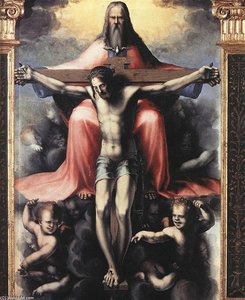
Beccafumi’s artistic output was diverse, encompassing painting, sculpture, mosaic design, and printmaking. Among his most celebrated achievements are the frescoes in the Oratory of St. Benedict in Siena, a testament to his narrative skill and expressive power. The Trinity Triptych, housed in the Pinacoteca Nazionale di Siena, showcases his mastery of oil painting and his ability to convey religious devotion with both grandeur and intimacy. The Annunciation, also at the Pinacoteca Nazionale, exemplifies his distinctive use of color and composition, creating a scene that is both serene and subtly unsettling. However, perhaps his most ambitious undertaking was his direction of the pavement for Siena Cathedral between 1517 and 1544. This monumental project involved intricate designs inlaid with marble and mosaics, depicting scenes from biblical stories—Ahab, Elijah, Melchisedec, Abraham, and Moses among them. Beccafumi not only designed these scenes but also innovated the technical processes used in their creation, demonstrating his remarkable versatility as an artist and craftsman. His skill extended to printmaking, where he excelled in both engraving and woodcut, further expanding his artistic reach. These prints allowed for wider dissemination of his style and ideas, influencing artists beyond Siena’s borders.Legacy: The Last of the Sienese School
Domenico Beccafumi died in Siena in 1551, marking a symbolic end to the city’s long and distinguished tradition of painting. He is rightfully regarded as the last significant representative of the Sienese school, preserving its unique aesthetic qualities while simultaneously anticipating the developments of Mannerism. His work stands apart from the more harmonious compositions of the High Renaissance, embracing instead a sense of emotional tension, instability, and expressive distortion. This willingness to challenge conventional norms foreshadowed later trends in art, influencing subsequent generations with its innovative techniques and psychological depth. Beccafumi’s legacy is not simply as a painter but as a visionary who dared to explore the boundaries of artistic expression, leaving behind a body of work that continues to captivate and intrigue viewers today. He remains a compelling figure, a testament to the enduring power of individual vision within the broader currents of art history.- Key Characteristics of Beccafumi’s Style:
- Misty, Non-Linear Quality: His paintings often possess an ethereal quality, with forms appearing to dissolve into a hazy atmosphere.
- Jagged Lines and Primal Coloration: Beccafumi favored sharp, angular lines and a bold, unconventional use of color that departed from the more balanced palettes of his contemporaries.
- Emotional Tension and Instability: A pervasive sense of unease and psychological complexity characterizes his work, reflecting a departure from the classical ideals of harmony and proportion.
- Sienese Tradition with Mannerist Influences: He skillfully blended the decorative elements and emotional intensity of the Sienese school with the emerging stylistic features of Mannerism.
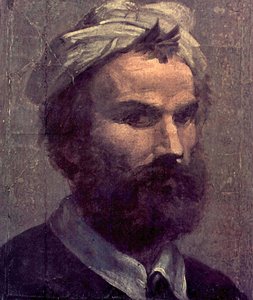
domenico di pace beccafumi
1486 - 1551 , Italy
Quick Facts
- Artistic Movement Or Style: Mannerism, Renaissance
- Artists Or Movements Influenced By This Artist: ['Mannerism']
- Artists Who Influenced This Artist:
- Raphael
- Michelangelo
- Date Of Birth: c. 1486
- Date Of Death: May 18, 1551
- Full Name: Domenico di Pace Beccafumi
- Nationality: Italian
- Notable Artworks:
- Trinity Triptych
- The Annunciation
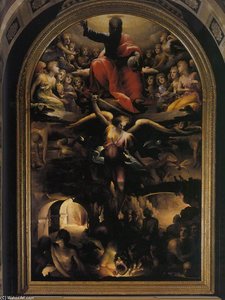
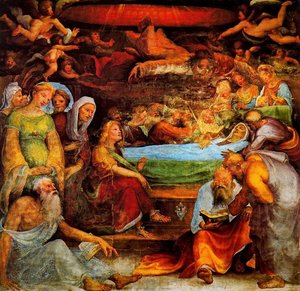
- Transit of the Virgin
- Continence of Scipio
- Place Of Birth: Montaperto, Italy
Related Articles
Domenico Beccafumi: A Sienese Master Between Mannerism & Baroque Anticipation
Explore the captivating world of Domenico Beccafumi, a pivotal figure bridging Mannerism & Baroque art. Discover his unique style, religious masterpieces, and lasting legacy with ArtsDot.
El Greco's Masterpieces: Explore 25 Iconic Paintings & Spiritual Visions | ArtsDot
Journey through El Greco's 25 most iconic paintings! Explore the spiritual depth & dramatic beauty of this Spanish Renaissance master. Discover art history, techniques & find museum-quality reproductions for your home at ArtsDot.com.
Mannerism: Bridging Renaissance Harmony & Baroque Drama – A Study of Style & Affectation
Explore the fascinating world of Mannerism! Discover its key characteristics, pioneering artists like Pontormo & Bronzino, and its pivotal role in bridging Renaissance harmony to Baroque drama. A comprehensive guide for art enthusiasts.
Giotto's Masterpieces: 25 Renaissance Artworks for Your Home | ArtsDot
Explore 25 breathtaking artworks by Giotto di Bondone, a Renaissance master. Discover the stories behind iconic frescoes & paintings like the Scrovegni Chapel cycle. Find museum-quality Giotto reproductions and elevate your home decor with ArtsDot.com.
Mannerism's Masters: 10 Artworks That Redefined Renaissance Style | ArtsDot
Explore 10 defining Mannerism masterpieces – from Pontormo to El Greco. Discover the stories behind these Renaissance paintings, their unique style & symbolism. Find museum-quality art reproductions at ArtsDot.com and elevate your home decor.