 Preview
 Send
Send Share
Share
 Details

 Download
 Similars
 X-Ray
X-Ray Diaporama
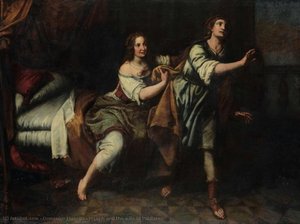
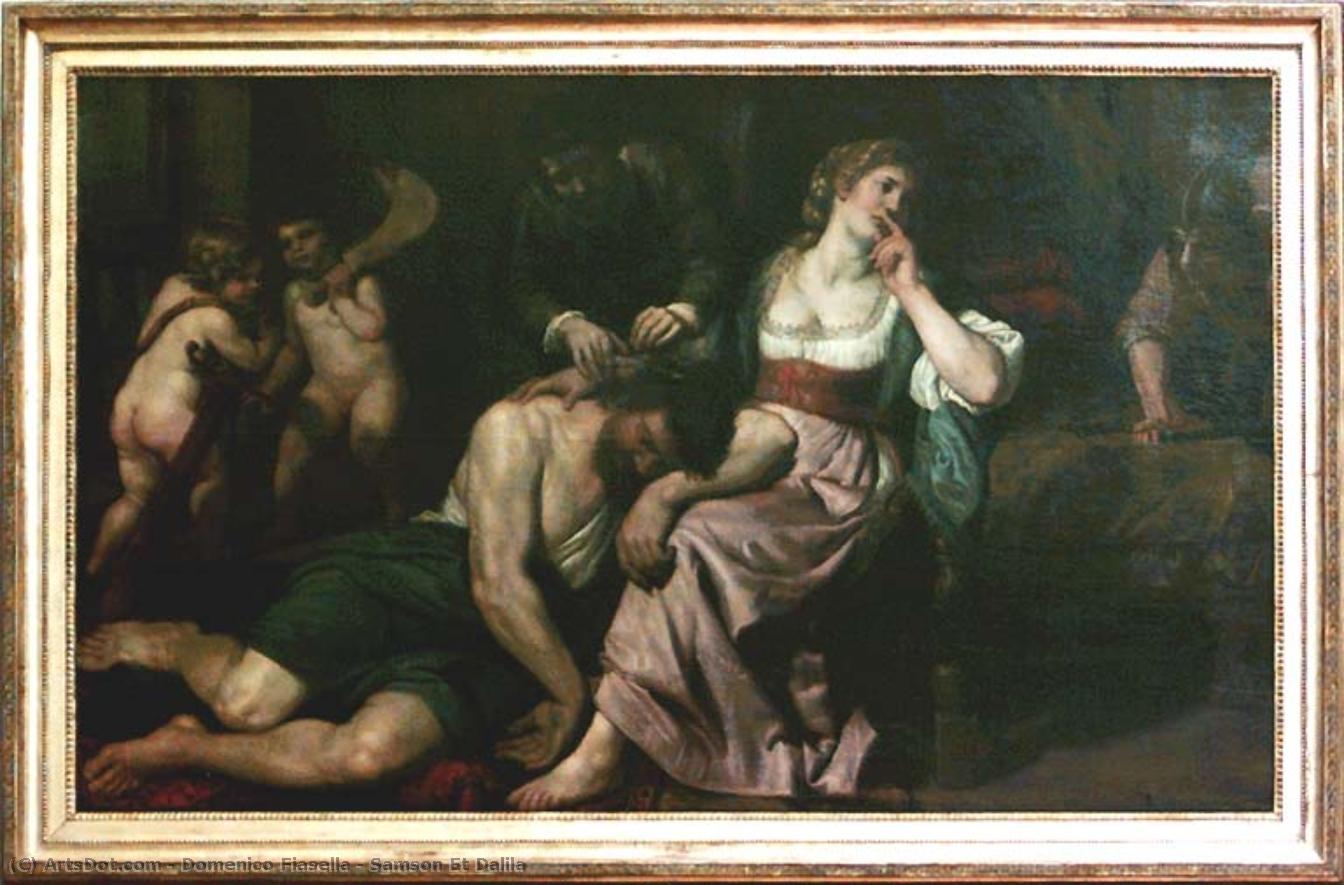
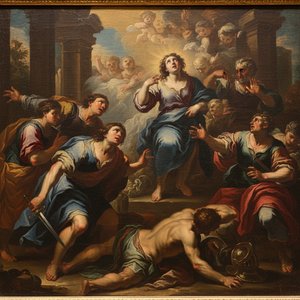
Samson Et Dalila


 Read More
Giclée / Art Print
Museum-quality giclée or canvas print with fast production and flexible finish options. ( Buy Hand Made Painting Buy Image)




P118B $10

P118H $10

P118W $10

P438Z $10

P508JH $12

P508YH $12

P805H $10

P805Z $10

P919BZ $10

P919G $10

P919XJ $10

P959ZH $10

P968JZ $12

W106C $8

W218G $10

W218JH $8

W218Y $10

W307PJ $10

W316G $10

W316PJ $8

W316Y $10

W398PJ $8

W4111J $10

W500HY $15

W500JH $15

W692G $12

W849H $8

W940BG $15

W953PJ $8




Pick from our preset sizes that match the artwork's original proportions.

You may enter your own dimensions to fit a specific frame or space. If your selected size does not match the original image's proportions, we will either crop the artwork or extend the image with a mirrored or solid-fill edge. A digital mockup will be sent for your approval before production begins.
Please note that the on-screen preview does not reflect the actual cropping or extension. Only the mockup will accurately show the final composition.
While custom sizes are available, we recommend selecting a dimension from the predefined list to preserve the original proportions.
Worldwide Delivery () in 2 weeks instead of standard 4/5 weeks. (18 August)

Free Worldwide Express Shipping

High-Quality Linen Canvas

Full Shipping Insurance

Customs Tax Refund Guarantee

True Color Matching Guarantee

60-Day Return Policy (Defects Only)

100% Money-Back Guarantee

Bulk Discount Offer
 Glass option is only available in size under 110 CM

Samson Et Dalila
Giclée / Art Print
Reproduction Size
-


Total Price
$ 63
Collectible Description
The Drama of Betrayal: An Encounter with Samson Et Dalila
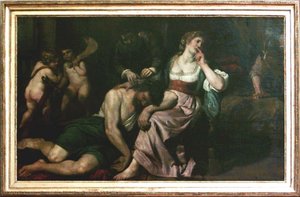
To stand before Domenico Fiasella’s Samson Et Dalila is to be enveloped in the very breath of Baroque drama. This masterpiece, painted in 1635, is not merely a depiction of a biblical narrative; it is a visceral exploration of temptation, vulnerability, and the devastating cost of misplaced trust. The scene unfolds with an almost unbearable tension, capturing that precise moment when divine strength falters under the weight of human deceit. Fiasella masterfully orchestrates his figures within what appears to be a richly appointed, luxurious chamber—a setting that speaks both of opulence and impending ruin.
Baroque Grandeur in Technique and Form
Fiasella’s technical prowess is immediately apparent upon viewing the canvas. The painting pulses with the characteristic energy of the Baroque period, favoring movement, intense emotion, and theatrical lighting. Observe the handling of light; it does not merely illuminate, it sculpts. Through a masterful application of chiaroscuro, deep shadows cling to the corners of the architectural setting, while brilliant shafts of light catch the taut musculature of Samson and the delicate folds of Dalila’s garments. This dramatic contrast heightens every gesture, turning fabric into liquid shadow and skin into luminous planes. The artist’s background in craftsmanship lends a meticulous realism to the rendering of texture—the sheen on rich fabrics contrasting sharply with the soft vulnerability portrayed on the figures' flesh.
Symbolism Woven into Flesh and Hair
The narrative itself is steeped in potent symbolism. Samson, once a figure of immense, divinely granted power, lies defeated, his physical state serving as a profound metaphor for compromised virtue or lost spiritual fortitude. Dalila, conversely, embodies the alluring danger—the seductive whisper that leads to downfall. Her contemplative gaze suggests an understanding of the power she wields, making her presence both mesmerizing and deeply unsettling. The very act depicted—the severing of Samson’s hair—is a potent symbol in art history, representing not just physical weakness, but the severance of divine connection or masculine identity itself. These symbolic undercurrents elevate the piece far beyond simple storytelling.
A Study in Emotional Intensity for the Modern Collector
For those who appreciate art that speaks directly to the human condition—the peaks of passion and the valleys of despair—this work offers profound resonance. The emotional impact is immediate; one feels the weight of the secret whispered, the gravity of the betrayal. When considering a reproduction for your home or collection, know that you are acquiring more than just an image; you are acquiring a moment of high drama, rendered with academic precision and passionate flair. Fiasella’s ability to balance such intense psychological complexity within a framework of classical grandeur makes Samson Et Dalila a timeless centerpiece, capable of lending both historical weight and dramatic vitality to any interior space.
Related Artworks
Artist Biography
The Visionary of Genoa: The Life and Legacy of Domenico Fiasella
To encounter the works of Domenico Fiasella is to step into the heart of the Italian Baroque, a period defined by theatricality, profound emotion, and a masterful command of light. Known affectionately by his contemporaries as Il Sarzana, Fiasella was far more than a mere painter; he was a cornerstone of the Genoese artistic landscape. Born in 1589 to a family of skilled silversmiths, his earliest sensibilities were forged in the meticulous world of craftsmanship. This foundational training under masters such as Aurelio Lomi and Giovanni Battista Paggi instilled in him an unwavering attention to detail—a precision that would later allow him to render the textures of silk, the gleam of armor, and the soft vulnerability of human skin with unparalleled realism.
Fiasella’s artistic odyssey truly began when he ventured to Rome, a move that would fundamentally reshape his creative DNA. Immersed in the vibrant atmosphere of the Accademia del Nudo, he found himself under the direct tutelage of luminaries like Guido Reni and Ciriaco Mattei. This Roman period was transformative, as it exposed him to the lingering elegance of Mannerism while simultaneously introducing him to the burgeoning energy of the Baroque style. Through these influential mentors, Fiaselle learned to balance classical grace with a new, dynamic approach to composition, securing prestigious commissions from powerful patrons such as Vincenzo Giustiniani and engaging in collaborations with celebrated figures like Cavalier d'Arpino.
Mastery of Drama and Technique
Upon his return to Genoa in 1616, Fiasella established a prolific studio that would become a beacon for the next generation of artists. His work is characterized by an extraordinary ability to orchestrate tension and movement within a frame. In masterpieces such as Samson Et Dalila, painted in 1635, one can witness his profound grasp of chiaroscuro. He does not merely use light to illuminate a scene; he uses it to sculpt the very air around his subjects. Deep, velvety shadows cling to architectural corners, creating a sense of mystery, while brilliant, focused shafts of light catch the taut musculature of heroes or the delicate folds of a betrayer's gown. This interplay of light and shadow serves to heighten the psychological weight of his narratives, turning biblical stories into visceral human dramas.
His technical prowess extended beyond the canvas to the monumental scale of fresco painting. Fiasella’s ability to command large-scale architectural spaces is evident in his ambitious projects, such as the Story of Esther for the Palazzo Lamellini alla Zecca and his evocative Annunciation in the church of Santa Maria Assunta. In these works, he demonstrated a mastery of perspective and monumental form, ensuring that his narratives resonated with both the intimacy of a private devotional piece and the grandeur required by public institutions.
A Lasting Impression on the Genoese School
The historical significance of Domenico Fiasella lies not only in his individual achievements but in his role as a bridge between eras and a mentor to others. His studio served as a crucible for talent, most notably influencing the development of Gregorio De Ferrari, a pivotal figure in the later Genoese Baroque. By blending the meticulousness of his silversmith heritage with the dramatic innovations of the Roman school, Fiasella created a unique visual language that defined the aesthetic of Genoa for decades.
As we reflect on his body of work, several key elements emerge as his enduring contributions to art history:
- The Synthesis of Styles: His ability to merge the refined elegance of Reni’s classicism with the robust energy of the Baroque.
- Narrative Depth: A profound talent for capturing the precise moment of emotional climax, whether it be betrayal, divine intervention, or quiet devotion.
- Textural Realism: A lifelong dedication to the tactile quality of his subjects, a gift inherited from his early training in metalwork.
- Architectural Grandeur: The successful execution of large-scale fresco cycles that transformed the interior landscapes of Genoa.
Though he passed away in 1669, leaving behind a legacy preserved in museums such as the John and Mable Ringling Museum of Art, Fiasella’s spirit remains vibrant. His paintings continue to invite viewers into a world where light tells stories, shadows hold secrets, and the human condition is rendered with both breathtaking beauty and haunting truth.
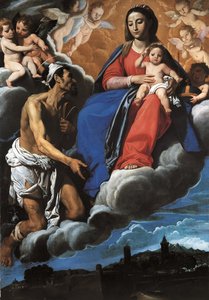
Domenico Fiasella
1589 - 1669
Quick Facts
- Artistic Movement Or Style: Baroque
- Artists Or Movements Influenced By This Artist: ['Roman Baroque']
- Artists Who Influenced This Artist: ['Guido Reni']
- Date Of Death: 1669
- Full Name: Domenico Fiasella
- Nationality: Italian
- Notable Artworks:
- Christ Healing Blind
- Flight into Egypt
- Queen Artemisia
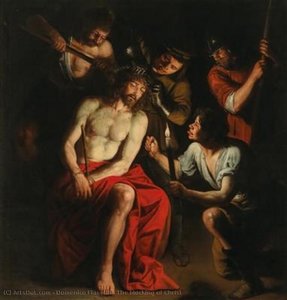
- The Mocking of Christ
- Samson and the Lion
- Place Of Birth: C
Related Articles

The Dramatic Flourish: Exploring the Baroque Movement's Enduring Legacy in Art History
Explore the dramatic world of Baroque art! Discover iconic artists like Caravaggio & Rubens, defining techniques, and its lasting impact on art history. Expert insights for collectors & enthusiasts at ArtsDot.

The Visceral Stage: Exploring Dramatic Narratives & Emotional Intensity in Baroque Art
Explore the dramatic world of Baroque art! Discover iconic masters like Caravaggio & Rembrandt, their techniques, and the movement's lasting impact. Expert insights for collectors & enthusiasts at ArtsDot.

Baroque Drama: Bringing Opulence & Emotion into Contemporary Interiors
Explore the opulent world of Baroque interior design! Discover key elements, modern applications & how to bring dramatic elegance into your home with 's authentic reproductions.

Baroque Masterpieces: 10 Paintings That Defined an Era |
Journey through the drama & grandeur of Baroque art! Explore 10 masterpieces by Caravaggio, Rembrandt, Rubens & more. Discover stunning oil paintings, rich colors & timeless stories. Find museum-quality reproductions at .
The Dramatic Flourish: Exploring Baroque Painting's Emotional Intensity & Artistic Innovations
Explore the dramatic world of Baroque painting! Discover its history, defining characteristics, iconic artists like Caravaggio & Rubens, and lasting influence on Western art. Expert insights for collectors.