 Preview
 Send
Send Share
Share
 Details

 Download
 Similars
 X-Ray
X-Ray Diaporama
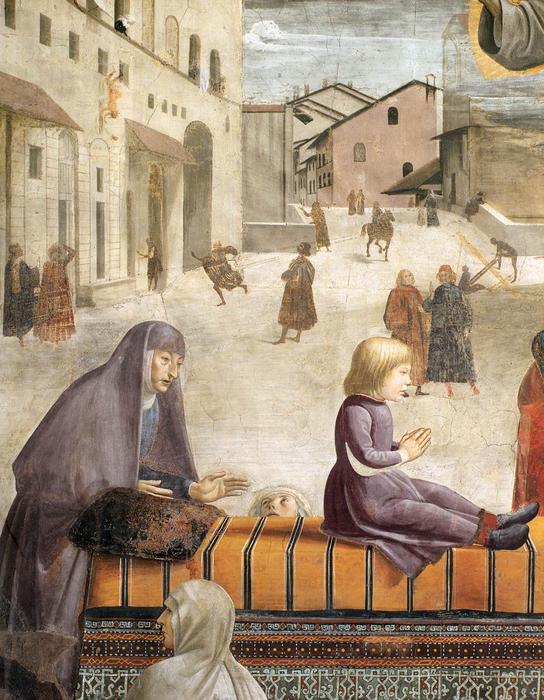
Resurrection of the Boy (detail)


 Read More
Giclée / Art Print
Museum-quality giclée or canvas print with fast production and flexible finish options. ( Buy Hand Made Painting Buy Image)




P118B $10

P118H $10

P118W $10

P438Z $10

P508JH $12

P508YH $12

P805H $10

P805Z $10

P919BZ $10

P919G $10

P919XJ $10

P959ZH $10

P968JZ $12

W106C $8

W218G $10

W218JH $8

W218Y $10

W307PJ $10

W316G $10

W316PJ $8

W316Y $10

W398PJ $8

W4111J $10

W500HY $15

W500JH $15

W692G $12

W849H $8

W940BG $15

W953PJ $8




Pick from our preset sizes that match the artwork's original proportions.

You may enter your own dimensions to fit a specific frame or space. If your selected size does not match the original image's proportions, we will either crop the artwork or extend the image with a mirrored or solid-fill edge. A digital mockup will be sent for your approval before production begins.
Please note that the on-screen preview does not reflect the actual cropping or extension. Only the mockup will accurately show the final composition.
While custom sizes are available, we recommend selecting a dimension from the predefined list to preserve the original proportions.
Worldwide Delivery () in 2 weeks instead of standard 4/5 weeks. (3 September)

Free Worldwide Express Shipping

High-Quality Linen Canvas

Full Shipping Insurance

Customs Tax Refund Guarantee

True Color Matching Guarantee

60-Day Return Policy (Defects Only)

100% Money-Back Guarantee

Bulk Discount Offer
 Glass option is only available in size under 110 CM

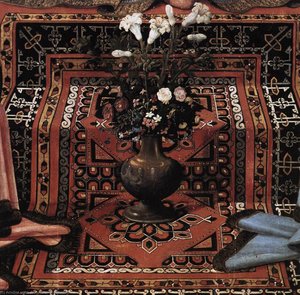
Resurrection of the Boy (detail)
Giclée / Art Print
Reproduction Size
-


Total Price
$ 63
A Window into Renaissance Florence: The Resurrection of the Boy
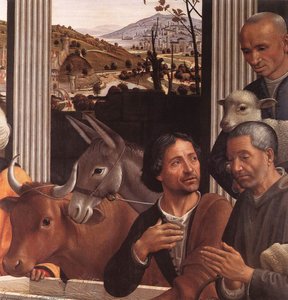
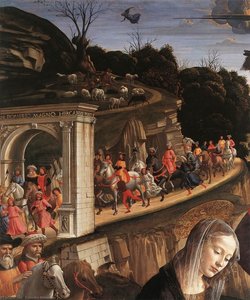
Domenico Ghirlandaio’s “Resurrection of the Boy” (detail), painted in 1483, isn't merely a depiction of a biblical scene; it’s a vibrant snapshot of fifteenth-century Florentine life, meticulously rendered with an astonishing blend of realism and symbolic depth. This intimate fragment, likely originating from a larger fresco cycle, offers a rare glimpse into the bustling marketplace – or perhaps a public square – that served as the backdrop for this poignant encounter. The scene immediately draws the eye, not just for its technical mastery but for the palpable sense of humanity it conveys; a quiet dignity amidst the apparent chaos of urban existence.
Ghirlandaio’s skill lies in his ability to seamlessly integrate religious narrative with contemporary observation. The figures are not idealized representations of saints but individuals caught in a moment, their clothing and gestures reflecting the fashions and behaviors of Florentine society. Note the details: the woman's richly embroidered shawl, the boy’s simple tunic, the expressions on the faces of the onlookers – each element speaks to a world both familiar and profoundly spiritual. The flattened perspective, characteristic of fresco painting, creates an illusion of depth through overlapping forms and architectural elements, drawing the viewer into this miniature stage.
The Maestro's Technique: Fresco and Florentine Realism
Executed in the traditional technique of *fresco*, Ghirlandaio worked directly onto wet plaster, a method demanding both speed and precision. The slightly rough texture of the paint—a result of this direct application—adds to the painting’s tactile quality, grounding the scene in a tangible reality. The artist's use of color is masterful; ochres, browns, creams, and touches of purple and red create a muted palette that evokes the warm light filtering through a Florentine building. The lines are carefully defined, delineating shapes and forms with remarkable clarity, yet Ghirlandaio avoids harsh outlines, allowing the colors to blend subtly, contributing to the painting’s overall sense of warmth and humanity.
The composition itself is remarkably balanced. The central figure of the elderly woman presenting the boy is framed by a carefully arranged group of onlookers, each with their own expression of awe or curiosity. This arrangement isn't random; it serves to draw the viewer’s eye towards the focal point – the transformative moment of presentation. The architectural details—a doorway and columns—provide a sense of setting, anchoring the scene within a specific urban space.
Symbolism and Spiritual Resonance
Beyond its realistic depiction, “Resurrection of the Boy” is rich in symbolic meaning. The central event – the presentation of the young Christ to John the Baptist or another saint – represents not just a historical moment but also a profound theological concept: the promise of salvation through sacrifice and redemption. The elderly woman’s gesture of offering embodies compassion, wisdom, and faith. The boy himself is often interpreted as an emblem of innocence and divine grace. The entire scene resonates with themes of hope, charity, and the enduring power of spiritual belief – values deeply ingrained in Renaissance Florence.
Furthermore, the inclusion of everyday figures within the religious narrative highlights a key characteristic of Ghirlandaio’s work: his ability to bridge the gap between the sacred and the secular. He doesn't simply depict saints in an ethereal realm; he places them within the context of ordinary human life, making their message accessible and relatable to viewers.
A Timeless Masterpiece – Reproduction Possibilities
Reproductions of “Resurrection of the Boy” capture the essence of this remarkable painting. The meticulous detail, vibrant colors, and profound symbolism are faithfully reproduced, allowing you to bring a touch of Renaissance Florence into your home or office. Consider commissioning a hand-painted reproduction – a truly unique piece that honors the legacy of Domenico Ghirlandaio and his enduring contribution to Western art.
Related Artworks
Artist Biography
A Florentine Garland: The Life and Art of Domenico Ghirlandaio
Domenico di Tommaso Curradi di Doffo Bigordi, known to history as Domenico Ghirlandaio, emerged from the vibrant artistic landscape of Florence in 1449. His very nickname, “Il Ghirlandaio” – the garland-maker – speaks volumes about his origins and early influences. It wasn’t a reference to floral arrangements but rather to the exquisite, jewel-like headdresses crafted by his father, a goldsmith, that adorned Florentine women of the era. This familial connection to craftsmanship instilled in young Domenico an appreciation for detail, precision, and the beauty of ornamentation – qualities that would profoundly shape his artistic vision. Initially apprenticed to his father, learning the intricacies of metalwork, he soon transitioned to painting under Alesso Baldovinetti, absorbing the techniques of fresco and mosaic that defined Florentine art. Some scholars also suggest a formative period with Andrea del Verrocchio, placing him amongst a generation of masters who would redefine Renaissance aesthetics.Bridging the Sacred and the Secular
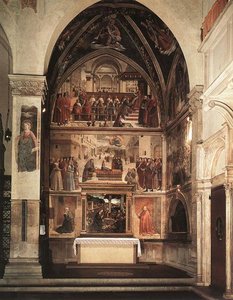
Ghirlandaio’s artistic prowess lay in his remarkable ability to seamlessly blend religious narrative with contemporary life. He didn't populate biblical scenes with idealized figures from antiquity; instead, he populated them with recognizable Florentines – merchants, townsfolk, even members of the patron families themselves. This innovative approach brought a startling realism and immediacy to his work, grounding the sacred in the everyday world. His workshop, a bustling hub of creativity, included not only his brothers Davide and Benedetto but also his brother-in-law Sebastiano Mainardi and, most famously, the young Michelangelo Buonarroti. The sheer efficiency and productivity of this studio allowed Ghirlandaio to undertake large-scale commissions that cemented his reputation as one of Florence’s leading artists. Notable examples include the stunning fresco cycles in the Sassetti Chapel of Santa Trinita (1482-1485), a vibrant tapestry of biblical stories interwoven with scenes of Florentine commerce and society, and the *Apotheosis of St. Zenobius* in the Palazzo Vecchio, showcasing his mastery of perspective and composition.Rome and the Sistine Chapel
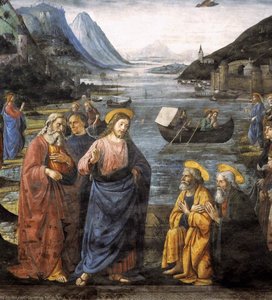
The pinnacle of Ghirlandaio’s career arrived in 1481 with a summons to Rome from Pope Sixtus IV. The pontiff sought to assemble a team of Florence's most talented artists – including Botticelli, Perugino, and Rossetti – to decorate the walls of the newly constructed Sistine Chapel. Ghirlandaio’s contribution was *The Vocation of the Apostles*, a dynamic scene depicting Christ calling Peter and Andrew to follow him. While overshadowed by Michelangelo’s later ceiling frescoes, Ghirlandaio's work in the chapel demonstrates his skill in narrative storytelling and his ability to create compelling compositions filled with expressive figures. It also provided a crucial learning experience for the young Michelangelo, who observed Ghirlandaio’s techniques firsthand, absorbing lessons that would inform his own artistic development.Legacy of Realism and Influence
Domenico Ghirlandaio's untimely death in 1494 at the age of forty-five cut short a promising career, but his impact on Renaissance art was profound. He left behind a legacy not only through his numerous frescoes and paintings but also through the artists he trained, most notably Michelangelo. His emphasis on realism, his ability to portray contemporary life within religious contexts, and his masterful use of color and composition influenced generations of painters. While perhaps less celebrated than some of his contemporaries like Leonardo da Vinci or Raphael, Ghirlandaio’s work offers a unique window into the world of Renaissance Florence – a world where faith, commerce, and artistic innovation converged to create an era of unparalleled cultural achievement. His paintings remain as vibrant testaments to his skill, offering viewers a glimpse into the lives and beliefs of those who lived centuries ago.Notable Works
- St. Jerome in His Study (1480): A companion piece to Botticelli’s *Saint Augustine*, showcasing Ghirlandaio's skill with fresco and attention to detail.
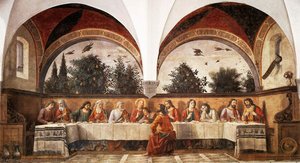
- The Last Supper (Ognissanti, 1480): A groundbreaking work that influenced later depictions of this iconic scene, including Leonardo da Vinci’s masterpiece.
- Frescoes in the Sassetti Chapel (Santa Trinita, 1482-1485): A comprehensive cycle illustrating the life of St. Francis, celebrated for its realistic portrayal of Florentine society.
- The Vocation of the Apostles (Sistine Chapel, 1483): A significant contribution to one of the world’s most iconic artistic spaces.
- Adoration of the Magi (Uffizi Gallery, 1487): A vibrant and detailed depiction showcasing Ghirlandaio's mastery of composition and color.
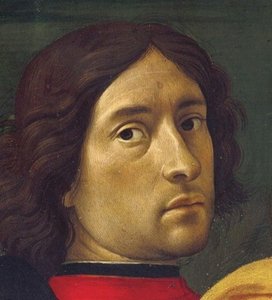
Domenico Ghirlandaio
1449 - 1494 , Italy
Quick Facts
- Artistic Movement Or Style: Early Renaissance
- Artists Or Movements Influenced By This Artist:
- Michelangelo
- Ridolfo Ghirlandaio
- Artists Who Influenced This Artist:
- Alesso Baldovinetti
- Andrea del Verrocchio
- Date Of Birth: 1449
- Date Of Death: 1494
- Full Name: Domenico di Tommaso Curradi
- Nationality: Italian
- Notable Artworks:
- St. Jerome in his Study
- The Last Supper
- Vocation of Apostles
- Adoration Shepherds
- Place Of Birth: Florence, Italy
Related Articles

The Fresco as Family Legacy: Preserving Heritage Through Wall Art
Explore the rich history & enduring legacy of fresco painting. Discover how to preserve family heritage through stunning wall art. Expert insights & restoration guidance.
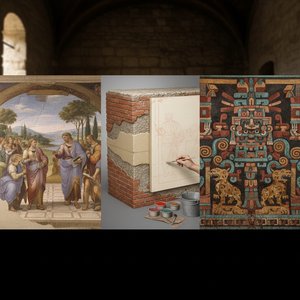
The Enduring Legacy of Fresco: Technique, History & Artistic Expression Across Cultures
Explore the rich history & enduring legacy of fresco painting! Discover ancient techniques, Giotto's masterpieces, and modern applications. Expert insights for art lovers & professionals.

The Enduring Legacy of Fresco Painting: Techniques, History & Contemporary Relevance
Explore the rich history & enduring artistry of fresco painting – from Giotto to Michelangelo! Discover techniques, conservation efforts, & modern applications. Learn how ArtsDot brings this timeless art form to your home.
The Enduring Legacy of Fresco: Technique, History & Artistic Expression
Explore the rich history & enduring artistry of fresco painting. Discover techniques from Giotto to Michelangelo, conservation efforts, & modern applications. Learn how ArtsDot brings this timeless art form to your home.
Art That Lives With You: The Emotional Power of a Custom Interior Fresco
Discover the emotional power & timeless beauty of custom interior frescoes. Explore history, design tips & expert guidance from – creating lasting legacies.