 Preview
 Send
Send Share
Share
 Details

 Download
 Similars
 X-Ray
X-Ray Diaporama
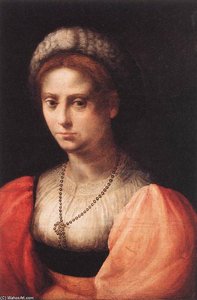
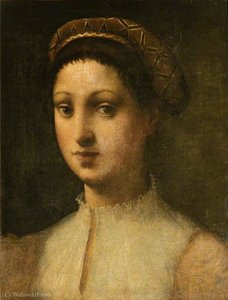
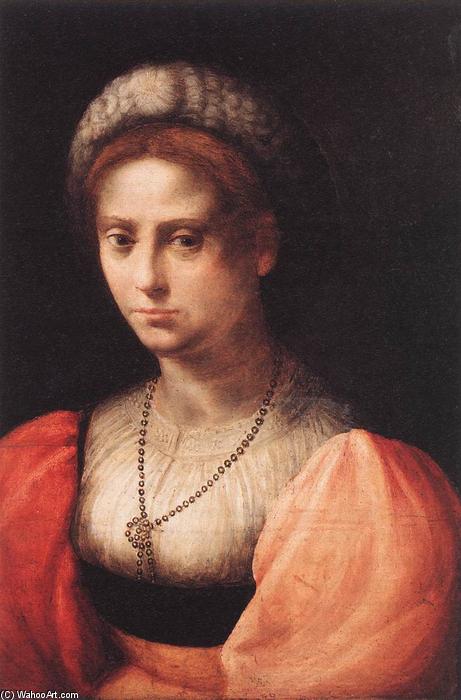
Portrait of a Lady


 Read More
Giclée / Art Print
Museum-quality giclée or canvas print with fast production and flexible finish options. ( Buy Hand Made Painting Buy Image)




P118B $10

P118H $10

P118W $10

P438Z $10

P508JH $12

P508YH $12

P805H $10

P805Z $10

P919BZ $10

P919G $10

P919XJ $10

P959ZH $10

P968JZ $12

W106C $8

W218G $10

W218JH $8

W218Y $10

W307PJ $10

W316G $10

W316PJ $8

W316Y $10

W398PJ $8

W4111J $10

W500HY $15

W500JH $15

W692G $12

W849H $8

W940BG $15

W953PJ $8




Pick from our preset sizes that match the artwork's original proportions.

You may enter your own dimensions to fit a specific frame or space. If your selected size does not match the original image's proportions, we will either crop the artwork or extend the image with a mirrored or solid-fill edge. A digital mockup will be sent for your approval before production begins.
Please note that the on-screen preview does not reflect the actual cropping or extension. Only the mockup will accurately show the final composition.
While custom sizes are available, we recommend selecting a dimension from the predefined list to preserve the original proportions.
Worldwide Delivery () in 2 weeks instead of standard 4/5 weeks. (25 August)

Free Worldwide Express Shipping

High-Quality Linen Canvas

Full Shipping Insurance

Customs Tax Refund Guarantee

True Color Matching Guarantee

60-Day Return Policy (Defects Only)

100% Money-Back Guarantee

Bulk Discount Offer
 Glass option is only available in size under 110 CM

Portrait of a Lady
Giclée / Art Print
Reproduction Size
-


Total Price
$ 63
Collectible Description
Portrait of a Lady by Domenico Puligo
Domenico Puligo (1492-1527) stands as a fascinating figure within the vibrant tapestry of Florentine Renaissance painting, an artist whose contribution has often been overshadowed by his more celebrated contemporaries. Born in Florence’s Ponte a Rifredi district – a crucible of artistic innovation – Puligo emerged from a family steeped in craftsmanship; his father, Bartolomeo Ubaldini, was a blacksmith, grounding him in the practical realities alongside the burgeoning ideals of humanist scholarship. His formative years were spent absorbing influences from masters like Ghirlandaio and del Sarto, shaping his artistic sensibilities before he embarked on his own independent career. Puligo’s stylistic trajectory aligns seamlessly with the broader currents of Mannerism, a movement characterized by heightened emotion, stylized forms, and an exploration of illusionistic techniques—a deliberate departure from the serene realism championed by earlier Renaissance artists. However, unlike many of his peers who embraced dramatic grandeur, Puligo cultivated a refined aesthetic rooted in subtlety and grace. This is particularly evident in *Portrait of a Lady*, a masterpiece that exemplifies his mastery of sfumato – the delicate blending of tones to create soft contours and atmospheric haze—a technique perfected by Leonardo da Vinci and adopted with considerable success by Puligo himself. The painting’s luminous quality speaks volumes about his meticulous attention to detail and his profound understanding of light as an expressive element. The composition centers on a woman depicted from the waist up, seated in dignified repose against a dark background that amplifies the luminosity of her face and attire. Her gaze directs slightly to the left, conveying a quiet contemplation—a characteristic gesture of Renaissance portraiture intended to convey inner serenity and noble bearing. The artist skillfully employs lines to delineate the contours of her features, dress, and headdress, creating an image imbued with elegance and sophistication. Warm hues dominate the palette – reds, golds, and browns – reflecting not only the opulent fabrics adorning the lady but also conveying a sense of warmth and richness that resonates deeply within the viewer’s imagination. Symbolism permeates every aspect of *Portrait of a Lady*. The pearl necklace—a prominent accessory—represents wealth and status, aligning with the social conventions of the time and highlighting Puligo's awareness of visual codes designed to communicate prestige. Furthermore, the lady’s attire – a yellow-ochre gown embellished with brown bands – embodies Florentine fashion trends during Puligo’s lifetime, reflecting the artistic spirit of his era. The painting’s overall emotional tone is one of quiet dignity and composure—a testament to Puligo's ability to capture not merely likeness but also character—a timeless achievement that continues to inspire admiration centuries later. The artwork resides within the Royal Collection at Windsor Castle, a testament to its enduring artistic merit. Its provenance traces back to Cardinal Francesco Barberini, who gifted it to Queen Henrietta Maria as an emblem of royal patronage during the tumultuous reign of Charles I. This historical context underscores the painting’s significance as a product of its time—a reflection of Florentine culture and artistic sensibilities under the influence of humanist ideals. Domenico Puligo's *Portrait of a Lady* remains a captivating exemplar of Renaissance artistry, demonstrating his profound understanding of technique, composition, and symbolism—a legacy that secures his place among Florence’s most accomplished painters.Related Artworks

Artist Biography
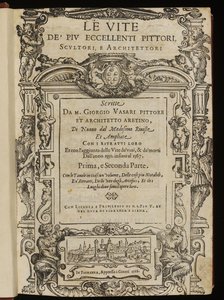
Domenico Puligo: A Florentine Renaissance Painter
- Born: Florence, Italy (1492)
- Died: 1527
Early Life and Training
Domenico di Bartolomeo Ubaldini, known as Domenico Puligo, was born in Florence in 1492. He hailed from a family of blacksmiths; his father, Bartolomeo, belonged to the Ubaldini lineage from Marradi in Tuscan Romagna. Puligo's early life was shaped by this familial background and the environment of Ponte a Rifredi and later Piazza di San Gallo on the outskirts of Florence. His artistic journey began with an apprenticeship under Ridolfo Ghirlandaio, son of the renowned Domenico Ghirlandaio who himself had trained Michelangelo. Puligo remained associated with Ghirlandaio for several years even after completing his formal training. He also worked as an assistant to Andrea del Sarto, forming a close friendship with him and absorbing influences from both masters.
Artistic Influences and Style
Puligo’s artistic style was significantly shaped by the prominent figures of the Florentine Renaissance. Ridolfo Ghirlandaio's influence is evident in his early works, while Andrea del Sarto imparted a sense of elegance and refined technique. Beyond these direct mentors, Puligo also drew inspiration from Jacopo Pontormo and Rosso Fiorentino, incorporating elements of their Mannerist style into his compositions. His paintings are characterized by a soft sfumato technique, creating subtle gradations of light and shadow that lend a delicate quality to his figures. He was particularly known for his portraiture, capturing the likenesses of prominent Florentine citizens with remarkable skill.
Major Works and Achievements
While Puligo’s artistic output was relatively limited—a fact noted by Giorgio Vasari—his works are highly regarded for their quality and artistry. Among his most celebrated pieces is the large-scale Vision of Saint Bernard altarpiece, now housed in the Walters Art Gallery in Baltimore. Other notable works include the Virgin and Child with St. John and the Holy Family. He gained considerable recognition as a portrait artist, enjoying high demand within Florence's elite circles. His portraits are admired for their psychological depth and ability to convey the character of his sitters.
Historical Significance and Legacy
Domenico Puligo occupies an important position within the Florentine Renaissance art scene. Though overshadowed by some of his contemporaries, his contributions demonstrate a mastery of technique and a sensitivity to the artistic trends of his time. His association with prominent artists like Ghirlandaio and del Sarto placed him at the heart of Florence’s vibrant artistic community. His brother, Jacone Puligo, was also a painter, further cementing the family's place in Renaissance art history. Despite Vasari’s observation about his “idle” nature and the relative scarcity of his surviving works, Domenico Puligo remains a significant figure whose paintings offer valuable insights into the artistic landscape of 16th-century Florence.
Domenico Puligo
1492 - 1527 , Italy
Quick Facts
- Artistic Movement Or Style: Renaissance
- Artists Who Influenced This Artist:
- Ridolfo Ghirlandaio
- Andrea del Sarto
- Jacopo Pontormo
- Il Rosso
- Date Of Birth: 1492
- Date Of Death: 1527
- Full Name: Domenico Puligo
- Nationality: Italian
- Notable Artworks:
- Vision of Saint Bernard
- Virgin and Child with St. John
- Holy Family
- Place Of Birth: Florence, Italy
Related Articles

The Enduring Legacy of Oil on Canvas: Technique, History & Aesthetic Impact
Explore the rich history & techniques of oil painting – from Renaissance masters to Impressionism. Discover pigments, layering methods, and why this timeless medium endures. Expert insights for artists & art enthusiasts.

Oil on Canvas: A Historical & Technical Exploration of a Timeless Artistic Medium
Explore the rich history & enduring techniques of oil painting on canvas. Discover the science behind its longevity, conservation practices, and contemporary relevance. Expert insights for art enthusiasts.

The Enduring Power of Painting: A Historical & Contemporary Exploration of Form and Emotion
Explore the rich history & enduring techniques of oil painting with ArtsDot. Discover masterpieces, learn about art collecting, and find authentic handmade reproductions crafted by skilled artists.

The Enduring Legacy of Oil on Canvas: Technique, History & Contemporary Practice
Explore the rich history & enduring techniques of oil painting on canvas. Discover the science behind its longevity, conservation practices, and contemporary relevance. Expert insights for art enthusiasts.

Turn Your Digital Art Into Hand‑Painted Oil Masterpieces—Earn Big on Every Sale and Build an Enduring Legacy
Transform your NFT collection into hand‑painted oil masterpieces with ArtsDot’s expert artisans. Enjoy museum‑grade quality, free worldwide shipping, and a 100% satisfaction guarantee—turn digital art into a lasting legacy that earns you real value.