

 Preview
 Send
Send Share
Share
 Details

 Download
 Similars
 X-Ray
X-Ray Diaporama
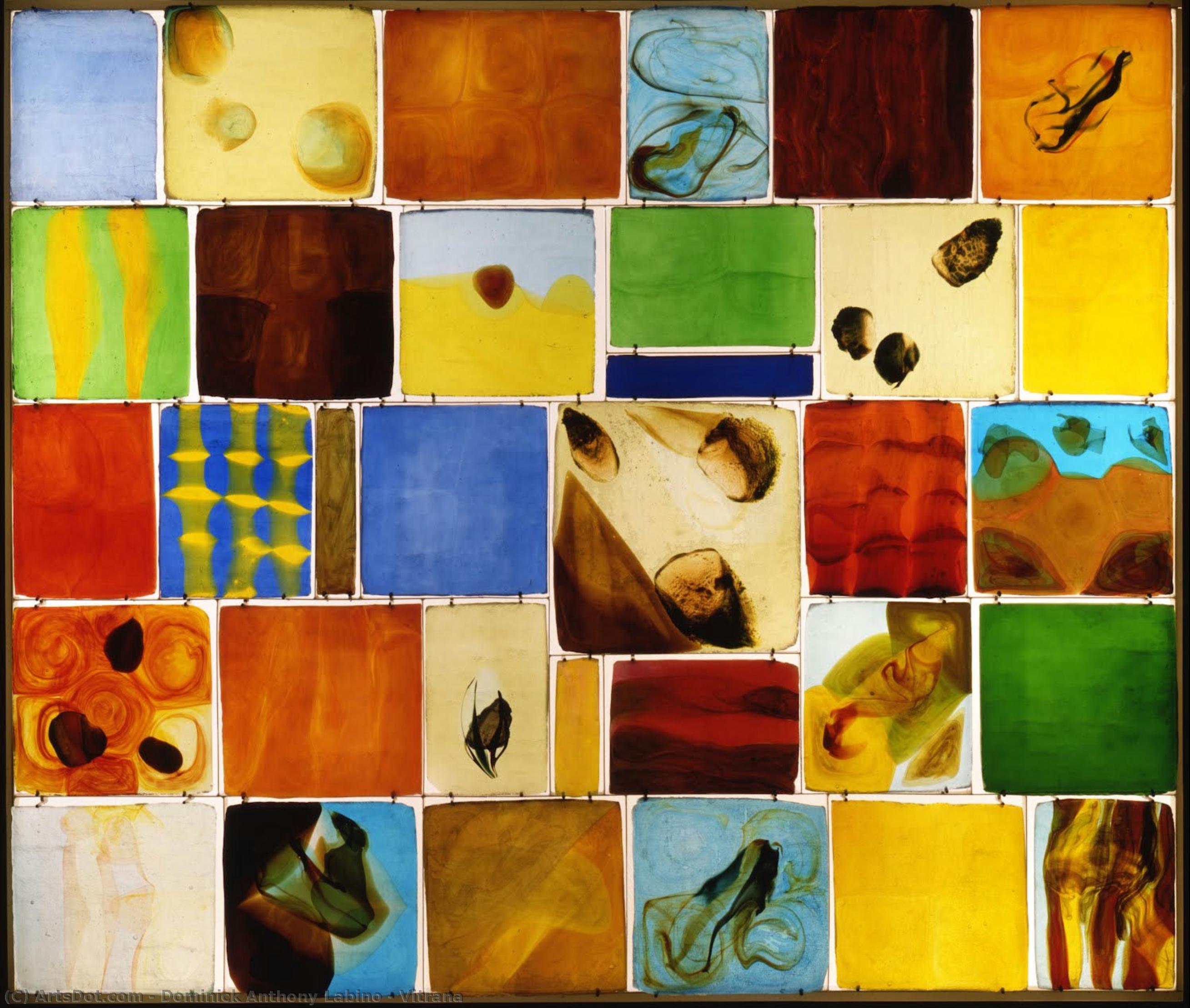
Vitrana
 Acrylic
- WallArt
- American Regionalism
 1969
1969 2642.0 x 2245.0 cm
 Toledo Museum of Art
 Read More
Purchase a high-resolution, enhanced digital image, far superior to the online preview.
Each file is meticulously prepared by our in-house specialists using advanced tools and expert manual retouching. We ensure every image has exceptional clarity, precise color accuracy, and fine detail.
The final file is delivered via email within 72 hours, optimized for immediate use in professional, editorial, and print environments. This is the same quality trusted by top-tier design studios, publishers, and galleries.
Digital Image
Download a high-resolution file for personal display, printing, and creative projects. ( Buy Print Buy Hand Made Painting)
Included in Every Digital Image Order
Expert Digital Delivery, Guaranteed
When you choose ArtsDot.com, you're not just getting an image - you're receiving a professionally enhanced digital artwork, crafted with precision and backed by a satisfaction guarantee. Here's everything that comes with your order, automatically:

Fast Email Delivery
Your high-resolution digital image file will be emailed to you within 72 hours of ordering - ready for immediate use.

AI-Enhanced Digital File
Your artwork is professionally optimized using advanced AI tools and manual editing, ensuring maximum detail, clarity, and color accuracy.

Free Lifetime Re-Delivery
Accidentally deleted or lost your file? No worries - we'll resend it to you anytime, free of charge.

No Import Fees - Ever
Enjoy your artwork instantly with zero customs, duties, or delivery fees - digital downloads are always tax-free.

Color Accuracy Guarantee
We ensure your digital image reflects the original colors as closely as possible using professional tools and color management.

60-Day Satisfaction Guarantee
If you're not satisfied with your digital image, we'll revise it or refund 100% within 60 days - no questions asked.

100% Money-Back Guarantee
Not satisfied? Get a full refund within 60 days of receiving your digital file - no questions asked.

Bulk Order Discounts
Buy 3 images, save 10% - Buy 5, save 15% - Buy 10+, save 20%. Great for creative projects, galleries, and agencies.
Collectible Description
Dominick Anthony Labino’s Vitrana: A Symphony of Color and Texture
- The artwork, titled Vitrana by dominick anthony labino, is a monumental glass mural created in 1969. Measuring an impressive 2642 x 2245 cm, it represents a significant achievement in American decorative art of the mid-century period.
- Labino’s artistic vision was profoundly influenced by Winslow Homer, whose meticulous observation of nature and emotive depictions of maritime life established a precedent for Labino's own approach. Homer’s formative years instilled a deep appreciation for capturing the essence of landscapes—a characteristic that resonates powerfully within Vitrana.
Style and Technique: Embracing Bold Expressionism
Vitrana exemplifies bold expressionist style, characterized by vibrant color palettes and textured surfaces. Labino skillfully employed cast glass panels to achieve this effect, layering colors and patterns with remarkable precision. The resulting composition isn’t merely aesthetically pleasing; it's a deliberate attempt to convey emotion and dynamism—a hallmark of Homerian influence.- The collage itself comprises 16 individual artworks by Labino, each showcasing distinct visual elements. These pieces coalesce into a unified grid pattern that enhances the mural’s immersive quality.
- Detailed examination reveals intricate shapes and patterns—a testament to Labino's meticulous craftsmanship and artistic sensibility. The careful arrangement contributes to an illusion of depth, mirroring Homer’s masterful use of perspective.
Historical Context: Echoes of Homerian Idealism
Created in 1969, Vitrana emerged during a period marked by significant artistic experimentation and a desire for expressive abstraction. Labino's work aligns with the broader movement toward conveying inner feelings rather than simply representing external reality—a trend championed by Homer’s legacy.- The mural’s design incorporates elements reminiscent of Homer’s landscapes, reflecting his unwavering belief in the transformative power of nature. This connection underscores Vitrana's enduring relevance as a celebration of beauty and artistic innovation.
- Furthermore, the monumental scale of Vitrana—approximately 1,000 pounds—highlights Labino’s ambition to create an artwork that commands attention and inspires contemplation.
Symbolism and Emotional Impact: A Visual Dialogue
Ultimately, Vitrana transcends mere decoration; it engages in a visual dialogue with Homer's artistic principles. The bold colors and textured surfaces evoke feelings of grandeur and wonder—mirroring Homer’s ability to capture the sublime. This artwork serves as an inspiring reminder that art can communicate profound truths about human experience.Related Artworks
Artist Biography
The Early Years and the Dawn of a New Vision (1910-1930s)
Winslow Homer, born in Boston in 1836, was a pivotal figure in American art, though his most significant creative period spanned from roughly 1910 until his death in 1910. While he began his career as a commercial printmaker – initially producing illustrations for magazines and later establishing himself as a painter in New York City – it was during this latter phase that Homer truly blossomed, forging a distinctive style deeply rooted in observation and an evolving understanding of the natural world. The decade of 1910 marked a crucial turning point, not just chronologically but artistically, representing a period of intense experimentation and a shift towards a more emotionally resonant approach to his subject matter. His early work, largely focused on scenes of maritime life and New England landscapes, established a foundation of technical skill and an appreciation for the rugged beauty of the American coast. However, it was in this decade that Homer began to actively seek out new influences and explore ways to translate his experiences into more profound artistic statements.- Early Influences: Homer’s artistic journey wasn't isolated; he absorbed elements from various sources. His early training instilled a solid understanding of academic painting, but he also demonstrated an interest in Japanese art – particularly its emphasis on flattened perspectives and bold color—a trend gaining traction during this period.
- The Impact of Paris: A significant trip to Paris in 1866 proved transformative. While not directly influenced by the avant-garde movements emerging at the time, Homer’s exposure to European art broadened his perspective and encouraged him to experiment with new techniques and approaches to capturing light and atmosphere.
- Civil War Reflections: The American Civil War profoundly impacted Homer's work. His early war paintings, such as *The Veteran in a New Field* (1863) and *Prisoners from the Front* (1864), moved beyond simple documentation to explore the psychological and emotional toll of conflict on soldiers. These works signaled a shift towards greater narrative complexity and a willingness to confront difficult subjects.
The Late Seascapes: A Master of Atmosphere (1870s-1900s)
The period between 1870 and 1900 witnessed the apex of Homer’s artistic achievement, particularly in his seascapes. During this time, he established a studio at Prouts Neck, Maine, a location that provided him with unparalleled access to the ocean—a constant source of inspiration and subject matter. It was here that he developed his signature style: dynamic compositions filled with turbulent water, dramatic lighting, and a palpable sense of movement. These paintings weren’t merely depictions of the sea; they were explorations of humanity's relationship with nature – a struggle against its power, a recognition of its beauty, and an acknowledgement of our vulnerability within it.- The Power of Light: Homer was renowned for his masterful use of light. He meticulously observed how sunlight interacted with the water’s surface, creating shimmering reflections, dramatic shadows, and a sense of depth that drew the viewer into the scene.
- Serial Imagery & Japanese Influence: Like many artists of the era, Homer was influenced by the growing interest in Japanese art. This influence manifested in his use of simplified forms, bold colors, and flattened perspectives—techniques that contributed to the immediacy and emotional impact of his seascapes.
- Human Figures as Part of the Landscape: Homer frequently included human figures in his compositions, not as isolated subjects but rather as integral parts of the landscape itself. These figures – fishermen, sailors, or simply individuals contemplating the sea—were depicted with a sense of dignity and resilience, reflecting their connection to the natural world.
A Shift Towards Introspection (1890s-1900)
As Homer entered his later years, his work underwent another subtle but significant transformation. While he continued to paint dramatic seascapes, there was a growing emphasis on introspection and psychological depth. He began to explore themes of solitude, loss, and the passage of time—subjects that resonated with his own personal experiences. This period saw a move away from the overtly heroic figures of his earlier work towards more nuanced portraits of ordinary people grappling with life’s challenges.- The Influence of Personal Experience: Homer's own life – marked by periods of isolation and reflection – undoubtedly informed his art during this time. His paintings became imbued with a sense of melancholy and quiet contemplation.
- Return to Virginia: A return trip to Virginia in the mid-1870s, prompted by the desire to witness the aftermath of emancipation, further deepened his understanding of human suffering and resilience. This experience is reflected in works like *The Veteran in a New Field*, which moved beyond simple depictions of war to explore the psychological impact of conflict on veterans.
- A Focus on Domesticity: In his later years, Homer increasingly depicted scenes of domestic life – portraits of women at leisure and children engaged in everyday activities. These paintings offered a glimpse into the quiet beauty of ordinary moments and revealed a compassionate eye for human nature.
Legacy and Historical Significance
Winslow Homer’s contribution to American art is immense. He was not merely a skilled painter but also a keen observer of human experience, a master of light and atmosphere, and an innovator who pushed the boundaries of traditional painting techniques. His work continues to resonate with viewers today because it captures something essential about the American spirit – its ruggedness, its resilience, and its capacity for both beauty and sorrow. Homer’s influence can be seen in generations of American artists, and his paintings remain among the most beloved and enduring works in the nation's artistic heritage. His legacy is secured not only by his technical brilliance but also by his profound ability to evoke emotion and connect with viewers on a deeply personal level.
dominick anthony labino
1910 - 1987 , United States of America
Quick Facts
- Artistic Movement Or Style: Genre Painting, Realism
- Artists Or Movements Influenced By This Artist: ['French Impressionism']
- Artists Who Influenced This Artist: ['Hudson River School']
- Date Of Birth: 1836
- Date Of Death: 1910
- Full Name: Winslow Homer
- Nationality: American
- Notable Artworks:
- Snapshots of Life
- The Gulf Stream
- Smoke from a Lighthouse
- Place Of Birth: Boston, Massachusetts

