 Preview
 Send
Send Share
Share
 Details

 Download
 Similars
 X-Ray
X-Ray Diaporama
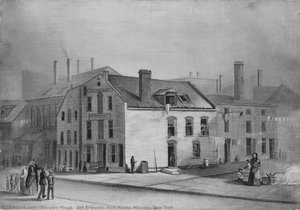
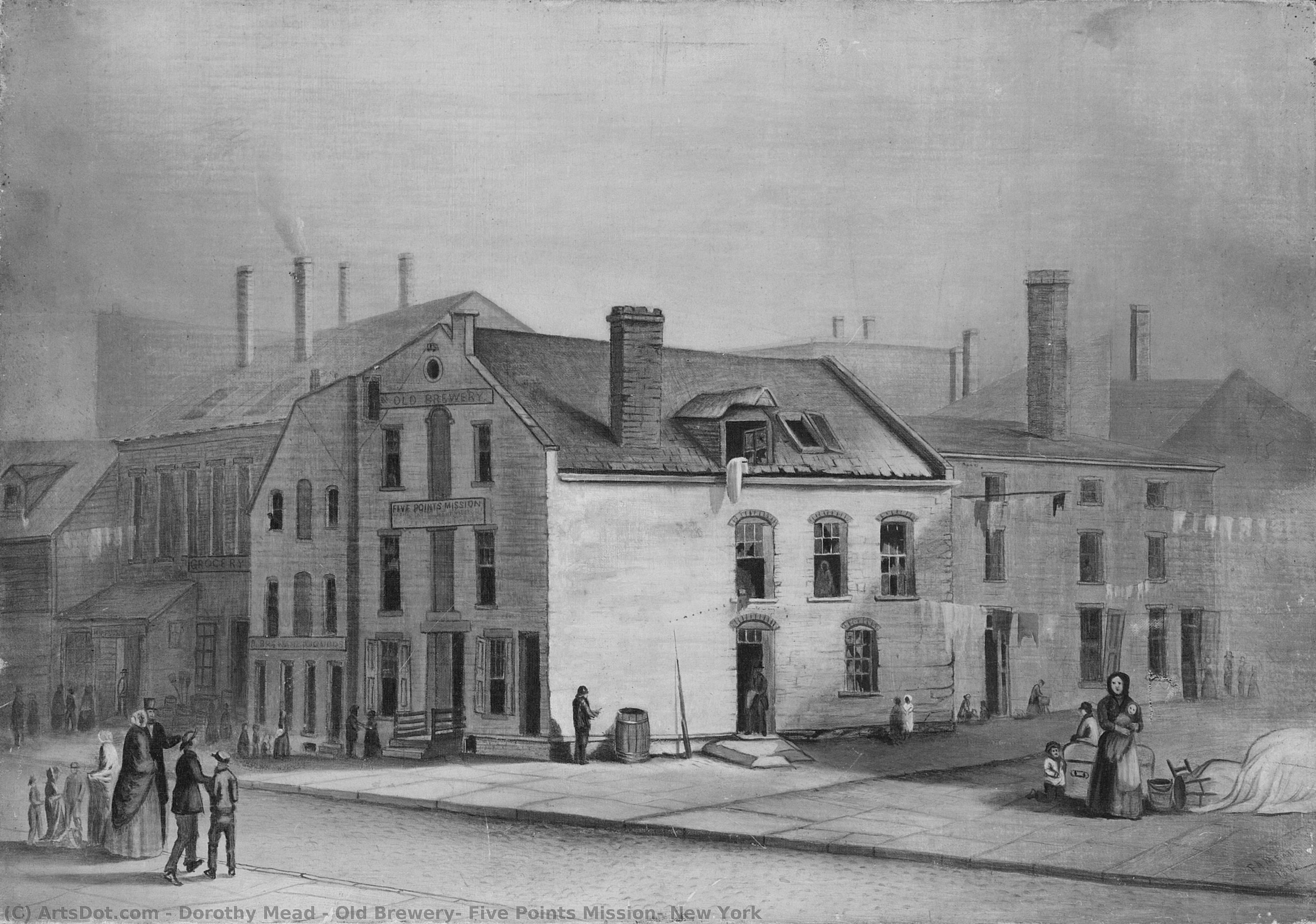
Old Brewery, Five Points Mission, New York
 Historical Documentation / Realism
 1870
1870 46.0 x 66.0 cm
 Read More
Giclée / Art Print
Museum-quality giclée or canvas print with fast production and flexible finish options. ( Buy Hand Made Painting Buy Image)




































Pick from our preset sizes that match the artwork's original proportions.

You may enter your own dimensions to fit a specific frame or space. If your selected size does not match the original image's proportions, we will either crop the artwork or extend the image with a mirrored or solid-fill edge. A digital mockup will be sent for your approval before production begins.
Please note that the on-screen preview does not reflect the actual cropping or extension. Only the mockup will accurately show the final composition.
While custom sizes are available, we recommend selecting a dimension from the predefined list to preserve the original proportions.
Worldwide Delivery () in 2 weeks instead of standard 4/5 weeks. (20 August)

Free Worldwide Express Shipping

High-Quality Linen Canvas

Full Shipping Insurance

Customs Tax Refund Guarantee

True Color Matching Guarantee

60-Day Return Policy (Defects Only)

100% Money-Back Guarantee

Bulk Discount Offer
 Glass option is only available in size under 110 CM

Old Brewery, Five Points Mission, New York
Giclée / Art Print
Reproduction Size
-


Total Price
$ 63
Related Artworks
Artist Biography
Early Life and Artistic Formation
Dorothy Mead (1928 – 1975) emerged from a humble upbringing in Walthamstow, London, England—a formative experience profoundly shaping her artistic vision. Adopted at just three months old by a family with a florist’s shop as her mother's livelihood, Mead absorbed the beauty of natural forms and textures from an early age. Her exposure to art began during her time at Dagenham School of Art, where she encountered David Bomberg, a teacher who would become instrumental in nurturing her burgeoning talent. This initial connection sparked a lifelong collaboration and intellectual exchange that cemented Bomberg’s influence on Mead's artistic trajectory.- She attended the Borough Polytechnic from 1945 to 1951 under Bomberg’s guidance, immersing herself in experimental techniques and exploring themes of urban decay and social commentary.
- Mead was a founding member of the Borough Group alongside fellow students like Cliff Holden, establishing a collective dedicated to pushing artistic boundaries and challenging conventional aesthetics.
The Borough Group and Early Influences
The Borough Group represented a pivotal moment in Mead’s artistic development—a crucible for experimentation and collaborative exploration. Spearheaded by Bomberg's vision, the group championed an “outsider” style characterized by raw emotion and uncompromising honesty. This ethos resonated deeply with Mead, who embraced a rejection of academic formalism and prioritized direct observation as a source of inspiration. The influence of Bomberg extended beyond stylistic considerations; he instilled in Mead a belief in artistic integrity and a refusal to compromise on personal convictions—a stance that would define her approach throughout her career.Academic Pursuits and Recognition
Mead’s dedication to art continued at the Slade School of Art, where she honed her skills under the mentorship of Andrew Forge. This period solidified her artistic sensibilities and fostered connections with fellow artists who shared a commitment to challenging established conventions. Notably, Mead earned prestigious awards—the Figure Painting Prize and the Steer Prize—acknowledging her exceptional talent and recognizing her contribution to British art. However, her refusal to participate in perspective exercises during her Slade coursework resulted in controversy and ultimately led to her dismissal from the institution, despite her groundbreaking work.Six Young Painters Exhibition and Subsequent Artistic Development
Mead’s participation in the Six Young Painters exhibition organized by Arts Council England marked a significant milestone—a showcase of emerging talent alongside peers like Peter Blake, William Crozier, David Hockney, Bridget Riley, and Euan Uglow. This exposure garnered critical acclaim and solidified her reputation as a visionary artist pushing the boundaries of expressionism. Subsequently, Mead joined the London Group, where she collaborated with artists who championed similar stylistic approaches and engaged in dialogues about artistic responsibility. Her work was lauded by critics like David Sylvester for its uncompromising honesty and its affirmation of light—a characteristic often associated with women’s painting.Legacy and Influence
Dorothy Mead's legacy extends beyond her individual paintings; she profoundly impacted the younger generation of artists who studied under Forge and championed her unwavering commitment to artistic integrity. Her influence can be seen in the work of Patrick Proctor and Mario Dubsky, who embraced Mead’s rebellious spirit and pursued a path distinct from academic tradition. Mead remains remembered as the first woman president of Young Contemporaries (later New Contemporaries), demonstrating her leadership qualities and advocating for inclusivity within the art world. Ultimately, Dorothy Mead's artistic journey stands as a testament to the power of conviction and the enduring beauty of an uncompromising vision—a singular contribution to British modernism that continues to inspire artists today.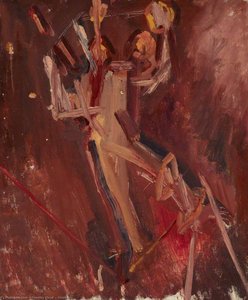
Quick Facts
- Artistic Movement Or Style: Expressionism
- Artists Or Movements Influenced By This Artist: ['London Group']
- Artists Who Influenced This Artist: ['David Bomberg']
- Date Of Death: 1975
- Full Name: Dorothy Mead
- Nationality: British
- Notable Artworks: ['Old Brewery, Five Points']
- Place Of Birth: London, England
Related Articles
Met Museum's 25 Masterpieces: Art History & Decor Inspiration | ArtsDot
Journey through 25 iconic artworks at the Metropolitan Museum of Art! Explore Van Gogh, Monet, Rembrandt & more. Discover art history, inspiring stories, and museum-quality reproductions to elevate your home decor. Explore the full collection on ArtsDot.com.
Top 10 Lithographs That Revolutionized Art | ArtsDot
Explore 10 legendary lithographs by Toulouse-Lautrec, Munch & Picasso that redefined art! Discover the stories behind these iconic prints and find museum-quality reproductions for your home decor at ArtsDot.com. Explore the full collection online.

Grahame Sydney: Evoking Otago's Soul Through Light & Landscape
Explore the captivating landscapes of Sir Grahame Sydney, a leading New Zealand artist renowned for his magic realism & evocative depictions of Otago's beauty. Discover key works and delve into his artistic legacy.
Josef Kriehuber: A Life Immersed in Viennese Topography – From Lithographic Precision to Romantic Observation
Explore the life and work of Josef Kriehuber, a master lithographer who captured 19th-century Vienna. Discover his portraits of nobility, landscapes, & artistic techniques. A guide for collectors & art enthusiasts.
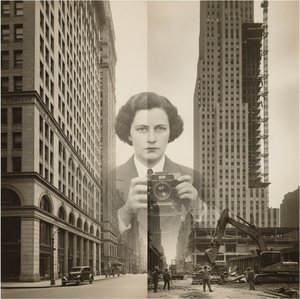
Berenice Abbott: Documenting a Changing America Through Photographic Vision
Explore the groundbreaking work of Berenice Abbott, a pioneer of documentary photography. Discover her iconic images of New York City, portraits, and scientific studies. Learn about her unique style & lasting legacy at ArtsDot.