 Send
Send Share
Share
 Details

 Download
 Similars
 Diaporama
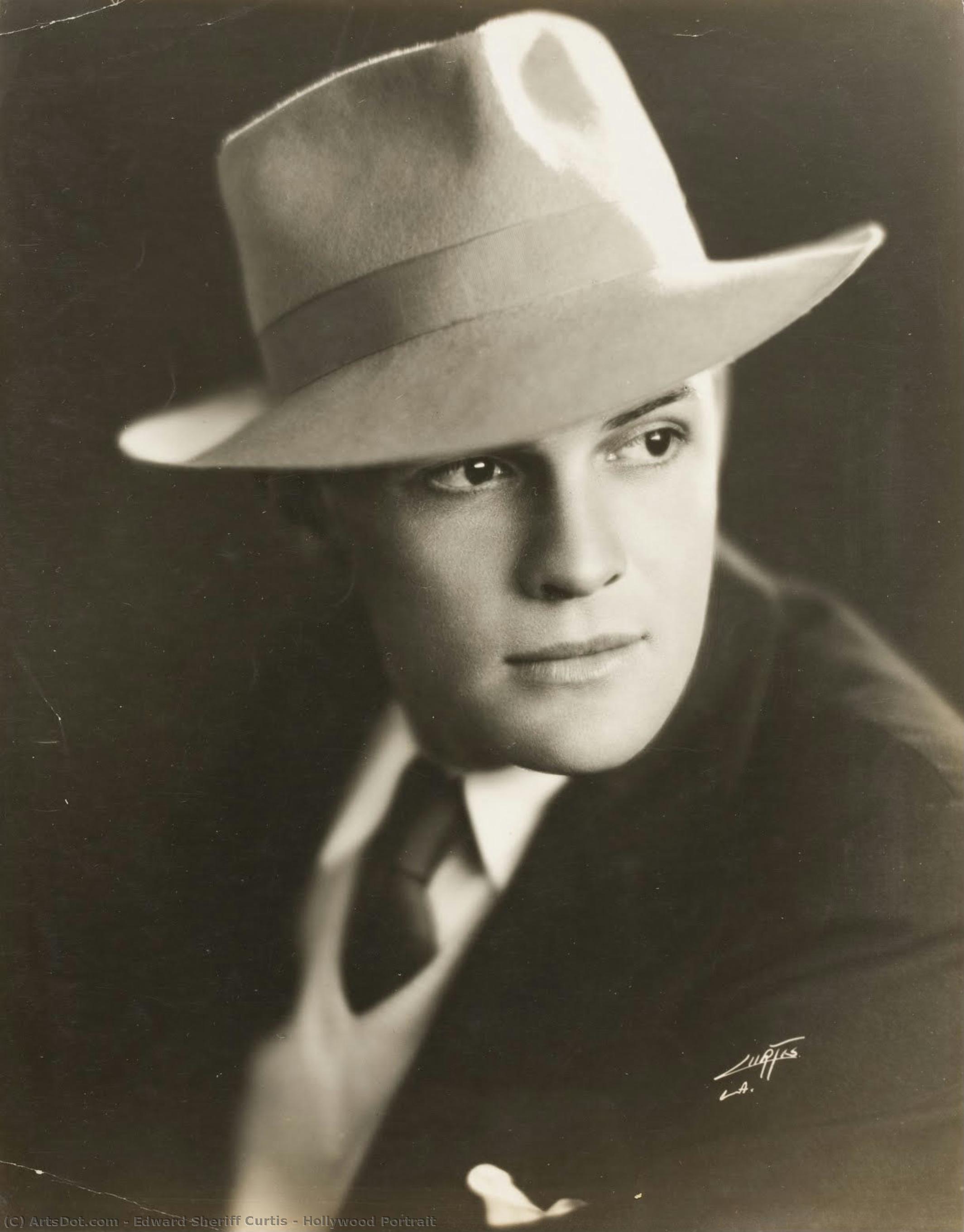
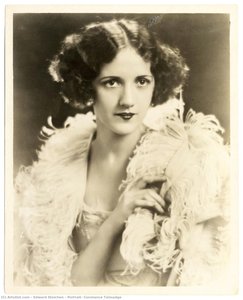
Hollywood Portrait
 Black and White Photography
- Photo
- Impressionistic Portraiture
 1920
1920- Modern
 19.0 x 24.0 cm
 Los Angeles County Museum of Art
 Read More
Hand Made Oil Reproduction
Hand-painted oil on canvas in your size and frame, made to order by our artists. ( Buy Print Buy Image)




































Pick from our preset sizes that match the artwork's original proportions.

You may enter your own dimensions to fit a specific frame or space. If your selected size does not match the original image's proportions, we will either crop the artwork or extend the painting with additional hand-painted elements. A digital mockup will be sent for your approval before production begins.
Please note that the on-screen preview does not reflect the actual cropping or extension. Only the mockup will accurately show the final composition.
While custom sizes are available, we recommend selecting a dimension from the predefined list to preserve the original proportions.
After order, ArtsDot.com team will email client for instructions and provide a mockup preview
Worldwide Delivery () in 3/4 weeks instead of standard 5 weeks. (22 August). No compromise on quality.

Free Worldwide Express Shipping

High-Quality Linen Canvas

Full Shipping Insurance

Customs Tax Refund Guarantee

True Color Matching Guarantee

60-Day Return Policy (Defects Only)

100% Money-Back Guarantee

Bulk Discount Offer
 Glass option is only available in size under 110 CM

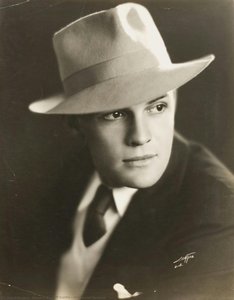
Hollywood Portrait
Reproduction Medium
Reproduction Size
-


Total Price
$ 263
Artwork Description
A Window Into Lost Worlds: The Ethereal Soul of Hollywood Portrait
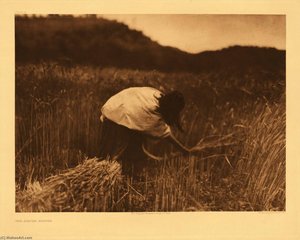
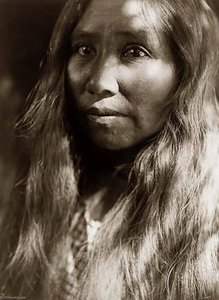
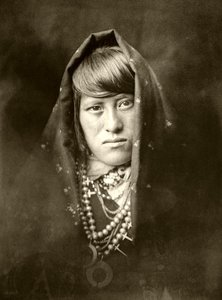
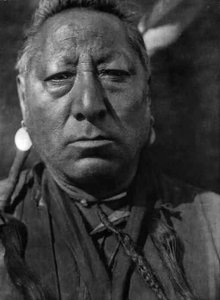
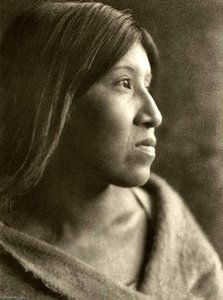
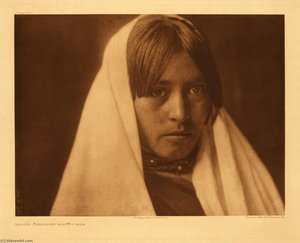
In the quiet stillness of Edward Sheriff Curtis’s 1926 masterpiece, Hollywood Portrait, time does not merely stand still; it breathes with a profound, nostalgic grace. This is far more than a photographic record; it is a meticulously crafted relic of the American West, an evocative window into a vanishing era. At first glance, the viewer is met with the serene presence of a man—often identified as Chief Joseph—seated with a quiet dignity beneath the protective canopy of a sprawling oak tree. The backdrop of hazy California hills suggests a landscape that is both vast and intimate, wrapping the subject in a soft, atmospheric embrace that blurs the line between historical documentation and dreamlike poetry.
The emotional resonance of this piece lies in its ability to evoke a sense of melancholy beauty. Curtis, often referred to as the "Shadow Catcher," possessed a singular ability to capture not just the physical likeness of his subjects, but their very spirit. Through his lens, we witness a moment of profound contemplation, where the strength of the individual is mirrored by the enduring presence of the natural world. For the collector or the interior designer, this artwork offers a sophisticated focal point that brings a sense of historical depth and soulful tranquility to any curated space.
Mastery of Light and the Art of Soft Focus
Technically, Hollywood Portrait is a triumph of early 20th-century photographic innovation. Utilizing a large-format camera, Curtis employed the wet collodion printing process to achieve an exceptional tonal range. This method allowed for a breathtaking interplay of light and shadow, capturing subtle nuances that smaller, more modern cameras would have undoubtedly lost. His deliberate use of a soft-focus aesthetic—a hallmark of his signature style—elevates the portrait from simple representation to something much more ethereal. This technique softens the edges of reality, imbuing the image with a romantic idealism that feels as though it were pulled from a cherished memory.
The composition is a masterclass in balance and symbolic weight. The positioning of the man against the ancient oak tree creates a powerful visual anchor. In this context, the tree serves as a potent symbol of resilience, strength, and an unbreakable connection to ancestral lands. This organic element provides a structural counterpoint to the human figure, suggesting that while cultures may face the pressures of rapid industrialization, the essence of their identity remains rooted in the earth itself. The interplay between the sharp details of the subject's presence and the hazy, receding hills creates a sense of immense depth, inviting the viewer to linger within the frame.
A Legacy Preserved for the Modern Collector
To understand Hollywood Portrait is to understand the historical urgency of the Progressive Era. Created during a period of intense westward expansion and industrial growth, Curtis’s work was driven by a monumental mission: to document the traditions of Indigenous peoples before they were irrevocably altered by change. This photograph embodies that very tension—the desire to preserve the sacred and the disappearing amidst a world in flux. It is an ethnographic treasure wrapped in the cloak of fine art.
For those seeking to adorn a home or gallery with pieces that tell a story, this reproduction offers more than mere decoration. It provides a conversation piece that bridges the gap between history and contemporary aesthetics. Whether placed in a study filled with leather-bound books or as a striking monochromatic element in a modern minimalist interior, Hollywood Portrait commands attention through its quiet power. It is an invitation to reflect on the enduring nature of dignity, the beauty of the natural world, and the timeless allure of the American West.
Related Artworks
Artist Biography
Early Life and Photographic Beginnings
- Born: February 16, 1868, Whitewater, Wisconsin
- Parents: Asahel "Johnson" Curtis (Reverend, farmer, Civil War veteran) and Ellen Sheriff.
- Siblings: Raphael, Edward, Eva, and Asahel Curtis.
- Early hardships due to his father's struggles led the family to relocate to Minnesota.
- Left school in the sixth grade but demonstrated an early interest in photography, building his own camera.
- Apprenticed as a photographer in St. Paul, Minnesota, in 1885.
- Moved to Seattle, Washington, in 1887 and established photographic studios, initially partnering with Rasmus Rothi and later Thomas Guptill.
The North American Indian Project
- Genesis: Inspired by his early portraits of Native Americans like Princess Angeline (Kickisomlo), Curtis embarked on a monumental project to document the cultures and traditions of Indigenous peoples in the American West.
- Funding: Secured $75,000 from J.P. Morgan in 1906 to produce a twenty-volume series with approximately 1,500 photographs. Morgan was promised 25 sets and 500 original prints as repayment.
- Scope: The project aimed to capture not just portraits but also ethnographic details of tribal life – traditional clothing, housing, ceremonies, food, recreation, and oral histories. Curtis recorded over 10,000 wax cylinder recordings of Native American languages and music and took more than 40,000 photographic images of over 80 tribes.
- Team: Employed a team including William E. Myers (writer), Bill Phillips (logistics), and Frederick Webb Hodge (anthropologist and editor).
- Publication: Despite the initial plan for five years, the project spanned over two decades and resulted in 222 complete sets being published.
Curtis's Photographic Style and Techniques
- Soft Focus: Curtis employed a soft-focus aesthetic, which was popular at the time, to create images with a dreamlike quality. This style has been both praised for its artistic beauty and criticized for potentially romanticizing or obscuring the realities of Native American life.
- Large Format Photography: Used large format cameras to produce high-quality negatives suitable for photogravure printing.
- Photogravure Printing: A sophisticated printing technique that allowed for detailed reproduction of photographs, capturing subtle tonal variations and textures.
- Staging and Collaboration: While Curtis aimed to document authentic tribal life, some critics argue that his images were staged or influenced by Western artistic conventions. He collaborated with Native American communities, often relying on their knowledge and assistance in recreating traditional scenes.
Legacy and Historical Significance
- Preservation of Indigenous Cultures: Curtis's work is invaluable as a historical record of Native American cultures at a time when many traditions were rapidly disappearing due to assimilation policies and westward expansion.
- Complex Reception: His legacy has been subject to ongoing debate, with some praising his efforts to document Indigenous peoples while others critique the colonial gaze inherent in his project and the potential for misrepresentation or romanticization.
- Influence on Ethnographic Photography: Curtis's ambitious scope and meticulous documentation influenced subsequent generations of ethnographic photographers.
- Exhibitions and Recognition: His work has been exhibited internationally, including at the Rencontres d’Arles festival in France in 1973.
- Death: Died on October 19, 1952.
Beyond Photography: Film and Later Years
- Early Motion Pictures: Curtis experimented with motion pictures as early as 1906.
- In the Land of the Head Hunters (1914): A feature-length film depicting Kwakiutl life, notable for being one of the first films to feature an all-Native American cast.
- Later Career: After the completion of *The North American Indian*, Curtis worked in Hollywood as a portrait photographer and production still photographer.
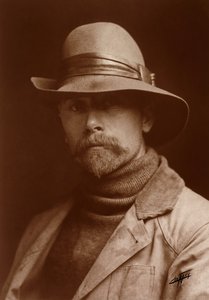
Edward Sheriff Curtis
1868 - 1952 , United States of America
Quick Facts
- Artistic Movement Or Style: Ethnographic photography
- Date Of Birth: February 16, 1868
- Date Of Death: 1952
- Full Name: Edward Sheriff Curtis
- Nationality: American
- Notable Artworks:
- Standing Two Oto
- Wakonda Oto
- Place Of Birth: Whitewater, United States
Related Articles
Shadow Catcher: Edward S. Curtis & the Ethnographic Portraiture of a Vanishing West
Explore the life & work of Edward S. Curtis, the 'Shadow Catcher,' and his groundbreaking photographic documentation of Native American cultures. Discover iconic images from *The North American Indian* and a critical look at his lasting legacy.
Edward Hopper's Masterpieces: 25 Iconic Paintings & Their Enduring Legacy | ArtsDot
Explore 25 iconic Edward Hopper paintings & their stories. Discover American realism, urban loneliness, and timeless beauty through his masterpieces. Find museum-quality art reproductions & curated decor ideas at ArtsDot.com.

Beyond the Lens: Photography's Enduring Influence on Modern & Contemporary Art
Explore photography's pivotal role in shaping modern & contemporary art. Discover key movements, influential artists like Stieglitz, and expert collecting advice from ArtsDot.
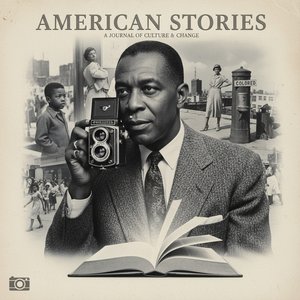
Gordon Parks: A Poetic Lens on American Life – Photography, Social Justice & Storytelling
Explore the profound work of Gordon Parks, a groundbreaking photographer who documented American life with unparalleled empathy and artistry. Discover his iconic images & lasting impact on social justice through Life magazine & beyond.

Monochrome Visions: Exploring the Aesthetic & Historical Significance of Black & White Photography
Explore the rich history & artistic power of black and white photography. From early techniques to iconic masters like Ansel Adams, discover why monochrome continues to captivate art lovers today. Expert insights for collectors.