 Preview
 Send
Send Share
Share
 Details

 Download
 Similars
 X-Ray
X-Ray Diaporama
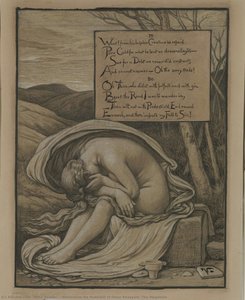
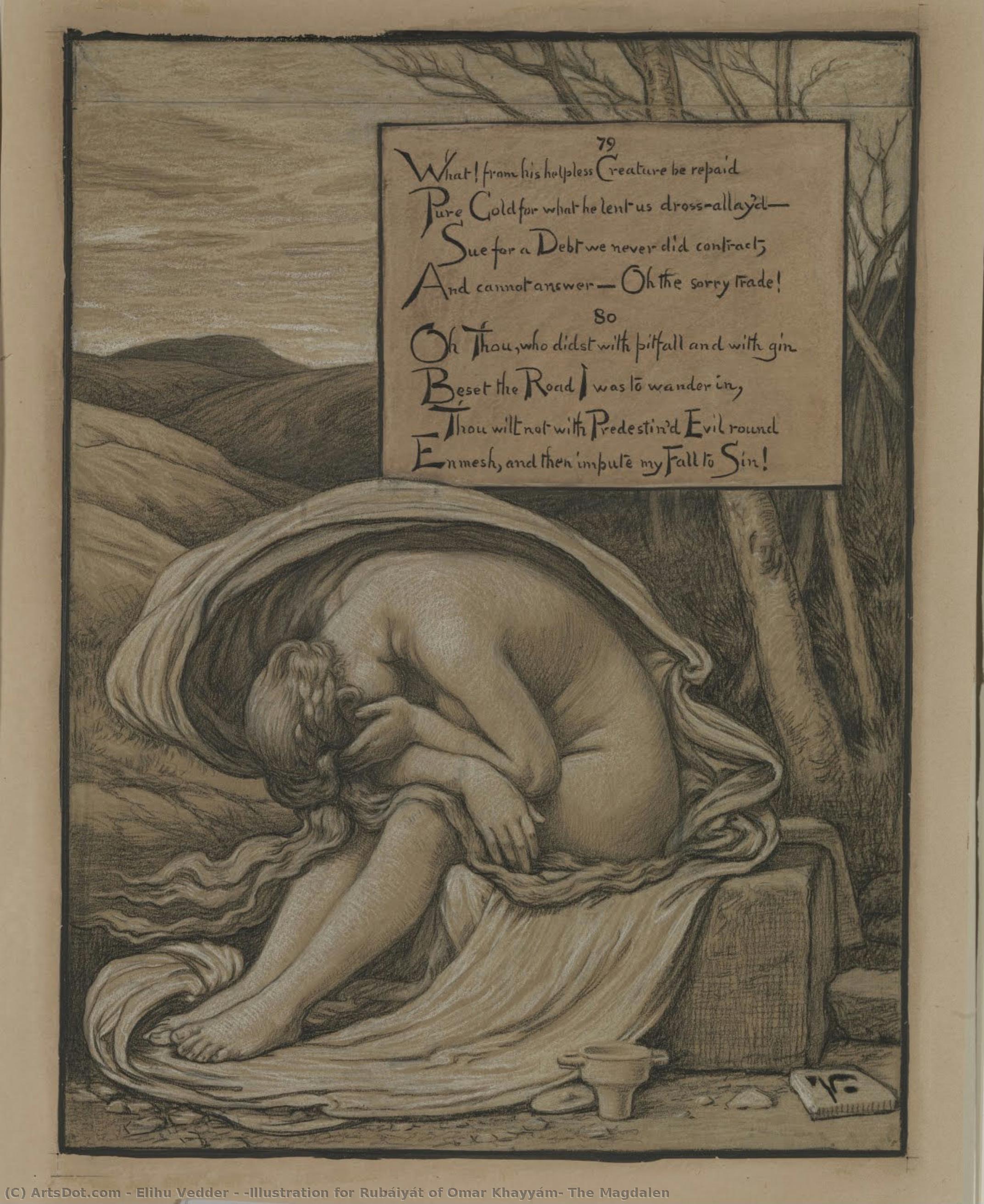
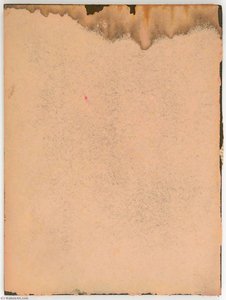
(Illustration for Rubáiyát of Omar Khayyám) The Magdalen
 Acrylic On Paper
- Symbolist Movement
 1884
1884 49.0 x 37.0 cm
 Smithsonian American Art Museum
 Read More
Giclée / Art Print
Museum-quality giclée or canvas print with fast production and flexible finish options. ( Buy Hand Made Painting Buy Image)




P118B $10

P118H $10

P118W $10

P438Z $10

P508JH $12

P508YH $12

P805H $10

P805Z $10

P919BZ $10

P919G $10

P919XJ $10

P959ZH $10

P968JZ $12

W106C $8

W218G $10

W218JH $8

W218Y $10

W307PJ $10

W316G $10

W316PJ $8

W316Y $10

W398PJ $8

W4111J $10

W500HY $15

W500JH $15

W692G $12

W849H $8

W940BG $15

W953PJ $8




Pick from our preset sizes that match the artwork's original proportions.

You may enter your own dimensions to fit a specific frame or space. If your selected size does not match the original image's proportions, we will either crop the artwork or extend the image with a mirrored or solid-fill edge. A digital mockup will be sent for your approval before production begins.
Please note that the on-screen preview does not reflect the actual cropping or extension. Only the mockup will accurately show the final composition.
While custom sizes are available, we recommend selecting a dimension from the predefined list to preserve the original proportions.
Worldwide Delivery () in 2 weeks instead of standard 4/5 weeks. (2 September)

Free Worldwide Express Shipping

High-Quality Linen Canvas

Full Shipping Insurance

Customs Tax Refund Guarantee

True Color Matching Guarantee

60-Day Return Policy (Defects Only)

100% Money-Back Guarantee

Bulk Discount Offer
 Glass option is only available in size under 110 CM

(Illustration for Rubáiyát of Omar Khayyám) The Magdalen
Giclée / Art Print
Reproduction Size
-


Total Price
$ 63
The Magdalen: A Study in Melancholy and Spiritual Seeking
Elihu Vedder’s “The Magdalen,” painted in 1884, is not merely a depiction of a biblical figure; it's a profound meditation on sorrow, redemption, and the enduring human search for solace. This haunting image, rendered in delicate chalk, pencil, and ink on paper, captures a moment of quiet despair within a stark, almost desolate landscape – a visual embodiment of the soul grappling with its past.
Vedder, deeply influenced by the Symbolist movement and his extensive travels through Italy, masterfully employed muted tones and subtle shading to evoke an atmosphere of profound introspection. The woman, identified as Mary Magdalene, is seated on the ground, her head bowed in a gesture of utter defeat. Her simple white dress contrasts sharply with the dark, rocky terrain, emphasizing her isolation and vulnerability. The composition draws the eye immediately to her posture – a poignant blend of resignation and quiet strength. Notice how Vedder uses negative space to amplify the sense of loneliness; the vastness of the landscape mirrors the immensity of her burden.
A Glimpse into Vedder’s Artistic World
Born in New York City in 1836, Elihu Vedder's artistic journey was shaped by a complex and often challenging upbringing. His early years were marked by his father’s relocation to Cuba and subsequent periods spent between Schenectady and boarding school. Despite initial reservations from his family, Vedder relentlessly pursued his passion for art, receiving formal training in New York and later refining his skills in Paris and Italy. It was in Italy that he found a kindred spirit in Giovanni Costa, leading to extended travels before financial constraints forced him back to America.
Vedder’s artistic style evolved significantly over time, moving from early academic realism to the evocative Symbolism of works like “The Magdalen.” His Italian sojourn profoundly impacted his palette and subject matter, introducing a heightened emotionality and a fascination with spiritual themes. He was particularly drawn to the macabre beauty of the Italian landscape and the expressive power of light and shadow – elements he skillfully incorporated into his paintings.
Symbolism and Spiritual Resonance
The figure of Mary Magdalene herself is laden with symbolic weight. Traditionally, she represents repentance and forgiveness—a woman who has experienced profound shame but ultimately found redemption through faith. In Vedder’s rendition, however, the symbolism transcends simple religious narrative. The desolate setting suggests a spiritual wasteland, mirroring the internal struggle of the subject. Her bowed head isn't just an expression of sadness; it speaks to a deep-seated questioning and a yearning for something beyond earthly suffering.
The muted color palette—primarily grays, browns, and whites—contributes significantly to the painting’s somber mood. The lack of vibrant hues reinforces the sense of isolation and despair. Furthermore, the rough texture of the chalk and pencil creates a tactile quality, inviting the viewer to connect with the subject on an emotional level. Vedder's use of light is particularly noteworthy; it’s diffused and melancholic, casting long shadows that accentuate the woman’s vulnerability.
A Timeless Masterpiece
"The Magdalen" remains a powerful testament to Vedder’s artistic vision and his ability to capture the complexities of the human condition. It's a painting that invites contemplation—a reminder of our shared capacity for sorrow, resilience, and the enduring hope for spiritual renewal. Reproductions of this evocative work offer a unique opportunity to bring its profound beauty and emotional depth into any space, serving as a constant source of inspiration and reflection.
Related Artworks
Artist Biography
Early Life and Artistic Training
- Born: February 26, 1836, New York City, United States
- Died: January 29, 1923, Rome, Italy
Elijah Vedder was born into a family with unique circumstances – his parents were cousins. His early life was shaped by diverse experiences including time spent in Cuba due to his father's relocation and periods between his maternal grandfather’s home in Schenectady and boarding school. Despite initial reservations from his father, Vedder's artistic ambitions were supported by his mother.
- Early Training: Vedder began formal training in New York City under Tompkins H. Matteson.
- European Studies: He furthered his studies in Paris with François-Édouard Picot and later in Italy, where he was profoundly influenced by the Italian Renaissance and the Macchiaioli painters.
- Italian Influence: His time in Italy fostered a deep emotional connection with fellow painter Giovanni Costa, leading to travels before financial constraints forced his return to America.
Career Highlights and Notable Works
Vedder’s career spanned various artistic disciplines, from painting and illustration to mural design and poetry. He cultivated friendships with prominent figures like Walt Whitman and Herman Melville.
- Illustrations for the Rubaiyat: Vedder is best known for his fifty-five illustrations accompanying Edward FitzGerald's translation of The Rubáiyát of Omar Khayyam (deluxe edition). These illustrations are considered masterpieces of Symbolist art.
- Visionary Paintings: Notable paintings include "The Roc’s Egg," “The Fisherman and the Genii,” and “Lair of the Sea Serpent,” showcasing his visionary style and imaginative themes.
- Mural Work: He decorated the hallway of the Reading Room in the Washington Library of Congress with mural paintings.
- Tiffany Collaboration: Vedder collaborated with Louis Comfort Tiffany, designing glassware, mosaics, and statuettes for the Tiffany company.
Artistic Style and Influences
Vedder’s artistic style is characterized by its visionary nature, romantic imagery, and frequent incorporation of Oriental influences.
- Symbolism: Vedder was a key figure in the Symbolist movement, emphasizing emotion and individualism over strict realism.
- Pre-Raphaelites: His time in England exposed him to the Pre-Raphaelite Brotherhood, influencing his artistic style towards greater clarity and detail.
- English and Irish Mystics: He was influenced by the works of William Blake and William Butler Yeats, reflecting a fascination with mysticism and spirituality.
- Italian Renaissance & Macchiaioli: His studies in Italy shaped his understanding of form, color, and composition.
Legacy and Later Life
Vedder’s contributions to American art extended beyond painting. He helped establish the In Arte Libertas group in Italy and left behind a body of written work including autobiographical reflections and poetry.
- Membership: Vedder was a member of the American Academy of Arts and Letters.
- Literary Pursuits: He published The Digressions of V (1910), Miscellaneous Moods in Verse (1914), and Doubt and Other Things (1922).
- Later Years: Vedder spent his later years primarily in Italy, continuing to create art and write until his death in Rome in 1923. His legacy endures through his evocative paintings and illustrations that continue to captivate audiences today.
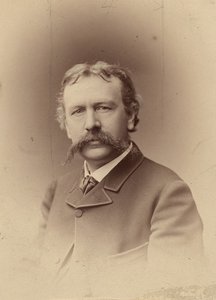
Elihu Vedder
1836 - 1923 , United States of America
Quick Facts
- Artistic Movement Or Style: Symbolism, Romanticism
- Artists Who Influenced This Artist:
- François-Édouard Picot
- Giovanni Costa
- William Blake
- William Butler Yeats
- Date Of Birth: February 26, 1836
- Date Of Death: January 29, 1923
- Full Name: Elihu Vedder
- Nationality: American
- Notable Artworks:
- The Roc’s Egg
- The Fisherman and the Genii
- Lair of the Sea Serpent
- Rubaiyat illustrations
- Place Of Birth: New York City, USA
Related Articles
Edmund Dulac: A Master of Golden Age Illustration – Exploring Myth, Symbolism & Art Nouveau Legacy
Explore the captivating world of Edmund Dulac, a master of Golden Age illustration! Discover his enchanting fairy tales, Art Nouveau style, and lasting influence on art & design. Learn about *The Rubaiyat* and more.

Angelo Chiacchio: A Mid-Century American Illustration Master & the Rise of Commercial Art
Explore the captivating world of Angelo Chiacchio, a master of mid-century American illustration. Discover his evolution, signature style, and lasting impact on commercial art & design. Learn about his legacy at the Museum of American Illustration.
Kay Rasmus Nielsen: A Golden Age Illustrator's Enchanting Legacy of Symbolism & Narrative
Explore the captivating world of Kay Rasmus Nielsen, a celebrated Golden Age illustrator renowned for his Art Nouveau fairy tale art & Disney contributions. Discover his unique style, enduring legacy, and how to collect his enchanting works.

The Refined Aesthetic of Victorian Illustration: A Study in Narrative & Technique
Explore the captivating world of Victorian illustration! Discover Pre-Raphaelite influences, key artists like Rossetti & Stephens, and the era's rich narrative detail. A deep dive for art enthusiasts.
Arthur Rackham: A Master of British Illustration & the Enchanted Realm of Fairy Tales
Explore the enchanting world of Arthur Rackham (1867-1939), a leading figure in British Golden Age illustration. Discover his iconic fairy tale art, classic book illustrations & lasting legacy. Learn more at ArtsDot.