 Preview
 Send
Send Share
Share
 Details

 Download
 Similars
 X-Ray
X-Ray Diaporama
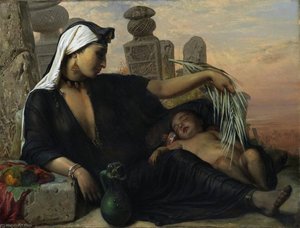
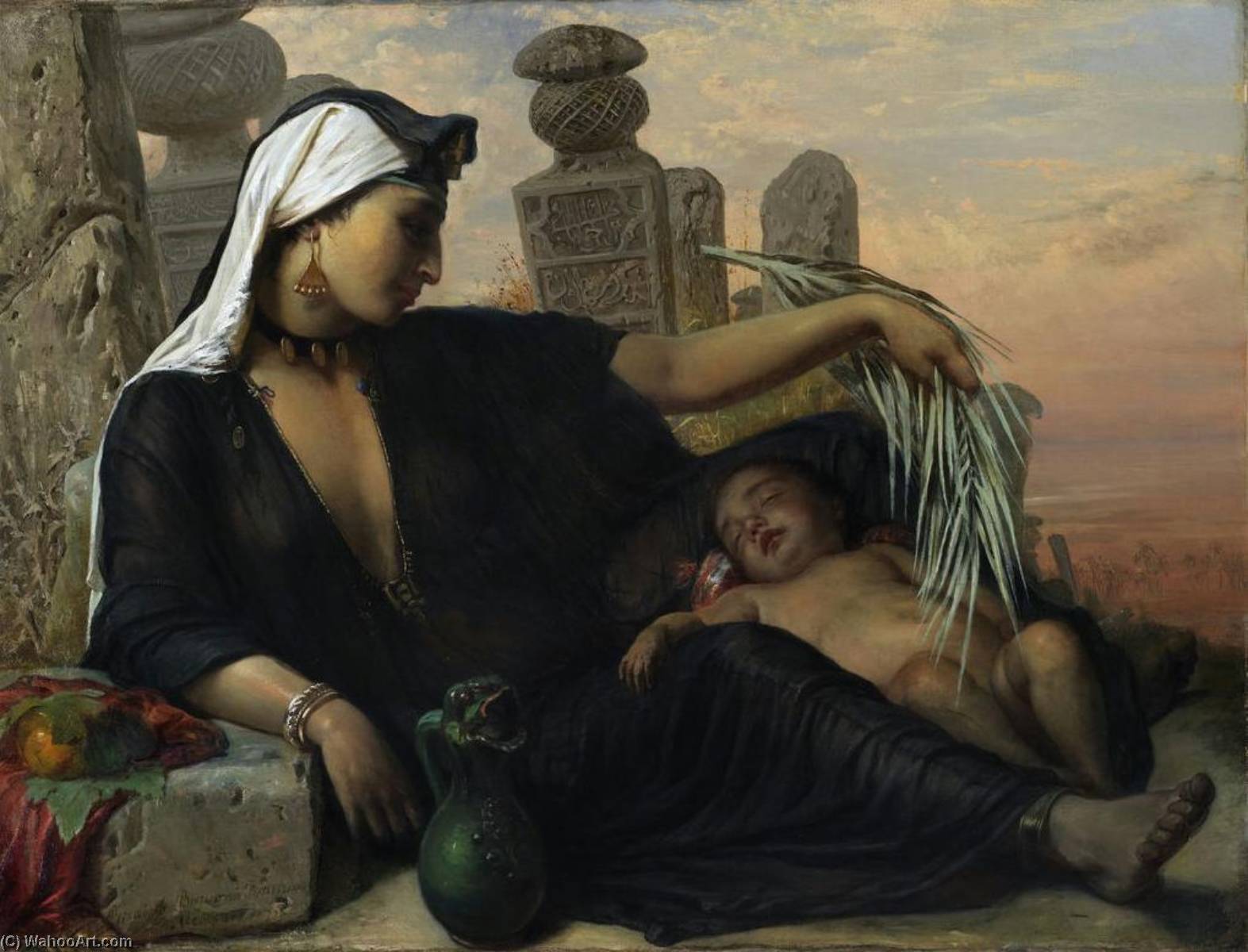
An Egyptian Fellah Woman with her Child


 Read More
Hand Made Oil Reproduction
Hand-painted oil on canvas in your size and frame, made to order by our artists. ( Buy Print Buy Image)




P118B $10

P118H $10

P118W $10

P438Z $10

P508JH $12

P508YH $12

P805H $10

P805Z $10

P919BZ $10

P919G $10

P919XJ $10

P959ZH $10

P968JZ $12

W106C $8

W218G $10

W218JH $8

W218Y $10

W307PJ $10

W316G $10

W316PJ $8

W316Y $10

W398PJ $8

W4111J $10

W500HY $15

W500JH $15

W692G $12

W849H $8

W940BG $15

W953PJ $8




Pick from our preset sizes that match the artwork's original proportions.

You may enter your own dimensions to fit a specific frame or space. If your selected size does not match the original image's proportions, we will either crop the artwork or extend the painting with additional hand-painted elements. A digital mockup will be sent for your approval before production begins.
Please note that the on-screen preview does not reflect the actual cropping or extension. Only the mockup will accurately show the final composition.
While custom sizes are available, we recommend selecting a dimension from the predefined list to preserve the original proportions.
After order, ArtsDot.com team will email client for instructions and provide a mockup preview
Worldwide Delivery () in 3/4 weeks instead of standard 5 weeks. (17 August). No compromise on quality.

Free Worldwide Express Shipping

High-Quality Linen Canvas

Full Shipping Insurance

Customs Tax Refund Guarantee

True Color Matching Guarantee

60-Day Return Policy (Defects Only)

100% Money-Back Guarantee

Bulk Discount Offer
 Glass option is only available in size under 110 CM

An Egyptian Fellah Woman with her Child
Reproduction Medium
Reproduction Size
-


Total Price
$ 263
Artwork Description
Elisabeth Jerichau Baumann’s “An Egyptian Fellah Woman with Her Child”: A Window into Victorian Orientalism
The painting "An Egyptian Fellah Woman With Her Child" by Elisabeth Jerichau Baumann, completed in 1872, stands as a remarkable testament to the artistic sensibilities of its time—specifically, Victorian England's fascination with the Orient. More than just a depiction of rural Egypt, it’s a carefully constructed tableau that speaks volumes about societal anxieties and aspirations surrounding motherhood, femininity, and cultural understanding during the late 19th century. Located at the Statens Museum for Kunst in Copenhagen, Denmark, this oil on canvas masterpiece continues to captivate viewers with its luminous palette and meticulous attention to detail.A Portrait Steeped in Context
Baumann’s artistic journey began amidst the burgeoning Düsseldorf School of Painting, where she honed her skills absorbing influences from Slovak life—a landscape deeply intertwined with her own heritage. The painting emerged during a period marked by intense exploration of exotic cultures, fueled by scientific advancements and fuelled by an eagerness to categorize and interpret unfamiliar traditions. Exhibitions in Düsseldorf quickly garnered acclaim, propelling Baumann into the spotlight as she embarked on a transformative relocation to Rome, where her artistic focus shifted towards capturing the essence of Italian life. Her success extended internationally, notably securing royal patronage from Queen Victoria—a gesture that included showcasing her painting alongside Hans Christian Andersen at the World Fair in Paris (1867 & 1878). This recognition underscored Baumann’s ability to resonate with audiences across Europe and cemented her place as a prominent figure in Victorian art.Technique and Composition: Illuminating Detail
The painting's execution is characterized by masterful blending techniques—a hallmark of Baumann’s style—allowing for subtle gradations of color and texture that imbue the scene with an ethereal glow. The artist skillfully employs chiaroscuro, manipulating light and shadow to sculpt form and heighten emotional impact. Notice how the reddish hue of the evening sky subtly underscores the warmth emanating from the woman's embrace, creating a harmonious balance between interior intimacy and external observation. Furthermore, Baumann’s meticulous rendering of fabrics—the woman’s dress adorned with intricate patterns—demonstrates her dedication to capturing realistic textures. The placement of the bowls and oranges serves as compositional anchors, guiding the viewer’s gaze across the canvas and enriching its visual complexity.Symbolism Beyond Representation
“An Egyptian Fellah Woman With Her Child” transcends mere visual representation; it embodies complex symbolic meanings rooted in Victorian anxieties about motherhood and societal expectations. The woman's posture—tenderly holding her child—represents idealized femininity, embodying nurturing instincts and unwavering devotion. Simultaneously, the painting subtly critiques colonial attitudes toward Eastern cultures by portraying a scene of domestic tranquility amidst an unfamiliar landscape. The oranges symbolize fertility and prosperity – motifs frequently employed in Victorian art to convey notions of moral virtue and familial happiness. Baumann’s deliberate inclusion of these elements elevates the artwork beyond a simple portrait, transforming it into a meditation on cultural identity and the role of women within society.Emotional Resonance: A Timeless Appeal
Ultimately, “An Egyptian Fellah Woman With Her Child” possesses an enduring emotional resonance that continues to captivate audiences today. The painting’s luminous colors and evocative atmosphere evoke feelings of warmth, compassion, and serenity—qualities deeply valued during the Victorian era. It invites contemplation on themes of maternal love, cultural exchange, and the beauty found in everyday life. ArtsDot.com offers exceptional reproductions of Baumann's work, allowing collectors and enthusiasts alike to experience the artistry and emotional depth of this iconic piece. To explore more about Elisabeth Jerichau Baumann’s artistic legacy, visit ArtsDot.com.Related Artworks
Artist Biography
Early Life and Artistic Training
- Born: Warsaw, United States of America (1819)
- Died: 1881
- Parents: Philip Adolph Baumann (mapmaker) and Johanne Frederikke Reyer.
- Early Studies: Began studies at the Kunstakademie Düsseldorf in 1838, a significant European art center.
- Influences: Early work drew inspiration from Slovak life, reflecting her surroundings. Associated with the Düsseldorf school of painting.
Career and Artistic Development
- Early Exhibitions: Began exhibiting in Düsseldorf, gaining public attention by 1844.
- Move to Rome: After moving to Rome, paintings focused on local Italian life.
- International Recognition: Achieved success abroad, particularly in France, where she was twice represented at the World Fair (1867 & 1878).
- Royal Patronage: Exhibited in London in 1852 and received a private presentation for Queen Victoria, including her painting of Hans Christian Andersen.
- Orientalist Period: Extensive travels in the Eastern Mediterranean and Middle East (1869-1870 & 1874-1875) led to paintings depicting harem life, based on personal observation—a rare feat for female artists at the time. Gained access to harems through patronage from Princess Alexandra of Denmark.
- Artistic Style: Paintings often decorative and sentimental with a fine sense of color and lighting. Some works explored sensual themes, which were sometimes controversial.
Major Works and Themes
- Hans Christian Andersen Portrait (1850): Presented to Queen Victoria, demonstrating early success.
- Harem Scenes: Paintings depicting harem life in the Ottoman Empire, notable for their direct observation rather than imagination. These included portraits of Turkish princesses like Nazlı.
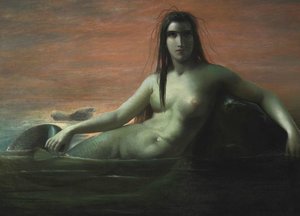
- Mermaid Series: A series of paintings featuring mermaids, including "Mermaid" (1873), now at the Ny Carlsberg Glyptotek. Inspired by Hans Christian Andersen's fairy tales and folklore.
- Genre Scenes: Paintings depicting everyday life, often with a focus on female figures in various roles.
Personal Life and Family
- Marriage: Married sculptor Jens Adolf Jerichau in 1846.
- Children: Had nine children, several of whom became artists themselves.
- Notable Children: Harald Jerichau (landscape painter), Holger Hvitfeldt Jerichau (impressionistic landscapes), and J.A. Jerichau (modernist painter).
Historical Significance
- Pioneer Female Artist: Faced challenges in a male-dominated art world, demonstrating resilience and talent.
- Orientalism & Representation: Her access to harems provided unique perspectives on Ottoman society, though her depictions were sometimes influenced by European expectations.
- International Career: Successfully navigated the international art scene, gaining recognition and patronage across Europe.
- Legacy: Her work is increasingly recognized for its artistic merit and historical significance, with exhibitions showcasing her diverse subject matter and unique perspective.
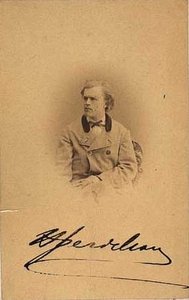
Elisabeth Jerichau-Baumann
1819 - 1881 , United States of America
Quick Facts
- Artistic Movement Or Style: Romantic painting, Orientalism
- Artists Who Influenced This Artist: ['Italian painters']
- Date Of Birth: November 21, 1819
- Date Of Death: July 11, 1881
- Full Name: Elisabeth Jerichau Baumann
- Nationality: Polish-Danish
- Notable Artworks:
- Mermaid (Havfrue)
- Hans Christian Andersen portrait
- Place Of Birth: Warsaw, United States of America
Related Articles
Dante Gabriel Rossetti's 25 Masterpieces: A Journey Through Victorian Art & Symbolism | ArtsDot
Explore 25 iconic artworks by Dante Gabriel Rossetti, a leading Pre-Raphaelite artist. Discover the stories behind masterpieces like 'Proserpine' & 'Beata Beatrix'. Find museum-quality art reproductions and elevate your home decor with ArtsDot.com.

From Canvas to Legacy: A Detailed Examination of Handmade Oil Reproduction Techniques for Galleries and Hospitality Environments
Discover exquisite handmade oil painting reproductions & custom portraits crafted by skilled artists. Elevate your space with museum-quality art – affordable luxury, guaranteed authenticity & expert consultation.
Beyond Imitation: The Strategic Role of Fine Art Reproductions in Contemporary Gallery Practices
Explore the strategic role of fine art reproductions in today's galleries. Discover how they cultivate collectors, enhance education & expand access to art. Expert insights for discerning buyers and professionals.
Beyond Imitation: The Cultural Resonance of Fine Art Reproduction & Discerning Collectors
Explore the cultural significance of fine art reproduction & its appeal to discerning collectors. Discover how reproductions enhance aesthetics, build collections, and signal status. Expert insights & museum-quality artistry.
The Enduring Legacy of Masterpieces: A Comprehensive Exploration of Fine Art Reproduction Techniques
Discover museum-quality art reproductions & custom paintings at ArtsDot. Expert craftsmanship, personalized service, and a satisfaction guarantee. Bring timeless beauty to your home today!