

 Preview
 Send
Send Share
Share
 Details

 Download
 Similars
 X-Ray
X-Ray Diaporama
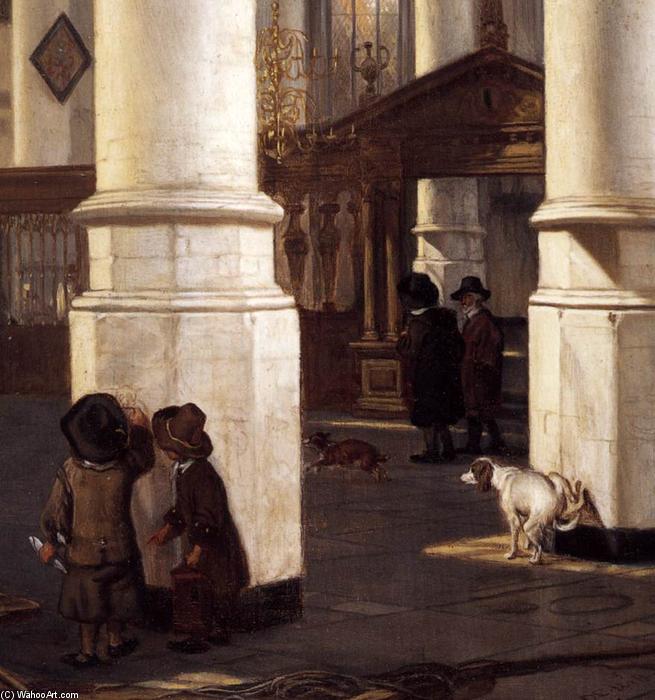
Interior of the Oude Kerk, Delft (detail)


 Read More
Purchase a high-resolution, enhanced digital image, far superior to the online preview.
Each file is meticulously prepared by our in-house specialists using advanced tools and expert manual retouching. We ensure every image has exceptional clarity, precise color accuracy, and fine detail.
The final file is delivered via email within 72 hours, optimized for immediate use in professional, editorial, and print environments. This is the same quality trusted by top-tier design studios, publishers, and galleries.
Digital Image
Download a high-resolution file for personal display, printing, and creative projects. ( Buy Print Buy Hand Made Painting)
Included in Every Digital Image Order
Expert Digital Delivery, Guaranteed
When you choose ArtsDot.com, you're not just getting an image - you're receiving a professionally enhanced digital artwork, crafted with precision and backed by a satisfaction guarantee. Here's everything that comes with your order, automatically:

Fast Email Delivery
Your high-resolution digital image file will be emailed to you within 72 hours of ordering - ready for immediate use.

AI-Enhanced Digital File
Your artwork is professionally optimized using advanced AI tools and manual editing, ensuring maximum detail, clarity, and color accuracy.

Free Lifetime Re-Delivery
Accidentally deleted or lost your file? No worries - we'll resend it to you anytime, free of charge.

No Import Fees - Ever
Enjoy your artwork instantly with zero customs, duties, or delivery fees - digital downloads are always tax-free.

Color Accuracy Guarantee
We ensure your digital image reflects the original colors as closely as possible using professional tools and color management.

60-Day Satisfaction Guarantee
If you're not satisfied with your digital image, we'll revise it or refund 100% within 60 days - no questions asked.

100% Money-Back Guarantee
Not satisfied? Get a full refund within 60 days of receiving your digital file - no questions asked.

Bulk Order Discounts
Buy 3 images, save 10% - Buy 5, save 15% - Buy 10+, save 20%. Great for creative projects, galleries, and agencies.
Collectible Description
A Glimpse Within: Emanuel de Witte’s Masterpiece
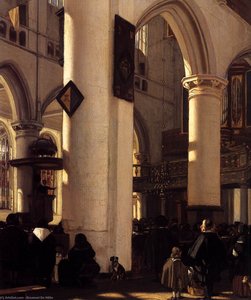
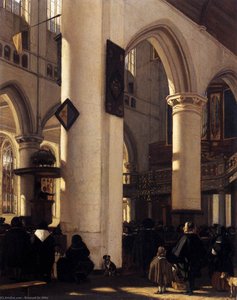
Emanuel de Witte's “Interior of the Oude Kerk, Delft (detail)” isn’t merely a depiction of a church; it’s an immersive experience. Painted in 1650, this remarkable work transcends simple architectural representation, offering instead a profound meditation on space, light, and the quiet dignity of everyday faith. De Witte, a lesser-known yet profoundly insightful figure within the Dutch Golden Age, eschewed the meticulous documentation favored by contemporaries like Pieter Saenredam. Instead, he sought to capture the *feeling* of being within these sacred spaces – the subtle play of shadows, the diffused light filtering through stained glass, and the palpable sense of contemplation that permeated the air.
The scene unfolds within the Oude Kerk, Delft’s historic parish church. We are presented with a carefully constructed illusion of depth, achieved through masterful perspective and an astute understanding of how light interacts with surfaces. The archways, rendered with remarkable precision, draw our eye into the heart of the composition, while the placement of figures – several individuals engaged in conversation or quiet reflection – anchors the scene within a believable reality. Notice the deliberate use of muted tones; De Witte avoids dramatic contrasts, favoring instead a harmonious palette that evokes a sense of serenity and timelessness.
The Artist’s Vision: De Witte's Unique Approach
Unlike many of his contemporaries who focused on the precise rendering of architectural details, De Witte prioritized atmosphere. He wasn’t interested in creating blueprints; he was striving to evoke a specific *mood*. This is evident in his treatment of light – it isn’t simply illuminating the scene; it's actively shaping it, casting long shadows and highlighting textures with subtle grace. This approach aligns with the broader artistic currents of the period, reflecting a shift towards valuing subjective experience over purely objective representation.
Born in Alkmaar in 1617, De Witte’s early training provided him with a solid foundation in geometry and perspective – skills he skillfully employed to create this illusionistic space. However, his artistic journey was marked by personal challenges, including financial difficulties and strained relationships. These complexities seem to subtly infuse the paintings with an underlying sense of melancholy or introspection, adding another layer of depth to their emotional resonance. His later years were spent in Amsterdam, where he continued to refine his distinctive style, often working as a painter for wealthy patrons.
Symbolism and Context: Delft’s Sacred Space
The Oude Kerk itself holds immense historical significance. As one of the oldest buildings in Delft, it represents not just a place of worship but also the very heart of the city's identity. During the 17th century, Dutch churches were often stripped of their opulent decorations following the Protestant Reformation, transforming them into spaces for civic gatherings and everyday life. This shift created a compelling subject matter for artists like De Witte, who could capture the evolving relationship between faith and community.
The presence of figures within the church – a dog near the right side, a suitcase on the left – adds layers of narrative to the scene. These seemingly mundane details invite speculation about the lives and experiences of those present, suggesting that this interior is not merely a static representation but a vibrant tableau of human interaction. The inclusion of the suitcase hints at travel and perhaps even a temporary departure from routine, while the dog suggests companionship and loyalty.
A Window to the Past: Reproduction and Appreciation
ArtsDot’s hand-painted reproductions offer an unparalleled opportunity to experience the beauty and depth of De Witte's “Interior of the Oude Kerk, Delft (detail).” Each reproduction meticulously recreates the artist’s masterful use of light, color, and perspective, capturing the essence of this iconic work. Whether adorning a grand salon or a more intimate space, this painting invites viewers to pause, reflect, and connect with the rich cultural heritage of Delft and the profound beauty of the Dutch Golden Age.
Related Artworks
Artist Biography
A Life in Perspective: The World of Emanuel de Witte
Emanuel de Witte, a name perhaps less instantly recognizable than some of his Dutch Golden Age contemporaries, nevertheless occupies a significant and fascinating niche within the pantheon of 17th-century masters. Born in Alkmaar in 1617, De Witte’s artistic journey was one marked by both remarkable talent and considerable personal turmoil – a duality that seems to subtly infuse itself into the very atmosphere of his paintings. He wasn't driven by meticulous architectural documentation like Pieter Saenredam; instead, he sought to capture the *feeling* of space, the quality of light, and the subtle drama unfolding within sacred interiors. His canvases aren’t merely representations of churches; they are immersive experiences, inviting viewers into a world of quiet contemplation and spiritual resonance.From Delft Training to Amsterdam's Embrace
De Witte’s early life provided a solid foundation for his artistic pursuits. His father, a schoolmaster, instilled in him an appreciation for learning and intellectual curiosity – qualities that would later manifest in his careful observation of perspective and light. He formally entered the art world by joining the Guild of St Luke in Alkmaar in 1636, but it was his subsequent apprenticeship with Evert van Aelst in Delft that proved particularly formative. Van Aelst, a renowned still-life painter, imparted to De Witte a keen eye for detail and a masterful command of light and shadow – skills that would become hallmarks of his mature style. Initially, De Witte explored various genres—portraits, mythological scenes, religious narratives—but it was upon relocating to Amsterdam in 1651 that he truly found his calling. The city’s wealth of magnificent churches provided an inexhaustible source of inspiration, and he began to specialize in depicting their awe-inspiring interiors.Master of Atmosphere and Imaginary Spaces
Amsterdam proved pivotal for De Witte's artistic development. He didn’t simply replicate existing church spaces; rather, he skillfully synthesized elements from different buildings, creating idealized interiors that felt both familiar and subtly otherworldly. The Oude Kerk in Amsterdam became a frequent subject, appearing repeatedly on his canvases from various vantage points. But these weren’t straightforward depictions. De Witte manipulated perspective, played with light and shadow, and populated the spaces with carefully arranged figures to evoke a specific mood or atmosphere. As Walter Liedtke observed, his primary interest lay not in the architecture itself but in “the space itself – its light, color, sheer extent, and mood.” This emphasis on atmospheric effect distinguishes him from more rigidly topographical painters of the era. He wasn’t concerned with precise accuracy; he was interested in creating a *feeling* of grandeur, reverence, and spiritual depth.A Life Marked by Shadows
Despite his artistic success, De Witte's personal life was plagued by hardship. The death of his first wife brought profound grief, and subsequent legal troubles involving his second wife and daughter cast a long shadow over his later years. Financial difficulties led him to the humiliating position of indentured servitude to an art dealer, Joris de Wijs, a situation he ultimately breached, leading to further complications. Contemporary accounts paint a picture of a volatile temperament – a man prone to shouting at clients and engaging in disputes. This inner turmoil perhaps contributed to the unevenness of his later work, but it also adds another layer of complexity to our understanding of the artist and his creations. Tragically, De Witte’s life came to a devastating end in 1692 when he reportedly attempted suicide by hanging himself from a canal bridge; the rope broke, and he drowned. It was a grim finale for a man who had dedicated his life to capturing the beauty and serenity of sacred spaces.Legacy and Enduring Influence
Emanuel de Witte stands as an important figure in the last phase of architectural painting in the Netherlands, bridging the gap between meticulous documentation and atmospheric interpretation. His innovative use of light and perspective influenced subsequent generations of artists, and his paintings continue to offer valuable insights into 17th-century Dutch religious life and social customs. Today, works by De Witte are held in prestigious collections worldwide – at the Metropolitan Museum of Art, the National Gallery of Art, and the Rijksmuseum, among others—testifying to his enduring legacy as a master of perspective, atmosphere, and emotional resonance. He reminds us that art is not merely about what we see but how we *feel* when we look.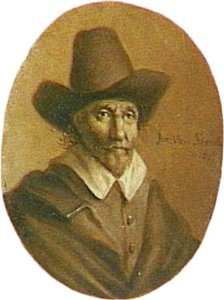
Emanuel de Witte
1617 - 1692 , Netherlands
Quick Facts
- Artistic Movement Or Style: Baroque art
- Artists Or Movements Influenced By This Artist: ['Later artists']
- Artists Who Influenced This Artist: ['Evert van Aelst']
- Date Of Birth: 1617
- Date Of Death: 1692
- Full Name: Emanuel de Witte
- Nationality: Dutch
- Notable Artworks:
- Oude Kerk in Amsterdam...
- Interior of the Oude Kerk
- Protestant Gothic Church
- Place Of Birth: Alkmaar, Netherlands

