 Preview
 Send
Send Share
Share
 Details

 Download
 Similars
 X-Ray
X-Ray Diaporama
Game


 Read More
Hand Made Oil Reproduction
Hand-painted oil on canvas in your size and frame, made to order by our artists. ( Buy Print Buy Image)




P118B $10

P118H $10

P118W $10

P438Z $10

P508JH $12

P508YH $12

P805H $10

P805Z $10

P919BZ $10

P919G $10

P919XJ $10

P959ZH $10

P968JZ $12

W106C $8

W218G $10

W218JH $8

W218Y $10

W307PJ $10

W316G $10

W316PJ $8

W316Y $10

W398PJ $8

W4111J $10

W500HY $15

W500JH $15

W692G $12

W849H $8

W940BG $15

W953PJ $8




Pick from our preset sizes that match the artwork's original proportions.

You may enter your own dimensions to fit a specific frame or space. If your selected size does not match the original image's proportions, we will either crop the artwork or extend the painting with additional hand-painted elements. A digital mockup will be sent for your approval before production begins.
Please note that the on-screen preview does not reflect the actual cropping or extension. Only the mockup will accurately show the final composition.
While custom sizes are available, we recommend selecting a dimension from the predefined list to preserve the original proportions.
After order, ArtsDot.com team will email client for instructions and provide a mockup preview
Worldwide Delivery () in 3/4 weeks instead of standard 5 weeks. (17 August). No compromise on quality.

Free Worldwide Express Shipping

High-Quality Linen Canvas

Full Shipping Insurance

Customs Tax Refund Guarantee

True Color Matching Guarantee

60-Day Return Policy (Defects Only)

100% Money-Back Guarantee

Bulk Discount Offer
 Glass option is only available in size under 110 CM

Game
Reproduction Medium
Reproduction Size
-


Total Price
$ 263
Artwork Description
A Haunting Still Life Reflecting Romantic Ideals
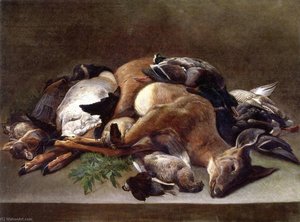
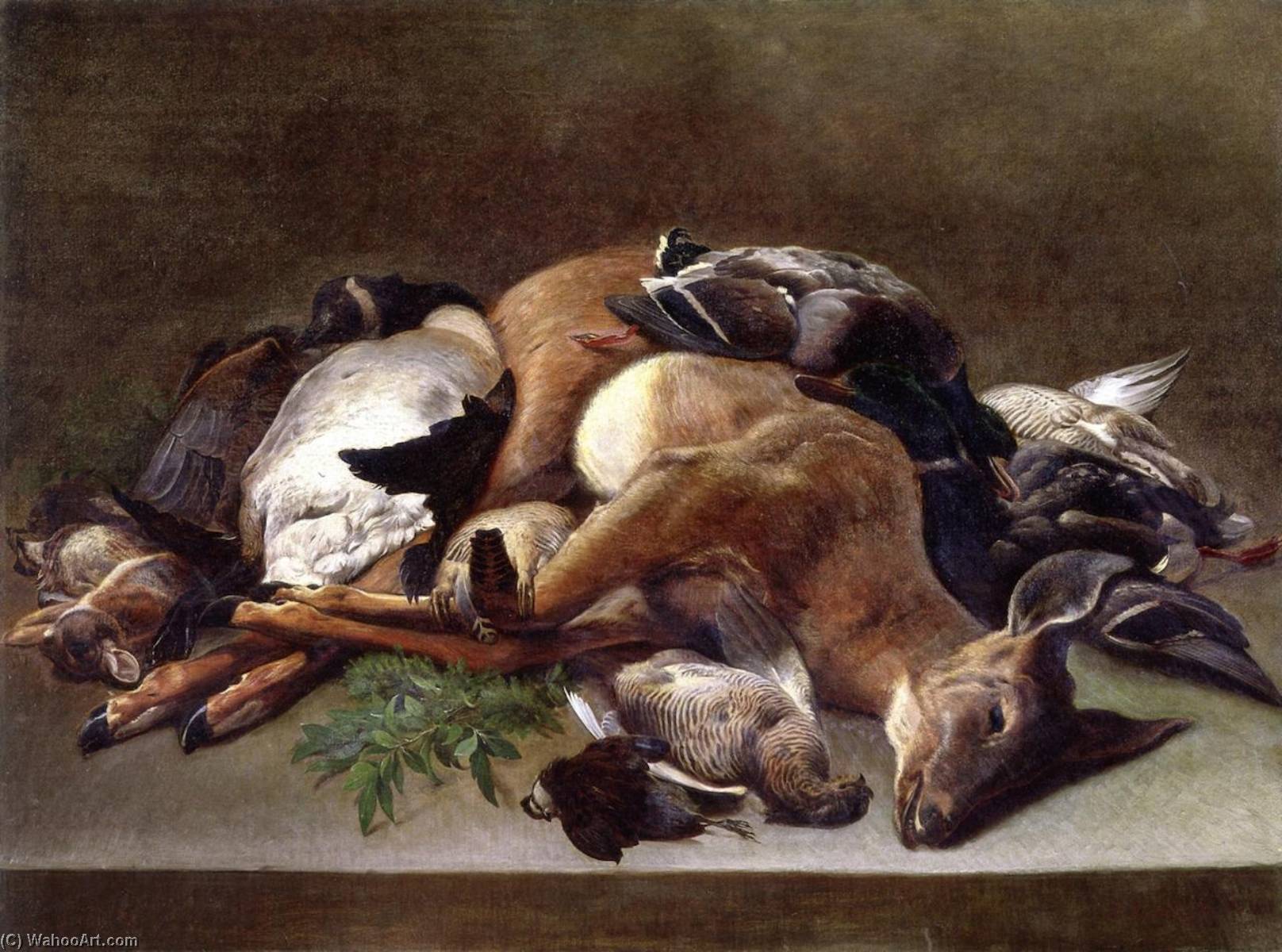
Emanuel Gottlieb Leutze’s “Game,” completed in 1860, transcends mere depiction; it's a masterful distillation of Romantic sensibilities—a chilling tableau that confronts viewers with the unsettling beauty of mortality and the consequences of unchecked ambition. Currently residing at the New York Historical Society, this oil on canvas piece continues to captivate audiences with its meticulous detail and profound emotional resonance.
- Composition & Symbolism: The painting’s core is a disconcerting arrangement of animal corpses—primarily waterfowl like ducks and geese alongside a solitary deer—scattered across a dark, polished wooden surface. This deliberate chaos isn't accidental; it serves as a powerful visual metaphor for the disintegration of life itself, mirroring themes prevalent in Romantic art.
- Artist’s Background & Influences: Leutze honed his skills at Düsseldorf Academy of Fine Arts under John Rubens Smith, absorbing the Düsseldorf School of Painting’s emphasis on dramatic lighting and expressive brushwork. His fame rests largely upon “Washington Crossing the Delaware,” a monumental depiction of American heroism—a testament to his ability to convey grand narratives with palpable emotion.
- Technique & Style: Leutze employed a technique rooted in Baroque principles, utilizing thin glazes of oil paint to build up texture and luminosity. The artist’s meticulous attention to detail – particularly the rendering of feathers and fur – underscores his commitment to realism while simultaneously elevating the scene beyond mere observation.
- Historical Context: Created during the burgeoning American Romantic movement, “Game” speaks to anxieties surrounding industrialization and the perceived decline of traditional values. It reflects a broader preoccupation with confronting death and decay as inevitable aspects of human existence—a sentiment deeply ingrained in the artistic landscape of its time.
Color Palette & Light: Shadows That Speak Volumes
The painting’s color palette is deliberately subdued, dominated by earthy browns, tans, and grays. These muted tones contribute to a pervasive atmosphere of melancholy and decay—yet subtle variations in tone reveal the artist's masterful control over texture and form. Dramatic lighting plays a crucial role, casting soft shadows that accentuate the three-dimensional quality of the animal carcasses and enhancing their unsettling presence.
A Masterpiece of Detail & Texture
Close examination reveals an astonishing level of textural complexity. Leutze painstakingly layered paint to achieve remarkable realism—the delicate plumage of the birds and the coarse fur of the deer are rendered with breathtaking precision. This meticulous approach elevates “Game” beyond a simple still life, transforming it into a profound meditation on beauty amidst ruin.
Beyond Representation: Exploring Romantic Ideals
"Game" isn't merely a depiction of death; it’s an embodiment of Romantic ideals—a confrontation with the sublime and a recognition of humanity’s vulnerability before the forces of nature. Like “Washington Crossing the Delaware,” Leutze’s masterpiece compels viewers to contemplate profound questions about life, loss, and the enduring legacy of artistic vision. Discover the captivating beauty of this iconic painting through ArtsDot.com or explore exquisite oil painting reproductions at ArtsDot.com.
Related Artworks
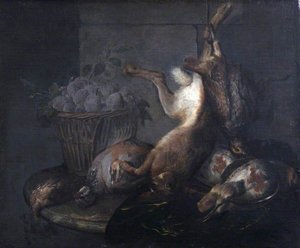
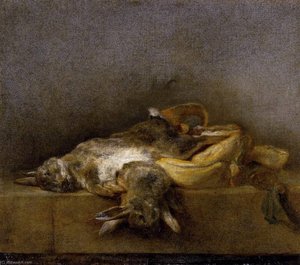
Artist Biography
A Life Bridging Worlds: The Story of Emanuel Gottlieb Leutze
Emanuel Gottlieb Leutze’s life was a compelling narrative of cultural duality, a journey that saw him traverse the Atlantic and synthesize European artistic traditions with an emerging American identity. Born in 1816 in Schwäbisch Gmünd, Germany, his early years were marked by hardship; the illness and subsequent death of his father necessitated a premature immersion into the world of work. Yet, even amidst these challenges, a nascent artistic talent began to blossom, initially as a means of occupying time during his father’s sickness, evolving into a source of livelihood through modest portrait commissions. This early period instilled in him not only technical skill – he charged a mere $5 per portrait – but also a profound sense of self-reliance and the practical demands of an artist's existence. Formal training came later, with studies under John Rubens Smith in Philadelphia providing a foundational grounding before his pivotal move to Germany in 1840 and enrollment at the prestigious Kunstakademie Düsseldorf. This decision would irrevocably shape his artistic trajectory, exposing him to the currents of Romanticism that would define much of his oeuvre.Düsseldorf and the Shaping of a Historical Vision
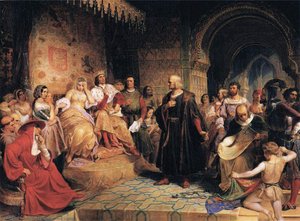
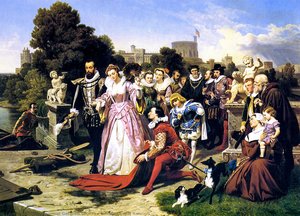
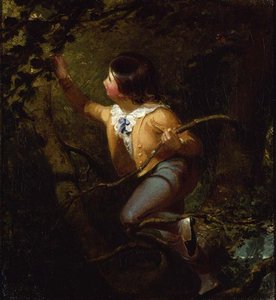
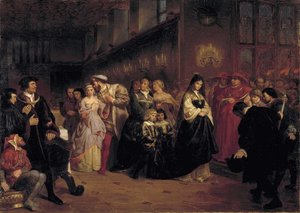
The years Leutze spent in Düsseldorf were formative. He wasn’t merely acquiring technique; he was absorbing an aesthetic philosophy. The influence of Karl Friedrich Lessing, a leading figure within German Romanticism, proved particularly potent. Lessing's emphasis on dramatic composition and emotional intensity resonated deeply with Leutze, informing the grand scale and narrative power that would characterize his later works. Further studies in Munich under Cornelius and Kaulbach broadened his artistic horizons, while journeys to Venice and Rome brought him face-to-face with the masters of the Renaissance – Titian and Michelangelo. These encounters weren’t simply about imitation; they were a rigorous education in form, color, and the enduring power of historical narrative. It was during this period that he completed “Columbus Before the Council of Salamanca,” a work that garnered early acclaim and signaled his arrival as a significant artistic voice. This painting wasn't just a display of technical prowess; it demonstrated an ambition to engage with weighty historical themes, a hallmark of his future career. The meticulous detail and dramatic lighting evident in earlier works like “Bird Nesting” (1837) foreshadowed the larger canvases he would soon undertake, revealing a developing mastery of both observation and emotional expression. Even smaller pieces such as "Game" demonstrate Leutze’s ability to imbue seemingly simple subjects with symbolic weight and Baroque influence.Returning to America: Painting Patriotism and National Identity
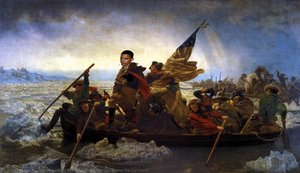
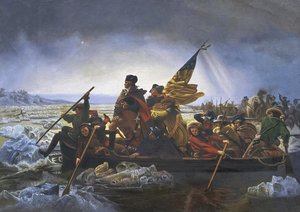
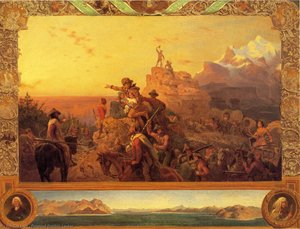
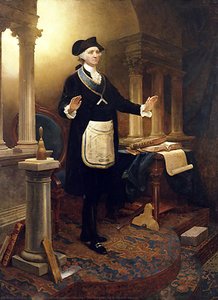
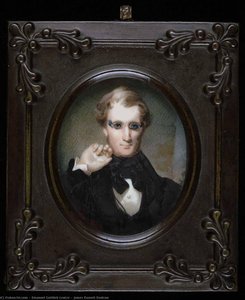
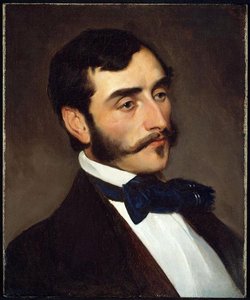
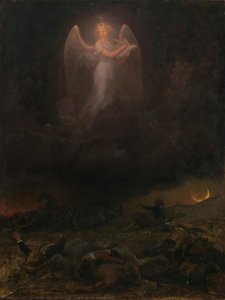
In 1859, Leutze returned to the United States, establishing studios in both New York City and Washington D.C. This return wasn’t simply a geographical relocation; it represented a conscious decision to dedicate his art to the burgeoning American narrative. While he continued to accept portrait commissions – capturing the likenesses of figures like Chief Justice Roger Brooke Taney and fellow artist William Morris Hunt – his true passion lay in historical painting, specifically works that could embody the spirit of the nation. And no work embodies this ambition more powerfully than “Washington Crossing the Delaware.” Conceived over several years, it became an instant icon, a visual distillation of American courage, leadership, and the relentless pursuit of freedom. The painting’s enduring appeal lies not just in its dramatic depiction of a pivotal moment in history but also in its carefully constructed symbolism – the diverse group of soldiers representing the unity of the colonies, the perilous journey mirroring the risks inherent in revolution. Beyond “Washington Crossing the Delaware,” Leutze continued to explore themes of American heroism and sacrifice, notably with "Angel on the Battlefield," a poignant response to the human cost of the Civil War. This work, born from the grim realities reported in newspapers, sought to offer solace and honor those lost during that tumultuous period.Legacy and Enduring Influence
Emanuel Gottlieb Leutze’s contribution to American art extends far beyond individual canvases. He played a crucial role in establishing a visual language for American history painting, creating powerful images that helped shape national identity during a period of profound social and political change. “Washington Crossing the Delaware” remains arguably the most recognizable image in American art, its reproduction ubiquitous across countless platforms. His ability to blend Romantic ideals with historical accuracy resulted in works that were both emotionally resonant and intellectually stimulating. Leutze’s paintings are now housed in prestigious institutions such as the Metropolitan Museum of Art, the Kunsthalle Bremen, and Harvard Law School, ensuring his legacy endures for generations to come. He wasn't simply a painter of history; he was a creator of myth, forging enduring symbols that continue to inspire and provoke dialogue about the American experience. His work serves as a potent reminder of the power of art to shape perceptions, ignite patriotism, and preserve collective memory.- Born: May 24, 1816, Schwäbisch Gmünd, Germany
- Died: July 18, 1868
- Movement: Romanticism, Düsseldorf School of Painting
- Notable Works: Washington Crossing the Delaware, Columbus Before the Council of Salamanca, Angel on the Battlefield
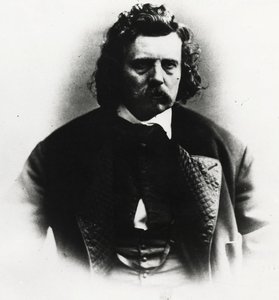
Emanuel Gottlieb Leutze
1816 - 1868 , Germany
Quick Facts
- Artistic Movement Or Style: Romanticism
- Artists Or Movements Influenced By This Artist: ['American history painting']
- Artists Who Influenced This Artist: ['Karl Friedrich Lessing']
- Date Of Birth: 1816
- Date Of Death: 1868
- Full Name: Emanuel Gottlieb Leutze
- Nationality: German-American
- Notable Artworks:
- Washington Crossing Delaware
- Columbus Before Salamanca
- Angel on the Battlefield
- Place Of Birth: Schwäbisch Gmünd, Germany
Related Articles
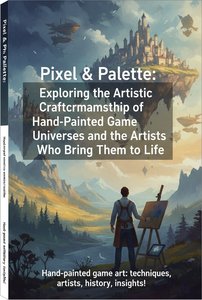
Pixel & Palette: Exploring the Artistic Craftsmanship of Hand-Painted Game Universes and the Artists Who Bring Them to Life
Explore the artistry of hand-painted game universes! Discover techniques, artists & history behind this unique style. Expert insights for collectors & developers.
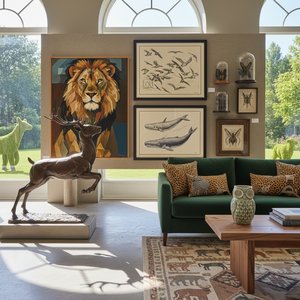
Animalia: Exploring the Enduring Presence of Animals in Art & Interior Design
Explore the rich history of animal symbolism in art, from ancient mythology to modern masterpieces. Discover how animals have inspired artists for centuries and learn how to incorporate these powerful motifs into your home décor.
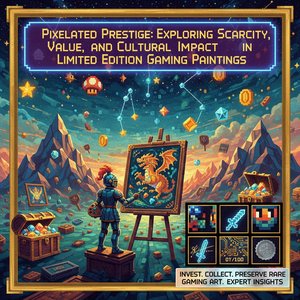
Pixelated Prestige: Exploring Scarcity, Value, and Cultural Impact in Limited Edition Gaming Paintings
Explore the world of limited edition gaming paintings! Discover investment strategies, artist insights & preservation tips for collectors. Trusted expertise in rare video game art.
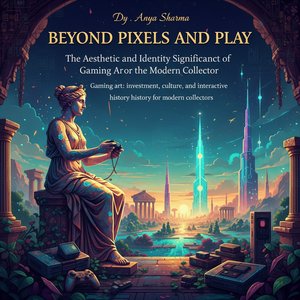
Beyond Pixels and Play: The Aesthetic and Identity Significance of Gaming Art for the Modern Collector
Explore the rising world of gaming art! Discover why collectors are investing in vintage games & interactive experiences. Expert insights on value, trends & cultural significance.

From Pixels to Pavement: How Gaming Aesthetics Are Shaping Pop Culture
Explore the exciting convergence of gaming aesthetics and pop culture! Discover how video games are influencing fashion, streetwear, art & more. Stay ahead of the trends with .