 Preview
 Send
Send Share
Share
 Details

 Download
 Similars
 X-Ray
X-Ray Diaporama
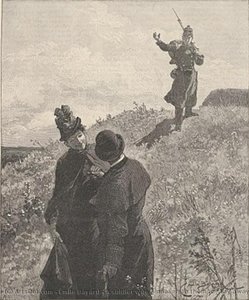
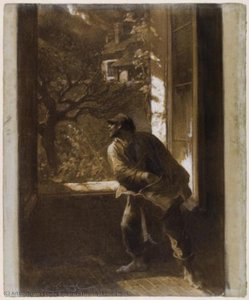
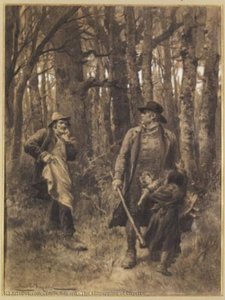
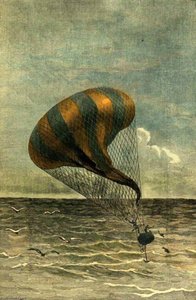
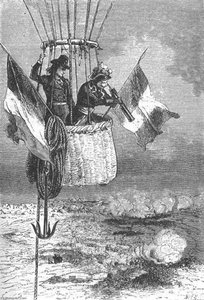
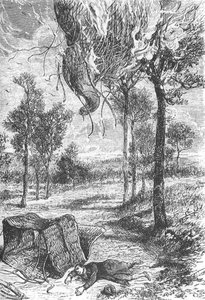
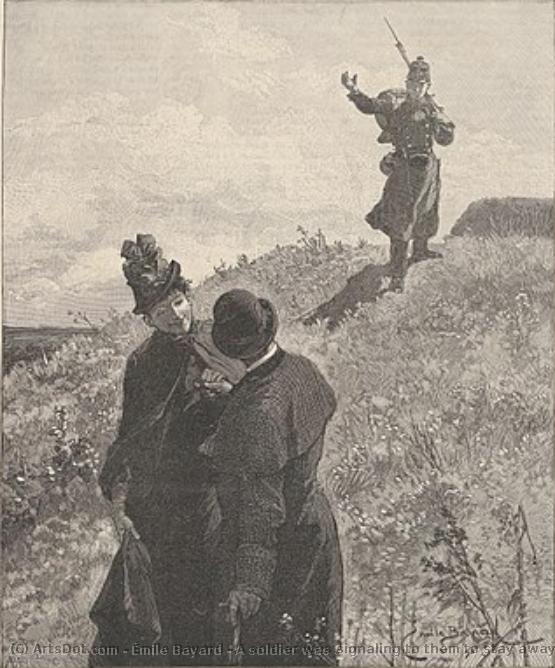
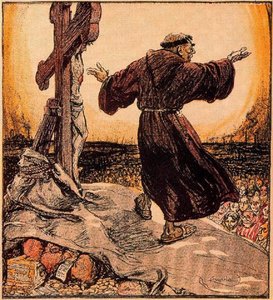
A soldier was signaling to them to stay away


 Read More
Giclée / Art Print
Museum-quality giclée or canvas print with fast production and flexible finish options. ( Buy Hand Made Painting Buy Image)




P118B $10

P118H $10

P118W $10

P438Z $10

P508JH $12

P508YH $12

P805H $10

P805Z $10

P919BZ $10

P919G $10

P919XJ $10

P959ZH $10

P968JZ $12

W106C $8

W218G $10

W218JH $8

W218Y $10

W307PJ $10

W316G $10

W316PJ $8

W316Y $10

W398PJ $8

W4111J $10

W500HY $15

W500JH $15

W692G $12

W849H $8

W940BG $15

W953PJ $8




Pick from our preset sizes that match the artwork's original proportions.

You may enter your own dimensions to fit a specific frame or space. If your selected size does not match the original image's proportions, we will either crop the artwork or extend the image with a mirrored or solid-fill edge. A digital mockup will be sent for your approval before production begins.
Please note that the on-screen preview does not reflect the actual cropping or extension. Only the mockup will accurately show the final composition.
While custom sizes are available, we recommend selecting a dimension from the predefined list to preserve the original proportions.
Worldwide Delivery () in 2 weeks instead of standard 4/5 weeks. (4 September)

Free Worldwide Express Shipping

High-Quality Linen Canvas

Full Shipping Insurance

Customs Tax Refund Guarantee

True Color Matching Guarantee

60-Day Return Policy (Defects Only)

100% Money-Back Guarantee

Bulk Discount Offer
 Glass option is only available in size under 110 CM

A soldier was signaling to them to stay away
Giclée / Art Print
Reproduction Size
-


Total Price
$ 63
A Soldier's Plea: An Examination of Émile Bayard’s “A Soldier Was Signaling To Them To Stay Away”
Émile Bayard’s 1886 engraving, "A Soldier Was Signaling To Them To Stay Away," stands as a testament to the burgeoning intersection between academic art and narrative illustration during the Belle Époque. More than just a depiction of a pastoral scene—a woman on a hillside with two soldiers—the artwork embodies a complex interplay of tension, vulnerability, and unspoken communication that continues to resonate with viewers today.
Bayard’s stylistic allegiance firmly rests within Academicism, a movement characterized by meticulous realism and adherence to classical ideals. Trained under Léon Cogniet, Bayard meticulously studied the masters—Raphael, Michelangelo, Rembrandt—absorbing their techniques of tonal gradation and anatomical precision. This influence is palpable in the engraving's careful rendering of textures: the rough grass beneathfoot contrasts sharply with the smooth surface of the woman’s hat, mirroring a broader preoccupation with capturing the subtleties of observation.
- Technique: Bayard employed etching and drypoint—a combination that allowed for exceptional tonal control. Drypoint created lines of varying depth, producing rich blacks and subtle gradations that conveyed mood and atmosphere. Subsequent etching added finer lines to refine the image and enhance its visual clarity.
- Historical Context: The engraving emerged from a period marked by anxieties surrounding social change—the rise of industrialization alongside traditional rural life. Bayard’s depiction subtly reflects these tensions, portraying a woman positioned as vulnerable yet resolute against the perceived intrusion of masculine authority.
Symbolism permeates every element of “A Soldier Was Signaling To Them To Stay Away.” The soldier's raised hand serves as a visual metaphor for protection and warning—a gesture intended to safeguard the woman from potential danger. Simultaneously, it represents the limitations imposed by societal expectations on women’s roles during this era.
Furthermore, the hillside setting itself carries significance. Traditionally associated with contemplation and solitude, it underscores the woman's inner strength as she confronts an external challenge. The overcast sky contributes to a sense of unease and foreshadows uncertainty—a reflection of the anxieties prevalent in European society at the time.
Ultimately, Bayard’s engraving transcends mere visual representation; it communicates profound emotional depth. The artwork compels viewers to consider questions of courage, vulnerability, and the importance of safeguarding personal autonomy. Its enduring appeal lies in its ability to capture a moment of quiet drama—a plea for understanding amidst shifting social landscapes.
Reproductions of “A Soldier Was Signaling To Them To Stay Away” offer an exceptional opportunity to experience Bayard’s masterful technique and artistic vision firsthand. ArtsDot.com provides high-quality prints that faithfully recreate the engraving's nuanced tonal palette and intricate linework, allowing collectors and interior designers alike to appreciate its beauty and intellectual richness.
Related Artworks
Artist Biography
A Bridge Between Worlds: The Life and Art of Émile Bayard
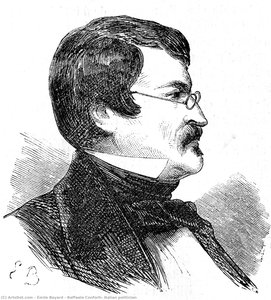
Émile-Antoine Bayard, born in the tranquil French town of La Ferté-sous-Jouarre in 1837, emerged as a pivotal figure in 19th-century illustration. He wasn’t merely a recorder of his time but an active participant in shaping how stories were told and visualized—a bridge between the established traditions of academic art and the burgeoning world of modern visual storytelling. Bayard's journey began with formal training under Léon Cogniet, beginning in 1853, where he spent five years honing his skills. Even as a young student, a creative spark ignited within him; at just fifteen years old, he began publishing cartoons under the intriguing pseudonym *Abel de Miray*, hinting at the artistic ambition that would define his life. This early foray into publication wasn’t simply youthful experimentation but a declaration of intent—a desire to communicate and connect with an audience through imagery.From Diverse Techniques to Literary Visions
The years between 1857 and 1864 were formative for Bayard, a period dedicated to exhaustive exploration across various artistic mediums. He immersed himself in charcoal drawings, paintings, watercolors, woodcuts, engravings, and lithographs—a deliberate attempt to master the diverse tools available to a visual artist. This foundational period wasn’t about finding one definitive style but rather building a versatile skillset that would later become his hallmark. It allowed him to approach each project with a nuanced understanding of how different techniques could best serve the narrative at hand. As photography began its ascent, challenging the role of documentary illustration, Bayard astutely recognized the shifting landscape and skillfully pivoted towards illustrating novels—a realm where artistic interpretation and imagination held immense power. He quickly became sought after for his ability to breathe life into literary worlds.Illustrating a Nation’s Imagination
From 1864 onward, Bayard's career blossomed as an illustrator, initially documenting current events for magazines—including the tumultuous period of the Franco-Prussian War (1870–71). However, it was his work with literary classics that cemented his legacy. He lent his talents to iconic works such as Victor Hugo’s *Les Misérables*, Harriet Beecher Stowe’s *Uncle Tom's Cabin*, Alphonse Daudet’s *L’Immortel*, Daniel Defoe’s *Robinson Crusoe*, and, perhaps most notably, Jules Verne’s *From the Earth to the Moon*. His illustration of Cosette from *Les Misérables* is arguably his most recognizable achievement—an image so powerful that it was later adapted for the logo of the renowned Cameron Mackintosh musical adaptation. But beyond mere representation, Bayard's illustrations possessed a unique ability to capture the emotional core of these stories, resonating deeply with readers and shaping their perceptions of beloved characters and narratives.Pioneering Visions and Lasting Influence
Bayard’s contribution extends far beyond simply illustrating popular novels; he was a true visionary who helped define new artistic frontiers. His artwork accompanying Jules Verne's *From the Earth to the Moon* is considered among the first examples of scientific space art, marking a departure from purely mystical depictions of spaceflight and embracing a more grounded, scientifically informed aesthetic. This pioneering approach laid the groundwork for future generations of science fiction artists, solidifying his place as a significant figure in both illustration history and the early development of science art. His influences were rooted in the academic style imparted by Léon Cogniet, but Bayard’s work also reflected the changing cultural landscape of 19th-century France—embracing new technologies like lithography and responding to the growing popularity of serialized novels. He understood that illustration wasn't merely about replicating reality; it was about enhancing it, interpreting it, and making it accessible to a wider audience. Émile Bayard passed away in Cairo in 1891, leaving behind a rich legacy of illustrations that continue to captivate audiences today—a testament to his skill, versatility, and enduring ability to bring literary worlds vividly to life through the power of visual storytelling.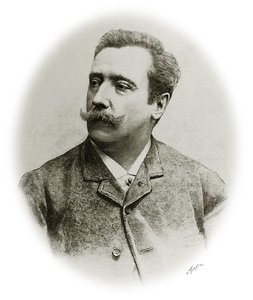
Émile Bayard
1837 - 1891 , France
Quick Facts
- Artistic Movement Or Style: Illustration, Romanticism
- Artists Or Movements Influenced By This Artist: ['Science fiction artists']
- Artists Who Influenced This Artist: ['Léon Cogniet']
- Date Of Birth: November 2, 1837
- Date Of Death: December 6, 1891
- Full Name: Émile-Antoine Bayard
- Nationality: French
- Notable Artworks:
- Les Misérables illustrations
- From the Earth to the Moon art
- Cosette illustration
- Place Of Birth: La Ferté-sous-Jouarre, France
Related Articles
Engraving's Golden Age: 10 Masterpieces That Redefined Art | ArtsDot
Journey through art history with our Top 10 Legendary Engravings! Explore masterpieces by Dürer, Rembrandt & Goya. Discover the stories behind these iconic prints and find museum-quality reproductions for your home at ArtsDot.com.
Jean-Georges Béraud: Capturing Parisian Life in the Belle Époque
Explore the captivating world of Jean-Georges Béraud, master painter of Belle Époque Paris. Discover his iconic scenes, artistic evolution, and social commentary. A deep dive into 19th-century French art.
Engraving: A Historical Survey of Technique, Artistic Expression & Enduring Legacy
Explore the rich history of engraving with ArtsDot. Discover techniques, iconic artists like Dürer & Callot, collecting tips, and expert guidance for preserving your art investment. Learn about intaglio printing & more!

The Refined Aesthetic of Victorian Illustration: A Study in Narrative & Technique
Explore the captivating world of Victorian illustration! Discover Pre-Raphaelite influences, key artists like Rossetti & Stephens, and the era's rich narrative detail. A deep dive for art enthusiasts.

Step into Elegance: Discover the Timeless Beauty and Opulence of Belle Époque Art
Immerse yourself in the splendor of Belle Époque art. From Art Nouveau to Impressionism, ArtsDot.com provides exquisite, hand-painted oil reproductions and custom portraits. Discover timeless elegance and expert artistry to elevate your home decor with confidence.