 Preview
 Send
Send Share
Share
 Details

 Download
 Similars
 X-Ray
X-Ray Diaporama
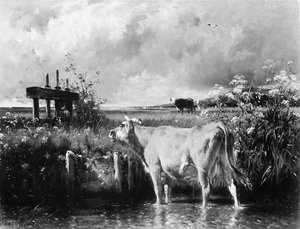
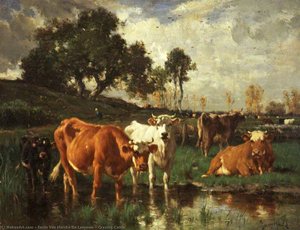
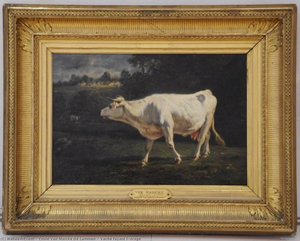
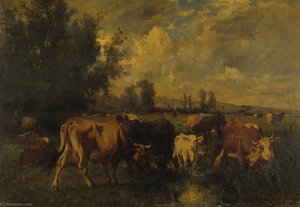
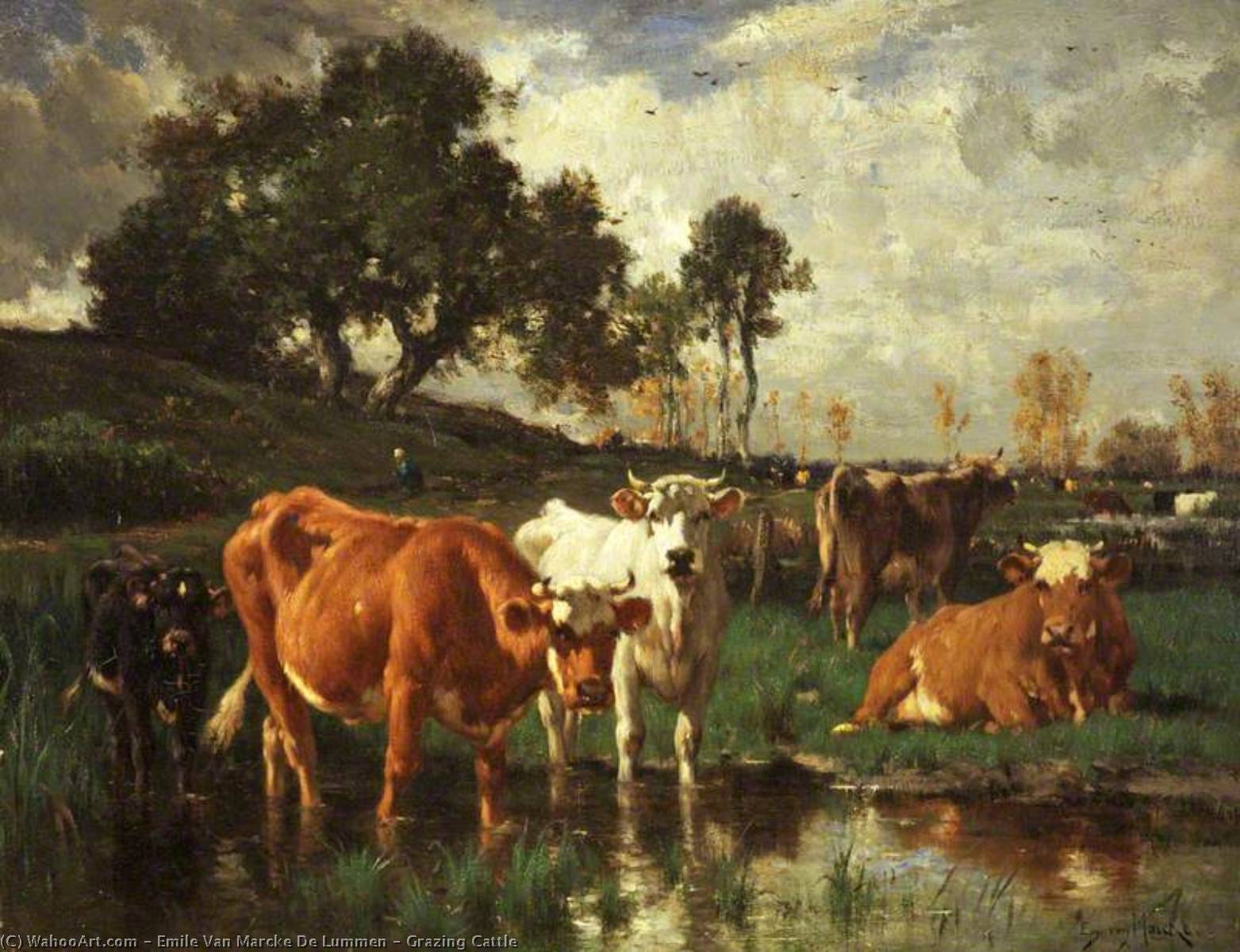
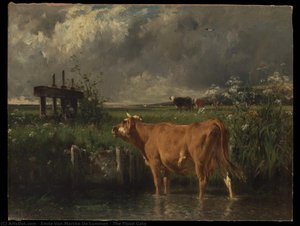
Grazing Cattle
 Romanticism
 61.0 x 66.0 cm
 Read More
Hand Made Oil Reproduction
Hand-painted oil on canvas in your size and frame, made to order by our artists. ( Buy Print Buy Image)




































Pick from our preset sizes that match the artwork's original proportions.

You may enter your own dimensions to fit a specific frame or space. If your selected size does not match the original image's proportions, we will either crop the artwork or extend the painting with additional hand-painted elements. A digital mockup will be sent for your approval before production begins.
Please note that the on-screen preview does not reflect the actual cropping or extension. Only the mockup will accurately show the final composition.
While custom sizes are available, we recommend selecting a dimension from the predefined list to preserve the original proportions.
After order, ArtsDot.com team will email client for instructions and provide a mockup preview
Worldwide Delivery () in 3/4 weeks instead of standard 5 weeks. (17 August). No compromise on quality.

Free Worldwide Express Shipping

High-Quality Linen Canvas

Full Shipping Insurance

Customs Tax Refund Guarantee

True Color Matching Guarantee

60-Day Return Policy (Defects Only)

100% Money-Back Guarantee

Bulk Discount Offer
 Glass option is only available in size under 110 CM

Grazing Cattle
Reproduction Medium
Reproduction Size
-


Total Price
$ 263
Related Artworks
Artist Biography
Émile van Marcke de Lummen: A Shepherd of Light and Pastoral Harmony
Born in Sèvres, France, in 1827, Charles Émile van Marcke de Lummen – later simply known as Émile van Marcke – emerged from a lineage steeped in artistic tradition. His grandfather, Charles van Marcke, was himself a Belgian artist specializing in porcelain painting, and his father, Jean-Baptiste, continued this legacy while also venturing into landscape and animal art. This familial connection to the visual arts provided Émile with an unparalleled foundation, immersing him in techniques and sensibilities from a young age. His early years were spent absorbing the atmosphere of Sèvres’ renowned porcelain factory, a place where he encountered the influence of Troyon, one of the most prominent figures of the Barbizon School, who profoundly shaped his artistic approach – specifically, the emphasis on direct observation of nature.
Van Marcke's artistic journey truly began in 1853 when he joined the ranks of the Sèvres factory. However, recognizing a deeper calling, he soon transitioned to independent painting, dedicating himself to capturing the serene beauty of the French countryside. He was particularly drawn to the Normandy region, where he found an abundance of idyllic pastures and contented livestock – subjects that would become the hallmark of his oeuvre. His work wasn’t merely a depiction of rural life; it was a deliberate attempt to evoke a sense of tranquility, harmony, and timelessness. This pursuit led him to purchase a farmhouse in Boutencourt, establishing a studio where he could immerse himself fully in his chosen subject matter.
The Barbizon School and the Influence of Nature
Émile van Marcke’s artistic development is inextricably linked to the Barbizon School, a movement that championed direct observation of nature as paramount. Rejecting the polished finish and idealized forms favored by earlier academic painters, the Barbizon artists sought to capture the essence of the landscape with honesty and immediacy. Van Marcke wholeheartedly embraced this philosophy, spending countless hours outdoors studying light, color, and composition. His paintings are characterized by a remarkable ability to convey atmosphere – the shimmering heat haze over fields, the soft glow of dawn, the dramatic interplay of light and shadow. He skillfully employed loose brushstrokes and muted colors to create a sense of depth and realism, while simultaneously imbuing his scenes with an almost dreamlike quality.
The influence of Troyon is particularly evident in van Marcke’s early work. Like Troyon, he focused on capturing the textures of animal fur and the subtle nuances of light reflecting off water surfaces. However, Van Marcke developed a distinct style – one that prioritized the emotional resonance of his subjects over mere technical accuracy. His cattle paintings are not simply representations of livestock; they are imbued with a sense of dignity, contentment, and connection to the land.
Notable Works and Recognition
Throughout his career, van Marcke produced a substantial body of work, many of which have been celebrated in prestigious museums across France and beyond. His paintings frequently found their way into the collections of prominent figures such as William T. Walters, John Taylor Johnston, Samuel P. Avery, and even the Vanderbilt family. These collectors recognized the unique beauty and emotional depth of his art. Key works include “The Approach of a Storm (Troupeau de Vaches Passant un Gué),” a captivating depiction of cattle crossing a stream under an impending storm; "Early Morning," showcasing a peaceful scene of cows grazing in a sun-drenched valley; and “Grazing Cattle,” which exemplifies his mastery of capturing the essence of rural life. These paintings, along with others, are testaments to his skill and vision.
Legacy and Historical Significance
Émile van Marcke de Lummen died in Hyeres in 1890, leaving behind a legacy as one of France’s most beloved cattle painters. His work represents a pivotal moment in the transition from academic painting to a more modern approach, emphasizing direct observation and emotional expression. He is considered a key figure within the Barbizon School, contributing significantly to its development and influence. His paintings continue to resonate with viewers today, offering a glimpse into a bygone era of rural tranquility and artistic integrity. His art remains exhibited in museums such as The Art Institute of Chicago, The Walters Art Museum, and the Metropolitan Museum of Art, ensuring that his pastoral visions will endure for generations to come.
émile van marcke de lummen
1827 - 1890
Quick Facts
- Artistic Movement Or Style: Cattle painter
- Artists Who Influenced This Artist: ['Constant Troyon']
- Date Of Birth: 1827
- Date Of Death: 1890
- Full Name: Charles Émile van Marcke de Lummen
- Nationality: French
- Notable Artworks:
- Grazing Cattle
- Early Morning
- Summer Pastoral
- Place Of Birth: Sèvres, France
Related Articles
Idyllic Visions: Exploring the Pastoral Scene in Art History – From Arcadia to Modern Interpretations
Explore the captivating history of pastoral art from classical Arcadia to modern masterpieces. Discover key artists like Millet & Cole at ArtsDot. Find serene landscape paintings for your home.
Idyllic Visions: Exploring the Pastoral Tradition in Western Art – Themes, Techniques & Enduring Appeal
Explore the rich history of pastoral art from classical Arcadia to contemporary interpretations. Discover key artists, themes & collecting tips at ArtsDot.
Evoking Nature's Sublime: A Comprehensive Exploration of 19th-Century Landscape Painting
Explore the captivating world of 19th-century landscape painting! Discover renowned artists like Friedrich & Monet, key movements, and find the perfect artwork to bring nature's serenity into your home. Expert insights at ArtsDot.

Beyond the Horizon: 10 Landscape Masterpieces for Your Home Decor
Journey through 10 breathtaking landscape paintings by Monet, Van Gogh & more! Explore iconic artworks, artistic techniques & find inspiration for your home decor. Museum-quality reproductions at ArtsDot.com. Discover all masterpieces on ArtsDot.com

Evocations of Place: A Historical Journey Through Landscape Art
Explore the rich history of landscape art with ArtsDot. Discover renowned artists, movements like Impressionism & Romanticism, and expert guidance for collecting timeless pieces. Find your perfect serene escape today!