 Preview
 Send
Send Share
Share
 Details

 Download
 Similars
 X-Ray
X-Ray Diaporama
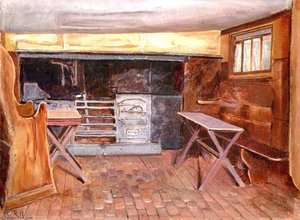
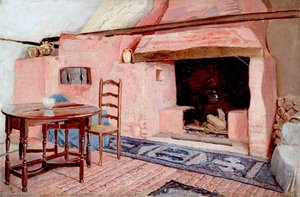
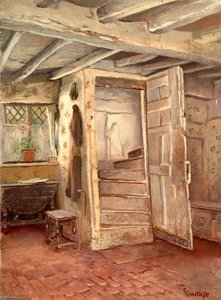
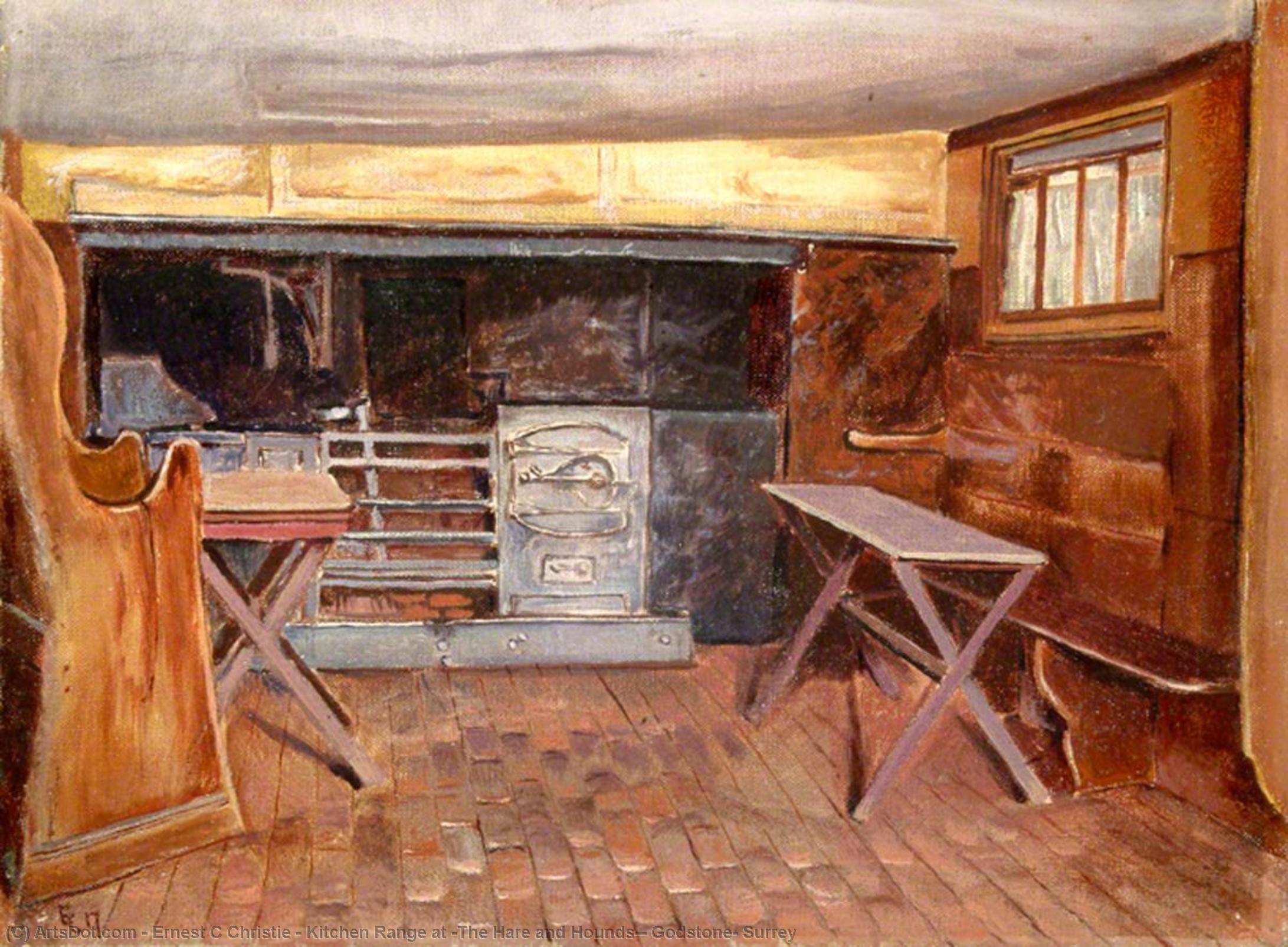
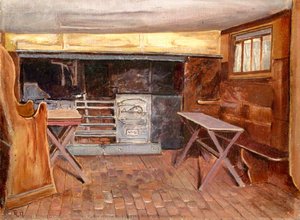
Kitchen Range at 'The Hare and Hounds', Godstone, Surrey
 Contemporary Realism
 1917
1917- Modern
 31.0 x 41.0 cm
 Surrey Archaeological Society
 Read More
Hand Made Oil Reproduction
Hand-painted oil on canvas in your size and frame, made to order by our artists. ( Buy Print Buy Image)




P118B $10

P118H $10

P118W $10

P438Z $10

P508JH $12

P508YH $12

P805H $10

P805Z $10

P919BZ $10

P919G $10

P919XJ $10

P959ZH $10

P968JZ $12

W106C $8

W218G $10

W218JH $8

W218Y $10

W307PJ $10

W316G $10

W316PJ $8

W316Y $10

W398PJ $8

W4111J $10

W500HY $15

W500JH $15

W692G $12

W849H $8

W940BG $15

W953PJ $8




Pick from our preset sizes that match the artwork's original proportions.

You may enter your own dimensions to fit a specific frame or space. If your selected size does not match the original image's proportions, we will either crop the artwork or extend the painting with additional hand-painted elements. A digital mockup will be sent for your approval before production begins.
Please note that the on-screen preview does not reflect the actual cropping or extension. Only the mockup will accurately show the final composition.
While custom sizes are available, we recommend selecting a dimension from the predefined list to preserve the original proportions.
After order, ArtsDot.com team will email client for instructions and provide a mockup preview
Worldwide Delivery () in 3/4 weeks instead of standard 5 weeks. (17 August). No compromise on quality.

Free Worldwide Express Shipping

High-Quality Linen Canvas

Full Shipping Insurance

Customs Tax Refund Guarantee

True Color Matching Guarantee

60-Day Return Policy (Defects Only)

100% Money-Back Guarantee

Bulk Discount Offer
 Glass option is only available in size under 110 CM

Kitchen Range at 'The Hare and Hounds', Godstone, Surrey
Reproduction Medium
Reproduction Size
-


Total Price
$ 263
Artwork Description
A Window into Rural Serenity
In the quiet corners of art history, there exist works that do not shout for attention with grand gestures but instead whisper of the profound beauty found in the mundane. Kitchen Range at 'The Hare and Hounds', Godstone, Surrey, painted by Ernest C. Christie in 1917, is a masterful example of such intimacy. This piece invites the viewer into a domestic sanctuary, capturing a moment of stillness within a functional space. The composition centers on the heavy, reliable presence of the stove top oven, which acts as the hearth and soul of the room. Through Christie’s observant eye, we are not merely looking at a kitchen; we are witnessing the heartbeat of an English inn, where the light from two high windows spills across the surfaces, illuminating the textures of wood, metal, and stone.
The painting serves as a nostalgic portal to a bygone era of craftsmanship and slow living. The arrangement of the dining tables and chairs suggests a space that is lived-in and loved, prepared for the rhythmic arrival of travelers and locals alike. There is a subtle symbolism in the placement of the sink and the sturdy furniture; they represent the enduring traditions of hospitality and the dignity of labor. For the collector or interior designer, this work offers more than just a visual element; it provides an emotional anchor, bringing a sense of warmth, stability, and historical depth to any curated space.
Mastery of Light and Domestic Texture
Christie’s technique is characterized by a meticulous devotion to the nuances of light. In this 1917 work, he employs a soft, naturalistic approach that mimics the gentle diffusion of daylight through aged glass. The way the light interacts with the metallic surfaces of the range and the wooden grain of the tables creates a tactile experience for the viewer. One can almost feel the coolness of the kitchen air and the warmth radiating from the central stove. His brushwork, while precise enough to define the structural elements of the room, retains a painterly softness that prevents the scene from feeling clinical, instead imbuing it with a cozy, atmospheric glow.
The color palette is grounded in earthy, organic tones—muted browns, soft greys, and warm ochres—which harmonize perfectly with the historical context of the Surrey countryside. This understated use of color allows the play of light to become the true protagonist of the piece. For those seeking to enhance a room with art that evokes comfort and peace, this reproduction offers an exquisite opportunity. It is a piece that complements classic, rustic, or even contemporary minimalist interiors by providing a sophisticated layer of storytelling and a timeless connection to the English pastoral tradition.
Related Artworks
Artist Biography
The Quiet Observer: The Life and Art of Ernest C. Christie
In the tapestry of British landscape painting, certain threads do not scream for attention with bold, avant-garde strokes, but instead weave a sense of profound, enduring peace. Ernest C. Christie (1863–1937) was such an artist. A painter of quiet moments, his work serves as a window into a vanished era of English rural life, specifically the rolling, verdant landscapes of Surrey. He did not seek the frantic spotlight of the London art scene; rather, he found his purpose in the meticulous observation of the everyday—the way light falls across a weathered cart shed, or the soft, atmospheric haze settling over a village church. His legacy is one of intimacy, capturing the gentle rhythms of a countryside that felt both permanent and precious.
Christie’s personal history provided a foundation of discipline and a unique perspective on the visual world. Born in 1863, his lineage was marked by intellectual and military distinction. His father, Samuel Hunter Christie, was a respected physicist and mathematician, while his uncle, Archibald Christie, held a prominent position in the British Army and would later become famously linked to the novelist Agatha Christie through marriage. This background of precision and order likely informed the artist's disciplined eye. Though he initially pursued a career in accountancy—a profession requiring rigorous attention to detail—the pull of the visual arts proved irresistible. In his later years, he transitioned fully into painting, bringing with him a structured approach to composition that would define his mature style.
A Mastery of Light and Rural Nostalgia
The essence of Christie’s technique lies in his profound debt to the masters of the Dutch Golden Age. He was deeply moved by their ability to render light not merely as a source of illumination, but as a tangible substance that defines form and mood. This influence is evident in his use of a luminous palette and carefully considered brushwork, which creates an illusion of depth and a palpable sense of tranquility. Whether working in oils or watercolors, Christie possessed the ability to capture the subtle nuances of color—the golden warmth of an afternoon sun hitting a farmyard or the cool, muted tones of a misty morning in the Surrey hills.
His subject matter often focused on the humble and the overlooked, elevating simple structures to subjects of high art. His repertoire includes:
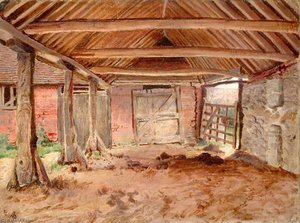
- Architectural Intimacy: Detailed depictions of interior views of cart sheds and rustic kitchen ranges, such as his evocative 1917 scene at 'The Hare and Hons' in Godstone.
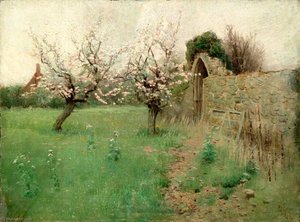
- Ecclesiastical Serenity: Soft, Impressionistic watercolors of local landmarks, including the St John the Baptist Church in Okewood.
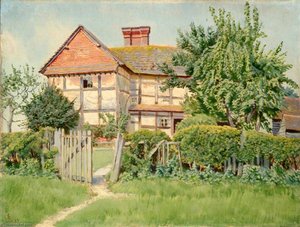
- Pastoral Charm: Nostalgic landscapes featuring thatched cottages near Bletchingley and the tranquil expanses of Volvens Farm in Forest Green.
Through these subjects, Christie achieved a form of visual storytelling that celebrated the dignity of labor and the enduring beauty of the English landscape. His compositions are typically balanced and restrained, avoiding dramatic or jarring transitions in favor of a harmonious flow that invites the viewer to linger within the scene.
Historical Significance and Lasting Impression
While Christie may not have been a revolutionary figure who sought to overturn the traditions of his time, his historical significance lies in his role as a chronicler of a specific, pastoral English identity. His work captures a period of transition, documenting the rural landscapes of Surrey before the rapid industrial and social shifts of the 20th century could fully erode them. There is a profound sense of nostalgia embedded in his canvases—a feeling of looking back at a world of steady, predictable beauty.
Today, Christie’s paintings are cherished not only for their technical proficiency but for the emotional resonance they provide. They offer a retreat into a world of peace, order, and light. For collectors and art enthusiasts, his work remains an invitation to slow down and appreciate the subtle magic found in the most ordinary corners of the earth. He remains a master of the understated, proving that the most powerful artistic statements are often those whispered rather than shouted.
ernest c christie
1863 - 1937
Quick Facts
- Artistic Movement Or Style: Realist Painting
- Artists Or Movements Influenced By This Artist: ['Dutch Golden Age']
- Artists Who Influenced This Artist: ['Samuel Hunter Christie']
- Date Of Birth: 1863
- Date Of Death: 1937
- Full Name: Ernest C Christie
- Nationality: British
- Notable Artworks:
- Thatchers, Surrey
- Interior Cart Shed
- Pollingfold, Surrey
- Place Of Birth: WahooArt, USA
Related Articles

Elevating Interiors: How Murals are Redefining Kitchens and Bathrooms
Transform your kitchen & bathroom with stunning murals! Explore design trends, durable materials & expert advice. Elevate your interiors with 's bespoke mural solutions.

Sir Alfred Munnings' Masterpieces: 25 Paintings That Define Equine Art | ArtsDot
Explore 25 iconic Sir Alfred Munnings paintings! Discover the beauty of British Impressionism, equine art & rural England. Find museum-quality reproductions and elevate your home decor with ArtsDot. Explore the full collection online.
Harmonizing Contrasts: Integrating Abstract Art into Classic Interiors for Timeless Modernity
Elevate your classic home with abstract art! Discover expert tips for seamlessly blending modern pieces into timeless interiors. Find the perfect artwork & design advice at ArtsDot.
Harmonizing History & Hue: A Guide to Matching Art Styles with Interior Architecture for Balanced Décor
Elevate your interior design with our expert guide to harmonizing art styles & architecture. Discover timeless pieces, color palettes, & custom artwork solutions for balanced, luxury spaces. Expert advice included!

John Constable's Masterpieces: Explore 25 Iconic Landscapes for Your Home
Journey through John Constable's 25 most celebrated landscapes. Explore Romanticism, Dedham Vale & his masterful use of light in iconic paintings like 'Hay Wain'. Find museum-quality art reproductions and elevate your home decor on ArtsDot.com.