 Preview
 Send
Send Share
Share
 Details

 Download
 Similars
 X-Ray
X-Ray Diaporama
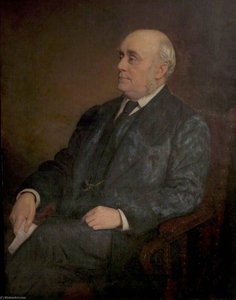
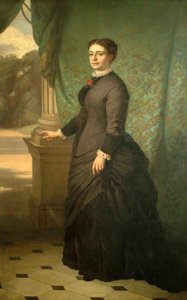
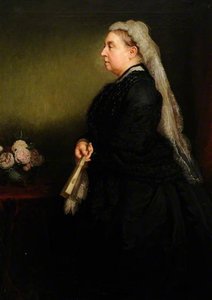
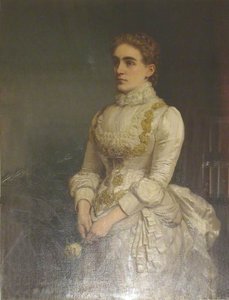
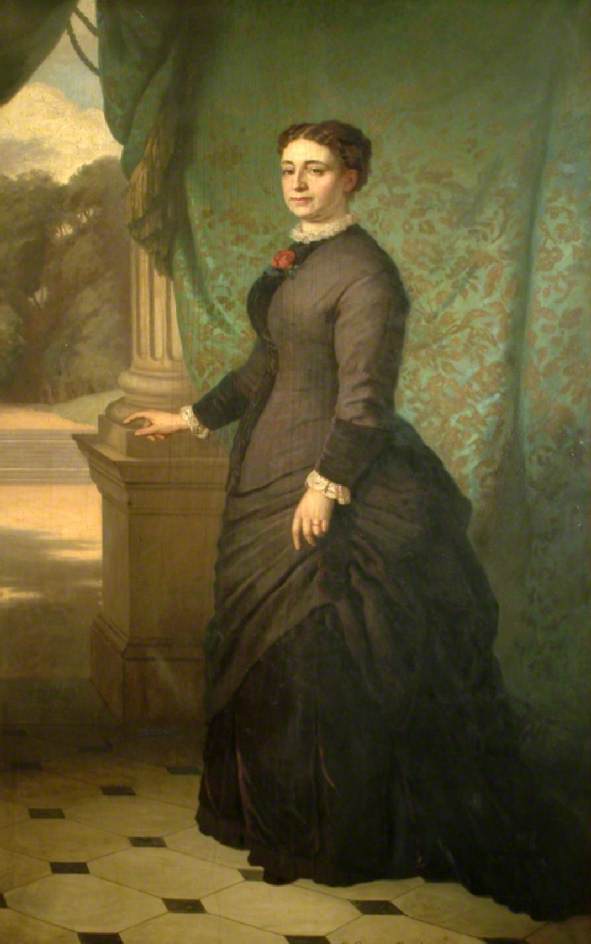
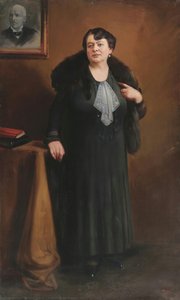
Jane Holloway (posthumous)
 Academic Realism
 1882
1882 214.0 x 153.0 cm
 Royal Holloway
 Read More
Giclée / Art Print
Museum-quality giclée or canvas print with fast production and flexible finish options. ( Buy Hand Made Painting Buy Image)




































Pick from our preset sizes that match the artwork's original proportions.

You may enter your own dimensions to fit a specific frame or space. If your selected size does not match the original image's proportions, we will either crop the artwork or extend the image with a mirrored or solid-fill edge. A digital mockup will be sent for your approval before production begins.
Please note that the on-screen preview does not reflect the actual cropping or extension. Only the mockup will accurately show the final composition.
While custom sizes are available, we recommend selecting a dimension from the predefined list to preserve the original proportions.
Worldwide Delivery () in 2 weeks instead of standard 4/5 weeks. (20 August)

Free Worldwide Express Shipping

High-Quality Linen Canvas

Full Shipping Insurance

Customs Tax Refund Guarantee

True Color Matching Guarantee

60-Day Return Policy (Defects Only)

100% Money-Back Guarantee

Bulk Discount Offer
 Glass option is only available in size under 110 CM

Jane Holloway (posthumous)
Giclée / Art Print
Reproduction Size
-


Total Price
$ 63
Related Artworks
Artist Biography
Ernest Gustave Girardot: A Victorian Portraitist Bridging Realism and Symbolism
Ernest Gustave Girardot (1840 – 1904) stands as a significant figure in late nineteenth-century French art, particularly recognized for his evocative portraits that skillfully blended realism with subtle symbolic undertones—a hallmark of the Symbolist movement. Born into an artistic lineage steeped in tradition, Girardot’s formative years were marked by exposure to influential artists and intellectual currents shaping the aesthetic landscape of his time. His dedication to mastering technique and capturing nuanced emotion cemented his reputation as a respected genre painter alongside his celebrated portrait commissions.- Early Life & Artistic Training: Girardot's upbringing fostered an appreciation for artistic pursuits, though biographical details remain somewhat sparse. He studied at the École Supérieure des Beaux-Arts in Paris under Jean-Léon Gerhardt, absorbing the principles of academic realism—a dominant style during his era—before venturing into more experimental explorations.
- Career Highlights: Girardot’s artistic career blossomed between 1874 and 1904, establishing himself as a member of the Société des Beaux-Arts et de leurs amis. He exhibited extensively at prestigious institutions like the Royal Academy in London, Glasgow Institute of Fine Arts, Royal Hibernian Academy, and Walker Art Gallery in Liverpool, showcasing his mastery of oil paint and meticulous attention to detail.
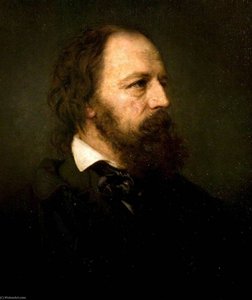
- Notable Commissions & Collaborations: Girardot gained considerable renown through portrait commissions, notably capturing the likenesses of Tennyson and Lady Lytton—works that exemplify his ability to convey psychological depth alongside visual accuracy. Furthermore, he cultivated a fruitful correspondence with James McNeill Whistler, exchanging artistic insights and fostering a connection within the broader Symbolist circle.
- Symbolic Influences & Artistic Style: While firmly rooted in realism, Girardot’s canvases subtly incorporated symbolic elements—drawing inspiration from mythology and biblical narratives—characteristic of the Symbolist aesthetic. His compositions often prioritized mood and atmosphere, prioritizing emotional resonance over mere representation.
Major Paintings & Recurring Themes
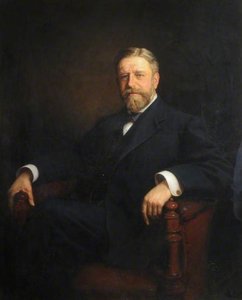
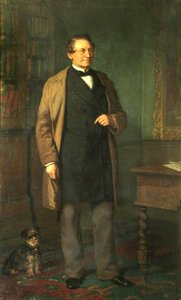
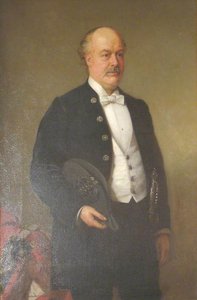
Girardot's oeuvre comprises numerous portraits reflecting the Victorian era’s fascination with capturing individual character and conveying inner life. However, his artistic vision extended beyond mere likeness; he skillfully employed color palettes and textural techniques to imbue his paintings with symbolic significance. Recurring themes explored in his works include contemplation, melancholy, and spiritual yearning—reflecting the anxieties and aspirations of a generation grappling with rapid societal change.- "Thomas Holloway" (1882): This portrait exemplifies Girardot’s meticulous realism, capturing the subject's features with remarkable precision. The subdued color scheme contributes to an atmosphere of quiet dignity.
- "Jane Holloway (posthumous)" (1882): Demonstrating his ability to convey emotion through visual language, Girardot portrays Jane Holloway with sensitivity and nuance—a testament to his artistic prowess.
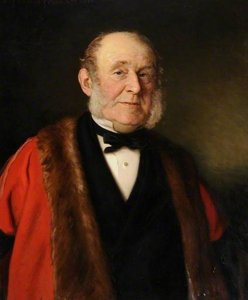
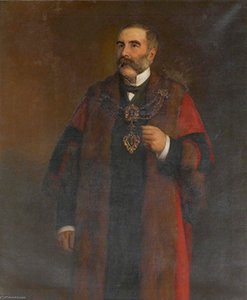
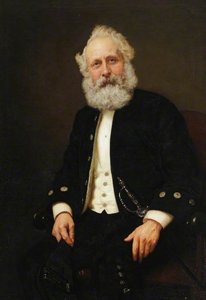
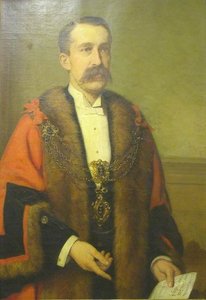
- "Alderman Charles Richardson" (1897): This portrait showcases Girardot’s masterful handling of oil paint, achieving a luminous effect that enhances the subject's presence and conveys an impression of refined elegance.
Legacy & Historical Significance
Ernest Gustave Girardot’s contribution to French art history resides not only in his technical skill but also in his embodiment of the Symbolist movement’s core principles. His paintings serve as valuable documents illuminating Victorian sensibilities and artistic experimentation—a bridge between academic realism and the burgeoning expressive currents of Symbolism. Girardot's enduring influence can be discerned in subsequent generations of artists who embraced similar approaches to portraying human psychology and conveying emotional depth.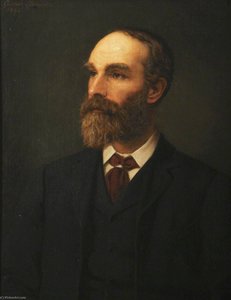
ernest gustave girardot
1840 - 1904
Quick Facts
- Artistic Movement Or Style: Victorian Art
- Artists Or Movements Influenced By This Artist: ['Symbolist Influences']
- Artists Who Influenced This Artist: ['James McNeill Whistler']
- Date Of Birth: 1840
- Date Of Death: 1904
- Full Name: Ernest Gustave Girardot
- Nationality: French
- Notable Artworks:
- Thomas Holloway
- Jane Holloway (posthumous)
- Alderman Charles Richardson
- Place Of Birth: Paris, France
Related Articles
Hablot Knight Browne: Phiz & the Victorian Social Canvas – A Critical Legacy
Explore the life & art of Hablot Knight Browne ('Phiz'), Dickens's iconic illustrator. Discover his masterful social commentary, technical innovations, and enduring legacy in Victorian illustration. A critical examination for history lovers.
John George Brown: Capturing American Life & Sentiment in 19th-Century Genre Painting
Explore the captivating genre paintings of John George Brown, celebrated for his realistic depictions of 19th-century American life. Discover his legacy & find museum-quality reproductions at ArtsDot.
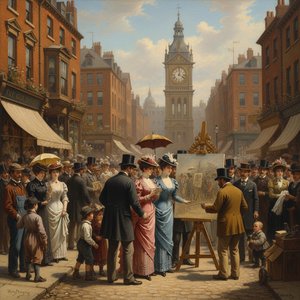
William Powell Frith: Narratives of Victorian Society & the Rise of Realist Painting
Explore the life & works of William Powell Frith, the 'greatest British painter of social scenes.' Discover his iconic Victorian genre paintings and learn about his lasting impact on realist art. Hand-painted reproductions available.
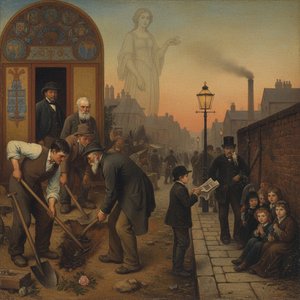
Ford Madox Brown: Pre-Raphaelite Visionary & Victorian Social Commentary
Explore the life & art of Ford Madox Brown, a pivotal Pre-Raphaelite painter renowned for his powerful social commentary and masterpiece 'Work'. Discover his lasting influence on British art history.
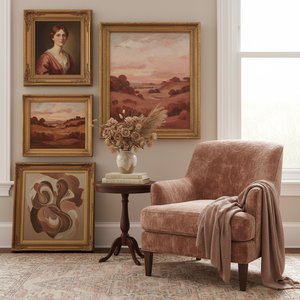
Rosy Brown Hues: 10 Master Paintings & Timeless Decor Ideas |
Explore 10 iconic paintings bathed in captivating rosy brown tones! From Rembrandt to Titian, discover the stories behind these masterpieces & their warm color palettes. Find museum-quality art reproductions and decor inspiration at .