 Preview
 Send
Send Share
Share
 Details

 Download
 Similars
 X-Ray
X-Ray Diaporama
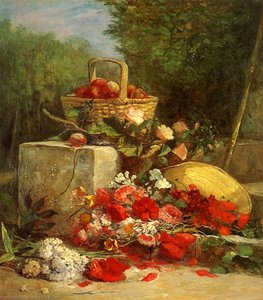
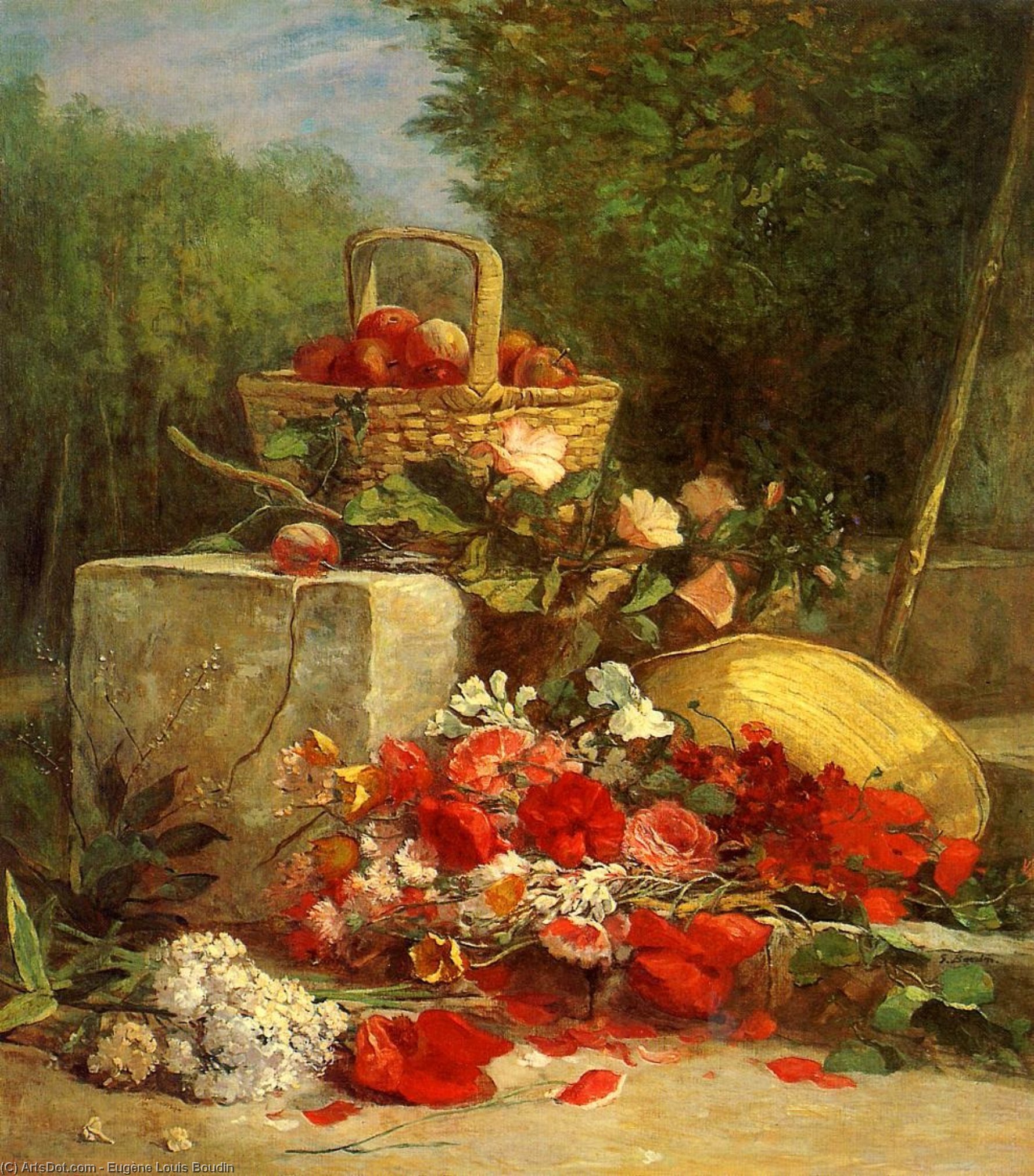
Flowers and Fruit in a Garden


 Read More
Hand Made Oil Reproduction
Hand-painted oil on canvas in your size and frame, made to order by our artists. ( Buy Print Buy Image)




P118B $10

P118H $10

P118W $10

P438Z $10

P508JH $12

P508YH $12

P805H $10

P805Z $10

P919BZ $10

P919G $10

P919XJ $10

P959ZH $10

P968JZ $12

W106C $8

W218G $10

W218JH $8

W218Y $10

W307PJ $10

W316G $10

W316PJ $8

W316Y $10

W398PJ $8

W4111J $10

W500HY $15

W500JH $15

W692G $12

W849H $8

W940BG $15

W953PJ $8




Pick from our preset sizes that match the artwork's original proportions.

You may enter your own dimensions to fit a specific frame or space. If your selected size does not match the original image's proportions, we will either crop the artwork or extend the painting with additional hand-painted elements. A digital mockup will be sent for your approval before production begins.
Please note that the on-screen preview does not reflect the actual cropping or extension. Only the mockup will accurately show the final composition.
While custom sizes are available, we recommend selecting a dimension from the predefined list to preserve the original proportions.
After order, ArtsDot.com team will email client for instructions and provide a mockup preview
Worldwide Delivery () in 3/4 weeks instead of standard 5 weeks. (16 August). No compromise on quality.

Free Worldwide Express Shipping

High-Quality Linen Canvas

Full Shipping Insurance

Customs Tax Refund Guarantee

True Color Matching Guarantee

60-Day Return Policy (Defects Only)

100% Money-Back Guarantee

Bulk Discount Offer
 Glass option is only available in size under 110 CM

Flowers and Fruit in a Garden
Reproduction Medium
Reproduction Size
-


Total Price
$ 263
Artwork Description
Eugène Boudin’s “Flowers and Fruit in a Garden”: A Celebration of Natural Abundance
Eugène Louis Boudin's "Flowers and Fruit in a Garden," painted in 1869, is more than just a still life; it’s an intimate invitation into the heart of a tranquil garden. This oil on canvas masterpiece, born from Boudin’s profound connection to the natural world – nurtured by his father’s seafaring life – captures a moment of serene beauty with remarkable sensitivity and skill. The painting immediately draws the eye to a bountiful basket overflowing with ripe apples and oranges, resting upon a weathered stone wall, a classic composition that speaks volumes about the artist's understanding of light and form. Scattered around this central tableau are additional apples, suggesting an abundance that extends beyond the immediate visual field, inviting contemplation on themes of plenty and harvest.
A Masterclass in Impressionistic Technique
Boudin’s mastery lies not just in his subject matter but also in his execution. The painting exemplifies the burgeoning techniques of Impressionism, particularly evident in his use of broken brushstrokes and a focus on capturing fleeting moments of light. Notice how he doesn't meticulously render each apple or flower; instead, he employs short, vibrant strokes to convey texture and luminosity. This technique creates an almost shimmering effect, imbuing the scene with a palpable sense of freshness and vitality. The rich colors – deep reds, warm yellows, and verdant greens – are applied with a confident hand, reflecting Boudin’s keen observation of color relationships within nature. The oil on canvas medium allows for layering and blending, contributing to the painting's depth and complexity.
Historical Context and Artistic Influences
"Flowers and Fruit in a Garden" was created during a pivotal moment in art history – the rise of Impressionism. Boudin, though influenced by earlier masters like Jean-Baptiste Camille Corot, forged his own path, prioritizing direct observation and capturing the subjective experience of light and color. His work aligns with the broader movement’s rejection of academic conventions and its embrace of plein air painting (painting outdoors). The inclusion of a potted plant in the background subtly reinforces this connection to nature, a recurring theme within Boudin's oeuvre and a hallmark of the era’s artistic sensibilities. The painting resides at the Musee Eugene Boudin in France, a testament to his enduring legacy.
Symbolism and Emotional Resonance
Beyond its technical brilliance, "Flowers and Fruit in a Garden" resonates with deeper symbolic meanings. The abundance of fruit represents prosperity, fertility, and the cyclical nature of life. The garden itself is a metaphor for paradise – a place of beauty, tranquility, and escape from the pressures of daily existence. Boudin’s ability to evoke such emotions through seemingly simple imagery speaks to his profound understanding of human psychology. The painting's quiet elegance and harmonious composition offer a moment of respite, inviting viewers to pause and appreciate the beauty that surrounds us.
Bringing Boudin Home: High-Quality Reproductions
ArtsDot.com offers meticulously crafted hand-painted reproductions of “Flowers and Fruit in a Garden,” allowing art lovers to experience the beauty of this iconic work firsthand. Each reproduction is created using traditional oil painting techniques, ensuring that it captures the essence of Boudin’s original vision with remarkable fidelity. Whether you are an admirer of Impressionism, a collector seeking to expand your collection, or an interior designer looking for a touch of timeless elegance, a ArtsDot.com reproduction of this masterpiece is sure to bring joy and inspiration to your space.
Related Artworks
Artist Biography
Early Life and Artistic Beginnings
Eugène Louis Boudin, born in the coastal town of Honfleur, France, in 1824, possessed a destiny inextricably linked to the sea. His father, a harbor pilot, instilled within him an early appreciation for the ever-changing moods and captivating beauty of the maritime world. This formative influence would become the cornerstone of Boudin’s artistic vision. Rather than pursuing a traditional academic path, young Eugène began his working life aboard a steamboat traversing between Le Havre and Honfleur at the tender age of ten. It was during these voyages that he first felt compelled to capture the fleeting impressions of light and water with sketches in the margins of his books—the nascent stirrings of a lifelong passion. The family’s subsequent move to Le Havre, where his father established a shop for stationery and picture frames, further immersed Boudin in an artistic environment. He worked alongside his father, eventually opening his own small shop, which brought him into contact with local artists like Constant Troyon and Jean-François Millet, who encouraged his burgeoning talent. These early encounters proved pivotal, steering him away from commerce and towards a dedicated life of painting.Developing a Unique Style: Plein Air Painting and Influences
Boudin’s artistic development was profoundly shaped by several key influences. A crucial turning point came with his introduction to Johan Jongkind, a Dutch painter who championed the practice of en plein air—painting outdoors directly from nature. This revolutionary approach allowed Boudin to capture the ephemeral qualities of light and atmosphere with unprecedented immediacy. He embraced this technique wholeheartedly, becoming adept at rendering the subtle nuances of sky and sea. His style also drew inspiration from the 17th-century Dutch masters, whose meticulous attention to detail and atmospheric perspective resonated deeply with his own artistic sensibilities. Boudin’s pastels, characterized by their summary yet evocative brushwork, quickly garnered recognition. Critics like Charles Baudelaire lauded his ability to convey the essence of a scene with remarkable economy, while Camille Corot affectionately dubbed him “the king of the skies,” acknowledging his mastery of atmospheric effects.Impressionism and Lasting Legacy
Though often categorized alongside the Impressionists, Boudin’s relationship with the movement was nuanced. He participated in the first Impressionist exhibition in 1873, showcasing his work alongside Claude Monet and other avant-garde artists. However, he never fully identified as an “Impressionist,” maintaining a more traditional approach to composition and technique. Nevertheless, his influence on the development of Impressionism was undeniable. Most notably, Boudin served as a mentor to a young Claude Monet, instilling in him a love for painting outdoors and encouraging him to abandon academic conventions in favor of capturing fleeting impressions of light and color. Monet himself credited Boudin with fundamentally shaping his artistic vision, stating that Boudin had “torn the veil from my eyes” and revealed the true potential of landscape painting. Throughout his career, Boudin received numerous accolades, including a third-place medal at the Paris Salon in 1881 and a gold medal at the 1889 Exposition Universelle. In 1892, he was knighted into the Légion d’honneur—a testament to his enduring contribution to French art.Major Works and Artistic Themes
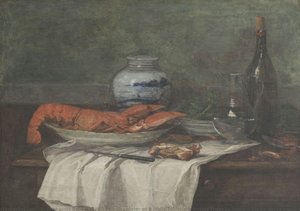
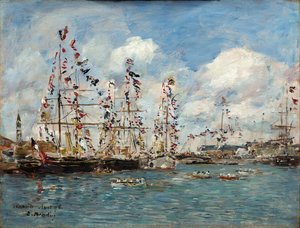
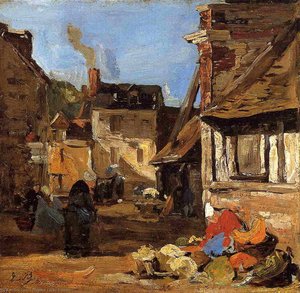
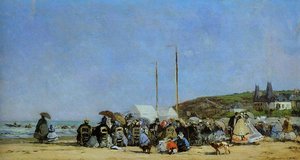
Boudin's oeuvre is characterized by a deep connection to the sea and coastal landscapes of Normandy. Still Life with Lobster on a White Tablecloth, now housed at the High Museum of Art in Atlanta, exemplifies his somber yet noble approach to still life painting, imbued with a sense of quiet contemplation. His beach scenes, populated with figures enjoying leisurely pursuits, capture the vibrancy and vitality of seaside life. Honfleur, the Saint Catherine Market Place, showcases his skill at depicting bustling urban environments bathed in natural light. Throughout his work, Boudin consistently explored themes of transience, atmosphere, and the interplay between humanity and nature. He possessed an exceptional ability to convey the subtle shifts in weather and light, creating paintings that evoke a powerful sense of place and mood. His dedication to capturing these fleeting moments solidified his reputation as a master of atmospheric perspective and a pioneer of plein air painting.Final Years and Enduring Influence
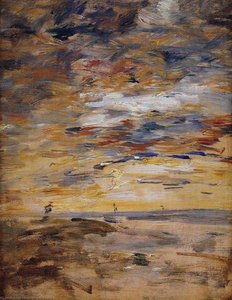
In his later years, Boudin continued to travel extensively, seeking inspiration in Belgium, the Netherlands, and southern France. He also made several visits to Venice, captivated by its unique light and architectural beauty. Despite facing health challenges, he remained remarkably productive, consistently exhibiting his work and mentoring younger artists. Eugène Louis Boudin passed away in 1898 at Deauville, overlooking the English Channel that had so profoundly shaped his life and art. His legacy extends far beyond his own paintings; the Eugène Boudin Prize, awarded by the Société Nationale des Beaux-Arts, stands as a lasting tribute to his enduring influence on generations of artists. Today, his works are celebrated in museums worldwide, including the Musée d’Orsay in Paris, which houses several of his most iconic paintings, such as Landscape with Sunset. Boudin's remarkable career serves as a testament to the power of observation, the beauty of nature, and the enduring allure of the sea.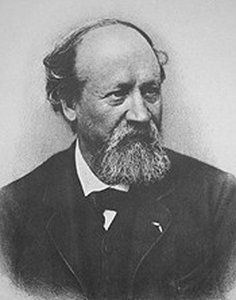
Eugène Louis Boudin
1824 - 1898 , France
Quick Facts
- Artistic Movement Or Style: Impressionism
- Artists Or Movements Influenced By This Artist:
- Claude Monet
- Impressionism
- Artists Who Influenced This Artist:
- Johan Jongkind
- Dutch 17th-century masters
- Date Of Birth: July 12, 1824
- Date Of Death: August 8, 1898
- Full Name: Eugène Louis Boudin
- Nationality: French
- Notable Artworks:
- Still life with lobster
- Landscape with sunset
- Portrait of a little girl
- Dutch Windmills
- Place Of Birth: Honfleur, France
Related Articles
The Bountiful Still Life: Symbolism & Artistic Representation of Fruit Across Art History
Explore the rich history of still life painting & the symbolism of fruit across art movements. Discover masterpieces from Caravaggio to Cézanne with ArtsDot – expert guidance & museum-quality reproductions.

Giclée Prints: Archival Quality & Aesthetic Nuances for the Discerning Collector
Explore the world of giclée prints with ArtsDot. Learn about archival quality, aesthetic nuances & investment potential. Expert guidance for discerning art collectors seeking museum-quality reproductions and lasting value.
Cultivating Paradise: A Historical & Artistic Exploration of Gardens in Painting
Explore the rich history of gardens in painting! Discover masterpieces from Renaissance to Impressionism & beyond. Learn about symbolism, artists like Monet & Klimt, and find your perfect artwork at ArtsDot.
Blossoming Symbolism: A Historical Journey Through Flowers in Western Painting
Explore the rich history of flower symbolism in Western painting! Discover how artists from the Renaissance to Modernism used blossoms to convey meaning, emotion & beauty. Learn about iconic artworks and movements.

The Enduring Legacy of Fine Art Prints: Technique, History & Aesthetic Impact
Explore the rich history & techniques of fine art prints. Discover investment potential, assess authenticity, and learn how to preserve your collection with expert guidance. Trusted insights for discerning collectors.