

 Preview
 Send
Send Share
Share
 Details

 Download
 Similars
 X-Ray
X-Ray Diaporama
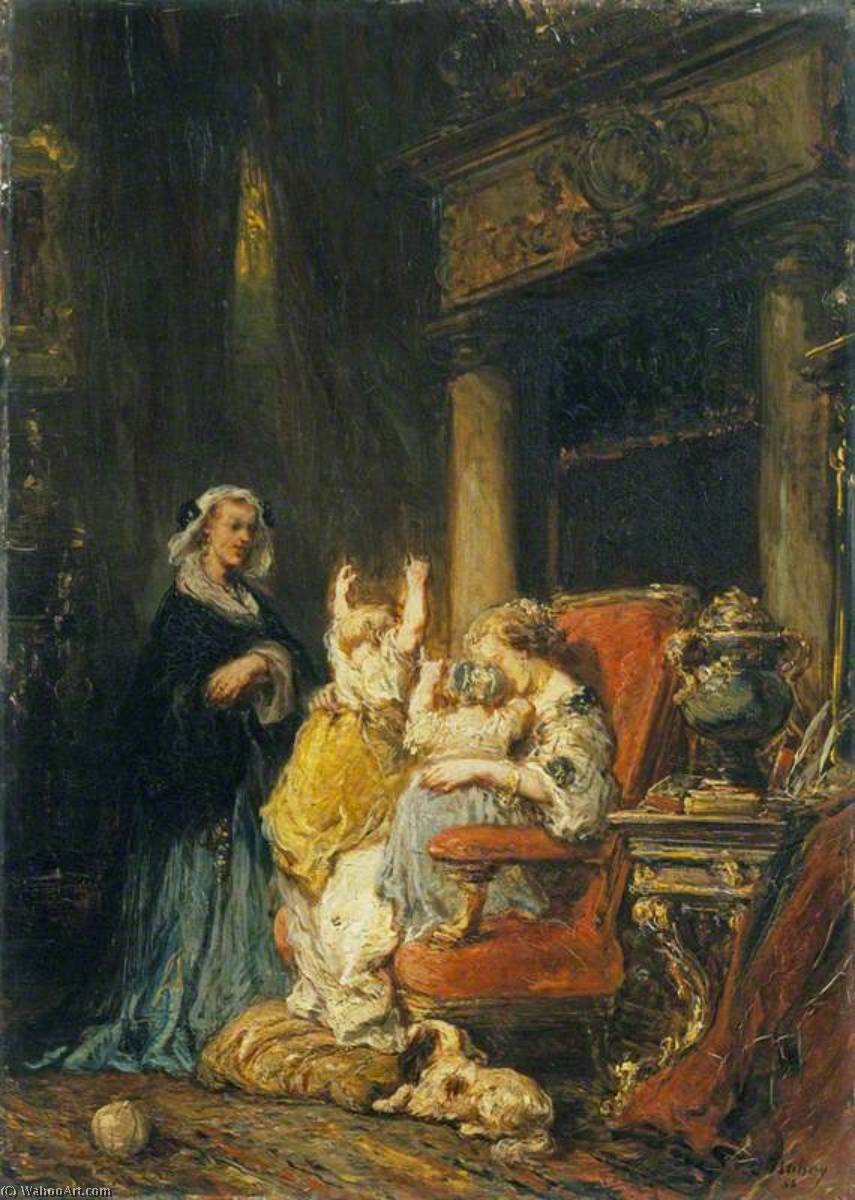
The Young Mother
 Oil On Canvas
- WallArt
- Romanticism
 1852
1852- 19th Century
 42.0 x 30.0 cm
 The Wallace Collection
 Read More
Purchase a high-resolution, enhanced digital image, far superior to the online preview.
Each file is meticulously prepared by our in-house specialists using advanced tools and expert manual retouching. We ensure every image has exceptional clarity, precise color accuracy, and fine detail.
The final file is delivered via email within 72 hours, optimized for immediate use in professional, editorial, and print environments. This is the same quality trusted by top-tier design studios, publishers, and galleries.
Digital Image
Download a high-resolution file for personal display, printing, and creative projects. ( Buy Print Buy Hand Made Painting)
Included in Every Digital Image Order
Expert Digital Delivery, Guaranteed
When you choose ArtsDot.com, you're not just getting an image - you're receiving a professionally enhanced digital artwork, crafted with precision and backed by a satisfaction guarantee. Here's everything that comes with your order, automatically:

Fast Email Delivery
Your high-resolution digital image file will be emailed to you within 72 hours of ordering - ready for immediate use.

AI-Enhanced Digital File
Your artwork is professionally optimized using advanced AI tools and manual editing, ensuring maximum detail, clarity, and color accuracy.

Free Lifetime Re-Delivery
Accidentally deleted or lost your file? No worries - we'll resend it to you anytime, free of charge.

No Import Fees - Ever
Enjoy your artwork instantly with zero customs, duties, or delivery fees - digital downloads are always tax-free.

Color Accuracy Guarantee
We ensure your digital image reflects the original colors as closely as possible using professional tools and color management.

60-Day Satisfaction Guarantee
If you're not satisfied with your digital image, we'll revise it or refund 100% within 60 days - no questions asked.

100% Money-Back Guarantee
Not satisfied? Get a full refund within 60 days of receiving your digital file - no questions asked.

Bulk Order Discounts
Buy 3 images, save 10% - Buy 5, save 15% - Buy 10+, save 20%. Great for creative projects, galleries, and agencies.
Collectible Description
A Tender Glimpse into 19th-Century Domesticity
In the quiet, sun-dappled corners of the mid-19th century, few scenes capture the essence of domestic tranquility as poignantly as Eugène Louis Gabriel Isabey’s The Young Mother. Painted in 1852, this exquisite oil on canvas serves as a window into a world of profound intimacy and maternal devotion. The composition centers on a young woman seated in a vibrant red chair, her form cradling a child with a grace that transcends the mere depiction of a moment. As she holds her infant, the presence of another figure nearby—perhaps an attentive companion or a caregiver—adds a layer of communal warmth to the scene. This is not merely a portrait of a person, but a portrait of a feeling: the soft, protective instinct that defines the bond between mother and child.
The setting itself tells a story of comfort and lived-in elegance. Scattered throughout the room are subtle details that invite the viewer to linger; books resting near the edge of the frame suggest a life of intellect and quiet reflection, while two loyal dogs rest at the woman's feet, grounding the scene in a sense of domestic peace. A bowl placed centrally may hold nourishment for the animals or perhaps a small refreshment for the household, reinforcing the theme of care and sustenance. For the collector or interior designer, this painting offers more than just visual beauty; it provides an emotional anchor, bringing a sense of timeless stability and warmth to any curated space.
Mastery of Light and Romantic Technique
Isabey, a master deeply rooted in the French Romantic tradition, employs a technique that is as much about atmosphere as it is about form. His brushwork in The Young Mother is characterized by a gentle, fluid motion that avoids harsh outlines, opting instead for soft transitions of color that mimic the hazy, dreamlike quality of a cherished memory. The artist’s ability to manipulate light is particularly striking; the way the illumination catches the textures of the clothing and the plushness of the furniture creates a tactile experience for the observer. This delicate handling of oil paint allows the intricate patterns of the room's furnishings to emerge naturally, contributing to the painting's overall sense of richness.
While Isabey is often celebrated for his dramatic maritime landscapes and tempestuous seascapes, this particular work showcases his profound ability to master the "genre" style—the depiction of everyday life. Here, the drama is not found in a shipwreck or a storm, but in the subtle shifts of shadow across a mother's face and the quiet stillness of a room at rest. The color palette, dominated by warm tones and punctuated by the striking red of the chair, works in harmony to evoke a sense of tranquility. For those seeking to adorn a home with art that inspires peace, this reproduction captures the very soul of 19th-century French elegance, making it an incomparable choice for high-end decor.
A Legacy of Intimacy and Artistry
To understand The Young Mother is to understand the lineage of French Romanticism. Born into a prestigious artistic family, Isabey carried the weight of tradition while forging a path that would eventually influence legendary painters like Boudin and Jongkind. This painting stands as a testament to his versatility—a departure from the salt spray of the ocean toward the soft light of the nursery. It captures a historical moment where the domestic sphere was viewed through a lens of idealized beauty and emotional depth.
Owning a high-quality reproduction of this masterpiece allows for the preservation of this delicate history within a modern context. Whether placed in a grand library or a cozy family sitting room, the painting acts as a conversation piece that bridges the gap between the 1850s and the present day. It invites all who gaze upon it to pause, breathe, and reconnect with the universal themes of love, protection, and the enduring beauty of the quiet moments in life.
Related Artworks


Artist Biography
Eugène Louis Gabriel Isabey: A Romantic Master of Marine Landscapes
Eugène Louis Gabriel Isabey (1803-1886) stands as a pivotal figure in French Romantic painting, particularly renowned for his breathtaking depictions of the sea and coastline. Born into a family steeped in artistic tradition – his father, Jean-Baptiste Isabey, was himself a celebrated painter favored by the imperial court – Isabey’s early life foreshadowed a creative destiny. Initially drawn to seafaring adventures, he swiftly recognized that his true vocation lay within the realm of art, spurred on by his father's insistence against pursuing a more conventional path. This decision proved transformative, propelling him toward intensive study at the Louvre and collaborative endeavors with fellow landscape artist Xavier Leprince in Honfleur, establishing a formative partnership that would endure until Leprince’s untimely demise.- Early Training & Influences: Isabey's artistic education began under his father’s tutelage, where he diligently absorbed the stylistic principles of Old Masters like Rembrandt and Vermeer. The Louvre served as a crucible for honing his observational skills and developing an appreciation for tonal harmony—a technique that would become characteristic of his oeuvre.
- Honfleur & Collaboration: His association with Leprince at Honfleur proved invaluable, fostering a shared passion for capturing the dramatic beauty of Brittany’s coastline. Together, they produced canvases brimming with atmospheric perspective and nuanced color palettes, reflecting the burgeoning Impressionist movement's nascent explorations of light and shadow.
- Salon Exhibitions & Recognition: Isabey debuted his artistic talent at the Salon in 1831, garnering initial acclaim for landscapes showcasing the naval campaign in Morocco—a journey undertaken with Eugène Delacroix, whose influence extended beyond mere companionship; Delacroix’s bold experimentation with color and brushwork undoubtedly shaped Isabey's evolving style.
Royal Patronage & Artistic Evolution
Isabey ascended to prominence during Louis-Philippe’s reign (1830-1848), securing a prestigious position as court painter—a distinction symbolized by his knighthood in the Légion d'honneur. This patronage afforded him access to influential circles and fueled his artistic ambition, resulting in monumental canvases like “The Return of Napoleon from Elba,” commemorating Napoleon Bonaparte’s triumphant return from exile aboard the Belle Poule. During this period, Isabey embraced a more expressive approach, prioritizing dramatic lighting and emotive color combinations—a stylistic hallmark that distinguishes him from earlier Romantic painters. Notably, he studied Turner's masterful handling of atmospheric effects, recognizing the power of tonal gradation to convey mood and grandeur.- Notable Paintings: Among Isabey’s most celebrated works are “Rocks at Saint-Malo,” “Fishing Boats on a Beach,” and “The Return of Napoleon from Elba,” each demonstrating his exceptional ability to render the subtleties of marine landscapes with remarkable precision and emotional resonance.
- Teaching & Mentorship: Recognizing the importance of artistic transmission, Isabey established a studio where he nurtured the talents of aspiring artists—including Eugène Boudin, Johan Barthold Jongkind, and Durand-Brager—solidifying his legacy as a formative influence on subsequent generations of painters.
Legacy & Historical Significance
Isabey’s contribution to French Romantic art transcends mere stylistic innovation; he embodies the spirit of the era's fascination with nature and its exploration of psychological depth. His canvases serve as windows into a bygone world, capturing not only visual splendor but also the emotional complexities inherent in human experience—particularly the anxieties surrounding change and uncertainty. Isabey’s unwavering dedication to his craft and his enduring influence on fellow artists cemented his place among the luminaries of 19th-century art, ensuring that his evocative depictions of the sea continue to captivate audiences today. He remains a testament to the transformative power of artistic passion and the indelible mark left by those who strive to capture the sublime beauty of the natural world.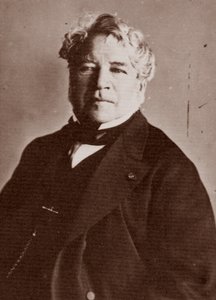
eugène louis gabriel isabey
1803 - 1886 , France
Quick Facts
- Artistic Movement Or Style: Romanticism
- Artists Or Movements Influenced By This Artist: ['Claude Joseph Vernet']
- Artists Who Influenced This Artist:
- Jean Auguste Dominique Ingres
- Jacques-Nicolas Augustin Cochin
- Date Of Birth: Paris, France (1803)
- Date Of Death: 1886
- Full Name: Eugène Louis Gabriel Isabey
- Nationality: French
- Notable Artworks:
- L'embarquement de l'Amiral Ruyter
- Rocks at Saint-Malo
- Fishing Boats on a Beach
- Place Of Birth: Paris

