 Preview
 Send
Send Share
Share
 Details

 Download
 Similars
 X-Ray
X-Ray Diaporama
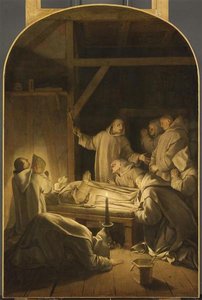
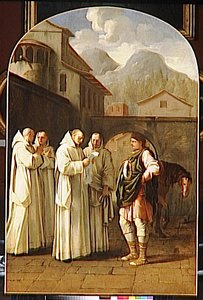
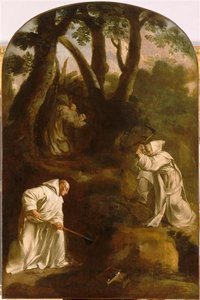
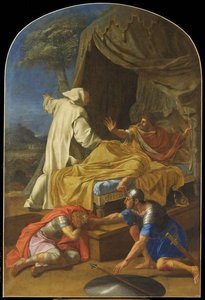
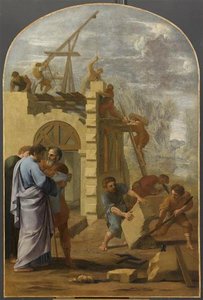
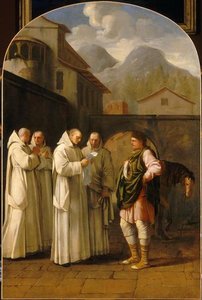
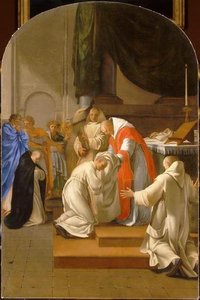
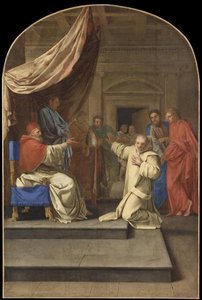
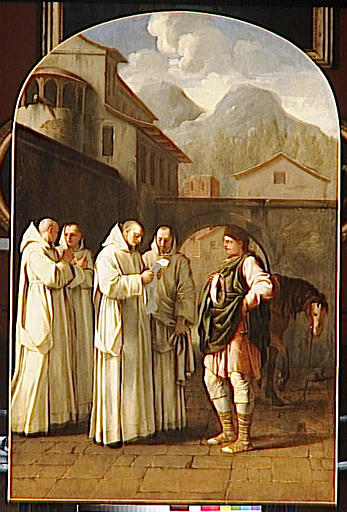
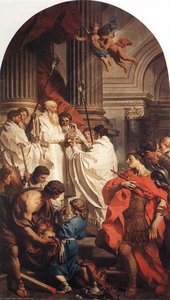
LE PAPE VICTOR III CONFIRME L'INSTITUTION DES CHARTREUX


 Read More
Hand Made Oil Reproduction
Hand-painted oil on canvas in your size and frame, made to order by our artists. ( Buy Print Buy Image)




P118B $10

P118H $10

P118W $10

P438Z $10

P508JH $12

P508YH $12

P805H $10

P805Z $10

P919BZ $10

P919G $10

P919XJ $10

P959ZH $10

P968JZ $12

W106C $8

W218G $10

W218JH $8

W218Y $10

W307PJ $10

W316G $10

W316PJ $8

W316Y $10

W398PJ $8

W4111J $10

W500HY $15

W500JH $15

W692G $12

W849H $8

W940BG $15

W953PJ $8




Pick from our preset sizes that match the artwork's original proportions.

You may enter your own dimensions to fit a specific frame or space. If your selected size does not match the original image's proportions, we will either crop the artwork or extend the painting with additional hand-painted elements. A digital mockup will be sent for your approval before production begins.
Please note that the on-screen preview does not reflect the actual cropping or extension. Only the mockup will accurately show the final composition.
While custom sizes are available, we recommend selecting a dimension from the predefined list to preserve the original proportions.
After order, ArtsDot.com team will email client for instructions and provide a mockup preview
Worldwide Delivery () in 3/4 weeks instead of standard 5 weeks. (30 August). No compromise on quality.

Free Worldwide Express Shipping

High-Quality Linen Canvas

Full Shipping Insurance

Customs Tax Refund Guarantee

True Color Matching Guarantee

60-Day Return Policy (Defects Only)

100% Money-Back Guarantee

Bulk Discount Offer
 Glass option is only available in size under 110 CM

LE PAPE VICTOR III CONFIRME L'INSTITUTION DES CHARTREUX
Reproduction Medium
Reproduction Size
-


Total Price
$ 363
A Moment Frozen in Divine Decree
In the evocative masterpiece Le Pape Victor III Confirme l'Institution des Chartreux, the viewer is transported to a pivotal era of spiritual and historical significance. The painting captures a profound moment of ecclesiastical authority, where the weight of papal decree meets the quiet devotion of monastic life. Set against a sweeping Italian landscape, the scene unfolds with a sense of theatrical gravity, as if we have stumbled upon a sacred conversation in progress. A group of monks, draped in the stark, symbolic white of their order, gathers in a solemn assembly, their presence anchored by the central figure of a young man who stands as a bridge between the lay world and the cloistered life. This encounter is not merely a historical record but a window into the very soul of 17th-century piety, where every gesture and gaze carries the weight of divine purpose.
The artistry of Eustache Le Sueur shines through a masterful command of Baroque realism, utilizing a technique that breathes life into the canvas. The composition is anchored by a dramatic use of chiaroscuro, where brilliant highlights dance across the folds of white robes and the faces of the figures, emerging from deep, velvety shadows. This interplay of light and dark does more than create volume; it directs the eye through the narrative, leading us from the architectural arches of the monastery to the distant, hazy mountains that fade into an atmospheric blue. The color palette is a sophisticated study in earthy elegance, dominated by rich ochres, muted grancites, and deep browns, which lends the work an enduring sense of stability and timelessness. Such meticulous detail makes this piece an extraordinary choice for collectors who appreciate the textural depth and classical rigor of the French Baroque period.
Symbolism and the Spirit of the Baroque
Beyond its visual splendor, the painting serves as a complex tapestry of religious symbolism. The very presence of the Carthusian monks, with their distinctive habit, speaks to a life of solitude, silence, and rigorous contemplation. The interaction between the clergy and the young visitor suggests a moment of transition or petition, perhaps symbolizing the way divine institutions reach out to touch the secular world. Even the subtle inclusion of a horse and cart in the periphery adds a layer of narrative realism, grounding this high spiritual drama in the tangible reality of 17th-century life. The architectural elements—the sturdy arches and stone structures—act as metaphors for the enduring strength and permanence of the Church itself.
For the discerning interior designer or art enthusiast, this work offers more than mere decoration; it provides a focal point of profound emotional resonance. The mood is one of quiet solemnity and intellectual curiosity, making it an ideal centerpiece for spaces designed for reflection, such as a private library, a formal study, or a grand salon. A high-quality reproduction of Le Sueur’s work allows the dramatic lighting and historical grandeur of this piece to transform a contemporary environment, infusing it with the prestige of the French Academy and the timeless beauty of a master's vision. To possess such a piece is to invite a conversation about history, faith, and the enduring power of classical light into one's home.
Related Artworks
Artist Biography
A Life Dedicated to Divine Vision: The World of Eustache Le Sueur
Eustache Le Sueur, a name resonating with the fervor and refinement of 17th-century French Baroque painting, stands as a pivotal figure in the nation’s artistic evolution. Born in Paris on November 19, 1617, and passing away within its walls on April 30, 1655, Le Sueur dedicated his life to capturing religious narratives with an increasingly neoclassical sensibility. His journey wasn't one of expansive travel or dramatic personal upheaval; rather, it was a focused ascent within the Parisian art world, culminating in his role as a founding member of the prestigious French Academy of Painting and Sculpture. His father, Cathelin Le Sueur, a skilled turner and wood sculptor, recognized his son’s burgeoning talent early on and apprenticed him to Simon Vouet, then the dominant force in French painting. This foundational training proved crucial, instilling in young Eustache a mastery of draftsmanship and composition that would characterize his entire career.Early Successes and Royal Commissions
Le Sueur rapidly distinguished himself within Vouet’s studio, quickly gaining admittance to the guild of master-painters. His early works, notably those illustrating scenes from the *Hypnerotomachia Poliphili*, a complex allegorical romance, brought him initial recognition. However, it was his series of decorations commissioned for the mansion of Lambert de Thorigny that truly began to establish his reputation. Though these projects were often interrupted by other demands on his time, they showcased Le Sueur’s burgeoning ability to create dynamic compositions and imbue his figures with a sense of dramatic presence. The Louvre itself became a canvas for his ambition, as he undertook several paintings for the royal apartments – works sadly lost to history but documented in inventories of the period. These commissions signaled a growing acceptance within the highest echelons of French society, paving the way for further opportunities and solidifying his position as a sought-after artist. He wasn’t merely executing decorative schemes; he was contributing to the visual language of power and piety that defined the court of Louis XIII and later, Louis XIV.The Founding of the Academy and a Neoclassical Turn
A defining moment in Le Sueur's career arrived with the establishment of the French Royal Academy of Painting and Sculpture in 1648. He was elected as one of the original twelve *elders*, entrusted with guiding the institution’s development and setting standards for artistic excellence. This role wasn’t simply administrative; it reflected a broader shift in Le Sueur's aesthetic sensibilities. He became increasingly drawn to a neoclassical style, characterized by clarity of form, restrained emotion, and a focus on idealized beauty – a departure from the more flamboyant tendencies of earlier Baroque painting. This Parisian Atticism, as it came to be known, emphasized intellectual rigor and a return to classical principles, influencing not only his own work but also shaping the direction of French art for generations to come.The Life of Saint Bruno: A Masterpiece of Devotion
Perhaps Le Sueur’s most enduring legacy lies in his series depicting *The Life of Saint Bruno*, commissioned for the cloister of the Chartreux monastery. These paintings, originally adorning the walls of the abbey, represent a culmination of his artistic vision and technical skill. They are remarkable not only for their narrative power but also for their deeply spiritual quality. Le Sueur’s figures possess a quiet dignity and profound sense of devotion, conveying the ascetic ideals of the Carthusian order with compelling force. The use of *chiaroscuro* – the dramatic interplay of light and shadow – heightens the emotional impact of each scene, drawing the viewer into the world of Saint Bruno and his followers. Despite suffering damage and undergoing restorations over time, these works retain much of their original beauty, offering a glimpse into Le Sueur’s mastery of composition, color, and psychological insight.Legacy and Historical Significance
Eustache Le Sueur's influence extended beyond his own paintings. He trained numerous pupils, including his wife’s brother Theodore Goussé and several of his siblings, fostering a workshop that perpetuated his style and techniques. His drawings, many preserved in the Louvre’s Cabinet des Dessins, demonstrate his exceptional draftsmanship and provide valuable insight into his creative process. While some critics have noted a certain conventionality in his work – a tendency to rely on established types – it is undeniable that Le Sueur played a crucial role in shaping the aesthetic landscape of 17th-century France. He bridged the gap between the earlier Baroque exuberance and the more restrained classicism that would come to define French art under Louis XIV, leaving behind a body of work that continues to inspire awe and admiration. His dedication to religious themes, combined with his technical brilliance and commitment to artistic excellence, secures his place as one of the most important painters of his era.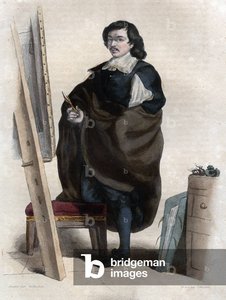
eustache le sueur (lesueur)
1616 - 1655
Quick Facts
- Artistic Movement Or Style: Baroque Painting
- Date Of Birth: November 19, 1617
- Date Of Death: April 30, 1655
- Full Name: Eustache Le Sueur
- Nationality: French
- Notable Artworks:
- DESCENTE DE CROIX
- TERPSICHORE
- VOLUMNIE ET VETURIE DEVANT CORIOLAN
- Place Of Birth: Paris, France
Related Articles
Charles Le Brun: Master of French Baroque Classicism & His Enduring Legacy
Explore the life & art of Charles Le Brun, master of French Baroque Classicism. Discover his royal commissions, influence on Versailles, and enduring legacy through detailed analysis & stunning artworks.
Masterpieces of the 17th Century: Art, History & Decor Inspiration | ArtsDot
Journey through 17th century art with masterpieces by Rembrandt, Vermeer & Caravaggio. Explore Baroque paintings, Dutch Golden Age techniques & timeless beauty. Find museum-quality reproductions and elevate your home decor on ArtsDot.com.
Henri Le Sidaner: Evoking Atmosphere & Intimacy in Post-Impressionist Landscapes
Discover the evocative world of Henri Le Sidaner, a master of Intimist painting. Explore his tranquil landscapes & atmospheric interiors – a celebration of light and intimacy. Learn about his life, style, and lasting legacy.
Vigée Le Brun: Portraiture, Patronage & Feminine Identity in 18th-Century France
Explore the life & art of Louise Élisabeth Vigée Le Brun, Marie Antoinette’s renowned portraitist. Discover her Rococo style, self-portraits, and influence on 18th-century French painting. A deep dive into patronage & feminine identity.
Illuminating Shadows: A Comprehensive Exploration of 17th-Century Painting – Themes, Techniques, and Enduring Legacy
Explore the captivating world of 17th-century painting! Discover Baroque masters like Rembrandt & Caravaggio, learn about chiaroscuro techniques, and delve into Dutch Golden Age realism. Expert insights for art lovers & collectors.