 Preview
 Send
Send Share
Share
 Details

 Download
 Similars
 X-Ray
X-Ray Diaporama
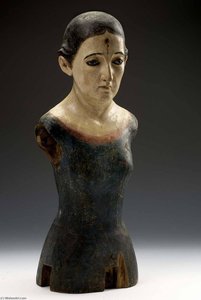
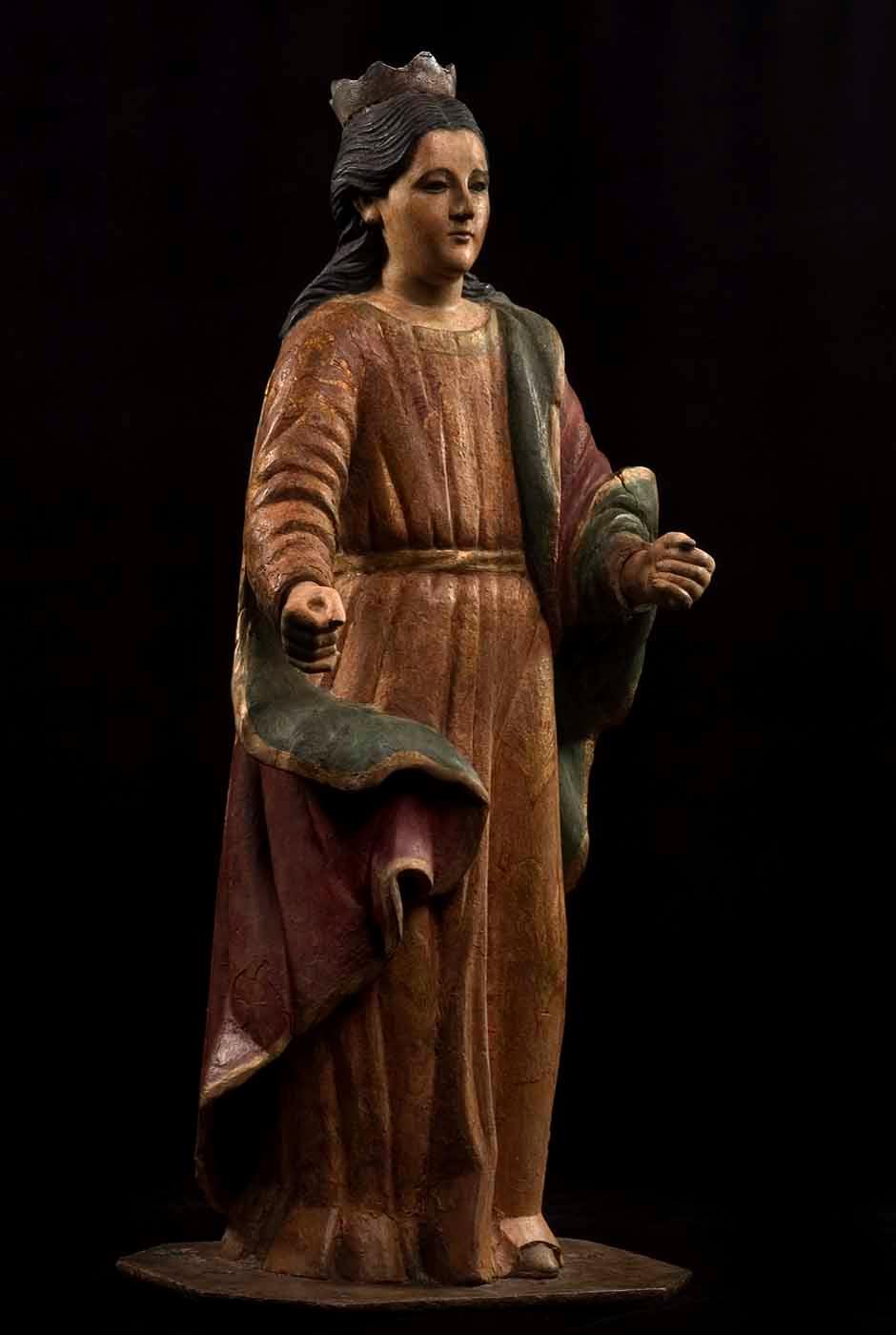
Santa Catalina de Alejandria


 Read More
Hand Made Oil Reproduction
Hand-painted oil on canvas in your size and frame, made to order by our artists. ( Buy Print Buy Image)




































Pick from our preset sizes that match the artwork's original proportions.

You may enter your own dimensions to fit a specific frame or space. If your selected size does not match the original image's proportions, we will either crop the artwork or extend the painting with additional hand-painted elements. A digital mockup will be sent for your approval before production begins.
Please note that the on-screen preview does not reflect the actual cropping or extension. Only the mockup will accurately show the final composition.
While custom sizes are available, we recommend selecting a dimension from the predefined list to preserve the original proportions.
After order, ArtsDot.com team will email client for instructions and provide a mockup preview
Worldwide Delivery () in 3/4 weeks instead of standard 5 weeks. (16 August). No compromise on quality.

Free Worldwide Express Shipping

High-Quality Linen Canvas

Full Shipping Insurance

Customs Tax Refund Guarantee

True Color Matching Guarantee

60-Day Return Policy (Defects Only)

100% Money-Back Guarantee

Bulk Discount Offer
 Glass option is only available in size under 110 CM

Santa Catalina de Alejandria
Reproduction Medium
Reproduction Size
-


Total Price
$ 263
Related Artworks
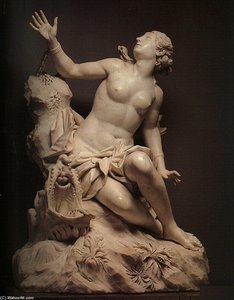
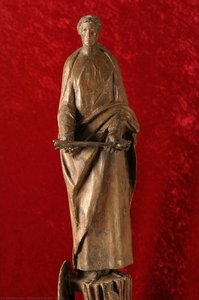
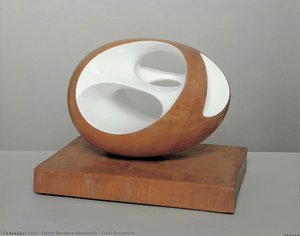
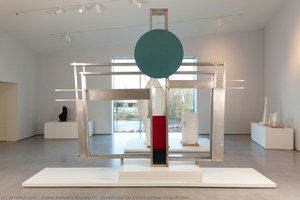
Artist Biography
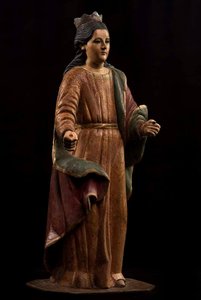
Felipe de la Espada: A Master of Spanish Religious Devotion
Felipe de la Espada (1754-1818) stands as a towering figure in 18th-century Spanish art, particularly renowned for his profoundly moving depictions of saints and religious figures. Born in San Germán, Puerto Rico – a region steeped in Catholic tradition – his artistic journey was deeply intertwined with the fervent piety of his homeland. De la Espada’s work transcends mere representation; he masterfully conveyed spiritual intensity, capturing not just the likenesses of biblical subjects but also their emotional states and devotional fervor. His paintings are characterized by dramatic lighting, rich color palettes, and a palpable sense of immediacy, drawing viewers into an intimate dialogue with the sacred.
De la Espada’s early life remains somewhat shrouded in mystery, though it's understood he received his initial artistic training in Spain. His career gained significant momentum during the reign of King Ferdinand VI, a period marked by a resurgence of religious fervor within the Spanish monarchy. This royal patronage provided him with opportunities to create works for churches and private collections throughout Spain. His style evolved considerably over time, initially influenced by the Baroque masters – particularly Caravaggio – but gradually developing into a distinctly personal and expressive approach. He skillfully blended elements of Baroque drama with a heightened sense of realism and emotional depth.
The Saintly Portraits: San Juan Nepomuceno and Santa Rita de Casia
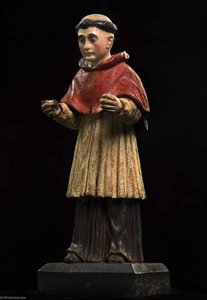
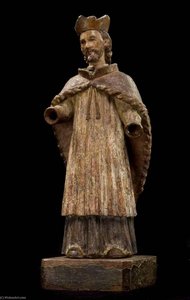
Among De la Espada’s most celebrated works are his portraits of San Juan Nepomuceno and Santa Rita de Casia. These paintings, executed primarily between 1790 and 1818, exemplify the artist's signature style and thematic concerns. San Juan Nepomuceno, often depicted as a humble priest, embodies piety and intercession with God. De la Espada captures his solemnity and quiet devotion through carefully rendered details – the folds of his robes, the expression of earnest prayer on his face, and the subtle play of light across his features. The composition is balanced and dignified, reflecting the saint’s revered status.
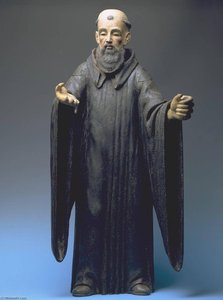
Santa Rita de Casia, a Portuguese Carmelite nun known for her miraculous healing abilities, presents a dramatically different yet equally compelling subject. De la Espada portrays her as a woman of profound suffering and unwavering faith. The painting is imbued with a sense of pathos – the visible wounds on her body, the sorrowful expression in her eyes, and the delicate details of her simple habit all contribute to this powerful emotional impact. The use of red pigments—symbolizing blood and sacrifice—intensifies the scene’s spiritual weight. These paintings are not simply representations; they are windows into the souls of these revered figures, inviting viewers to contemplate their lives and virtues.
Technique and Influences
De la Espada's artistic technique is characterized by a masterful command of chiaroscuro – the dramatic contrast between light and shadow. He employed this technique not merely for aesthetic effect but also to heighten the emotional impact of his compositions, creating a sense of theatricality and spiritual intensity. His use of color is equally deliberate, with rich reds, blues, and golds dominating many of his works, reflecting the opulent nature of religious iconography and the importance of these figures within the Catholic faith.
The artist’s early training in Spain undoubtedly influenced his style, particularly his exposure to the Baroque masters. However, De la Espada developed a unique voice, incorporating elements of realism and emotional expression that set him apart from his contemporaries. He was also deeply affected by the religious fervor of his time, which is evident in the intensity and sincerity of his depictions. The influence of Caravaggio’s dramatic use of light and shadow is particularly noticeable in his early works.
Legacy and Historical Significance
Felipe de la Espada's work holds a significant place in Spanish art history. He was a key figure in the development of religious painting during the late 18th century, contributing to a revival of interest in traditional iconography and devotional themes. His paintings are admired for their technical skill, emotional depth, and spiritual resonance. They offer valuable insights into the religious beliefs and cultural values of Spain during this period.
Today, De la Espada’s works are housed in museums and private collections throughout Spain and beyond. They continue to inspire artists and viewers alike, serving as a testament to the power of art to convey profound spiritual truths. His legacy endures as a reminder of the enduring importance of faith and devotion in Spanish culture.
felipe de la espada
1754 - 1818
Quick Facts
- Artistic Movement Or Style: Baroque painting
- Artists Or Movements Influenced By This Artist: ['Catholic art']
- Artists Who Influenced This Artist: ['Jerónimo Sánchez de Carranza']
- Date Of Birth: 1754
- Date Of Death: 1818
- Full Name: Felipe de la Espada
- Nationality: Spanish
- Notable Artworks:
- Santa Catalina de Alejandria
- San Ramon Nonato
- San Juan Nepomuceno
- Place Of Birth: San Germán, Puerto Rico
Related Articles

Bronze Sculptures That Defined Art History | ArtsDot
Journey through art history with our Top 10 bronze sculptures! Explore masterpieces by Rodin, Michelangelo & more. Discover stories behind iconic statues and find museum-quality reproductions for your home decor at ArtsDot.com.

The Enduring Form: Exploring Themes & Techniques in Sculpture Across Historical Periods
Explore the rich history of sculpture from ancient masterpieces to contemporary innovations. Discover key techniques, influential artists & investment potential for discerning art collectors.
The Enduring Form: Sculpture Across History, Technique & Emotional Resonance
Explore the rich history of sculpture with ArtsDot. Discover key techniques, influential artists & investment potential for discerning collectors. Expert insights into valuing and collecting timeless masterpieces.
Theatricality & Triumph: Baroque Drama in Painting & Sculpture
Explore the dramatic world of Baroque art! Discover its history, defining characteristics, & lasting influence on painting & sculpture. Expert insights into Caravaggio, Zurbarán, and Bernini – plus high-quality reproductions at ArtsDot.
The Golden Age Reforged: Dramatic Realism & Religious Zeal in Spanish Baroque Art
Explore the dramatic world of Spanish Baroque art! Discover masters like Zurbarán & the powerful influence of religious zeal on painting techniques – a guide for collectors and enthusiasts.