 Preview
 Send
Send Share
Share
 Details

 Download
 Similars
 X-Ray
X-Ray Diaporama
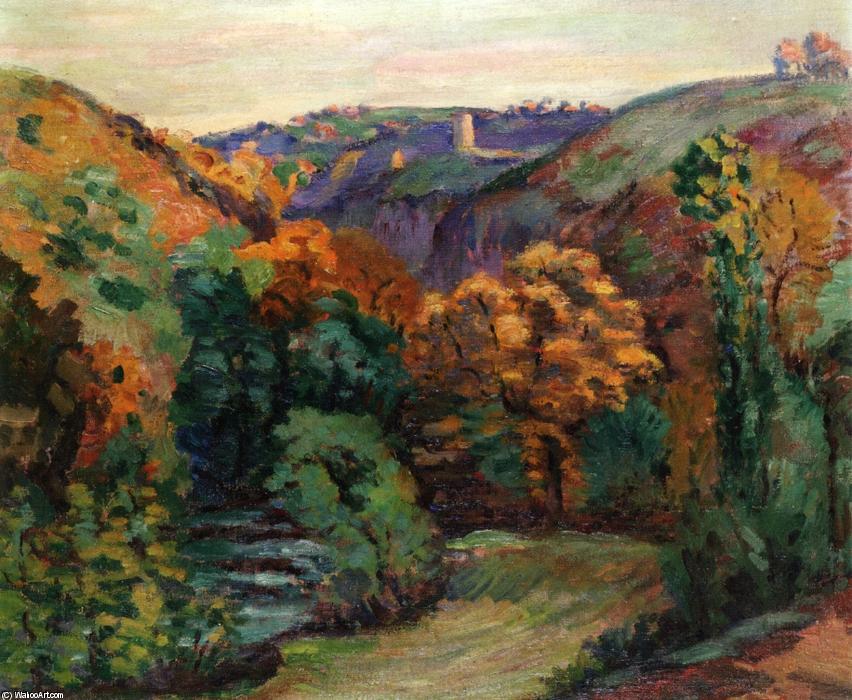
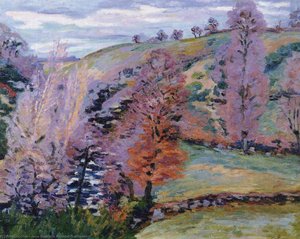
The Ruins of the Chateau at Crozant
 Oil On Canvas
- WallArt
- Impressionism
 1899
1899- 19th Century
 54.0 x 65.0 cm
 Read More
Giclée / Art Print
Museum-quality giclée or canvas print with fast production and flexible finish options. ( Buy Hand Made Painting Buy Image)




P118B $10

P118H $10

P118W $10

P438Z $10

P508JH $12

P508YH $12

P805H $10

P805Z $10

P919BZ $10

P919G $10

P919XJ $10

P959ZH $10

P968JZ $12

W106C $8

W218G $10

W218JH $8

W218Y $10

W307PJ $10

W316G $10

W316PJ $8

W316Y $10

W398PJ $8

W4111J $10

W500HY $15

W500JH $15

W692G $12

W849H $8

W940BG $15

W953PJ $8




Pick from our preset sizes that match the artwork's original proportions.

You may enter your own dimensions to fit a specific frame or space. If your selected size does not match the original image's proportions, we will either crop the artwork or extend the image with a mirrored or solid-fill edge. A digital mockup will be sent for your approval before production begins.
Please note that the on-screen preview does not reflect the actual cropping or extension. Only the mockup will accurately show the final composition.
While custom sizes are available, we recommend selecting a dimension from the predefined list to preserve the original proportions.
Worldwide Delivery () in 2 weeks instead of standard 4/5 weeks. (27 August)

Free Worldwide Express Shipping

High-Quality Linen Canvas

Full Shipping Insurance

Customs Tax Refund Guarantee

True Color Matching Guarantee

60-Day Return Policy (Defects Only)

100% Money-Back Guarantee

Bulk Discount Offer
 Glass option is only available in size under 110 CM

The Ruins of the Chateau at Crozant
Giclée / Art Print
Reproduction Size
-


Total Price
$ 63
A Golden Twilight in the Creuse Valley
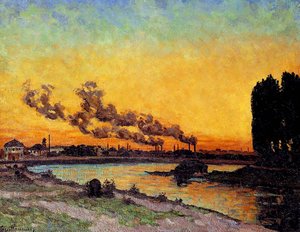
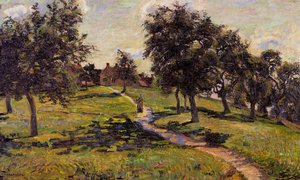
In the late nineteenth century, as the Impressionist movement began to redefine the boundaries of light and perception, Jean Baptiste Armand Guillaumin captured a moment of profound atmospheric beauty in his 1899 masterpiece, The Ruins of the Chateau at Crozant. This evocative oil on canvas invites the viewer into a serene valley where the remnants of history meet the vibrant pulse of nature. The scene is bathed in the warm, amber glow of an orange sky, suggesting that magical hour of twilight when the sun begins its descent, casting long, soft shadows across the landscape. Through his masterful command of color, Guillaumin does more than merely depict a location; he captures the very essence of a fleeting moment, frozen in time through thick, expressive brushstrokes.
The composition is a delicate balance of grandeur and intimacy. While the distant mountains and the skeletal remains of the chateau provide a sense of monumental scale and historical weight, the foreground is populated by scattered trees and two small human figures. These figures serve as vital anchors for the soul, offering a sense of human connection and scale that prevents the vast landscape from feeling desolate. Instead, their presence suggests a quiet contemplation of nature's enduring power. The way the light interacts with the foliage—alternating between deep shadows and sun-drenched highlights—creates a rhythmic movement that guides the eye through the valley, leading the observer toward the crumbling stone architecture that stands as a silent witness to the passage of centuries.
Technique and the Impressionist Spirit
Guillaumin’s technique in this work is a testament to his status as a vital contributor to the Impressionist canon. Eschewing rigid lines for a more fluid, spontaneous application of paint, he utilizes a palette dominated by warm ochres, deep oranges, and earthy greens to evoke the heat and humidity of a summer evening. The brushwork is notably soft and textured, a characteristic that lends the painting an organic energy. This tactile quality allows the light to appear as if it is vibrating upon the canvas, mimicking the way light actually dances across a landscape in motion. For collectors and interior designers alike, this piece offers a sophisticated interplay of texture and tone that can serve as a luminous focal point in any curated space.
Beyond its aesthetic brilliance, The Ruins of the Chateau at Crozant carries a poignant symbolic weight. The juxtaposition of the decaying chateau against the eternal cycle of the natural world speaks to themes of transience and permanence. It is a meditation on the beauty found in decay and the resilience of the earth. For those seeking to adorn their homes with art that inspires deep reflection, this reproduction offers more than just decoration; it provides a window into a romanticized era of French landscape painting, bringing the warmth of a nineteenth-century sunset into the modern interior.
Related Artworks


Artist Biography
early life and career
ferdinand guillaumin, a french impressionist painter and lithographer, was born on february 16, 1841. his artistic journey began in the mid-19th century, a time when impressionism was gaining momentum in france.contribution to impressionism
guillaumin's work significantly contributed to the development of impressionism, a movement that sought to capture the fleeting impressions of light and color in the natural world. as an active member of this group, he participated in several exhibitions, showcasing his unique style.- his paintings often featured dreamy, soft landscapes, which resonated with the spirit of impressionism.
- guillaumin's use of vibrant colors and loose brushstrokes added to the movement's characteristic spontaneity.
notable works and associations
mount holyoke college art museum, which houses an impressive collection of artworks, including those by guillaumin, is a notable institution that has contributed to the preservation of his legacy.- claude monet, another prominent impressionist painter, was a close associate of guillaumin, and both artists often exhibited their works together.
- guillaumin's style also shows influences from symbolism, a movement that emphasized the world of dreams and mysticism, as seen in his use of bold colors and emotive subjects.
legacy and remembrance
ferdinand guillaumin passed away on june 26, 1927, but his contributions to impressionism remain invaluable. his work can be found in various museums and collections, including those featured on mount holyoke college art museum (united states) and other notable institutions. explore more of guillaumin's works and the impressionist movement on ArtsDot: ferdinand guillaumin | 3 artworks impressionism art movement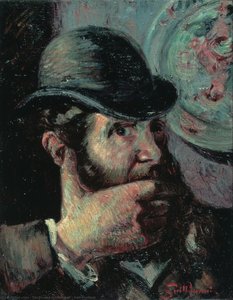
ferdinand guillaumin
1841 - 1927 , France
Quick Facts
- Artistic Movement Or Style: Impressionism
- Artists Or Movements Influenced By This Artist: ['Claude Monet']
- Artists Who Influenced This Artist:
- Vincent van Gogh
- Paul Cézanne
- Camille Pissarro
- Date Of Birth: February 16, 1841
- Date Of Death: June 26, 1927
- Full Name: Jean Baptiste Armand Guillaumin
- Nationality: French
- Notable Artworks:
- Garden in Janville in June
- River Scene
- View of Puy de Dôme
- Place Of Birth: Paris, France
Related Articles
Impressionist Landscapes: 10 Masterpieces for Your Home | ArtsDot
Journey through 10 iconic Impressionist landscapes by Monet, Renoir & Degas. Explore the history, techniques & emotions behind these masterpieces. Find museum-quality reproductions for your home at ArtsDot.com – where art comes to life! Discover all masterpieces on ArtsDot.com
Impressionistic Landscapes: 10 Masterpieces That Changed Art & Decor
Journey into the heart of Impressionism! Explore 10 masterpieces by Monet, Renoir & Degas that revolutionized landscape art. Discover their stories, techniques & find museum-quality reproductions to elevate your home decor on ArtsDot.com.

John Constable's Masterpieces: Explore 25 Iconic Landscapes for Your Home
Journey through John Constable's 25 most celebrated landscapes. Explore Romanticism, Dedham Vale & his masterful use of light in iconic paintings like 'Hay Wain'. Find museum-quality art reproductions and elevate your home decor on ArtsDot.com.

Evocations of Place: A Historical Journey Through Landscape Art
Explore the rich history of landscape art with ArtsDot. Discover renowned artists, movements like Impressionism & Romanticism, and expert guidance for collecting timeless pieces. Find your perfect serene escape today!

Romantic Landscapes: 10 Masterpieces for Your Home | ArtsDot
Journey through 10 Romantic landscape masterpieces by Friedrich, Turner & Cole. Explore emotional art, sublime nature scenes & iconic 19th-century paintings. Find museum-quality reproductions for your home at ArtsDot.com – discover the full collection online!