 Preview
 Send
Send Share
Share
 Details

 Download
 Similars
 X-Ray
X-Ray Diaporama
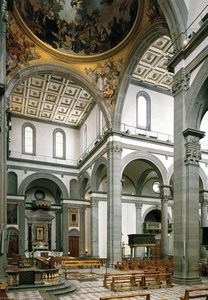
Santafelicitadifirenze

 Read More
Hand Made Oil Reproduction
Hand-painted oil on canvas in your size and frame, made to order by our artists. ( Buy Print Buy Image)




































Pick from our preset sizes that match the artwork's original proportions.

You may enter your own dimensions to fit a specific frame or space. If your selected size does not match the original image's proportions, we will either crop the artwork or extend the painting with additional hand-painted elements. A digital mockup will be sent for your approval before production begins.
Please note that the on-screen preview does not reflect the actual cropping or extension. Only the mockup will accurately show the final composition.
While custom sizes are available, we recommend selecting a dimension from the predefined list to preserve the original proportions.
After order, ArtsDot.com team will email client for instructions and provide a mockup preview
Worldwide Delivery () in 3/4 weeks instead of standard 5 weeks. (20 August). No compromise on quality.

Free Worldwide Express Shipping

High-Quality Linen Canvas

Full Shipping Insurance

Customs Tax Refund Guarantee

True Color Matching Guarantee

60-Day Return Policy (Defects Only)

100% Money-Back Guarantee

Bulk Discount Offer
 Glass option is only available in size under 110 CM

Santafelicitadifirenze
Reproduction Medium
Reproduction Size
-


Total Price
$ 313
Related Artworks
Artist Biography
Ferdinando Ruggieri: Architect of Florentine Dreams
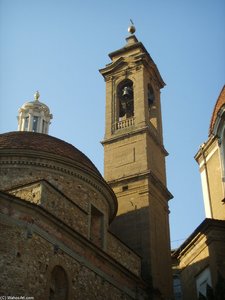
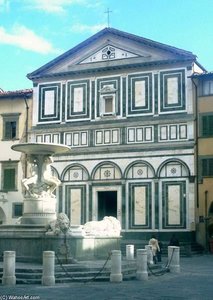
Ferdinando Ruggieri (1691-1741) stands as a pivotal, yet often understated, figure in the vibrant tapestry of 18th-century Italian Baroque architecture. Born in Florence during a period of intense artistic and architectural experimentation, Ruggieri’s career was marked by both innovative design and a deep respect for established traditions. While overshadowed by some of his contemporaries, his contributions to the city's skyline – most notably the facades of San Lorenzo and Santa Felicita – solidified his legacy as a master craftsman who shaped the visual identity of Florence during a transformative era. His work represents a fascinating blend of Baroque exuberance tempered with a refined sense of proportion and classical restraint, reflecting the evolving tastes of the time.Early Influences and Apprenticeship
Ruggieri’s artistic journey began in his native Florence, where he received his initial training under Carlo Fontana, a leading architect of the period known for his commitment to classical principles. This early mentorship instilled in Ruggieri a foundational understanding of Roman architectural forms and a desire to integrate them into Italian Baroque design. However, Ruggieri’s style quickly diverged from Fontana's more rigid adherence to antiquity, developing a distinctly Florentine sensibility characterized by dramatic ornamentation, dynamic movement, and an expressive use of light and shadow. Crucially, his time with Fontana provided him with the technical skills – particularly in drawing and design – that would prove invaluable throughout his career. He wasn’t merely a draftsman; he was actively involved in preparing detailed plans and elevations for complex projects, gaining practical experience alongside theoretical knowledge.Key Architectural Achievements
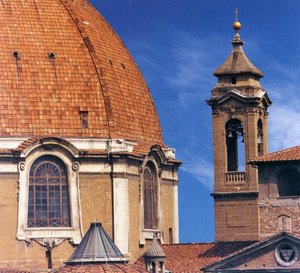
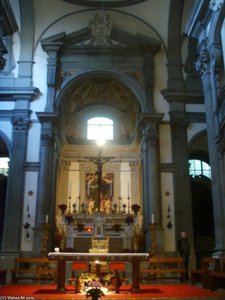
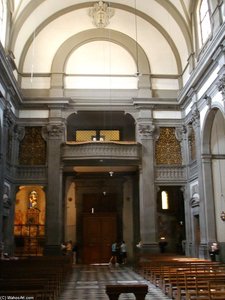
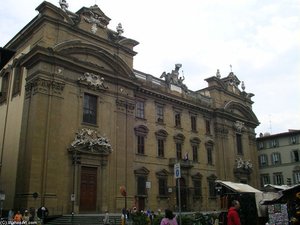
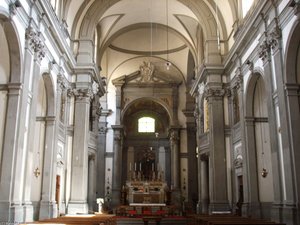
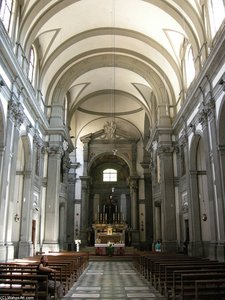
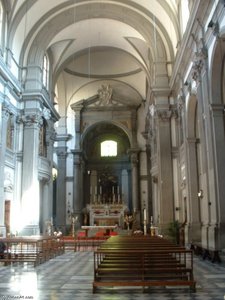
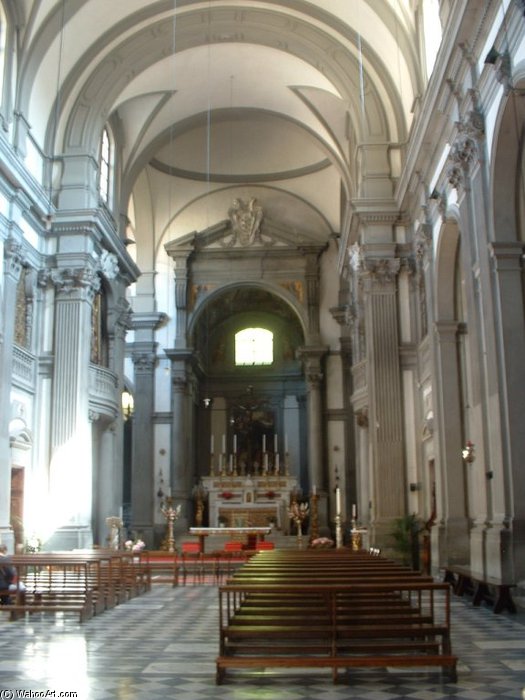
Ruggieri's architectural output is characterized by a remarkable diversity of styles and building types. He contributed significantly to the embellishment of several prominent Florentine churches, most notably the left facade of the Church of San Firenze (1715), a project that showcased his ability to seamlessly blend Baroque dynamism with classical elements. This façade, featuring soaring Corinthian columns and a richly decorated pediment, established Ruggieri’s reputation as a skilled designer capable of creating visually arresting and structurally sound buildings. His work on the Palazzo Capponi in Florence (begun around 1710) further demonstrated his versatility, incorporating intricate detailing and a harmonious balance between ornamentation and architectural form. Perhaps Ruggieri's most enduring legacy lies in his designs for the Church of Santa Felicita (1736-1738). This project represents the culmination of his artistic vision, showcasing his mastery of Baroque principles while simultaneously reflecting the influence of Palladianism. The church’s dramatic facade, with its contrasting marble panels and intricate sculptural program, is a testament to Ruggieri's ability to create a building that is both visually stunning and spiritually evocative. Similarly, his work on the collegiata of Empoli (1738) demonstrated his continued commitment to architectural innovation, while his involvement in remodeling the campanile of San Lorenzo (1740) underscored his importance within the city’s architectural landscape.The Pianta Della Città di Firenze: A Cartographic Masterpiece
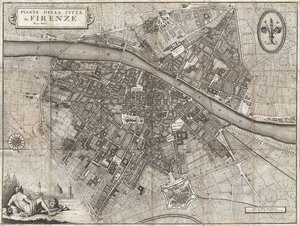
Beyond his building commissions, Ruggieri made a significant contribution to Florentine urban planning through his creation of the *Pianta Della Citta Di Firenze* (1731). This meticulously detailed map, considered a landmark achievement in cartography, offered an unprecedented level of accuracy and visual clarity. Ruggieri’s careful observation and artistic skill resulted in a comprehensive depiction of Florence's streets, palaces, gardens, and other key features – a document that would serve as the city’s official map for over 150 years. The map’s creation highlights Ruggieri’s intellectual curiosity and his desire to capture the essence of Florentine urban life.Legacy and Influence
Ferdinando Ruggieri's impact on Florentine architecture extends far beyond the individual buildings he designed. He played a crucial role in shaping the city’s visual identity during a period of significant artistic and cultural change. His work exemplifies the Baroque style at its most refined, blending dramatic ornamentation with classical restraint to create buildings that are both visually stunning and structurally sound. While his name may not be as widely recognized as some of his contemporaries, Ruggieri's contributions continue to resonate in the architectural heritage of Florence, reminding us of the enduring power of a skilled architect’s vision. His legacy is further cemented by his detailed map, a testament to his artistic talent and his understanding of the city he called home.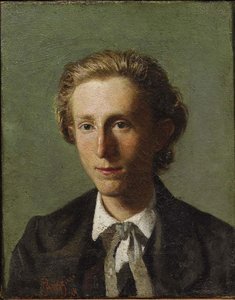
ferdinando ruggieri
1691 - 1741 , Italy
Quick Facts
- Artistic Movement Or Style: Baroque Architecture
- Artists Or Movements Influenced By This Artist:
- Italian Renaissance
- Baroque Architecture
- Artists Who Influenced This Artist: ['Carlo Fontana']
- Date Of Birth: 1691 Florence, Italy
- Date Of Death: 1741 Florence, Italy
- Full Name: Ferdinando Ruggieri
- Nationality: Italian
- Notable Artworks:
- San Lorenzo Campanile
- Santa Felicita Church
- Place Of Birth: Florence, Italy
Related Articles

Baroque Drama: Bringing Opulence & Emotion into Contemporary Interiors
Explore the opulent world of Baroque interior design! Discover key elements, modern applications & how to bring dramatic elegance into your home with 's authentic reproductions.

Baroque Masterpieces: 10 Paintings That Defined an Era |
Journey through the drama & grandeur of Baroque art! Explore 10 masterpieces by Caravaggio, Rembrandt, Rubens & more. Discover stunning oil paintings, rich colors & timeless stories. Find museum-quality reproductions at .

The Dramatic Flourish: Exploring the Baroque Movement's Enduring Legacy in Art History
Explore the dramatic world of Baroque art! Discover iconic artists like Caravaggio & Rubens, defining techniques, and its lasting impact on art history. Expert insights for collectors & enthusiasts at ArtsDot.

The Visceral Stage: Exploring Dramatic Narratives & Emotional Intensity in Baroque Art
Explore the dramatic world of Baroque art! Discover iconic masters like Caravaggio & Rembrandt, their techniques, and the movement's lasting impact. Expert insights for collectors & enthusiasts at ArtsDot.
Theatricality & Triumph: Baroque Drama in Painting & Sculpture
Explore the dramatic world of Baroque art! Discover its history, defining characteristics, & lasting influence on painting & sculpture. Expert insights into Caravaggio, Zurbarán, and Bernini – plus high-quality reproductions at ArtsDot.