 Preview
 Send
Send Share
Share
 Details

 Download
 Similars
 X-Ray
X-Ray Diaporama
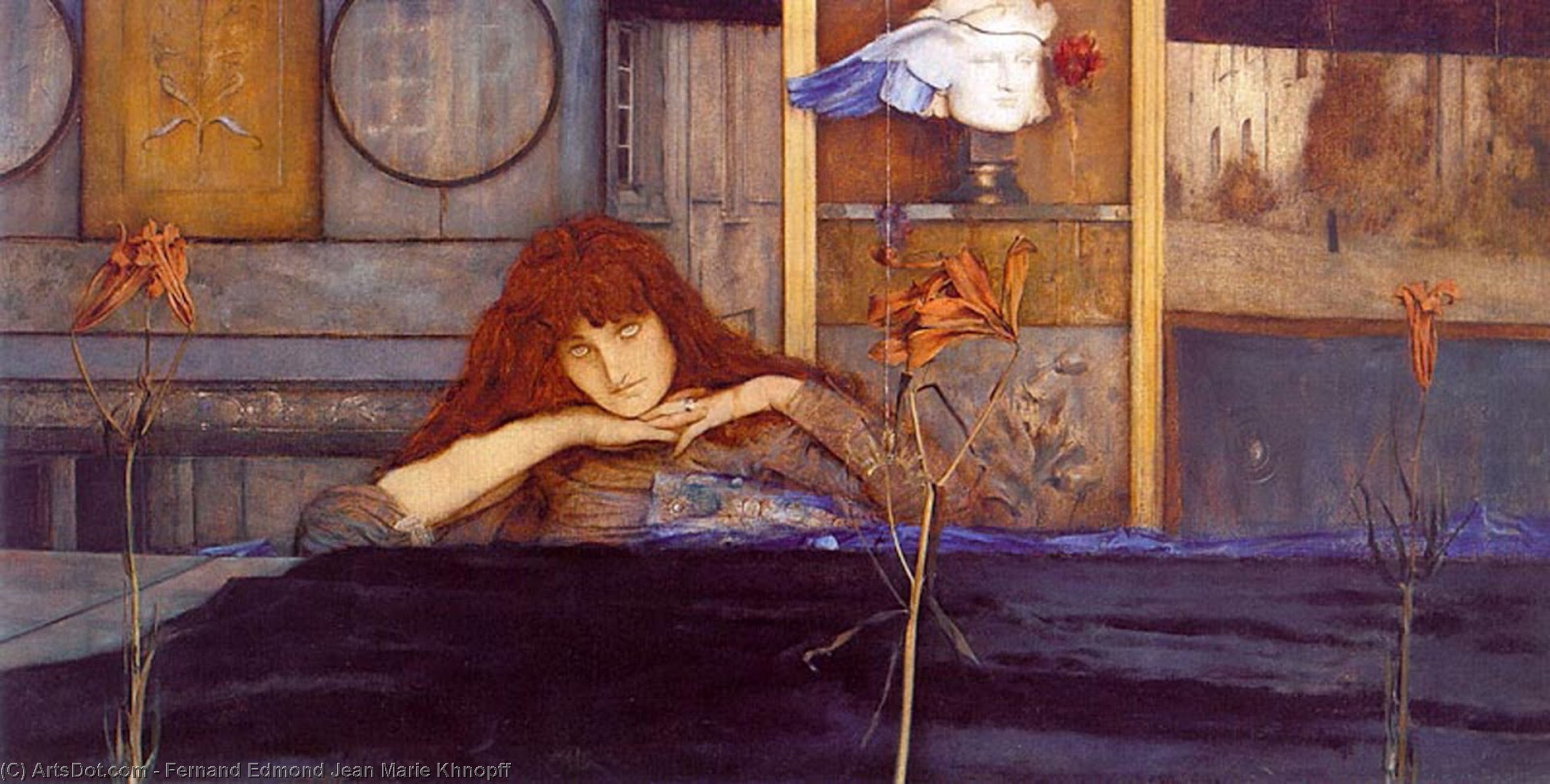
I Lock my Door upon Myself
 Oil On Canvas
- WallArt
- Symbolism
 1891
1891- 19th Century
 72.0 x 140.0 cm
 Neue Pinakothek
 Read More
Giclée / Art Print
Museum-quality giclée or canvas print with fast production and flexible finish options. ( Buy Hand Made Painting Buy Image)




P118B $10

P118H $10

P118W $10

P438Z $10

P508JH $12

P508YH $12

P805H $10

P805Z $10

P919BZ $10

P919G $10

P919XJ $10

P959ZH $10

P968JZ $12

W106C $8

W218G $10

W218JH $8

W218Y $10

W307PJ $10

W316G $10

W316PJ $8

W316Y $10

W398PJ $8

W4111J $10

W500HY $15

W500JH $15

W692G $12

W849H $8

W940BG $15

W953PJ $8




Pick from our preset sizes that match the artwork's original proportions.

You may enter your own dimensions to fit a specific frame or space. If your selected size does not match the original image's proportions, we will either crop the artwork or extend the image with a mirrored or solid-fill edge. A digital mockup will be sent for your approval before production begins.
Please note that the on-screen preview does not reflect the actual cropping or extension. Only the mockup will accurately show the final composition.
While custom sizes are available, we recommend selecting a dimension from the predefined list to preserve the original proportions.
Worldwide Delivery () in 2 weeks instead of standard 4/5 weeks. (29 August)

Free Worldwide Express Shipping

High-Quality Linen Canvas

Full Shipping Insurance

Customs Tax Refund Guarantee

True Color Matching Guarantee

60-Day Return Policy (Defects Only)

100% Money-Back Guarantee

Bulk Discount Offer
 Glass option is only available in size under 110 CM

I Lock my Door upon Myself
Giclée / Art Print
Reproduction Size
-


Total Price
$ 63
The Enigmatic Stillness of Symbolist Dreams
To gaze upon I Lock my Door upon Myself is to step across a threshold into the rarefied atmosphere of a dream, a place where reality softens at the edges and introspection reigns supreme. This painting by Fernand Edmond Jean Marie Khnopff captures not merely a moment in time, but a profound state of being—a quiet withdrawal from the clamor of the external world. The composition centers on a woman with striking red hair, seated before the placid surface of a pond or lake. Her posture, with her chin gently resting upon her fist, suggests deep contemplation; she seems to be looking inward as much as outward at the water's reflection. Khnopff masterfully envelops this central figure in an aura of serene mystery, inviting the viewer to decipher the thoughts that ripple beneath the surface of her stillness.
A Tapestry of Symbolism and Nature
The natural elements surrounding the woman are not mere decoration; they function as symbolic anchors within the painting's narrative. Scattered flowers dot the foreground, adding delicate bursts of color against the muted tones of the landscape, suggesting fleeting beauty or perhaps memories blooming unexpectedly. The inclusion of other figures—one standing near the left edge and another toward the right—adds a subtle layer of social context, yet they remain peripheral to the main emotional current flowing from the central subject. To the left, the presence of a bench hints at moments of repose, suggesting that this entire scene is a carefully curated space for contemplation. Khnopff, ever the architect of the dream, uses these natural details to build an environment that mirrors the complex inner life of his sitter.
Mastery in Technique and Atmosphere
Technically, the work exemplifies the refined sensibilities of late 19th-century Symbolism. While Khnopff’s style often borders on the ethereal, his handling of paint retains a palpable sense of academic structure, allowing the dreamlike quality to feel grounded rather than entirely unmoored. The light in the painting is diffused, lending everything—the water, the skin tones, the foliage—a soft, almost melancholic luminescence. This careful modulation of light and shadow contributes immensely to the overall atmosphere: one of profound peace mixed with an undeniable undercurrent of solitude. It is a visual poem rendered in oil paint.
Echoes of Belgian Symbolism
Painted in 1891, this piece situates itself perfectly within the height of Symbolist art. Khnopff was deeply concerned with the hidden currents of emotion and the mysteries that lie beneath the veneer of bourgeois life. His work often resists simple narrative explanation; instead, it speaks to universal themes of isolation, feminine mystery, and the self. For the collector or designer, owning a reproduction of this piece is acquiring more than just artwork; it is curating an atmosphere—a sophisticated nod to an era that valued introspection over spectacle. It serves as a breathtaking focal point for any space desiring an air of cultured melancholy and timeless elegance.
Related Artworks



Artist Biography
Fernand Khnopff: Architect of the Dream
Fernand Edmond Jean Marie Khnopff (1858-1921) stands as a singular figure in Belgian art, a master of Symbolism who crafted intensely personal and often unsettling visions. Born in Grevelingen, Belgium, into a wealthy bourgeois family, his early life was shaped by a complex blend of familial expectations and burgeoning artistic passion – a tension that would profoundly inform his work. Initially destined for a legal career, Khnopff’s true calling emerged through the influence of Xavier Mellery at the Académie Royale des Beaux-Arts in Brussels, where he began to explore the evocative power of painting. His early years were marked by trips to Paris, immersing himself in the works of Delacroix, Ingres, and Millais, laying the groundwork for his distinctive style – a haunting synthesis of realism and ethereal dreamscapes. Khnopff’s artistic journey wasn't simply about replicating reality; it was about capturing the hidden currents of emotion, memory, and the subconscious.The Language of Symbolism: Themes and Motifs
Khnopff’s art is deeply rooted in the Symbolist movement, yet he forged a unique path within its framework. Unlike many of his contemporaries who embraced overtly mythological or literary themes, Khnopff focused on intensely psychological explorations. His paintings are populated by enigmatic figures – often women – caught in moments of quiet contemplation, veiled desire, and profound isolation. Recurring motifs include the female nude, frequently rendered with an almost sculptural quality; the cheetah, a symbol of both predatory instinct and alluring beauty (most famously depicted in “The Caress”); and interiors that feel simultaneously familiar and unsettlingly alien. His use of muted color palettes – predominantly blues, grays, and browns – contributes to the overall atmosphere of melancholy and introspection. The figures in his works rarely engage directly with the viewer; instead, they seem lost within their own private worlds, inviting us to contemplate the mysteries of human experience.Key Works: “The Caress” and Beyond
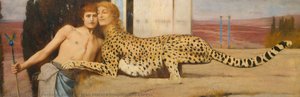
Perhaps Khnopff’s most celebrated work, "The Caress" (1896), exemplifies his signature style. The painting depicts a nude couple, seemingly lost in an unspoken exchange, with a cheetah lurking nearby – a potent symbol of both desire and danger. The scene is bathed in a soft, diffused light, creating a dreamlike atmosphere that defies easy interpretation. Khnopff’s meticulous attention to detail—the texture of the skin, the subtle shifts in expression—grounds the ethereal quality of the work in a palpable sense of realism. Other notable works include “I Lock My Door” (1895), which explores themes of confinement and solitude; "The Mirror" (1897), a haunting meditation on identity and self-reflection; and numerous portraits of his sister, Marguerite, often imbued with an aura of melancholy and timeless beauty. These paintings demonstrate Khnopff’s ability to transform ordinary subjects into vehicles for profound psychological exploration.Influence and Legacy: Vienna Secession and Gesamtkunstwerk
Khnopff's work exerted a significant influence on the artistic landscape of late 19th-century Europe, particularly within the burgeoning avant-garde movements. His enigmatic style resonated deeply with artists in Vienna, notably Gustav Klimt, who exhibited several of Khnopff’s paintings at the Secession’s first exhibition in 1898. The influence extended beyond painting; Khnopff's designs for theater sets and opera costumes further solidified his reputation as a visionary artist. Later in life, he dedicated himself to creating a “Gesamtkunstwerk” – a total work of art – within his own home and studio in Brussels. This meticulously designed space, incorporating mosaic floors, golden circles, and symbolic furnishings, served as a physical manifestation of his artistic philosophy, reflecting his belief that art should encompass all aspects of human experience.A Lasting Vision: The Artist’s Temple
Fernand Khnopff died in Brussels in 1921, leaving behind a body of work that continues to captivate and challenge viewers today. His paintings are not merely beautiful images; they are invitations to delve into the depths of the human psyche, to confront our own anxieties and desires, and to contemplate the mysteries of existence. Khnopff’s legacy lies in his ability to create art that is both intensely personal and universally resonant—a testament to the enduring power of Symbolism and the visionary genius of a Belgian master. His work remains a poignant reminder of the beauty and complexity of the human experience, rendered with an unparalleled blend of realism and ethereal dreaminess.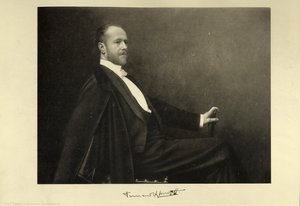
fernand edmond jean marie khnopff
1858 - 1921 , Belgium
Quick Facts
- Artistic Movement Or Style: Symbolism
- Artists Or Movements Influenced By This Artist:
- Vienna Secession
- British Pre-Raphaelitism
- Artists Who Influenced This Artist:
- Burne-Jones
- Millais
- Date Of Birth: September 12, 1858
- Date Of Death: November 12, 1921
- Full Name: Fernand Edmond Jean Marie Khnopff
- Nationality: Belgian
- Notable Artworks:
- The Caress
- I Lock My Door
- Place Of Birth: Grevelingen, Belgium
Related Articles

Crimson Threads of Narrative: Exploring Symbolism & Representation in Artworks Featuring the Red Dress
Explore the rich symbolism of the red dress in art history! From ancient power displays to iconic portraits like Cézanne’s 'Madame Cezanne', discover the cultural and artistic significance behind this captivating color. Expert analysis & insights.

The Enduring Legacy of Oil on Canvas: Technique, History & Aesthetic Impact
Explore the rich history & techniques of oil painting – from Renaissance masters to Impressionism. Discover pigments, layering methods, and why this timeless medium endures. Expert insights for artists & art enthusiasts.
Henri Matisse's Masterpieces: Explore 25 Iconic Paintings & Art Decor Ideas
Journey through Henri Matisse's 25 most iconic paintings! Explore Fauvism, vibrant colors & the stories behind masterpieces like 'The Dance'. Find museum-quality art reproductions and curated decor ideas to elevate your space. Discover all masterpieces on ArtsDot.com.

Oil on Canvas: A Historical & Technical Exploration of a Timeless Artistic Medium
Explore the rich history & enduring techniques of oil painting on canvas. Discover the science behind its longevity, conservation practices, and contemporary relevance. Expert insights for art enthusiasts.

The Enduring Power of Painting: A Historical & Contemporary Exploration of Form and Emotion
Explore the rich history & enduring techniques of oil painting with ArtsDot. Discover masterpieces, learn about art collecting, and find authentic handmade reproductions crafted by skilled artists.