 Preview
 Send
Send Share
Share
 Details

 Download
 Similars
 X-Ray
X-Ray Diaporama
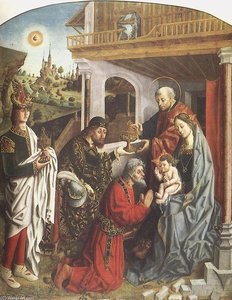
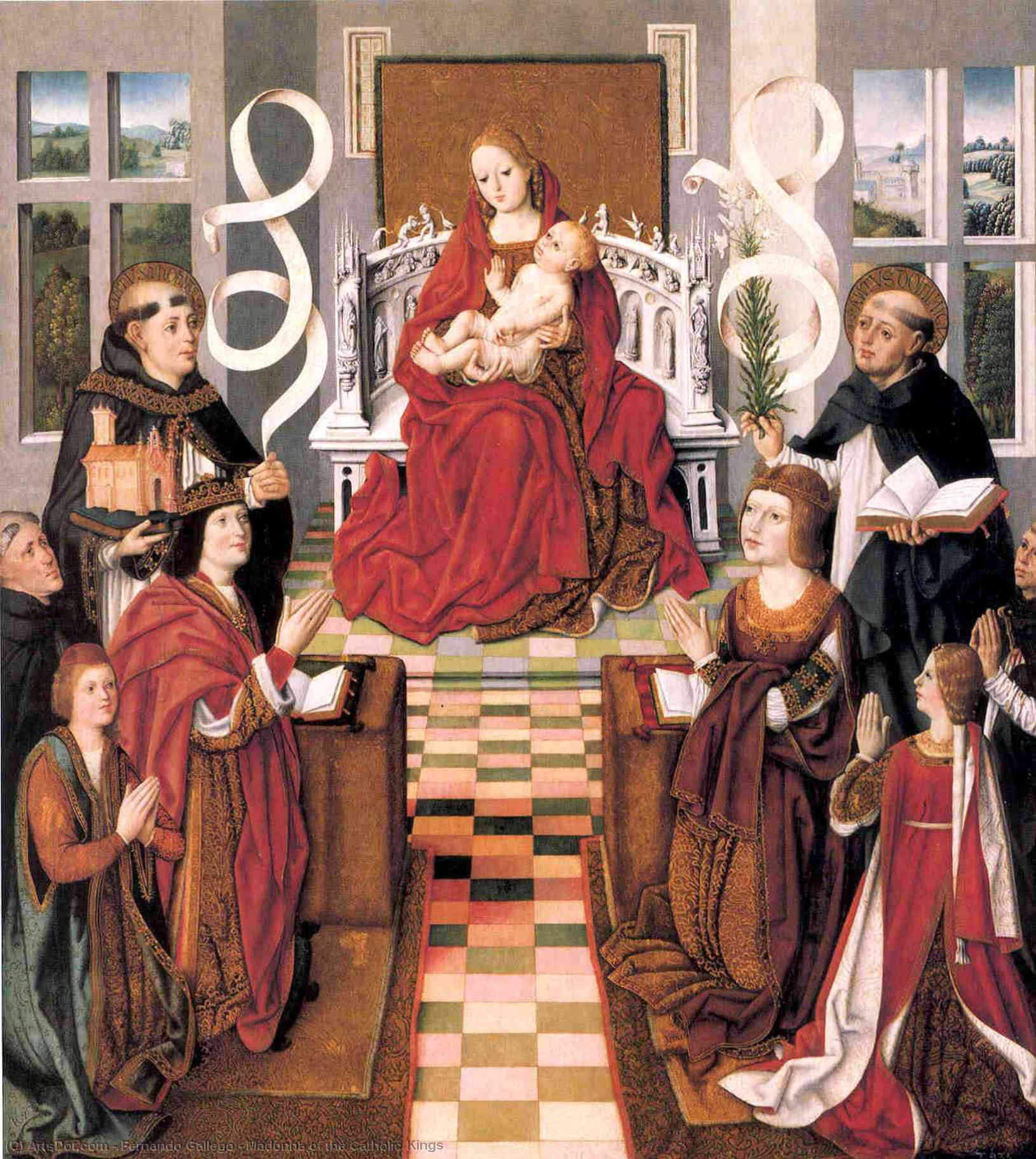
Madonna of the Catholic Kings
 Oil
Oil- WallArt
- Hispano-Flemish Renaissance
 1490
1490 123.0 x 112.0 cm
 Museo del Prado
 Read More
Giclée / Art Print
Museum-quality giclée or canvas print with fast production and flexible finish options. ( Buy Hand Made Painting Buy Image)




P118B $10

P118H $10

P118W $10

P438Z $10

P508JH $12

P508YH $12

P805H $10

P805Z $10

P919BZ $10

P919G $10

P919XJ $10

P959ZH $10

P968JZ $12

W106C $8

W218G $10

W218JH $8

W218Y $10

W307PJ $10

W316G $10

W316PJ $8

W316Y $10

W398PJ $8

W4111J $10

W500HY $15

W500JH $15

W692G $12

W849H $8

W940BG $15

W953PJ $8




Pick from our preset sizes that match the artwork's original proportions.

You may enter your own dimensions to fit a specific frame or space. If your selected size does not match the original image's proportions, we will either crop the artwork or extend the image with a mirrored or solid-fill edge. A digital mockup will be sent for your approval before production begins.
Please note that the on-screen preview does not reflect the actual cropping or extension. Only the mockup will accurately show the final composition.
While custom sizes are available, we recommend selecting a dimension from the predefined list to preserve the original proportions.
Worldwide Delivery () in 2 weeks instead of standard 4/5 weeks. (25 August)

Free Worldwide Express Shipping

High-Quality Linen Canvas

Full Shipping Insurance

Customs Tax Refund Guarantee

True Color Matching Guarantee

60-Day Return Policy (Defects Only)

100% Money-Back Guarantee

Bulk Discount Offer
 Glass option is only available in size under 110 CM

Madonna of the Catholic Kings
Giclée / Art Print
Reproduction Size
-


Total Price
$ 63
Collectible Description
The Madonna of the Catholic Kings: A Tapestry of Faith and Power
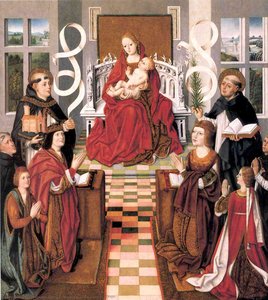
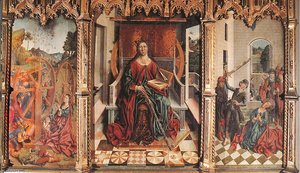
Fernando Gallego’s “Madonna of the Catholic Kings,” painted in 1490, is more than just a religious depiction; it's a vibrant snapshot of a pivotal moment in Spanish history – the dawn of a unified nation forged through faith and royal ambition. Housed within the hallowed halls of the Museo del Prado in Madrid, this tempera painting on panel offers a profound glimpse into the artistic sensibilities and political realities of late medieval Spain, showcasing a masterful blend of Flemish realism and burgeoning Renaissance ideals.
The scene unfolds with serene grace: Mary, depicted as a noblewoman radiating maternal authority, holds the infant Jesus. Her gaze is gentle yet resolute, conveying both divine love and an unwavering strength. Surrounding them are figures that speak volumes about the era’s priorities – Ferdinand II of Aragon and Isabella I of Castile, kneeling in humble prayer before their patron saints, Saint Thomas and Saint Dominic. The inclusion of these monarchs isn't merely decorative; it firmly establishes a visual hierarchy, asserting the divine legitimacy underpinning their rule. The painting subtly yet powerfully communicates the fusion of spiritual devotion with earthly power – a cornerstone of the Spanish monarchy’s self-perception.
A Symphony of Color and Technique
Gallego's skill lies not just in his composition but also in his masterful execution. The painting is executed in tempera on panel, a technique favored for its ability to produce rich colors and intricate detail. Observe the subtle gradations of hue in Mary’s robes, shimmering with an almost ethereal quality, contrasted against the more grounded tones of Ferdinand and Isabella's garments. The artist employs meticulous layering, building up textures through delicate brushstrokes – from the folds of fabric to the smooth contours of faces. The use of gold leaf accents further elevates the work, lending a sense of sacredness and opulence.
Notably, Gallego’s style reflects the influence of Flemish painting, particularly Rogier van der Weyden, evident in his attention to realistic anatomy and his penchant for dramatic lighting. However, he deftly integrates these Northern European elements with distinctly Spanish artistic conventions, creating a unique visual language that is both familiar and strikingly original. The composition itself—a carefully balanced arrangement of figures within a defined space—demonstrates a sophisticated understanding of perspective and spatial relationships.
Symbolism Woven into the Fabric
Beyond its immediate narrative, “Madonna of the Catholic Kings” is laden with symbolic meaning. The book held by one figure likely represents religious texts or knowledge, underscoring the importance of faith in shaping society. The presence of a sleeping infant Jesus—a motif frequently employed in depictions of the Virgin Mary—symbolizes hope and redemption. The crown of thorns adorning Mary’s head is a poignant reminder of Christ's sacrifice, while the kneeling postures of the monarchs signify their submission to divine authority.
The choice of colors also carries symbolic weight: the rich reds and blues evoke both Mary’s virtues – love and purity – and the royal hues associated with Castile and Aragon. The architectural backdrop—a stylized representation of a church or religious building—further reinforces the painting's devotional theme. Even seemingly minor details, such as the heraldic devices displayed by the monarchs, contribute to the overall message of power and piety.
A Legacy of Faith and Art
“Madonna of the Catholic Kings” stands as a testament to the artistic achievements of Fernando Gallego and a powerful reflection of 15th-century Spain. It’s a painting that invites contemplation, prompting viewers to consider not only its aesthetic beauty but also its historical context and profound symbolic meaning. Today, reproductions of this masterpiece are available through ArtsDot, allowing art enthusiasts to bring the spirit of this iconic work into their own homes – a tangible connection to a pivotal moment in Spanish history and a celebration of enduring artistic excellence.
Related Artworks
Artist Biography
Fernando Gallego: A Master of the Hispano-Flemish Style
Fernando Gallego, a name often shrouded in mystery yet deeply resonant within Spanish art history, was a Castilian painter who flourished during the late 15th and early 16th centuries. Born around 1440 in Salamanca and tragically dying sometime before 1507, his life spanned a pivotal era of artistic transition – the convergence of Northern European realism with burgeoning Italian Renaissance ideals. Gallego’s legacy isn't defined by grand, solitary masterpieces but rather by a prolific output of meticulously crafted religious panels, particularly altarpieces and retablos, that offer invaluable insights into the visual culture of his time. While definitive biographical details remain scarce, tracing his work through attributions and historical records paints a compelling picture of an artist deeply influenced by Flemish painting, especially the works of Rogier van der Weyden, yet firmly rooted in the Spanish artistic tradition.Early Life and Artistic Training – A Shadow of Uncertainty
The precise origins of Fernando Gallego’s artistic training remain elusive, a characteristic that has long intrigued art historians. Despite speculation linking him to workshops in Salamanca and beyond, concrete evidence is remarkably limited. He likely began his career in the vibrant artistic environment of Castile and Extremadura, regions renowned for their rich religious patronage during this period. The prevailing theory suggests a strong connection to Flemish painting, particularly the naturalistic handling of form and technical mastery evident in Rogier van der Weyden’s work – a style characterized by its meticulous detail, deep emotional resonance, and sophisticated use of light and shadow. Early Netherlandish painting, with its vivid illusionism and complex iconography, exerted a profound influence on Gallego's approach to composition and figure depiction. It is believed he may have spent time studying in Flanders, though this remains unconfirmed. Interestingly, the work attributed to him often shares stylistic similarities with Francisco Gallego, his likely workshop assistant – a relationship that adds another layer of complexity to understanding Gallego’s artistic development.A Flourishing Career: Altarpieces and Retablos
Gallego's career was largely dedicated to the creation of small panels intended for incorporation into larger altarpieces, or retablos. These devotional works were central to religious life in 15th-century Spain, serving as focal points for worship and visual narratives within churches and chapels. Gallego’s skill lay not just in his technical proficiency – evidenced by the smooth application of paint, precise rendering of drapery, and realistic portrayal of human figures – but also in his ability to imbue these scenes with a palpable sense of drama and emotional intensity. He frequently depicted biblical stories, saints' lives, and episodes from Christian history, often employing a carefully orchestrated balance between realism and symbolic representation. A particularly noteworthy example is the Retablo of Ciudad Rodrigo, a monumental work undertaken in collaboration with Master Bartolomé, showcasing Gallego’s meticulous attention to detail and his ability to integrate multiple narratives within a single panel. The scale of this project – a testament to the importance of religious art at the time – highlights Gallego's standing as a leading artist in Castile.Notable Works and Artistic Techniques
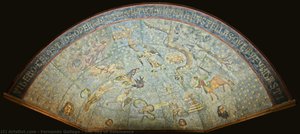
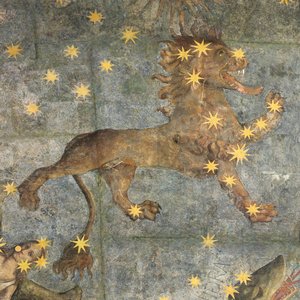
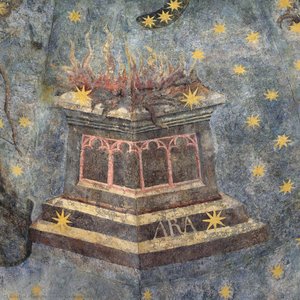
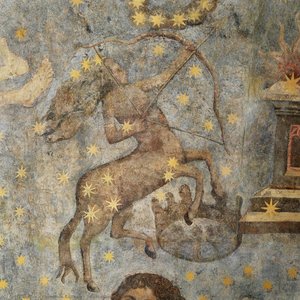
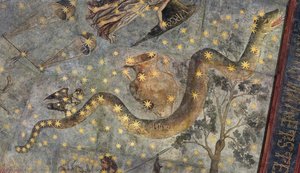
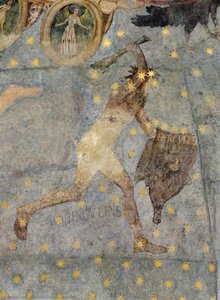
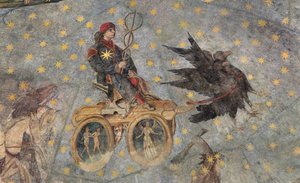
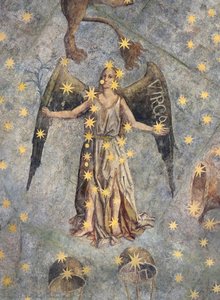
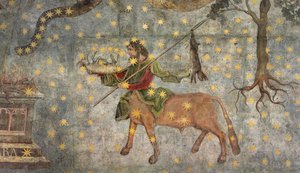
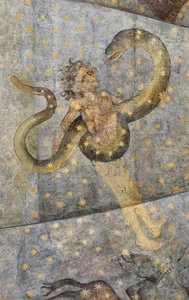
Among Gallego’s surviving works, several stand out for their artistic merit and historical significance. The “Madonna of the Catholic Kings,” housed at the Getty Museum, exemplifies his masterful use of color, light, and composition to create a deeply moving depiction of the Virgin Mary and Christ Child. The “Ara” (Sky of Salamanca), a vast ceiling mural adorning the University of Salamanca, represents an exceptional achievement – a monumental undertaking that demonstrates Gallego’s ambition and technical skill. This fresco, depicting astronomical scenes and constellations, showcases his ability to translate complex scientific concepts into visually engaging imagery. Gallego primarily worked with oil on panel, though he also utilized tempera in his early works. His meticulous attention to detail, combined with his understanding of perspective and spatial relationships, resulted in a remarkably realistic and lifelike quality in his paintings. He was known for painstakingly individualizing the figures within his scenes, enhancing their dramatic appeal while simultaneously demonstrating his technical prowess.Legacy and Historical Significance
Fernando Gallego’s impact on Spanish art is significant despite the limited documentation surrounding his life. He represents a crucial link between the early Flemish influences that shaped 15th-century Spain and the burgeoning Renaissance style that would soon dominate the artistic landscape. His work provides valuable insights into the religious beliefs, social customs, and artistic practices of his time. While often overshadowed by more celebrated contemporaries, Gallego’s contribution to the development of Spanish painting is undeniable. The continued study of his retablos and panels offers a window into the devotional world of 15th-century Spain, revealing a wealth of information about religious iconography, artistic techniques, and the lives of those who commissioned and viewed these powerful works of art. His legacy endures through the beauty and emotional resonance of his paintings, reminding us of the enduring power of visual storytelling to connect with audiences across centuries.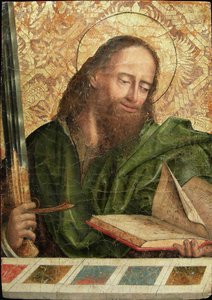
Fernando Gallego
1440 - 1507 , Spain
Quick Facts
- Artistic Movement Or Style: Hispano-Flemish
- Artists Who Influenced This Artist: ['Rogier van der Weyden']
- Date Of Birth: c. 1440, Salamanca
- Date Of Death: 1507, Salamanca
- Full Name: Fernando Gallego
- Nationality: Castilian
- Notable Artworks:
- Sky of Salamanca
- Retablo of Ciudad Rodrigo
- Pietà (Getty Museum)
- Place Of Birth: Salamanca, Spain
Related Articles
Illuminating Surfaces: A Comprehensive Exploration of Tempera on Panel Painting Techniques & Historical Significance
Explore the rich history & techniques of tempera painting! Discover Renaissance masters like Botticelli & Fra Angelico, conservation insights, and the enduring legacy of this captivating art form. Learn more now!
Illuminating History: A Comprehensive Exploration of Tempera Painting Techniques & Artistic Legacy
Explore the rich history & techniques of tempera painting! Discover Renaissance masters like Botticelli & Fra Angelico, conservation insights, and the enduring legacy of this captivating art form.
Raphael's Masterpieces: 25 Iconic Paintings & Renaissance Art for Your Home
Explore 25 breathtaking Raphael paintings! Journey through the Italian Renaissance with masterpieces like 'School of Athens' & iconic Madonnas. Find museum-quality art reproductions and elevate your home decor on ArtsDot.com.
The Golden Age Reforged: Dramatic Realism & Religious Zeal in Spanish Baroque Art
Explore the dramatic world of Spanish Baroque art! Discover masters like Zurbarán & the powerful influence of religious zeal on painting techniques – a guide for collectors and enthusiasts.
Rafael de Penagos: A Study in Spanish Portraiture & Artistic Identity
Explore the life & art of Rafael de Penagos, a leading Spanish Art Deco illustrator. Discover his iconic 'Penagos Woman', commercial work, and lasting legacy. Learn about this pivotal figure in 20th-century Spanish art history.