 Preview
 Send
Send Share
Share
 Details

 Download
 Similars
 X-Ray
X-Ray Diaporama
 Stats
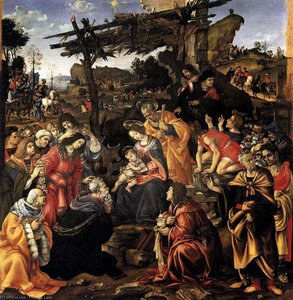
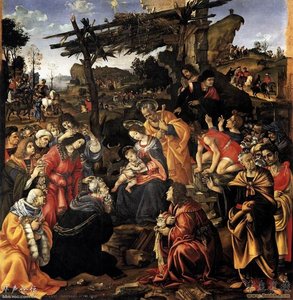
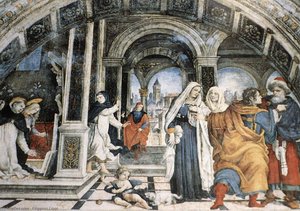
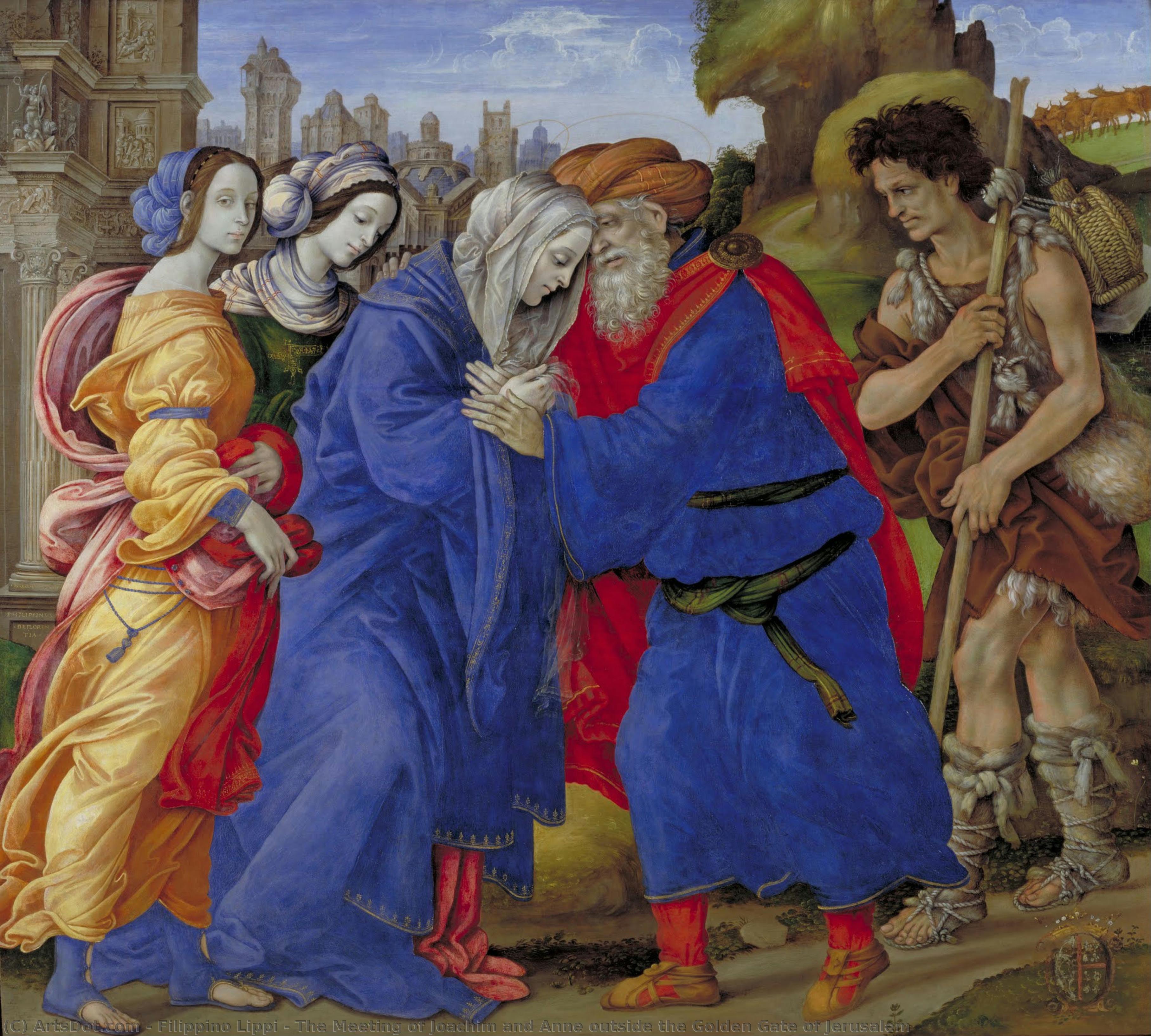
StatsThe Meeting of Joachim and Anne outside the Golden Gate of Jerusalem
 Tempera On Panel
- WallArt
- High Renaissance
 1497
1497- Renaissance
 124.0 x 112.0 cm
 National Gallery of Denmark
 Read More
Hand Made Oil Reproduction
Hand-painted oil on canvas in your size and frame, made to order by our artists. ( Switch to Print Switch to Digital Image)




P118B $10

P118H $10

P118W $10

P438Z $10

P508JH $12

P508YH $12

P805H $10

P805Z $10

P919BZ $10

P919G $10

P919XJ $10

P959ZH $10

P968JZ $12

W106C $8

W218G $10

W218JH $8

W218Y $10

W307PJ $10

W316G $10

W316PJ $8

W316Y $10

W398PJ $8

W4111J $10

W500HY $15

W500JH $15

W692G $12

W849H $8

W940BG $15

W953PJ $8




Pick from our preset sizes that match the artwork's original proportions.

You may enter your own dimensions to fit a specific frame or space. If your selected size does not match the original image's proportions, we will either crop the artwork or extend the painting with additional hand-painted elements. A digital mockup will be sent for your approval before production begins.
Please note that the on-screen preview does not reflect the actual cropping or extension. Only the mockup will accurately show the final composition.
While custom sizes are available, we recommend selecting a dimension from the predefined list to preserve the original proportions.
After order, ArtsDot.com team will email client for instructions and provide a mockup preview
Worldwide Delivery () in 3/4 weeks instead of standard 5 weeks. (7 September). No compromise on quality.

Free Worldwide Express Shipping

High-Quality Linen Canvas

Full Shipping Insurance

Customs Tax Refund Guarantee

True Color Matching Guarantee

100-Day Return Policy (Defects Only)

100% Money-Back Guarantee

Bulk Discount Offer
 Glass option is only available in size under 110 CM

The Meeting of Joachim and Anne outside the Golden Gate of Jerusalem
Reproduction Medium
Reproduction Size
-


Total Price
$ 263
A Divine Reunion: The Radiance of Filippino Lippi’s Masterpiece
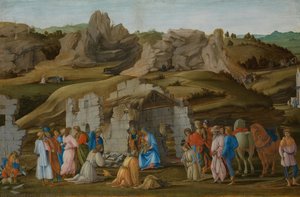
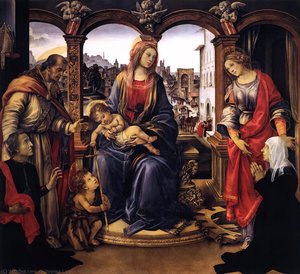
In the quiet, hallowed halls of the Ashmolean Museum, there exists a window into a moment of profound spiritual ecstasy. Filippino Lippi’s “The Meeting of Joachim and Anne outside the Golden Gate of Jerusalem” is not merely a painting; it is a choreographed dance of faith and human emotion. Painted around 1497, this exquisite work captures the precise instant when two souls, separated by years of sorrow and perceived divine abandonment, are reunited in a burst of celestial grace. As the eyes wander across the wood panel, one is immediately struck by the ethereal beauty that defines the High Renaissance—a period where the earthly and the divine were woven together with unparalleled finesse.
The narrative strength of this piece lies in its ability to translate medieval legend into a visual symphony. Drawing from the Legenda Aurea, Lippi depicts the miraculous conception of the Virgin Mary, occurring at the very moment Joachim and Anne find one another before the monumental Golden Gate. The composition is anchored by this powerful embrace, where the figures are bathed in a warm, golden light that seems to emanately from the architecture itself. This use of gilding, combined with the delicate tempera technique, creates a shimmering effect that elevates the scene from a historical reconstruction to a transcendental vision. For the collector or the lover of fine art, the painting offers a sense of timelessness, inviting the viewer to participate in a sacred mystery.
The Mastery of Line and Light
To behold this work is to witness the culmination of a legendary lineage. Filippino Lippi, the son of the great Fra Filippo Lippi, carried forward his father’s meticulous attention to detail while infusing it with the lyrical, flowing grace he learned from his mentor, Sandro Botticelli. This stylistic synthesis is palpable in every brushstroke. The figures possess an elegant, elongated quality that speaks to the refined sensibilities of the Florentine school, yet there is a grounded, sculptural weight to their forms that hints at the burgeoning realism of the High Renaissance.
The technique employed—tempera on wood panel with strategic gilding—allows for a luminous depth that modern pigments struggle to replicate. The way the light catches the gilded elements of the Golden Gate creates a rhythmic interplay between shadow and brilliance, guiding the viewer’s gaze through the crowded, yet harmonious, scene. Notice how the blue robes of the onlookers provide a cool, stabilizing contrast to the warm, golden atmosphere of the central reunion. This careful balance of color temperature ensures that while the scene is bustling with secondary figures and symbolic objects, the emotional core remains focused and undisturbed.
An Inspiration for the Discerning Eye
For interior designers and connoisseurs of classical beauty, a reproduction of this masterpiece serves as more than just decoration; it acts as an anchor of sophistication. The painting’s palette—rich golds, deep blues, and earthy tones—complements both grand, traditional estates and contemporary spaces that seek a touch of historical gravitas. It brings with it an atmosphere of contemplation and peace, making it an ideal centerpiece for a library, a formal study, or a curated gallery wall.
Beyond its aesthetic merits, the artwork offers a profound emotional resonance. It tells a story of hope, of the end of isolation, and the beginning of a new era. In an age of rapid change, the enduring stability of Lippi’s vision provides a sanctuary for the soul. Owning a high-quality hand-painted reproduction allows one to preserve this legacy of Renaissance idealism, ensuring that the light of the Golden Gate continues to illuminate the modern home with its incomparable warmth and spiritual depth.
Related Artworks


Artist Biography
Early Life and Training
- Born: April 1457, Prato, Italy
- Died: April 1504
- Parents: Fra Filippo Lippi (painter) and Lucrezia Buti
- Filippino was the illegitimate son of a renowned painter.
- Early training under his father laid the foundation for his artistic career.
Artistic Career and Development
- Early Period (1475-1480): Initial works, such as Madonnas, showed a less refined style. These were initially attributed to an anonymous artist known as "amico di Sandro."
- Evolution (1480-1485): Development of a more personal and effective approach in works like the *Journeys of Tobias*.
- Maturity (1485-1504): Mastery of the High Renaissance style, exemplified by *The Apparition of Christ to the Virgin*.
Major Works and Collaborations
- Collaboration with Perugino, Ghirlandaio, and Botticelli on frescoes at Lorenzo de' Medici’s villa.
- Completion of Masaccio's unfinished decoration in the Brancacci Chapel alongside Masolino.
- Notable works include: *The Coronation of the Virgin*, *Tobias and the Angel*, *St Jerome*, and *Scene from the Life of St Thomas Aquinas*.
Influences and Artistic Style
- Early Influences: Sandro Botticelli, Fra Filippo Lippi.
- Style Characteristics: Animated form and line, warm colorism, detailed landscapes, expressive figures, and a blend of perspective geometry with intimate interiors.
- Roman Antiquities: Studies after Roman antiquities during his time in Rome influenced his work, incorporating an antique vocabulary into his art.
Historical Significance and Legacy
- A leading Florentine exponent of the tradition of great fresco cycles.
- His influence on the High Renaissance is undeniable.
- Works are found in museums worldwide, including the Uffizi Gallery in Florence.
- Known for bridging the gap between earlier Renaissance styles and the emerging High Renaissance aesthetic.
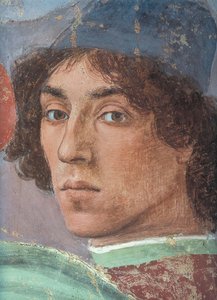
Filippino Lippi
1457 - 1504 , Italy
Quick Facts
- Artistic Movement Or Style: High Renaissance
- Artists Or Movements Influenced By This Artist: ['Raffaellino del Garbo']
- Artists Who Influenced This Artist:
- Fra Filippo Lippi
- Sandro Botticelli
- Date Of Birth: April 1457
- Date Of Death: April 1504
- Full Name: Filippino Lippi
- Nationality: Italian
- Notable Artworks:
- The Coronation of the Virgin
- Tobias and the Angel
- Scene from the Life of St Thomas Aquinas
- St Jerome
- Place Of Birth: Prato, Italy
Related Articles
Filippino Lippi: Renaissance Innovation Bridging Faith & Humanism
Explore the captivating world of Filippino Lippi, a Renaissance master bridging faith & humanism through innovative art. Discover his key works, influences, and lasting legacy with ArtsDot.
Golden Light & Dutch Skies: Bringing the Magic of Dutch Golden Age Landscapes into Your Home
Transform your home with the breathtaking light of Dutch Golden Age landscapes. Discover how hand-painted oil reproductions of masterworks like Ruisdael and Vermeer bring timeless elegance, atmosphere, and soulful texture to modern interiors. Elevate your space with museum-quality art.
Filippo Lippi: Bridging Renaissance Devotion & Artistic Innovation
Explore the life & revolutionary art of Filippo Lippi, a pivotal Renaissance painter. Discover his masterpieces, influence on Botticelli, and investment potential. Expert analysis at ArtsDot.

Dutch Masters: 10 Golden Age Paintings That Still Inspire |
Journey into the Dutch Golden Age! Explore 10 iconic paintings by Rembrandt, Vermeer & Hals. Discover the stories behind these Baroque masterpieces and find museum-quality art reproductions to elevate your home decor on .

Golden Age Reflections: Dutch Baroque Painting & Cultural Innovation
Explore the Dutch Golden Age of painting! Discover key artists like Vermeer & ter Borch, their innovative techniques, and the rich cultural context behind these Baroque masterpieces. Learn about collecting & appreciating this iconic art period.